Hello and welcome to classical stuff. You should know a podcast about the ancient world old ideas and books that we want to talk about for an Hour or so my name is Thomas Megby. I'm joined as always by mr. Graham Donaldson Hello and mr.
AJ Hannenberg this guy this guy over here now that guy over there AJ is gonna be talking today He is going to be talking about pirates something. I've been very excited to hear him talk about no my episodes can sound lame It was gonna sound like no matter what so So with pirates all of you on YouTube can see I'm sorry was that too much too Sorry, I'm just trying to start with I'm just trying to even tell the audience why like not just maybe not because of my content Just because it's me like you didn't tell them it's like my content. You're like your episode is just gonna be the content just to be clear Thank you. It's again.
We've made reference to I haven't made the joke yet So I'm really crushing it right now, but we're making joke at the beginning that won't make sense until you listen to the episode So let me try one more time. You're ready. Yeah, great. So it's maybe less insulting this No, I'm gonna keep the same level of insulting you're good But we're talking about pirates today as everyone you can see we brought a pirate map with us and as everyone knows on a pirate map The X marks the spot so we're gonna be talking about pirate treasure and how to see where the X marks the spot marks Hopefully if we just divide the treasure equally mixtus.
Yeah, it's a centralized pot. Yeah, they're no really We don't just divide the treasure we take over the means of producing Distribute that means among us and then we'll have treasure forever. Is that wow that's and it'll abolish the difference between the pirate who got the treasure and us good So the same just a booty easy Because it kind of is everybody's booty. Oh, all right, so today we are talking about That's what played out talk about that.
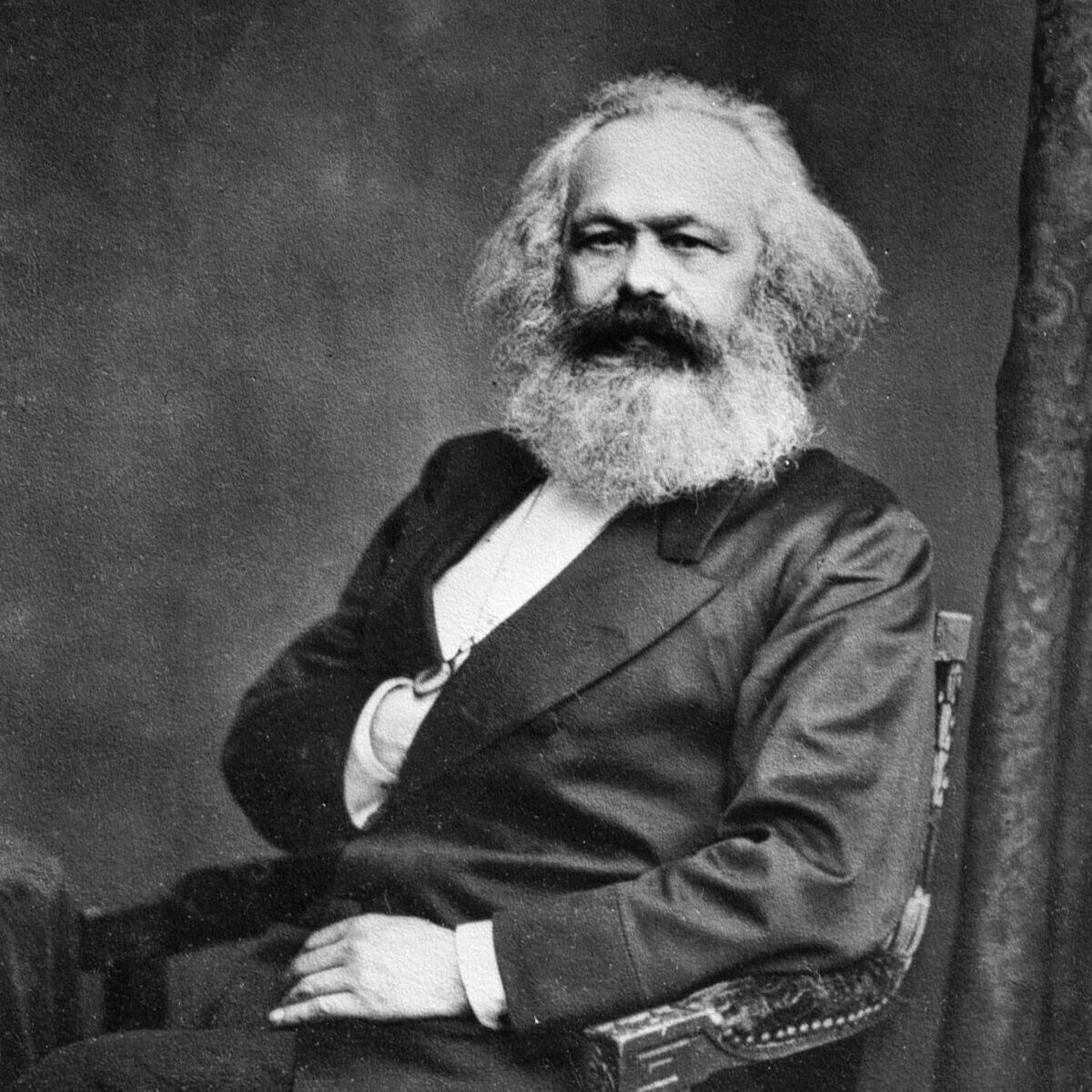
So yeah, I had a whole different intro in mind So I'm sorry that I'm gonna show you your own episode because the intro was so bad Go for a but a specter is haunting Europe the specter of communism All the powers of old Europe have entered into a holy alliance to exercise this specter pope and Tsar Metranic and Guizot French radicals and German police spies Where is the party in opposition that has not been dirt decried as communistic by its opponents in power? Where is the opposition that is not hurled back the branding reproach of communism against the more advanced opposition parties as well as against its reactionary adversaries? Two things result from this fact one communism is already acknowledged by all European powers to be itself a power Two it is high time that communists should openly in the face of the whole world publish their views their aims their tendencies and meet this nursery Tale of the specter of communism with a manifesto of the party itself to this end Communists of various nationalities have assembled in London and sketched the following manifesto to be published in English French German Italian Flemish and Danish languages, okay? That's the actual introduction to the communist manifesto.
Yeah, they it sounds like Reddit okay, they come out firing and it it's I chose to read it because it is kind of funny like it's Dramatic it is so I don't I don't as I go through this episode I will probably point out bits that I find funny. I am not trying I'm I don't want our listeners to be super offended that I am negating the historical significance of this particular publication and some of the actual good ideas It's had and the historical context which are different than we find ourselves in now like back then factories really were like a dangerous place to go And so I'm just at the outset. I want to say as I point out things that I find funny I am I'm not trying to undermine it as a as a work that you should read you really should read this especially because it'll only take you 60-70 minutes. It's not long really it's like 40 or 50 But you had to read it a few times like it's dense.
It's dense, but if you sit down and read it one straight time through It's really it's not that bad I if you have always been afraid of sitting down and reading the communist manifesto I run the reasons I'm gonna point out all this fun stuff is because it is kind of fun to read It's kind of a treat seeing where all the communist ideals come from and how how they conducted themselves in context I didn't do a whole lot of historical contextualizing on this piece I do know that when it was originally published it was not in the English French German Italian flamish and Danish languages I think it only reached about three of those before they kind of quit and then it fell into obscurity for a long time and I could I would I could say more about Marx's person wait, you're saying the communist had ambitious plans they couldn't I couldn't mean so it starts. Yeah, yeah They couldn't quite get there and as an added bonus I went and tried to read the manifesto of occupy Wall Street as something in addition It does not even come close to the literary quality of the communist manifesto over it is probably two pages long And there's almost no theory. It's just eat the rich or at least yeah kind of just eat the rich That's kind of the whole thing. That's not a list of demands or things that they are going for no I mean, it's it's just not great Like and you can go find it.
I would much rather read the communist manifesto than that Okay, so communist manifesto is in four parts and I'm gonna kind of ignore part three part three I find to be maybe less applicable now You might find it of historical interest But it's them talking about the differences between their party and the socialist movements of the past and the current socialist movements around their era And so that differentiation probably doesn't mean as much to us now part one is like their lane were hardcore I kind of think kind of yeah, it's exactly that like this is how they failed and how we will succeed and how we relate to these Other movements and why they weren't quite successful, right? So maybe maybe won't spend time there I think if you're into history that'll be a little more compelling for you, but not so much for us part one is about the Bourgeois and the proletarian it's kind of establishing the worldview of communism and then so the problem and then part two is the solution Part three is other movements and then part four is final words So I'm gonna read you a chunk of the final words But we're gonna mainly focus on parts one and part two right here's the situation we find ourselves in and here is sort of the communist solution Right guys you guys up for that? Sure, let's do it Okay, so part one and I actually plan to read quite a few chunks of it Just to kind of give you guys a feel because it's pretty incendiary and the writing style is kind of fun Like they don't pull any punches and it's not too theory heavy. So I'll read you pieces I have a bunch of quotes here I don't know if I read all of them But you know just buckle up There's gonna be some some language directly from the text so you as a listener can kind of get a feel for what what it how reading it Would go so right after that bit that I read you is part one that was a whole introduction It's just the communist manifesto and be like on the title page right the specter is haunting Europe But let's give a definition behind that specter.
Okay, we have to call his movement a specter in that like he's kind of saying Like everyone has this evil nursery around of us So we're just gonna say what we actually are right they've recognized a set of powers So let's kind of codify all of our stuff into one one spot, right where you can figure out what we're actually doing So I'll read the first maybe two paragraphs here Or chunks of the first two paragraphs the history of all hitherto existing society is the history of class struggles Free man and slave patrician and plebeian lord and serf guildmaster and journeyman in a word oppressor and oppressed Stood in constant opposition to one another carried on an uninterrupted now hidden now open fight a fight that each time ended either in a Revolutionary Reconstruction of society at large or in the common ruin of the struggling classes Okay, so right there he's making some pretty big claims. What do you guys think so far? So that's that's like the big historical move or that is the heuristic that he used that he's introduced right that history is Understood purely as class struggle. Yeah, and for listeners long time listeners We talked about this when it's applied to history and make one of maybe's episodes Oh is the history private life is that the book?
Yeah, so that is a little heuristic that gets applied to lots of different things And history being sort of the first one is sort of recasting revision history. I don't really know what I guess Maybe the what would be the heuristic of history in competition to this that history is a bunch of different ways to look at history Yeah, you can be as a class struggle you look at it as like the story of great Like I've heard stories of great men trace trace the exploits of great people through history or you can do holistic views Which is where you study sort of every aspect of the society not just the class struggle and see everything through that lens But see through it as maybe you know you look at the lens of economics You look how religion has affected a certain society, right? All of these different forces combined in history and or holistic is difficult. Yeah, right?
Yeah, or progressive you like it was it's always getting better And so then we sort of use that as a heuristic to talk about these sort of advances sort of like a technological You know technological utopia is kind of you. Yeah, so from here from your guys's knowledge Is this the origin of critical theory like where we're kind of the beginnings of it? Yes? So that heuristic is that gets that gets adopted as a Marxism is a critical theory, right?
So critical just in the sense of you're looking at it through a certain lens that will then get picked up by again This is all history private life But it gets picked up by that that and all the school that we talked about and then it develops So it starts as a class focus will move into pick your lens a gender focus where the oppressed oppressor is male female And then you can apply that to different methods, but he's marks is focused just on classes at this point It means economic classes. He doesn't mean any other no other no other categories You you either own production or you are like you work You are either oppressor or you are oppressed yes people fit neatly into these two categories and this is fundamentally what history is about Which is one of my criticisms of this is that he talks about only these two camps But then he mentions all of these side camps but doesn't give a very clear view of how they fit in except in a couple of cases Are you talking about marks? No, no, it's not the part three of it You're saying he'll talk about groups of people and they're not clearly oppressor or oppressed Well, he sort of mentions them offhand as he's talking about other things and he doesn't say where they fit really if they're oppressed or oppressor He kind of talks about how they everyone gradually fall Yeah, okay, so from the end notes I wanted to at the outset give a really pure definition of what bourgeois and proletariat are so that you guys can like I never really knew the big difference how it was originally defined And so this is by Engels himself one of the co-authors of this thing from a later edition So by bourgeois is meant the class of modern capitalists owners of the means of social production and employers of wage labor by proletariat the class of modern wage laborers who having no means of production of Let's see of their own are reduced to selling their labor power in order to live so bourgeois You own the means of production. That's why I own a factory and I employ wage labor proletariat is a wage labor who does not own any means production and has to sell my own labor to live what about like subsistence farmer They see both proletariat and bourgeois at the same time because he owns the tools that he uses produce, but he provides the labor So I think I think what I mean I'm I'm gonna head myself here That's fine, but he would say that over time what's gonna happen is the means of production will be consolidated into one big thing Somebody's gonna buy more and more farms and richer and richer and then eventually that middleman is gonna be reduced to Pro-literia lose his farm They'll become a wage laborer on the farm that he used own the serviles I don't think it's in communist manifesto and it might be in capital that he marks has a fund is for what you just described That's subsistence farming level or or a fondness for I don't remember the name of it And I'm sure one of you do where you are working for a lord and you have you know You need to get 40 bushels of whatever in the course of a week And if you get it done early you get the rest of your time back he enjoys this also he's medieval So again, that's not in the manifesto because the manifesto is like the condensed version of the ideology But just to say what you're describing is like that ownership is good Even if you don't even if you're poor you still own your means production.
Yeah, that's a positive thing Yeah, this wasn't wasn't the only thing he wrote he wrote a bunch of other stuff to anyone sort of a social philosopher And so he if you are thinking man, Marx is a simpleton just by this basic manifesto that they have I would encourage you go go look at Other stuff, right? I think it would be easy to sweep him sweep him away offhand, but I don't think he really deserves that Okay, so got the beard to back it up to right back up any criticism of a thinker man That's that's you my next project is cultivating a nice beard. I know I have all three of us here You have the best one so far okay So he says the modern bourgeois society that has sprouted from the ruins of feudal society has done away with class antagonisms Sorry has not done away with class antagonisms. It is only established new classes new conditions of oppression and new forms of struggle in place of the old ones So he's kind of pointing out that this sort of grew out of feudal society But where we would say we don't have lords and serfs anymore and we don't have that sort of thing and say yeah We do it's just different right we have different classes There's still that class struggle and society as a whole and this is another quote is more and more splitting up into two great hostile camps into Two great classes directly facing each other bourgeois and proletariat.
Okay, so that's sort of the premise We have oppressor and oppressor and we have bourgeois proletariat and everyone is Sort of centralizing into those two great opposed camps That's how we see society society today and the Inlet conflict well not the beginning no at the beginning It's it wasn't a huge deal what exacerbated it and this is the next next section He goes into is that it's it's growth of industry that has been the problem. We discovered America We sailed around the Cape we have sort of connected the great the great nations of the world by means of railroad I mean this was written in the 1800s and so everything is just industrialism is just sort of popping off and everyone all of a sudden I can move goods from my country to another country relatively easily I can move them across America really quickly America has a great need for goods and America is sending more goods and all of a sudden What used to be these little factories for a small town became? multinational perhaps global factories and so it It sort of grew and grew and grew and pushed other classes from the Middle Ages into the Background and every advancement of the bourgeois has corresponded with a political advance of that class That's another small quote so as they have advanced and they've gotten more and more and more cloud and more and more means of production and more and more cash and more and more Influence so their power has grown politically. Does that make sense?
Yeah, sure Do you guys find like find that to be true so you are you are welcome to comment at any point about stuff that you have have beef with It's a plot that makes sense that people as they gain more money would have more influence and that they you know If everyone is at some level self-serving they want what's best for them Of course, they're gonna build laws around them like when talking at this like high level It's really hard to disagree with any of that and I don't feel equipped enough as a historian again He's writing in the 19th century. I don't know what specific historical things he's pointing to but there's probably a lot of truth to that Right there people who are in power they want to stay in power They'll do anything to stay in power and that kind of sets up this whole theory Like it's hard to push back on those generals and there were there were elements of this that were incredibly haunting for me as a modern-day American right as the as the people who own production gain more and more power they get more and more sway politically I'm thinking super packs lobbyists one of our one of our great industrialists was just present Right in fact many of our industrial great industrialists become president Usually there guys that have huge business deals and run really big corporations and have placed themselves firmly as bourgeois owners of production Right? I'm trying to think of the jungle the Upton Sinclair is not a novel It's like a account of a meat factory and like the you know people lose limbs and they get thrown into the meat production like in this He's writing 20 or 30 years after the death of Marx so like you know you said this at the beginning there were horrible living conditions that came from A more industrialized world and so then seeing a pushback to it makes a lot of sense Right in factories were horrible and even child labor wasn't like child labor was still a thing Your little kids could go and work in factories and work themselves to the bone I think wasn't it wasn't it Dickens that had to work in a factory for a while like a type of factory Even as a child because his parents were in debtors prison I think that was the deal he had to work in a it was just it was just a bad situation and so seeing pushback against that that form of living It totally makes sense right okay So as they have grown up the the people who run the states more becoming committee for like managing the affairs of the whole boudoir Right they want to keep industry kind of chugging so here's another quote for you The boudoir whoever has got the upper hand or boudoir z sorry I actually had to look up a different difference between boudoir and boudoir z Boudoir z is the whole group boudoir is like an individual or an individual's behavior So the boudoir z whenever it has got the upper hand has put an end to all feudal patriarchal and idyllic relations So if it gets the upper hand it just sort of does away with all other relationships It has pitilessly torn asunder the motley feudal ties that bound man to his natural superiors and has left remaining No other bond between man and man the naked self-interest and callous cash payment So when the guys in charge get the upper hand they do it with everything and all that's left is sort of a cash relationship What do we think what is that everything when he's talking about the natural bonds between men and their superiors? What does he mean?
I think he's referring directly to feudal society like a loyalty between Lord and surface So the superior meaning like someone of better quality Lord's Lords and surfs I think yeah, so how come Lords aren't just boudoir? Good question He seems there seems to be sort of a nostalgia for the feudal system here and especially even the even the system of guilds Is it because it's guilds I can get behind is it just because the bonds between night and Lord or peasants and Lord isn't just monetary I think so okay, and it's not the continual need for more Yeah, and if your primary job as a surface make food for like the the plot of land that the Lord controls There's an end to it. They'll eat so much Yeah, you know what I mean? So instead of it being we need to grow profits 20% a year It's we we need to have dinner.
Yeah, and then why we don't know it will not it won't be a situation where the Lord is Compelled I mean this is maybe a rosy view of it Maybe he was his view but compelled to pay him less and less and less as that Lord competes with the international means of production Which I say might be a rosy view because the Lord said it can be with other lords I had enough money to make moves and buy land and pay armies and stuff. I think maybe Maybe not realizing the the impact of money in history is yeah, he's looking at that little rosally I mean I've all my sympathies with marks have always been that he is good at Highlighting the problem and is bad at coming up with the solution Which maybe we'll get to yeah, yeah, I'm gonna finish this quote because I think he's right like I think he's correct Like you know if you reduce society to just cash monetary payments over time It does have the sort of corrosive effect on the bonds between human beings like it You know if you know my loyalty to you is only that you paint Exactly or if you think about like if that was the primary mechanism of a family right like over time that family is going to cease to function in any sort of yeah feelings of duty or love sure yeah So to continue it is drowned the most heavenly ecstasies of religious fervor of chivalrous enthusiasm of Philistine Sentimentism in the icy water of egotistical calculation It has resolved personal worth into exchange value and in place of the numberless and indefeasible chartered freedoms has set up that single unconscionable freedom free trade in one word for exploitation Vailed by religious and political illusions naked shameless direct brutal exploitation So you know as this way all these old relationships and cash is the only thing left it means exploitation I'm going to exploit you as a worker pay you as little as possible that you can keep yourself alive on and keep the rest for myself Right, okay, so but that isn't sort of where it ends right the need the need for constantly expanding markets has meant a need for destabilization Right so as as the market grows it sweeps away local markets Right if I'm a huge industrialist and I need more markets and I need more workers and anymore factories I can go into a smaller country a little less power with my extra money set up a factory and because everyone can work there and get money I can actually crush any local market and it means that I have a bigger reach to get non-indigenous raw material Right I can get raw material from everywhere and so this kind of impel compels the involvement of the world in the class struggle Now it's no longer a local class struggle Maybe just the people and say leap-zig right it's the people in leap-zig and anywhere nearby that has raw material to give or cheap labor to be exploited Or any of that stuff so I include them and into in so doing sort of begin to erase national ties Right there is no more local market. I'm erasing their national national identity by bringing them in regional Or we yeah, yeah, I mean it's more I mean yeah It expands at each level. Yes, what's our just regional become you're losing loyalty every size you increase So I think it's making the same point.
Mm-hmm. Yeah, and there's here's a fun sense I just love his writing it's so like I said it's so incendiary and passionate just hit so hard the bourgeoisie by the rapid improvement of all instruments of production by the immensely facilitated means of communication draws all even the most backward nations into civilization the cheap prices of Its commodities are the heavy artillery with which it's batters down all Chinese walls with which it forces the barbarians intensely obstinate hatred of foreigners to capitulate It's gonna fun, right? I got cheap stuff and I'm gonna knock down your walls to make more cheap stuff Okay, so so far we got two camps there they're opposed and we are we're spreading those two camps into every population of the world by means of expansion and destabilization but we We get to a problem where the conditions of the society are too narrow to comprise the wealth created by the bourgeois right? So what we expand and we expand and sometimes there's an overproduction and people stop buying so we have to figure out how to Solve that problem and grow even further So we can do this by a couple of ways by mass the destruction of a mass of productive forces So I can destroy a couple of factories and thereby create want or by the conquest of new markets and by the more thorough Exploitation of the old ones so those are my two options when I've overproduced and I don't have a market anymore I can either blow my stuff up and create one for a little while or blow somebody else's stuff up or I can just exploit better and Spread to markets.
I think the latter is probably what we see happen more often because who was destroyed their own factories, right? And so now I have to expand even further beyond Okay, and so I paved the way for for more and more and more crises right as I expand into markets and as I compete with people That I haven't been in competition with And so this births the proletariat right the further exploitation of markets right so like I said in the beginning It wasn't so bad right people were getting paid we're getting new products life is getting better But because everyone is doing it and there are all these industries at some point I'm gonna need to exploit better or else I'm just gonna get squashed by the other bourgeois They're gonna explain faster than you can and you can't compete with them is that the problem? Yeah, and so this this is what births the proletariat right the actual real downtrodden Bottom worker class because it is it is at the the best of them to find new ways to exploit the market that they they create sort of this like Bottom bottom class of exploited peoples. Yeah, and So they are the to quote they are the commodified abuse working man The work has lost all individual character right there's widgets on a assembly line the cost of the workman is restricted to the means of Subsistence subsistence he requires for maintenance and the propagation of his race and so Like I only gonna pay him enough so he can live and make kids and that's that's all I really want to pay him and Here's here's where he starts mentioning people that this is one of the spots where he mentions people He doesn't really say what class they fall into These are placed under the command of a perfect hierarchy of officers and sergeants So they don't own the means right if they're officers and sergeant think I manager right manager fall I think to say bourgeois, but I don't know that he doesn't own the means right right but they're still higher up than the again He's thinking he's running in the middle, you know 1850s or whatever.
He's thinking the factory worker right so someone who's like on the factory line But he was like the boss of the law of the flak. He's got like 15 guys that he's responsible for yeah The same and he's getting paid more. That's what I mean. That's why that's what I think we put him into bourgeoisie territory You later he'll start using this term the petty bourgeois.
Oh, there you go And I think maybe that's his classification, but right there we see the dissolution of the two camps. No, there's not two camps There's three camps Yeah, I mean and this is I think modern Marxists or or even people who are criticizing of it Separate the bourgeois into two camps of like the enfranchised bourgeois the disenfranchised bourgeois so the dis enfranchised bourgeois are those who Still don't own the means of production But are of the means and wealth and higher class of those who do or perhaps maybe in the modern context are like the generation of people Who were raised by those who own the means of production and have the finances that they don't have to go be the proletariat But themselves don't have control over the company or the organization or the factory or whatever and so they you know right for BuzzFeed or whatever It just seems like right here you have the genesis and and like I said the dissolution of his theory that They're two big classes that are to fight well if we have another class that's kids that are inheriting the means But don't have own the means and they're doing this other stuff. They got plenty of cash. They're not the proletariat They're not the boot well, this is this I mean this is a criticism of Marx also when we get to the actual Russian revolution is that it's not the proletariat throwing over the bourgeois It's like the grouchy young students in college overthrowing.
Yeah, the older it ends up being like an age Struggle as opposed to a class struggle or generational struggles post a class struggle You have an older generation that is maintaining the means of production and then you have this younger generation who got there I'll be factory workers. No heck no other students. They're middle class They you know live in New York City isn't this kind of what we see in a lot of revolutions? It wasn't the Arab Spring primarily the young it was young people who had nothing to do during the day that would go out on the streets and Protests same in Hong Kong you have the in a mule in franchise bourgeois and the younger disenfranchised bourgeois and the proletariat are still like working Yeah, they're not on the street.
They're trying to make ends me. Yes. Yeah, that's what ties us on with your country Yes, exactly that is where we'll pick up long after mark or you know 50 years after marks or whatever and to say why don't the proletariat rise up And then proposes a solution because the proletariat area that don't rise up because they're too busy working So those who should rise up are like once we can't like the grouchy wealthy that aren't that want to be more rich It's true. It's funny that also comes out a little bit of marks He talked about bourgeois versus bourgeois and how that works Okay, so he says after we pay the worker he goes outside and then he is pounced on by other members of the bourgeois Right the bourgeoisie the landlord the shopkeeper the pawnbroker right all of these other people which seems to me like a lower strata of the bourgeois He says but he also says the lower strata of the middle class generally sink into the proletariat because they don't have the means to fight This giant chugging machine of industry.
So if I'm like say a small landlord I own a small apartment I can't beat the guy who owns 30 apartments right next to me and wants to buy mine He's gonna push me around until I eventually sell to him and then I gotta go find some place to work Instead of working for the factory you worked for the guy who owned the hardware store And you made more money and you have to work as hard but the guy who owned the hardware store eventually lost a Hardware store because Walmart came in yeah, no you work well. Yeah, that kind of move it You'll eventually hit the bottom you'll keep him Sort of further down which again to your comment from before Graham those problems that marks pointing to make a lot of sense Right, and it's easy to be sympathetic to this portrayal of class conflict But again being able to tie it to modern day examples of Walmart Amazon would be the other one to point to all that seems to make a lot Of sense. Yeah, like I said, there's a lot that's haunting about this and that kind of I mean obviously we don't have child labor We don't have a lot of as many factory deaths But we do have people peeing bottles when they're delivering packages, right? And so it may not be as egregious as it used to be but there's still is that feeling of the giant irresistible industry shudging along and now It's not like when he's talking about being multinational now.
That's for real. Yeah, people are there are global corporations Yeah, there's a way we could all own small parts of that company We have like I mean people sort of like belittle the market as being this thing of for only the wealthy but like Anyone can buy it 20 bucks. You can buy a share of GE for 20 bucks You buy a portion of shares like they're most of the places you can trade now you can do portion of shares. Yeah, anyway So we can yeah, I'm not talking about that's about how to fix things I don't know enough about the you know from 1880 or whatever when mark dies until now But again, we've gone from you know, there's no set work week There's no 40 hour work week weekends aren't really a thing minimum wage doesn't exist at that point health standards don't exist Like there are important and I don't know the specifics But I think unions are a big part of that transition where yes, there were many with kind of more Marxist leanings Does that make sense like this is what Marx is writing?
It's like the wild west like yes It's working a hour day. So it's a really funny thing as you mentioned unions and that's the next place Okay, yeah, so he says with the birth of that class comes the birth of struggle, right? They're not happy right there the proletariat aren't having a good time But they always fight the wrong thing instead of overthrowing the people who are paying them they fight their landlords and they fight other problems And they fight the people who the politicians and instead of fighting the people who are abusing them the factory owners They're fighting everybody else But he says what comes out of that fight is usually some sort of trade union right and those unions are the valuable thing connecting the workers And setting the stage for a future big fight, right? So we just see bigger and bigger polarization here and see unity one in the part within the party and then Like this is why we have slow-ins like workers of the world unite right because they're wanting to get all the workers to get to the place where they can like Throw down.
I think that's actually a direct quote from Communist Manifest. Well, I mean, you see that's the that's you know See it on the flags. Yeah, so we'll get there. That's that's sort of near the end and but he says this isn't where the struggle stops Because the bourgeois obviously obviously have to fight each other right there fighting each other for territory They're fighting the old monarchy right those who are still in power but don't necessarily own the means of production They're fighting all the stuff that would stop them from expanding their fighting laws They're fighting like they are in all kinds of different fights often just with each other right for territory and for expansion And so they have to appeal to the proletariat for help against these things So if I want to beat my other my competition I'm gonna have to talk to my workers and say look listen guys We got to step it up like I'm gonna need your help beating this thing You got to go and try to sell my products You got to make sure our factory wins so we got a like we've got to ramp it up boys And so I basically I need to educate them I have to give them you know more money or whatever I need to and basically I arm my own grave diggers the people who are going to overthrow me right that's kind of where he says so the proletariat are virtually without property and They begin because they are just so crushed by working they view all of these old ideas law religion morality all of those things as Primarily bourgeois interests right that's weak point for them and that that I kind of thought so too So let me like the proletariat don't think that God is a boo a boozy thing Right.
Yes, not so I'll read the quote law morality religion are to him so many bourgeois predicists prejudices behind which lurk and ambush Just as many bourgeois interests all the preceding classes that got the upper hand sought to fortify They're already acquired status by subjecting society at large to the conditions of appropriation Perletarians cannot become masters of the productive forces of society except by abolishing their own previous mode of appropriation and thereby Also every other previous mode of appropriation they have nothing of their own to secure and fortify their mission is to destroy all previous securities for and Insurance is of individual property right so because they can't really get a lot the way they get stuff is by making money The only way they can overthrow the previous mode is by abolishing the way that they made money So they they kind of have to get rid of individual property and this is that's right near the end of chapter one So he's sort of established the problem right the problem is we've got these two big splits property, but also Institutions right like he does mean the church here He means the church and he means abolishing these sort of these old these old ways that are keeping them keeping them down the systems of power That are sort of pulling them down includes laws government government Government into like religious institutions and this is these are the things that get picked up with the more social Communists as opposed to like Marx is really talking about economics Where's Graham she's talking about culture and this sort of cultural Marxism is where they say okay? Let's we're not gonna be able to seize the factories But we can see we can create our own institutions or be part of other institutions I thought she was trying to use those cultural forces to get that economic Eventually the economic revolt have yeah You can't do it until you have this by until you've got this buy in and the only way to get the buy in is to have the forces of culture be In fact whatever you want to call it is be be taken over so we've pretty much finished part one problem Looking back. How do you feel about his evaluation of society as a whole does it like I've said? I think he gets more right than wrong with it It's the same view of society and the same view of the problem that we talked about with our distributors podcast episode of Hilar Bellock and GK shesterton the idea being that sort of simply put when you have capital And you have the game of capital making more capital with lending and with factories and with producing It is a game where the capital eventually flows to fewer and fewer and fewer people And gets more centralized and more centralized and more centralized and you get to some kind of social tipping point where you have Most of the people holding the means of production other in terms of money and very few people having any means of production And so now you have and now you have to come up with some sort of solution Marx's solution is going to be a what's a collectivist one and the capital solution is going to be a what?
Pilar Bellock postulates is that it is a slate one of slavery We're basically just to have like five people with all the money and they create social contracts And everybody signs it and they like control us all or then there's some sort of or the third way the third way is a Distribute way we're not talking about that today, but just fine But I think Marx is getting Is putting his finger on the pulse of the issue and the issue is is that run the program long enough and you get imbalances? Well, and that's that's the problem with truly free trade Which is why we have monopoly laws in the US and I trust laws Yes If we couldn't step in and break up the big Conglomerations when they got a little too big for their riches They'd eventually just buy everything yeah, and they don't at all right We'd be in the Google sphere they would own the banks they would own roads They would own everything there is to own and we would just live in the Google world Bitcoin fixes this actually no No Autonomous organizations do the I'm yeah, it might fix it or centralize autonomous organization I got her just like people buy all the Bitcoin and then oh Google would buy all the Bitcoin and let us rent them Yeah, oh man, I'm like this one. That's the best I've thought okay, so I for one welcome our new Google I would rent a Bitcoin sounds like fun ready for a day take it out okay So next question is maybe what do you think what do you think of is Marx getting yeah? He's not just the problem well, and then yeah, the interesting stuff is probably as we get into part two Yeah, so part two is the I 40 minutes in yeah, holy smokes over prepared again, okay, that's fine We might we might leak over the conversation or I might have to gloss over a few things mark part two I'm part two electric blue come community book glue I guess I don't know I nailed it okay part two per literians and communist so how what do we do out of communists fit in right?
He's talking about the two parties where do we land and basically they say we don't have any Interests well here. I'll just I'll just read it the communists do not form a separate party opposed to other working-class parties They have no interest separate and apart from those of the proletariat as a whole they do not set up any sectarian principles of their own by which To shape and mold the proletarian movement we are distinguished from the other working-class parties by this only one the national struggles of the Proletarians of the different countries they point out and bring to the front of the common interest of the entire proletariat independent of all nationality So we're not interested in just one Germany's proletariat We're interested in all of them We want to bring all of that to the four carbon level and two in the various stages of development Which the struggle of the working class against the bourgeoisie has to pass through they always in everywhere represent the interests of the movement as a whole So what in whatever stage you're in the communists know where we're going and we're gonna point to the right direction So I get there saved it last okay, and the funny thing is this is the other part You're gonna laugh even more at the communists therefore are on the one hand practically the most advanced and resolute section of the working-class parties of Every country great point that section which pushes forward all others on on the other hand theoretically They have over the great mass of the proletariat the advantage of clearly understanding the line of March The conditions and the ultimate general results of the proletarian movement Right they're the first among sequels yeah So the immediate aim of the communists is the same as that of all other proletarian parties Formation of the proletarian into a class overthrow of the bourgeois supremacy conquest of political power rather by the proletariat So look we know where we're going we can guide everybody there we know exactly what we're aiming at and so what we got to do Is we got to get together we got to throw these fools out by rail monorail And then it seems like they sort of bring all of it into one big summary of their aims What would you say if you could summarize what the aim of the party is? Single sentence cynically or are you gonna be a one-sent summary of the aim of the communist party overthrow of the bourgeoisie? Nope?
Oh, that would have been my answer a quote in this sense the theory of the communists may be summed up in the single sentence abolition of private property Oh, okay, right they want to overthrow private property altogether They think that is how they're going to establish the dissolution of these two classes if I can't own anything What reason do I have to exploit anybody right? I can't own I can't own a factory because it's kind of fun I mean maybe and I think I think maybe that might be one of the the things to which the communist party didn't see coming Right if we if we give the government all the means production sin Yeah, if we give the government all the means of production There's not gonna be anybody in the government that'll take advantage of that like yeah That might be one of the short-sightedness here But they think if no one can own the factory then there's no reason for anyone to exploit anybody else Right and so they want to abolish private property The funny thing is is that they don't want to abolish the private property of the proletariat just the bourgeoisie Mmm. And not as much of it for the proletariat, right? Yeah, the the deal is is that so I'll read you a quote hard one self-acquired self-earned property Do you mean the property of the petty art is in the small peasant a form of property that proceeded the bourgeois form?
I don't need to abolish that the development of industry has a great extent already destroyed it and is still destroying it daily So they're not coming for my butter churner They're not coming for your butter churner because eventually the industry is gonna take that anyway And it's been taking all the stuff you own. Sorry. You're probably renting it right now, right? You're not a butter churner.
I inherited it doesn't matter good And so they're basically saying we're not taking any of that We are just just focusing on the property of the top at this point top 10% He says 90% of the people have nothing they when they are working wage laborers barely just keeping it going getting their meals Day today. It's only that top 10% that we're aiming at and we're gonna take what they have right We simply want to restore the social aspect and he says property is based on the antagonism of capital and wage labor But the thing is capital is a social power, right? If I'm gonna accumulate a massive wealth. Can I do that alone?
No, you need to sell to other people you need a again He's focused on 19th century So you need a giant factory to do it You need lots of you talk about Ross supplies earlier, which today You don't need right you get Bitcoin millionaire and never talk to anyone I'm influenced but but even with Bitcoin like can't exist without the the actions of a thousand people that are running Yes, it is a social thing if I want to get rich I cannot do it alone by making my own little widget and selling it again again I feel like there is maybe some modern thing Someone's got to smash that like and subscribe It's gonna be you Yeah My name is Thomas Maybe maybe perhaps I could think like art if I make a painting that everybody goes gaga over I can sell that painting Make a bunch of money that's not so much of a social aspect I wasn't a jadee salinger who like lived in a cabin by himself So, you know, right the hit book never talked to people but you still need people to buy it That's the problem. Yeah, but back then when he was talking about accumulation of wealth He primarily meant I need a factory full of people to make it and so it's it's a social aspect Right and so because it's social they want to restore the social quality of the property meaning everyone should get a piece of what they worked for Which sounds like a pre-noble aim, right? If a whole factory people work to make it you have to get all this capital together Why shouldn't they have a piece of the ownership like a share? Exactly what it is and there are companies that are set up this way again We joked about the aos decentralized autonomous organizations But you buy in and then you have an equal vote with other people Many factories are like this also though.
They're usually the higher up Right and like oh yeah, so again the structure can exist but Marx was arguing this for all Organizations not just ones that opt in yeah Yeah, yeah, and so that's what we want to do it to quote He says in one word you approach us with intending to do away with your property precisely So that's just what we intend and so at this point he kind of goes away from talking to people at large and is addressing almost directly the Bourgeois it's this weird change of address It's instead of we want to address Europe and say what our aims are it goes to I'm just gonna yell at the bourgeois for a while And the next it's so now he goes into a portion where he kind of answers the criticisms that are leveled at the at the Communist Party So will laziness overtake us right if we do away with this and centralize all of the means of production in the Government we don't want to do it All the factories let the government run it and then if the government is running it everybody gets to work now We're lazy as one overtakes we got like Google eggs and stuff So he says it won't because right now it's flipped anyway The people who are working aren't making anything and the people who are making money aren't working And so like laziness has already sort of overtaken us right and so will it get worse when we take all of that money and put it into The government no because the workers are still like they're still gonna work And so he says that's not really an issue and then he talks a little bit about the abolition of the family It's very unclear why he wants to do that or exactly how that will be affected. He doesn't spend much time on he's like you say We want to get rid of the family we do like you're already getting rid of our families It's kind of the attitude he takes is you are already destroying the ties between family Then if you say I want to do away with the exploitation of children my parents like having your kids work at the factory Yeah, I want to do that too And then he also talks about wanting education to be socialized right so social education rather than private education You get mad at that. There's also a really funny bit about the community of women. He doesn't really define what that is it sure seems like Everybody has everybody longs everybody.
Yeah, that's what feels like and he says you guys make you you bourgeois get make fun of us for that Well right now you engage in all sorts of prostitution you find prostitutes you and You like tinder? Yeah, let me see if I can find the the little bit right here Well, this is this reminds me of a little biz and yet in a coffin crown punishment like this is he's a character Who's us whose proto-communist who is so jacked about the future utopia where all the women aren't married But they all are like sexually available to him. He's like this is progress, baby That's kind of what it feels like the funny thing is he levels instead of defending his own idea of how a community woman will work He's just like he launches back at the bourgeois and says like yeah, you know your favorite hobby So do's each other's wives and then he goes on I kid you not I wish I had the vote in your I didn't copy it down But he basically says you engage in all sorts of prostitution and not only do you steal the wives of your workers like you you sort of take over them But you seduce each other's right now. It's right now.
It's hard to ask us. Yeah, art work because he was marks was a marks was married He had like seven kids, so that's it's funny because he fell into the structure of the he's paid them for their chores Mm-hmm. It's probably exactly right. I think I think most of them died when they were very young, but yeah, anyway He yeah, he also wants to he wants to do away with like nation and national ties and he says yeah sure but you are already destroying our national ties Right, you're abolishing milk markets.
You're like I find working all day. What can I what do I have to do with my country? And so what's the difference? I can't take something from a man if he doesn't have it already and and so he kind of just responds to all of These criticisms that are leveled at the Communist Party and he says here's here's what's gonna happen This is how we're going to affect our grand plan and he gives 10 steps.
So here's the 10 steps of communism, right? Here's the solution Number one abolition of property and land and application of all rents of lands to public purposes. So it's a big first step Yeah, no property land no property right number two a heavy progressive or graduated income tax There's no property so income like I can't own the land still own money though Like yeah, you can still have money, but I can't like I can't own the land My own parlance would probably means like an asset you mean like little land like I might mean actual land So he he says yes, so and heavy graduated income tax And he says we're not we can't just take over and then all of a sudden make all the changes we want This is a progressive like this is my plan for progressive change once once we rest away political power here's how we will eventually get to the communist Oh, so he's reasonable about these judges. Yeah, number three abolition of all right of inheritance.
Oh And if you make a lot of money turn them more and more and more that's going man We just we actually have progressive tax here in the US right? Which are you are the more you pay? Yes? I don't know if that's the same as the heavily graduated income tax he's talking about yeah He doesn't give numbers any of that stuff.
No my turn our top actually We 90% like we've come down that many of us since then yeah I'm raising my comment take it flag good number four confiscation of the property of all immigrants and rebels Emigrant with an E or the I so people leaving yeah Yeah, yeah, okay, so I can't leave the country and take all the rebels to all the rebels stuff Which is weird because he is in sort of inciting rebellion. He's assuming it. Yeah, that's kind of weird number 5 centralization of credit in the hands of the state that means of a national bank with state capital and exclusive monopoly The trick is you just get to call everybody rebels. Yeah, yeah, so so basically state bank the central bank owns it all right and That's what ETF stands for what does he and fed?
I don't think that's 6 centralization of the means of communication and transport in the hands of the state so not only do they get all the money They're getting all the trains okay, so go back to this bank So he thinks that there should be a central bank that does all credit and an exclusive monopoly on it So basically I can't owe my landowner you only own the government. I only owe the government what could go wrong? Well the government is owned by all of us right right It's really like I'm paying myself Yeah, so that's part of the premise here is that he doesn't think that like the government is going to be run by the proletariat And so as long as the government is in the hands of all the people yeah, then all the people own everybody else credit awesome It's right around the same as credit unions right? You know all these people who own it together in it's like a community that is giving you a loan for your car or house or whatever It's not bad.
I mean that Number seven extension of factories and instruments of production owned by the state and bringing into cultivation of wastelands and the improvement of the soil generally In accordance with the common plan so if we own all the factories let's make them nice. Let's get some soil going right number eight Equal obligation of all to work establishment of industrial armies especially for agriculture So everybody's got to keep working, but you're not but it's everybody like I can't exploit because there's no reason to exploit I have to work they have to work everybody's got to be working and so working man is gonna survive better because everybody I'll be under the same conditions sure it's just funny that you're compelling work that way But yeah, he has to do it somehow right yeah This one's a fun one combination of agriculture and manufacturing industries gradual obligation of the state Sorry gradual abolition of a distinction between town and country by a more equitable distribution of the population over the country So we all spread out the towns. Yes, everybody's got to move move further from each other man suburbs everywhere seems like a weird thing That's even that out. It's not even a suburb the right term because you wouldn't have an urban center like one big flat city Now plant okay, and number 10 free education for all children in public schools abolition of children's factory labor in its present form I really like that one actually sure combination of education with industrial industrial production etc in free public schools like a good idea to Right, I don't know what literacy rates were like teaching your population to read is like a good thing right yeah Yeah, okay, and it says so if if the prolyat Proletariat during its contest with the bourgeoisie is compelled by the force of circumstances to organize itself as a class Okay, that's a class up by means of revolution It makes itself a ruling class and as such sweeps away by force the old conditions of production So if it wins right we've swept away the old ruling class then it will along with these conditions have swept away the conditions for The existence of class antagonisms and of classes generally and will thereby have abolished its own supremacy as a class So this is idea for getting rid of class antagonism is if we all rise up and we sweep away the old means for how classes existed Then we can't be supreme anymore because our own no classes.
That just seems like a semantic trick It's like saying if we want to get rid of pickpocketing we just like a bulge pockets Yeah, kind of yeah, or make make pickpockets rich and then they won't want to pick anybody's pockets anymore Yeah, it seems yeah, it seems weird and it seems like a The notion that once we're in charge classes won't exist anymore So we're not really in charge anymore or everybody's in charge It seems like you are expecting people to act a certain way once they've reached supreme power that people in supreme power have never acted Or if there's like a person you hate so again There's a conflict between the bourgeoisie and the proletariat when you get rid of the bourgeoisie He doesn't go into how you get rid of them, but so it's like that person leaves and you think there's no more hatred left in the proletariat You know, I mean, yeah, it ignores that that would just move to someone else again to say differently Think of some rich person people hate if that person were poor people would probably still hate them You know, I mean yeah, I mean it's it's interesting because it it in the background It assumes a certain kind of anthropology right like it assumes it assumes things about the human person and then Then builds a society around that but if that assumption is mistaken and we've sort of been joking about like people in power are gonna be sinful right like But if you get that wrong like then you're just gonna have you're just gonna have power You're just gonna have this power imbalance under a different name And that's exactly what we've seen when anybody's sort of taken communism as a like an attempt Well, and then maybe one of the most dangerous ways we've taken away from everyone the means of production which means means we can means away from Everybody and we've consolidated in the hands of whoever's running the government and if and that means that they are really hard to worry We got you. Yeah, exactly. So we're gonna use this really well. Yeah, we have no more means We all gave it away right is the problem.
So that's yeah, that's kind of the day again This is going back to Bellock and Chesterton. This is their this is their warning in Serval state is Whether or not you're gonna be under the control of like the Supreme capitalist the person who had who wins the king wins Monopoly and has all the money or whether or not gonna be under control of The people who say they aren't but they are the centralized power You're still you're still enslaved like you're still under their authority And so you know, yeah, okay briefly I'm gonna bring it all bring it all home with this part four is basically just saying how they relate to people in different countries Like how we support the different movements and this is how it ends So there's the final words of the communist manifesto. It's like maybe a couple paragraphs in short the communists everywhere support every Revolutionary movement against the existing social and political order of things like we support everybody in all these movements They bring to the front as the leading question in each the property question no matter what its degree of development at the time Finally they labor everywhere for the union and agreement of the political parties of all countries the communists disdain to conceal their views and aims They openly declare that their ends can be attained only by the forcible overthrow of all existing social conditions Let the ruling classes tremble at a communistic revolution rough the pro-letarians have nothing to lose But their chains they have the world to win and in bold really big bold letters working men of all countries unite And that's it that's the end of it about 60 pages long totally worth a read it stands Yeah, it's what do you think I'm reading a hand over I it seems to me simplistic and I like I think that looking through looking through this lens at structures that really were abusive like child labor was Not healthy the factories were dangerous places like they really were in the industrial revolution And so a reaction against that against that wanting labor unions and protection for the working man totally makes sense But it is an awfully rosy view of what can happen if you abolish the family and centralize all the power in Whoever's running the government and take away the means of everybody and the compulsion to work for everyone to work equally is fine Until some jobs suck worse than others, right? What if I'm get the guy compelled to clean the porta pottys and somebody else is compelled to sit behind a desk and answer phones I like brush the puppies.
Yeah, yeah, pop the pressure exactly that's gonna That's not gonna make me happy very long right especially if I'm compelled to work long difficult hours and hot porta Potties in in the summer right that's not gonna be a friendly thing for me and it also seems the old boss right Yeah, and it also seems naive in the multi-fariest ways that people try to accumulate power right? It's not just owning a factory that puts me in a position where I can abuse others and it also kind of ignores the Strata of any complex social system right even in the US we have we have these people the whole trip capitalists right? we've got our Elon Musk's and we've got our Bezos's and Lot of us are still doing okay, but we still have small business. We still have Commerce I could still go start a little business of my own maybe it wasn't possible during marks this time It certainly is during ours and so I don't know I think elements of it are important to think about Maybe we can talk more about like It in modern time also in our in-between episodes since we're pushing up on time Yeah, we're pushing up on the edge here But I think it is a worthwhile read it definitely informs a lot of the stuff that came after it and it's such a poignant little paper that There's no there's no reason not to read this thing in like an afternoon and then kind of get a footing for that attitude as it spread out from there Gotcha.
Yes, it's important. Yeah, everyone should read it. Yes, even search for it and find it online in the PDF I'm sure easy. Yeah, it's so easy to come by for sure.
All right. This has been classical stuff You should know thank you AJ for a great episode. Oh, I think that's a wonderful episode. I'm not gonna rise up next time I guess I'm going on pirates now that you know you whatever idea Right actually that's a really good idea.
Talk about these are in pirates before so weird until that story again And yeah, why are you gonna cause pirates right then you put people back together or something what with us pirates? What are the barrel children? Was that Santa Claus? Yeah, yeah in the barrel kids so something about that I were like hidden and killed in barrels or something Yeah, anyway, I don't remember.
Okay, so I don't remember what I just said so probably I said oh great episode Oh, you can find us online at on Twitter Twitter at classical stuff. It's spelled funny to search for classical stuff You can find us patreon.com slash classical stuff there. We have in between episodes, so we're gonna record a you know Another episode after we talk right now. We'll take some hot takes so check it out.
It's great You can find us online classical stuff.net send us an email the guys at classical stuff.net And I think that's probably everything anyway, thank you all for listening and we will see you next week. Bye. Ciao