
EPISODE · Apr 3, 2024 · 22 MIN
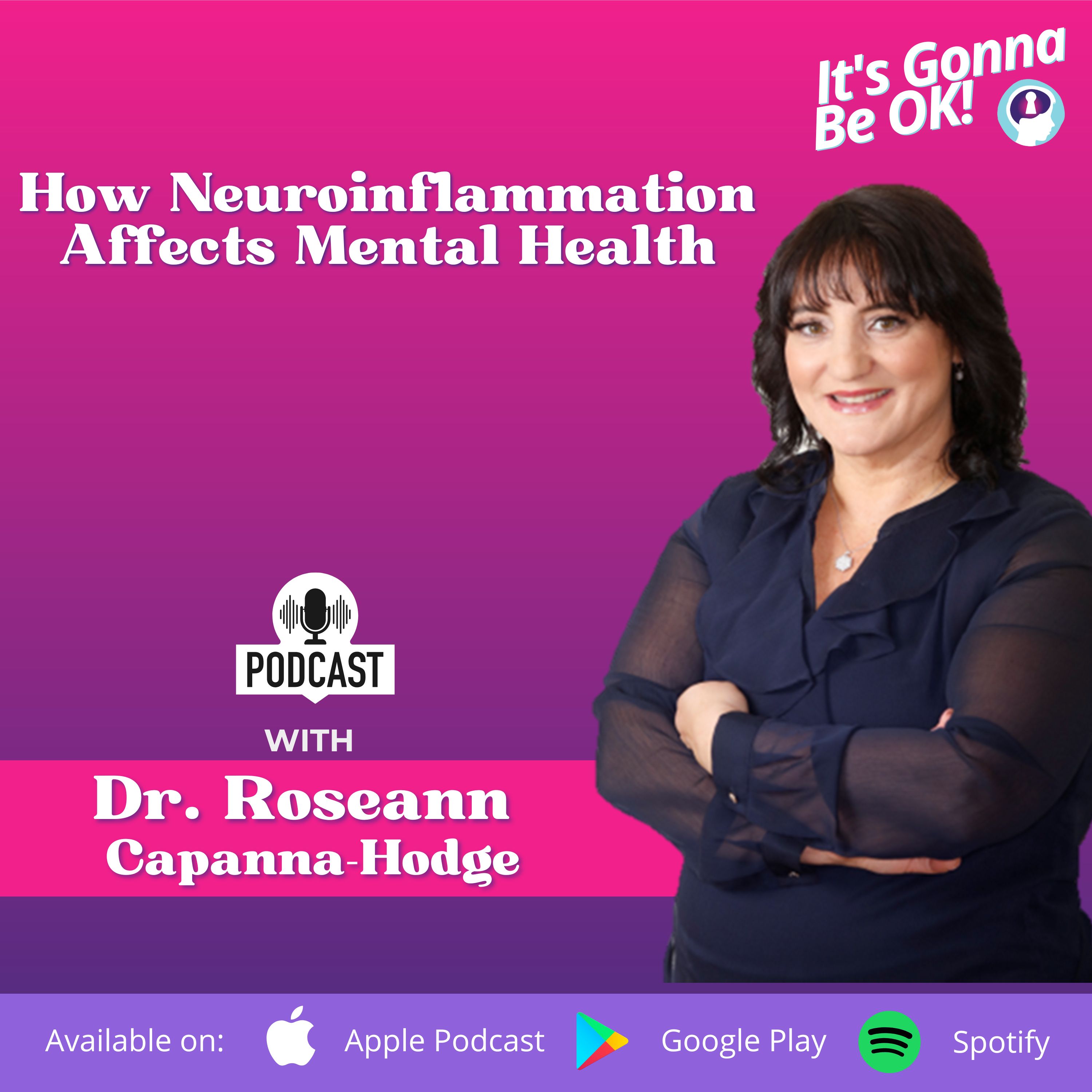
How Neuroinflammation Affects Mental Health | Emotional Dysregulation in Children | 177
from Dysregulated Kids: Science-Backed Parenting Help for Behavior, Anxiety, ADHD and More
If your child struggles with anxiety, OCD, PANS/PANDAS, or emotional reactivity, neuroinflammation may be a hidden driver. You’re not alone, and it’s not bad parenting—it’s a dysregulated nervous system. In this episode, Dr. Roseann explains neuroinflammation, why it affects mood, focus, and behavior, and how diet, sleep, and lifestyle strategies calm the brain and support recovery.In this episode, you’ll learn:How neuroinflammation affects attention, learning, and emotional regulationSigns that your child’s brain is inflamed and dysregulatedPractical dietary and lifestyle strategies to reduce inflammationHow to support Emotional Dysregulation in Children at homeWhy neuroinflammation is so commonChildren today face a perfect storm: stress, infections, environmental toxins, genetics, and processed foods. Neuroinflammation disrupts:Mood and emotional stabilityAttention and focusSleep qualityCognitive processingParent story: A child’s irritability and attention problems were misinterpreted as defiance, but calming the nervous system through diet and routine improved behavior dramatically.Signs of neuroinflammation in childrenSudden anxiety or OCDIrritability or emotional volatilityAttention or memory challengesRestricted eating or food sensitivitiesSleep disturbancesBehavior is communication from a stressed brain, not intentional misbehavior.How stress and sleep affect inflammationSympathetic dominance (“fight, flight, or freeze”) worsens inflammation. Poor sleep prevents detox and heightens reactivity.Tips:Limit screens before bedUse calming routines and musicEncourage deep breathing and mindfulness“Let’s calm the brain first,” before addressing behaviors or teaching new skills.Dietary strategies to reduce neuroinflammationThe Mediterranean diet supports a calmer, regulated brain.Helpful foods:Fresh fruits and vegetablesHigh-quality proteinsClean wheatHerbs like parsley and cilantroFoods to limit:DairyProcessed or inflammatory foodsParent story: A child with chronic irritability improved within weeks after switching to a Mediterranean-style plan.Gut-brain connectionThe vagus nerve links gut health to brain function. Inflammation in the gut can worsen anxiety, irritability, and attention.Supports:Fermented foodsPrebiotic-rich mealsHigh-quality probioticsA healthier gut = calmer behavior, improved mood, and better attention.Listen + Take the Next StepGet your FREE Regulation Rescue Kit to stay grounded and support regulation: 👉 www.drroseann.com/newsletterTakeawayNeuroinflammation is common and affects behavior, mood, attention, and sleep. Supporting the brain with nutrition, sleep, detox, and nervous system regulation helps children regulate, focus, and feel calmer.FAQsQ1: What are signs of neuroinflammation in kids? A1: Anxiety, irritability, attention problems, sensory sensitivities, and sleep issues.Q2: Can diet reduce brain inflammation? A2: Yes. Anti-inflammatory foods like fruits, vegetables, and clean proteins support the nervous system.Q3: Do PANS/PANDAS cause neuroinflammation? A3: Yes. Infection-driven immune responses increase inflammation and dysregulation.Q4: Does sleep affect neuroinflammation? A4: Yes. Poor sleep worsens brain inflammation and impairs emotional regulation.Q5: Can stress increase brain inflammation? A5: Yes. Chronic stress keeps the nervous system in sympathetic dominance, worsening neuroinflammation.Dr. Roseann Capanna-Hodge helps parents understand Emotional Dysregulation in Children and teaches practical Nervous System Regulation in Children and Co-Regulation Techniques through her Regulation First Parenting™ approach.
Embed this episode
NOW PLAYING
How Neuroinflammation Affects Mental Health | Emotional Dysregulation in Children | 177
No transcript for this episode yet
Similar Episodes
Similar Podcasts
No similar podcasts found.