#178 | Athletic Longevity isn’t Easy | Brendan Egan, PhD episode artwork

EPISODE · Feb 15, 2026 · 1H 8M

#178 | Athletic Longevity isn’t Easy | Brendan Egan, PhD

from wise athletes podcast · host wise athletes podcast

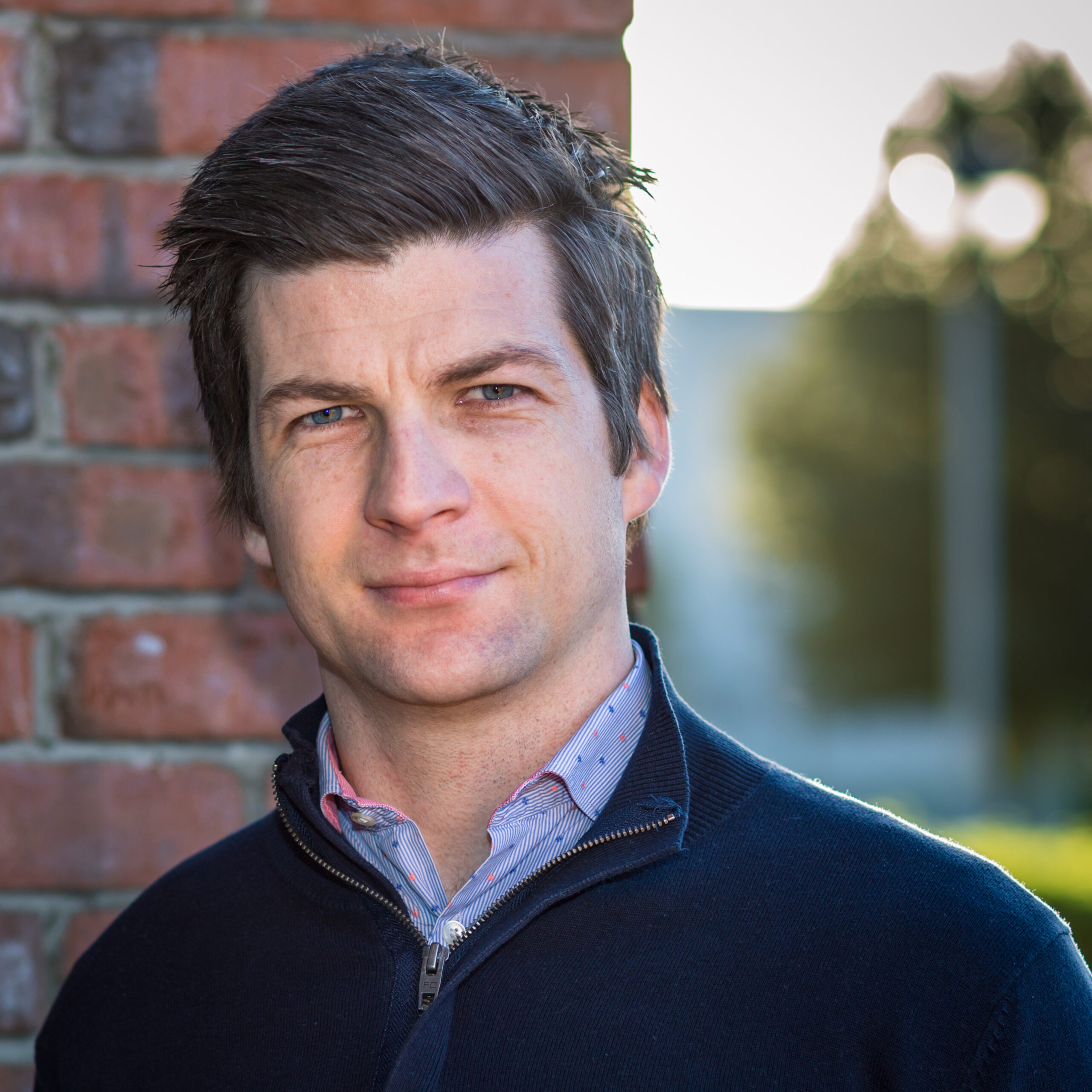
Professional Supplements for Wise Athletes (click to see the "always on" discount) Brendan Egan, PhD Associate Professor of Sport & Exercise Physiology at Dublin City University Associate Dean for Research (Faculty of Science & Health) Current research investigates skeletal muscle function and adaptation across the life course, with special interest in the synergy between nutrition and exercise interventions ranging from athletes to older adults. Nutrients investigated include caffeine, creatine, omega-3 fatty acids, resveratrol, leucine, protein hydrolysates, beetroot juice, and exogenous ketones. Outside of academia, through his sporting career as an Gaelic footballer, Brendan has had a lifelong association with sport, training and performance at all levels of competition from grassroots to elite level, and also practices in the field as a performance nutritionist with emphasis on intermittent field-based team sports, and endurance athletes, most recently with the Dublin Hurlers and the Irish Paratriathlon team. Find Brendan's work here: https://www.researchgate.net/profile/Brendan-Egan and contact info here: https://www.dcu.ie/researchsupport/research-profile?person_id=35443 https://sigmanutrition.com/episode591/ Discussion Points Personal Peak & Glide Path— peak as high and as late as possible, then hang on baby. “Use it or lose it”. It’s an old thing but now we lose faster and it’s harder to get back. Consistency is the name of the game now. Spikes in training load and intensity lead to injury which leads to inconsistent training. DO NOT GET INJURED! “I’m not what I was” — so true. I can't train like I used to because I can’t recover as quickly. (And don’t have as much time?)... and my body doesn’t respond to stimulus as well as it used to either...ergo, I'm not what I was. What to consider for improved recovery? Sleep, adequate protein, adequate carbohydrate fueling, hot/cold exposure, hydration, hypoxia exposure. Dr Egan likes a hot bath (me too). Testosterone falling? What else isn’t what it was? How important to get back to more youthful function of the body? Balancing calories surplus against calorie deficit. Keep fat and protein steady; ramp carbs to match activity (“fuel for the work required") Protein load: active older athletes probably don’t have anabolic resistance. May not need extra protein for age but probably do need extra for extra exercise. (1.5-1.6g/kg per day). It’s not a silver bullet of course. Collagen for tendons? It can t hurt. Get collagen into bloodstream right before (30 min?) workouts. Wallsits might help. Periodization of training. (3-5 weeks cycles). Keep it fun. Cover your bases. Build in time for recovery day to day as well as deep recovery every few weeks. Minimum effective dose?  What is the least attention I can put into an area of fitness to keep it alive.  Is there Inverted U shaped curve for fitness. More is better but too much is possible. Is that true? Too little time in other key elements of fitness? Performance vs. health and athletic longevity:  with time and recovery constraints, older athletes in particular have serious limitations.  If you put too much into one area of athleticism, you necessarily have to neglect others.  What don’t you care about losing? What is happening beyond Use It or Lose It? gradual loss of recovery / healing / muscle growth ability declining growth hormone / sex hormones (anabolic resistance?) declining melatonin (sleep quality?) poorer blood flow (lower NO, damage to blood vessels) gradual increase in metabolic dysfunction less autophagy/ mitophagy (senescence, aging blood factors, ROS, lower cellular energy) higher insulin resistance higher chronic inflammation (over active immune function, visceral fat, viral load) Related Episodes & Links: Episode 154 Adaptive Range Expansion for Peak Performance | Mike T Nelson PhD Episode 144 | Muscle for Athletic Performance | Mark Tarnopolsky MD PhD Episode 116 | Grow Old -- Get Fast -- Don't Die | Phil Cavelle Episode 115 | Winning Athletic Longevity | Rick Cohen MD & Daniel Tawfik, Healthspan Episode 102 | Maximizing Performance Health | Jim Lavalle R.Ph. Episode 71 | Framework for Durability | Dr Nick Dinubile Episode 65 | Optimizing Aging Muscle | Brendan Egan PhD Help the show: 3 ways to support our show:  Leave a review (or share this episode) Check out our Fullscript site to save big on high quality supplements. Thank you! Email us your questions at [email protected].

Professional Supplements for Wise Athletes (click to see the "always on" discount) Brendan Egan, PhD Associate Professor of Sport & Exercise Physiology at Dublin City University Associate Dean for Research (Faculty of Science & Health) Current research investigates skeletal muscle function and adaptation across the life course, with special interest in the synergy between nutrition and exercise interventions ranging from athletes to older adults. Nutrients investigated include caffeine, creatine, omega-3 fatty acids, resveratrol, leucine, protein hydrolysates, beetroot juice, and exogenous ketones. Outside of academia, through his sporting career as an Gaelic footballer, Brendan has had a lifelong association with sport, training and performance at all levels of competition from grassroots to elite level, and also practices in the field as a performance nutritionist with emphasis on intermittent field-based team sports, and endurance athletes, most recently with the Dublin Hurlers and the Irish Paratriathlon team. Find Brendan's work here: https://www.researchgate.net/profile/Brendan-Egan and contact info here: https://www.dcu.ie/researchsupport/research-profile?person_id=35443 https://sigmanutrition.com/episode591/ Discussion Points Personal Peak & Glide Path— peak as high and as late as possible, then hang on baby. “Use it or lose it”. It’s an old thing but now we lose faster and it’s harder to get back. Consistency is the name of the game now. Spikes in training load and intensity lead to injury which leads to inconsistent training. DO NOT GET INJURED! “I’m not what I was” — so true. I can't train like I used to because I can’t recover as quickly. (And don’t have as much time?)... and my body doesn’t respond to stimulus as well as it used to either...ergo, I'm not what I was. What to consider for improved recovery? Sleep, adequate protein, adequate carbohydrate fueling, hot/cold exposure, hydration, hypoxia exposure. Dr Egan likes a hot bath (me too). Testosterone falling? What else isn’t what it was? How important to get back to more youthful function of the body? Balancing calories surplus against calorie deficit. Keep fat and protein steady; ramp carbs to match activity (“fuel for the work required") Protein load: active older athletes probably don’t have anabolic resistance. May not need extra protein for age but probably do need extra for extra exercise. (1.5-1.6g/kg per day). It’s not a silver bullet of course. Collagen for tendons? It can t hurt. Get collagen into bloodstream right before (30 min?) workouts. Wallsits might help. Periodization of training. (3-5 weeks cycles). Keep it fun. Cover your bases. Build in time for recovery day to day as well as deep recovery every few weeks. Minimum effective dose?  What is the least attention I can put into an area of fitness to keep it alive.  Is there Inverted U shaped curve for fitness. More is better but too much is possible. Is that true? Too little time in other key elements of fitness? Performance vs. health and athletic longevity:  with time and recovery constraints, older athletes in particular have serious limitations.  If you put too much into one area of athleticism, you necessarily have to neglect others.  What don’t you care about losing? What is happening beyond Use It or Lose It? gradual loss of recovery / healing / muscle growth ability declining growth hormone / sex hormones (anabolic resistance?) declining melatonin (sleep quality?) poorer blood flow (lower NO, damage to blood vessels) gradual increase in metabolic dysfunction less autophagy/ mitophagy (senescence, aging blood factors, ROS, lower cellular energy) higher insulin resistance higher chronic inflammation (over active immune function, visceral fat, viral load) Related Episodes & Links: Episode 154 Adaptive Range Expansion for Peak Performance | Mike T Nelson PhD Ep

NOW PLAYING

#178 | Athletic Longevity isn’t Easy | Brendan Egan, PhD

0:00 1:08:41

No transcript for this episode yet

We transcribe on demand. Request one and we'll notify you when it's ready — usually under 10 minutes.

That Hoarder: Overcome Compulsive Hoarding That Hoarder Hoarding disorder is stigmatised and people who hoard feel vast amounts of shame. This podcast began life as an audio diary, an anonymous outlet for somebody with this weird condition. That Hoarder speaks about her experiences living with compulsive hoarding, she interviews therapists, academics, researchers, children of hoarders, professional organisers and influencers, and she shares insight and tips for others with the problem. Listened to by people who hoard as well as those who love them and those who work with them, Overcome Compulsive Hoarding with That Hoarder aims to shatter the stigma, share the truth and speak openly and honestly to improve lives. The Small Business Startup School – Business Notes | Financial Literacy | Retail Psychology – For Professionals & Entrepreneurs The Small Business Startup School Inc. Starting or buying a small business? While personal circumstances may vary, business patterns remain timeless. On The Small Business Startup School, we explore strategies, insights, and practical solutions to help entrepreneurs confidently navigate their journey.Hosted by Ola Williams—a retail entrepreneur, fintech founder, and financial coach with over two decades of experience—this podcast marries financial awareness and retail psychology with optimism to deliver actionable takeaways.Join us to learn, grow, and connect as we uncover the keys to business success.Let’s continue to learn together and be encouraged to keep on connecting! DIOSA. Carolina Sanper This podcast is a sacred space created by Carolina Sanper where you connect with your inner wisdom and embody your magnetic feminine power.It is the realization that the mystical realm is where you plant the seeds of your desired reality.It is a portal to your true essence: awareness, presence, and receiving with ease. Welcome home, DIOSA. 🖤 XXX Tech by SOVRYN Dr. Brian Sovryn The crossroads between technology, sensuality, and metaphysics - and the longest running anarchist podcast in the world! Brought to you by Dr. Brian Sovryn.

Frequently Asked Questions

How long is this episode of wise athletes podcast?

This episode is 1 hour and 8 minutes long.

When was this wise athletes podcast episode published?

This episode was published on February 15, 2026.

What is this episode about?

Professional Supplements for Wise Athletes (click to see the "always on" discount) Brendan Egan, PhD Associate Professor of Sport & Exercise Physiology at Dublin City University Associate Dean for Research (Faculty of Science &...

Can I download this wise athletes podcast episode?

Yes, you can download this episode by clicking the download button on the episode player, or subscribe to the podcast in your preferred podcast app for automatic downloads.
URL copied to clipboard!