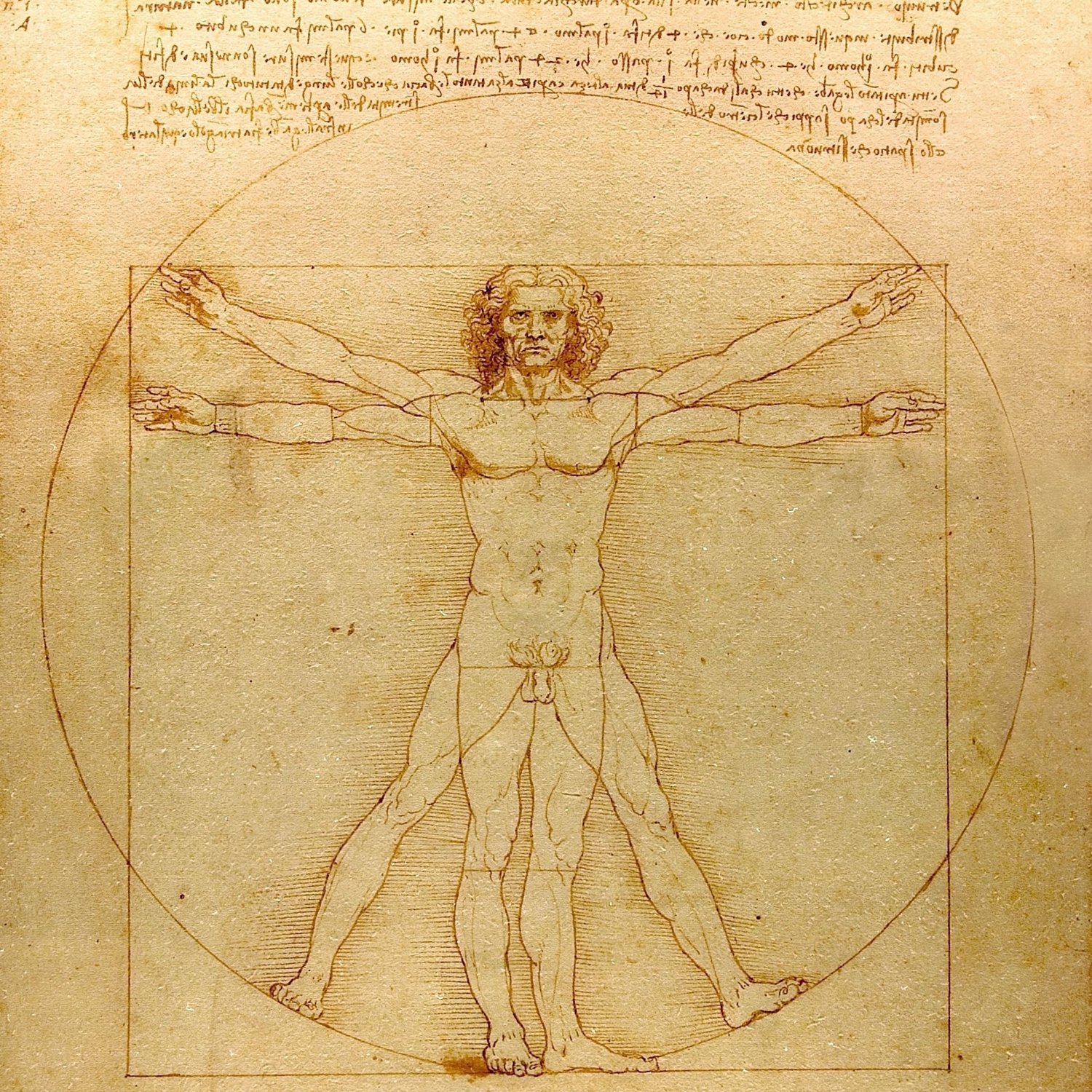
No wait that's Indiana Jones. Right? Ba ba ba ba ba ba ba ba ba ba ba ba ba Ba ba ba ba ba ba ba ba ba ba ba ba ba ba ba ba ba ba. Hello and welcome to classical stuff you should know.
A podcast about classical stuff you should know, could put on high rev'd people who know classical stuff you should know that you should know. Oh my word. e That's intro, that's intro. That's how we should do.
Anyway it is classical stuff you should know. and I am Graham Donaldson, one of your hosts, and I'm joined with Thomas Megbee, a factually known as bees, and AJ Hanenburg. That's me, a factually known as AJ. Okay, yeah, okay.
Or Bird sometime. You know what? This today is the New Year's podcast. Happy New Year!
2018! So, good morning, happy New Year's. Welcome to 2018. You're making yourself ready with us?
The year is so happy to see you. We're overjoyed that you're alive. I guess we usually drop these on a Tuesday. I don't know what day New Year's is.
No, this is dropping on New Year's Day. We hope you had a great time last night. We hope you sang. Oh, just kidding, that was last night.
This is Tuesday. Happy second day of the New Year. Hope it's been incredible. That first day was probably great.
Yeah, day two is going to be just as good as resolution. Stick with it. Yeah, resolution, somewhere without the classical thing. Maybe not.
Probably not. But thinking about what is ideal as a classical thing. Sure. And thank you guys.
This is why I'm here. And so today's topic is going to be AJ Hanenburg talking about, I think, the ideal type. Yeah, so this is kind of what we should have done at the beginning of this entire podcast, was talk about what classical education is and why we do it, and what makes it different than other types of education. We could do it together.
We said that for a few episodes now. But we were actually putting it together. We had yours, the last one. And then we have the Trivium and now the ideal type.
And so you're going to get kind of a good picture of what it is that we do and why we do it and why classical education matters, even for you as an adult or a teen. However old you are, why it matters continually in your life. So I was talking about education. It's one of the first things I do with my ninth grade classes.
And we try to ask ourselves, what is the point? Why are we here? Because ninth graders generally don't know. They have some sort of vague notion that they're there for college and for money, maybe, and jobs.
And maybe skills and also parents. And somehow homework works into the mix. It's all kind of a jumble. And so we spend the entire first day asking, what is the point?
Why do we do education? What is the essence and end goal? And we just wake up, get pushed into a van with their siblings. End up here.
And then they're kind of just looking around, like lost little puppies. Yeah. And when you're young, I mean, you have to go to school. They don't need to know why they're there.
They just need to do it. And honestly, they probably don't care why they're there. They're learning about sharks and numbers and colors. And it's fine.
But when they hit high school, they start asking these questions. And they have to know, otherwise, their motivation just goes right in the tank. So yeah, so I gave a definition that I think it's, you're going to have to remind me who said it originally. But education is teaching a student to love what they ought to love or what is worth loving.
Isn't that true? No, it's not true. Tullian, who is it? It's not true, Tullian.
Loving what they ought to love is air stall, right? Definitely one of those three. OK, well, it's a person and they're old. And I knew it when I said it in class.
Man, I'm crushing this. And one of my students says, and aptly asked the question, well, who decides what is it? Air stall. The end of education is what people like and just like, what do you ought to?
Can we just who said it or so? I don't remember. I'm sure it's not important. Does that make up for the hair horse confusion from?
Oh gosh, I hope so. Shavu. Shavu. All right, keep on.
So he asked who decides what is worth loving and what is good, right? And I said, and I probably gave him not a great answer. I said, well, I do. The administration does.
And there's a certain element of trust in it. Big brother. Yeah, and I couldn't stop thinking about his question. And the truth is, that's partially the right answer.
I do decide what is worth loving in class. The administration decides what is worth teaching to the students. They have decided what is good to teach students. And I think his point was that, why am I not the one deciding?
And the truth is, even in non-classical education, those decisions are still being made. They're just not, you know, they're claimed they're not making them, right? The decision is still what books are worth studying, that math is a thing worth knowing, that English is a thing worth mastering. Like, they're still making those decisions.
They just don't do it overtly, I guess. And we're going through a real interesting time and education. We don't need to talk about this, but just worth noting. We are some of those questions more fundamentally are being asked, like, why read books?
Like novels. And we're going to get there. So, yes, our administration is making those decisions. But they're not making these decisions lightly, and they're not doing it alone.
They're doing it based on what is called in a book by David V. Hicks, called Norm's Inobility, as the ideal type, right? They're basing it on something called the ideal type, which for centuries and centuries and centuries, man has understood that there is sort of an ideal way for man to live. And they haven't necessarily known exactly what it is.
And it's, you know, everyone has a little bit of a different definition, but they're all aiming towards the same thing. And they believe, more importantly, that it's out there, that there is a way for man to live that is good. And philosophy is primarily aimed at defining what that type is. It's not questioning whether it exists.
It's questioning on how is the best way to get there. And it's espoused in a few different places. And this is, I'm going to need your guys to help on this, because these ideas are really big. There's a lot of philosophy here.
And it's something I've thought, I should probably be doing this in like a five part lecture series. Some of the pieces we're going to get to later, one of them is C.S. Lewis's idea of the tau. And he talks about the tau in the second chapter of the abolition of man.
And it's the notion, and I'll do a whole episode on this later, so I don't want to go too far into it. It's the notion that there is a unchallengeable moral background to everything that we do. And yes, it can shift. And yes, there are disagreements about what exactly is most important there.
Like some virtues get overblown. I'd say in our age, it's the virtue of tolerance. In other ages, probably around World War II, it was the bravery and thrift. Those got blown way out over everything else.
Ancient Rome, it could have been honor and family's name. Yep, in Ancient Greece, it was glory right. One virtue gets blown over the others, off into its own detriment and their detriment. The virtue is run a little while.
But the tau says that it is still, even if it's overblown in various ages, it is still a virtue. It's sort of an objective, virtuous thing. Right, and we have a hard time. You cannot even challenge the tau without admitting that there is one, because the moment that you challenge it, you are admitting that truth is a good thing, and that knowing truth is better than knowing untruth.
And that is an unquestionable piece of the tau, right? That is the right thing. And yes, some people point to Sparta, where kids are taught to steal, right? Where stealing is taught and lauded as a virtue.
But that is the exception that proves the rule. Or it's being done in a way to take a different part of the tau. Yeah, so it's a virtue expressed in a different way. And it proves the rule because we simply cannot fathom a world where cowardice is not only allowed but encouraged universally in an entire people.
And if we find one people where they're like, we're all cowards, we try to stay out of everything, then it's remarkable because it is different than what everything else does. Everything else does, right? It's the exception that proves the rule. And the reason, often the case that, why they're doing that one thing, cowardice, is because they've really focused on another part of the tau that they find to be central to their understanding of what it means to you.
Which is sometimes survival. Or for the Spartans, it was military victory, right? Glory on the battlefield. And so that's the idea of the tau.
And you're saying we're going to do a full podcast on a tau at some point. Well, we may have just done it on accident. I'm hoping we do one on the three different chapters of Abolition of Man sometime in the future because each one is totally worth its own episode. But the idea of the tau that there is an unchallengeable assumption of moral virtue sort of undergirding human life is central to the idea of the ideal type.
Which is that a man can closely adhere to the tau and live a life that is flourishing and good and respectable. And a lot of ancient philosophy was aimed at how do we do this? What is the ideal man exactly? They assumed there was one, they assumed there was a good way to live.
And not only that, but they assumed that it could be taught to students. It could be learned and it could be emulated and repeated. And the way that that shakes down into classical education is that one of the things that we want to do as educators is to give our students a vision of this ideal type. And we as a school have, you know, we tie ourselves into Christianity.
And so our ideal type is classic Sunday school answer, Jesus, right? Someone that is good. And so we set this ideal before them and then ask, how can we achieve this ideal? And it's kind of accomplished in two different ways, classically.
This ideal type is taught. One is through mythos, myth, and example, right? It's to give a student a vision of what it looks like and have the student emulate it. And this was almost not accidentally in the ancient world.
A myth maker would see something he admired and then record that action. And then that action would get passed down as an example to emulate. And then as they would tell the story, the student would see himself in the shoes of the hero and he would be encouraged to put himself in the place of, in that story and live it out and try to emulate that virtue on his own. And that's what we do in English class, right?
We present before them a story and then we ask them to live truthfully in that moment to understand what is right and wrong in the situation. So you ask, you brought up Fryer Lawrence's last podcast and was it right for him to do that thing that he did? What you are doing is using mythos as an avenue into the ideal type, right? And there are a few different examples of these.
Like we still do it with superheroes, right? And like the ideal type exists whether we would like to admit it in the modern world or not because we have put before ourselves examples of bravery, goodness, and self-sacrifice and lauded them, even if we haven't overtly said we're doing it. Is it fair to say that the ideal type is synonymous with hero? I kind of feel like it's different.
It combines multiple things. It combines. I wouldn't necessarily say it's a hero. I would say it's someone that is willing to do heroic things if the moment calls for them, right?
So heroes, we also have war movies that espouse the bravery of one warrior or show that war is deplorable and we should avoid it, right? Both virtues in talking about human life and then even how much we talk about Abraham Lincoln, right? He's a good president. He's not a real man.
He's a good speaker. We still set before ourselves these types, even in modern life. We just might not call him by the exact same thing. And there is a great example of this in the ancient world, a pretty well-known speech from Pericles that he gave as a funeral oration when a bunch of Athenian soldiers had died and he got up and he began to speak.
And he said, I'm not going to over-praise these guys because people are in the audience who knew them and sometimes if you over-praise it's sort of sour as the moment. But if I under-praise it does the same thing. So instead I'm simply going to talk about the way that we live and what they died for. And it's a really arresting speech.
And part of it is he says, for we study taste with economy and philosophy without effemacy and employ wealth rather for opportunity of action than for boastfulness of talking. While poverty is nothing disgraceful for a man to confess, but not to escape it by exertion is more disgraceful. And then he goes on to talk about all of these other things. But he sort of outlines what the ideal type was for an Athenian.
Someone that was active in politics and understood what was happening. Someone that was ready for action. The very last sentence is especially good. For we have this characteristic also in a remarkable degree that we are at the same time most daring and most calculating in what we take in hand.
Whereas to other men it is ignorance that brings daring. While calculation brings fear. So they know what they're doing and yet they do it anyway. And so this is setting before someone a type to be emulated.
Right? Pericles had this idea of what it meant to be a good man living in culture and set it before his listeners. And we actually study that in history. And I have with some friends of mine thought at length about this particular thing and tried to apply it to our lives because even without questioning it we can recognize that some of those things are good.
And then so that's one side. We set before ourselves mythos literature examples. I have a question. Yeah.
So was there only one ideal type? Like what you just described was Pericles' f furaloration of the Athenians. I would think that the Spartans would look at that and say, I think that was silly. That's not the ideal type.
The ideal type is this kind of person. So that actually plays right into what I'm going to next. So yes and no. The idea was that there is one.
We just haven't found it yet. There is a good government that will completely satisfy all peoples. There is a right way for man to live in culture. And we have to work to try to get there.
Is the answer philosophy? No. Is the answer philosophy? Do you also do this in your English class?
So it's not just the history part of this world. But isn't the alien all about joining that mythos? Oh, absolutely. That's what I was trying to say.
Pericles we study in history. But my whole year is putting these examples in front of people of bravery and goodness and even examples of people doing it wrong. Achilles making mistakes involving anger and Odysseus making mistakes about valuing adventure over family. And it's not just showing them a hero but showing them how people sometimes screw it up.
But by showing them how they screw it up and the student recognizes it as a screw up. That means that they have some concept of what is the correct one. Yes, exactly. So it's actually sometimes we ask the kids to play doubles advocate and argue in support of something that is not very supportive of like treason or have them argue on the side of Odysseus staying away from home and abandoning his wife and kid.
So they have to think about this from the other side. And that's actually the other side of it. So on one side we give examples. And the teacher as he is involved, I'll go into in a second.
Because he is an example of this ideal type or at least should be. The teacher should be. On the other side we have dialectic evaluation. So we talk about what makes the ideal man because yeah, there's argument about it.
Spartans would think something different than Athenians. They all agree that it was out there but they would disagree on how to get there. And so we evaluate, okay, was this a good thing to do and what does it mean to get there? And this is where philosophy comes in.
It's aiming at that eventual ideal type but underlying that conversation is the knowledge that there is one way out there in the distance. And that's why we have the conversation to find out what that is and emulate it as closely as possible. And this is where Cicero comes in. So Cicero.
Cicero has like four books in front of them right now. I've got them all open to these remarks. So Cicero was writing a letter to his kid and he said, as his kid began his studies in school. And he said, my son, every part of philosophy is fruitful and rewarding, non-baron or desolate.
But the most luxuriantly fertile field of all is that of our moral obligations. Since if we clearly understand these we have mastered the rules for leading a good and consistent life. So he valued moral philosophy as a way to the good life, the ideal type. No doubt you're conscientiously attending and absorbing the lectures on this subject by my friend Kratapus.
Cough coffee. You better be going to school. Yeah, exactly. And he is our leading contemporary philosopher.
Nevertheless, I hope to make your ears ring with this kind of moralizing from every quarter. Indeed, if it were only possible, I should like them to hear nothing else. This is a plea from one of the greatest orators the world has known to his son to hear primarily moral philosophy. Something that you probably won't hear from parents sending their kids to schools, right?
Moral philosophy as an end is not even really on the radar. It's not that they disagree with it. It's just not there at all. I want you to be a doctor.
Yeah, exactly. It's not I want you to learn what makes a good man and then have that manifest in your life. And he goes on to discuss with his son and all these moral concepts like, is it okay for a good man who would do good for the world, the steel and loaf of bread? Is one bad act okay if it brings a lot of good?
And that's where the dialect it comes in. So it's the two sides of the same coin. So one is an example. One is an example.
And this involves the teacher. And the teacher should live out the example. The teacher is living embodiment of the example. The teacher should be the ideal type.
Yeah, it's a lot to ask of students. And if you're asking them to emulate the ideal type while not doing it yourself, it's hypocrisy. Well, this is kind of like what St. Paul says to the Corinthians or one of his letters where he says, all right, if you can't emulate Jesus, then start with emulating me.
And then like start with emulating me. And then as you get better, then you can emulate Jesus. I think I'm paraphrasing his idea. But there's a consistency because he's saying like, I want to.
I want to be like Christ. So I am trying to emulate this type. And if you need a living embodiment example, if you're not doing it like if you can't, if you can't see Jesus, well, you can see in touch and talk to me. So emulate me for now until you get better at it.
I kind of think about that in the way of teaching and with the students. Well, if you can't, you can't be a perfect student, try to be like me. Because I'm trying to be a perfect student. I want to and you may not want to.
You've shared a funny example before about in your literature class that instead of you asking the students to you want to tell it. Yeah, so our leadership class are doing hermeneutics. And so we asked the three questions. What does the Bible say?
What are the principles we can derive from this or what does the Bible mean? And then the last one should be some kind of application. And I've just been fine that I've been getting some like real weak sauce answers to application probably because they realize that as soon as they say it, it's an indictment on their own actions. So to make it a little bit more fun, I have changed the question to as opposed to application.
It's how can Donaldson be a better Christian? And that man has opened up a whole basket of like, that's like they are putting a load on my unworthy shoulders. You can quit being so ugly. Yeah, exactly.
Anyway, but that has been good because then I can say like, wow, this is an intense thing. And I can be honest with them and I can say I want to be this. What you guys are describing and what scripture is commanding. I want to be this because it'll be like, I think I want to be that way too.
Yeah, let's do this thing. And there's a danger to doing one over the other. If we only give examples, they can be too credulous. They can follow, they can fling themselves into bravery when bravery is not called for.
And if it is only dialectic in evaluation, you can chip and chip away and ask questions of something until there's nothing left. Yeah, describe what you mean by dialectic. So dialectic is it's the form that Plato wrote in. It's the form that Aristotle wrote in where one guy would ask questions and the other would respond to them.
The way that I'm thinking of it, we're using it is criticism, critical thinking. We ask questions of something and ask it to give answers to our questions. And so we ask, all right, is this good only in certain situations or the question that Cicero asked, right? Can a good man steal a loaf of red so he can continue going on doing good?
That's evaluation, right? Critical thinking. But if you do too much evaluation and ask it too many questions, well, you're going to and sorry, I lost my microphone there for a second. You're going to chip and chip and chip and chip away at whatever it is you're thinking about until there's nothing left.
It's a corrosive tool. It's a tool that carves away rather than adding to. So you can think about it like the examples and the teacher as presenting a block of marble and then the dialectic evaluation is carving it down to a statue. You can keep on carving and then you get nothing.
But you've got to have something to carve from. So that is the ideal type, the thing we have in our mind of what we're trying to carve. It's the end of the carving. So the statue is the end.
That's what we're trying to get to. An example would be here's a statue that kind of looks like it. Or here's an example, here's a statue that is. So the earlier would point to examples and say this is what that looks like, honestly would point to examples of what that looks like.
Yes, exactly. But none of them is perfect. Exactly. None of them is perfect.
And this is why I take beef with philosophy as the end of man. But it is. No, because philosophy is aimed. Spoken like a potter.
But philosophy is aimed at human flourishing, living the good life and doing good. If philosophy is our aim and David Hicks points this out, you can know the right thing to do and not do it. Our students can know the right things to say. They can know the moral things to do and they cannot do them.
And that is a faulty person. Right? Just like if your computer knew all the right commands to run. It just didn't do it.
Right? So that is one possible end of philosophy. You need the spirited soul. Yeah, the true end should be one that acts into the world.
We talked about leisure a couple of episodes ago. And Peeper does this funny thing. We joked before about how he doesn't define his terms at the very beginning, which is frustrating. He also adds words in at the end.
And so for the first three sections of the essay, he's just talking about leisure, leisure, leisure. And then in book four, he adds active to it. And then only calls it active leisure for book four and five, which is really frustrating because leisure is also not activity. So he changes his terms, doesn't define them.
But even he's getting at this thing of like, you must do something. There must be an activity that you do or some action that you take. Yeah. And I think in the Tripartite Soul podcast, we talked about how there's always, at least in the ancient world, there was sort of a low-grade cold war between what they thought was more important, the rational soul or the spirited soul, which, and then the claim is always that like the poets tended more towards the spirited and the philosophers tended towards the rational, tended more towards the rational.
And which one actually drove the chariot, so to speak? And I know that David Hicks talks about that little, that tension in norms and ability. That's something I'd never known. I think when we learn classics or the classical world, we tend to think that they are all speaking with this sort of one voice from the ancients.
But in reality, they had their own disagreements as to how these things worked. All we have are the people who wrote something down and it was kept over time. So there couldn't be people arguing the other side. We just don't have that for sure.
The only thing we may know about them is how they were characterized in a mind. And he points out that even while they're arguing, they're still different sides of the same coin. They're still agreeing that there's an idea of type. It's just different ways of expressing it.
So that's classical education, right? Trying to aim our students towards this ideal type. And the ideal man in our opinion is one who is educated, who knows how to use his words, who understands the world, who understands why things are happening. But that's kind of a big revelation for students to realize that I don't really care what job you get, so long as you are living well.
You are living a good life doing whatever it is you're doing. I don't care if you're making a lot of money. I care if you are being a good person. But how can you describe the concept of the ideal type to the student and not have them here?
Oh crap, they want me to be perfect. That's, I mean, again, the teacher has to live it out and say, we're not perfect, but that doesn't excuse us from emulation. And I never tell my students this. I never would say, here's where we're trying to get.
Let me outline for you, right? It's a step, right? It should be sort of an idea that they gradually accumulate through their years of education. And then only maybe near the end, you can ask the overall question, which is what is like, give me a full picture of the ideal life, and they should be able to respond to you.
So that's one side. And in contrast, we can talk about modern education, because I actually had this conversation with a friend of mine who had done some student teaching here at our school, and then we had a big conversation about the worldviews behind the way that we build our school and our hiring practices. And I pointed out that public schools are still working from a worldview. They are still making these decisions about what the ideal man is.
They're just doing it in a vacuum. So they're, they say that there's a lot of, they're bringing in all perspectives. All perspectives are welcome, but that's not true. There's some perspectives they wouldn't allow, right?
They wouldn't allow a white supremacist to speak, probably. They wouldn't let in a teacher who regularly teaches kids that pedophilia is the way to go, right? These are perspectives that are not allowed. So they still are making decisions about what the ideal man is.
And in their estimation, he is one who hears a lot of different opinions, and we simply narrow that down to fewer opinions. And they aim, and so aside from the question of morality, to separate themselves from this question, they aim for skills, right? Skill sets and how to most effectively teach students these skills. CS Lewis's criticism of that is that we can give the students all the skills in the world, but without a moral education, what we are making is clever devils, people who can convince people to do anything.
They can use their words cleverly to be awful on the internet in YouTube comments, right? Or build people out of money. If we only give them skills, but no morality, we are simply giving them the tools to do good or evil as they see fit. And it just gives them enough to get along.
And then if they use the skills, they get a job, and at the end of their life, what have I made of this? It's sort of a hitting the nice little mean there in the middle. And it also excuses the teacher from any greater culpability. I don't have to be a good person, because that's not what I'm teaching about anyway.
I'm just teaching math, right? Whether or not they emulate me, I could give a crap. So, I mean, darn. Oh, shoot.
Is that whatever? David Hicks even mentions that in Norm's Annability. He quotes Francis Bacon, who says, to give man knowledge, just to give him a sword. And then Hicks, commentary on that, he says, to teach man the devastating science of swordsmanship, and not the moral implications and responsibilities that come with wielding a sword, is to unloose upon the world both a murderer and a victim.
And he's making that comment about, if you can give a man all the skills in the world, but if you do not give him the reason as to what good or what these skills ought to be used for, you're not only making the world a worse place, because you've raised the capacity of somebody without direction, you're also doing a violence to the person that you're teaching, because you're giving them a skill without giving them a direction, and then they can go off and they can do violence to their own soul, and they can do violence to others, and it's almost like condemnation. Yeah, you also do damage to motivation, right? If you tell a kid that he is the ultimate authority on what justice good, and what makes a good man is, then why does he have to try for anything? How could a kid fail to live up to what he already is?
Or he takes it seriously, and the complete weight of anxiety hangs on them, because they need to come up with the entire model and the entire system themselves, and they can't because they don't have enough information, and they feel like they ought to. And I think this is a big driver of anxiety in our world, is that we've said, you need to invent the entire cosmos and how it works. And that is such a massive thing that the kids who are sensitive enough to feel the weight of that feel the anxiety that comes with that, and it's quite destructive. And a world swept of the common moral ideals is one that operates only on our base or instincts.
No wonder kids focus on whether or not they're funny, pretty, well-liked, how many Facebook followers they have. What other system can they evaluate themselves upon? The only way they can evaluate themselves is based on how much people like them, because they are creating their own morality instead of evaluating themselves and saying, yeah, maybe I feel at school sometimes, maybe I'm not that pretty, but I'm a good person. I do good things evaluated against this enduring ideal that has been here for centuries and centuries and centuries prior to Descartes, who was kind of the beginning of the turn.
So is the problem that a different ideal type has been put forward as the ideal or the loss of the ideal type? Yes and no. So there's the ideal type that has been put forward is one where you, it's a moral relativist one, where all morals are relative to where you grow up or what your specific place is, which is effectively saying morals do not exist. Right.
So this could be the notion that the niche in ideal type is only power, there is no truth. Yeah, yeah. Only power, you define your own morals. So yeah, I mean, he wasn't really a relativist, Nietzsche, he was a nihilist, so he actually had some worldview precepts to go with.
Moral relativism says, you know, it's all relative, there are some, but it's just no one is any better than the other. And so that sounds exhausting. Yes, it sounds exhausting. What that effectively means is that there isn't one and the students can make up what they want to make up.
So yes and no, there is an ideal type. It's one of tolerance, which effectively means more relativism built into the loss and complete chaos that follows moral relativism, which means no one knows what's right, no one knows what's going on. And that's kind of what creates a lot of our social confusion is because if every person is the authority on what is right and wrong, then you're just kind of guessing. And if you offend people, it's, you know, you've offended people and you kind of have to deal with that now.
So the best you can hope for is like a non violent coexistence, right? The best you can hope for is just abuse. Yeah, you guys not to, is this for these, all these different views of how the world works to kind of not butt up against each other. There's no cohesion, there's no sort of social fabric where we're all part of this of, like, the ideal type, I mean, this is an interesting question.
Can the ideal type ever be pursued outside of a community that agrees on the same thing, that agrees on the perception of the ideal type? I think you can, I think you pursue it. I was going to say, I'm looking at the cave debate as we've had. I was going to say that man, man cannot live without it.
Like we are tied to an idea of what makes a good person. And so even as the grand majority of our culture is about as moral relativism, we don't live it, right? We still say that equality, freedom, and tolerance are virtues that must be followed. And that simple claim saying that we must be tolerant and equal and free are moral presets, right?
By saying all things. Yeah, the big problem with moral relativism is that it's self-contradicting, right? So it cannot sustain itself. And that's the problem we're running into is saying that there are no morals while at the same time demanding that everyone follow a certain set of morals.
Sorry, my first question is what do we do? But I'm curious, do you still see this in your classroom that that moral relativism from the students? Yeah, I see it. The first question we, I would say we are community that is not, does not embrace moral relativism as a value, right?
We would say that there are certain things that are true, but has it even crept in too? Oh, I mean, we're a hospital, right? I mean, that's what a classical school, we are, and I know I can get a little too passionate about this. But in many ways, like a hospital is a great analogy, or this little outpost of doing something differently, plunked in a world that is rapidly moving away for like sort of completely coming, the wheels are falling off in terms of social cohesion, in terms of the idea of this sort of ideal type.
We're a dead horse in a brawn-up pond. Yes, I gross. I can hear it. We've just been too serious.
I've been, you know, I get really excited about something and then I forget that fun analogies are. So yeah, so in many ways, yes, students are coming in and come with a world view like half baked into their understanding because they're on the internet, they're on the world, their parents are on the internet, their parents are on the internet, they spend more time on the internet than they spend in school. And so, I mean, we do too. I know that as a teacher, I feel the fight, I feel the tension between like, there's just like a different, there's just like a different air on campus than there is in the world.
I mean, I haven't thought too much about it to be able to put it into more, a more coherent thought, but by doing school the way that we're doing, and by really coming down and making claims about what is man and what makes man happy and aligning ourselves with those claims that have come before us in Western civilization. One, that's not a popular thing in the modern world. And students are coming into it with this being their sort of first exposure to it. They're not, they haven't been living in a culture that sort of talks about this.
My wife and I, we lived in Amsterdam right after we got married and we went to this church, that was a church plant from a church in the US and they were, it was a pretty young church and they were reaching Dutch converts who had never experienced Christianity at all, but having lived in a country that was filled with churches, right? But churches that had been empty for about two generations. So they, so they were sort of going through this rediscovery of this thing that had been under their noses along and was, we're very excited about their own history. And I kind of feel like classical school is doing the same thing.
We as teachers are learning this, maybe our grandparents were closer to how like they were before the post-war progressive education really took hold. But we get lots of parents saying, man, I wish this was a school I went to when I was in high school and I know we feel that way that this was the kind of education that we wish we had. And so the students that we have coming in are kids who were raised by people who were raised by the last generation that had had a pre-progressive style of education. So it's many generations removed.
So yeah, there's a lot of it's a lot of re-discovering heritage that we had had for a long time. One area of study that I haven't done that I want to do is to go back and read the sort of proto-progressive educators and see like what were their beefs with the way classical education, the way education had gone that caused them to want to do the sort of progressive education that we have nowadays that a lot of people are finding so soul-sucking. Anyway, let's just yeah I run into the philosophy among students when I say I bring up some moral precept and like basic stuff like murder is bad and they're like well that's just like according to the Christian world, your opinion man, you're Christian. A lot of specific illusions in the podcast.
And I ask a student to tell me whether or not it's wrong to eat a baby in front of everyone else and they're like according to what my opinion and that's that's the freshman relativism that I've heard college educators talk about right when they get kids they have to one educator was like the first time the show of my class I asked them if I took a small human child and started eating them on this desk would you stop me and a lot of kids say no and they have to deal with that as a as basically an undergirding worldview before they can even move into the rest of philosophy and so I run into that in class all the time. So maybe so Graham's analogy of the hospital is really good for what you're talking about AJ. So then what do what do you do when they're in your hospital room of like you put the mythos in front of them but what if it doesn't take what if they read it in the go okay. Well I help them so there's a couple things I can do I help them shake out what the long-term effects of this are like if you can't tell me not to eat a child then why do we have a justice system because someone's telling someone not to do stuff right and you like the justice system would you be grumpy if I took your lunch and one day you may be part of it like if you want to be a lawyer if you want to be a judge like one day you may be a part of it or you might be sitting in judgment because you thought you were your own definition of what's right and wrong and I make them realize that even though they might say they believe in the relativism they don't live it right if I punch them and still they're lunch they would get grumpy about it whereas a more relativist couldn't get grumpy about it so that's one thing and the other thing is I just let them live like these things will the great thing about the ideal type is that it's enduring right it's lived for centuries and centuries and so when they get to 32 and they realize oh I've been seeking nothing but money or I've been doing these cruel things and now I see the consequences of that has brought in my life and they can think back to my class and see a different way to go about human life then that's when it kind of hits I mean I'm having those realizations now where you know the soul mist says he rejoices in God's laws and as a kid I was like doesn't make any sense I'm living hate rules and now as you know a guy in his 30s I'm like yeah I really wish I followed some of those and they're good for humans I'm trying to look up a quote right now it's from a free to write it but it was an introduction to the alien from the 1500s I don't know it says that experience is the teacher of fools and I don't but that is still how I'm taught like I'm sure I was taught all these moral precepts of how I should act but I did not actually learn they did not end well me until like I made a mistake and then I got the consequence from that and that's like oh that thing I could have learned before now I'm actually learning now yeah yeah I'm sure the students would be that way like we should have I mean we don't want like it makes me sad to think that the students have to leave and learn these things by experience surely there's a way that and this comes back to my question about about community like we only get students a certain amount of hours a week but if everything in their lives were ordered towards having them want to reach the ideal type it would probably would probably have an easier time changing affections to that which is good but the charge against that is that we would be creating snobs or that we would be creating aristocrats we would be creating people that think that they're better than people and that's that's a norms and nobility opens and this is what Catherine Ball front of the podcast teases me about a lot is that deep down I secretly want to reestablish some kind of aristocracy to the joke because it's a community of people that are that are actively together seeking the young to be more the ideal type but that's a different definition than I know aristocracy is money so how will I do with land and powder wigs and that kind of land and power and money and if you if you really intend to real establish a group of people who wants so everyone to live well I think that's a good end and that's why we teach our stuff like class education is the democratization of aristocracy I mean like that's one way to think about it is that we are trying to bring higher ideals of like cultivation and gentlemanliness and gallantry and these sort of things that we kind of maybe laugh at at being an older thing to as many people as possible that's why I really love about Veritas is because the model of what it is and the relative affordability now I know that it still costs money to send a child here but because of the university model we don't get into it but the relative affordability does mean that we tend to draw a more middle class than like a higher demographic of school and so that's why I love this idea of sort of the democratization of aristocracy which I know is gonna like people are gonna laugh at me for that well that's is not what we're doing right now yeah I mean a podcast is free yeah we're trying to bring this to people who can't afford it even if you can't attend Veritas you can still listen to our goofy podcasts and get at least a couple English teachers I still don't call it the aristocracy though yeah maybe in the original sense of it but I'm thinking like French Revolution like those aristocrats and we don't want those are like old and fat and like that's when aristocracy has has decayed okay good so like a very original meaning of whether it's maybe anyway I like Aristotle a lot so I want everyone to be like him so what is that aristocracy comes from Aristotle isn't that he's really really well hold on why tatamology.com please give us oh my goodness so I'm an Aristotelian aristocrat yeah that makes sense I hope this is true I hope this is true too we are seriously googling I know this does not make her a dramatic reading of a ninth grade essay which hopefully is another favorite thing from this episode is that Graham has been reading off of note cards with quotes from norms and nobility are those all from that is note cards from my commonplace book section entitled classical education so which is probably like 250 note cards can you do a pie-diet talk on the place books I don't know you've never asked me to do Friday talks night right so the etymology of aristocracy 1560s government by those who are the best citizens from what I mean middle French aristocracy modern French aristocracy from late Latin Esther Blah blah from Greek aristocratia government or rule of the best in aristocracy from aristos best of its mind no one's braver so all you greek scholars out there are just like touching and sipping your tea and okay I'm so sorry anyway all right Hanenburg so we have dialectic we've got examples and we have the so I guess I just wanted to give a picture for education not as an assembly line of people with skills that can do jobs right that's turning people into machines and not giving them any real knowledge of what to do with those skills or how to use those jobs to better the world they live in but to show that true education should be the whole forming of a man and the the preparation for that man to flourish in the world as it is but if you are giving them a dialectic so an ability to chip away and ask good questions and the best questions are the ones where they go I don't know um and you're also giving them the opportunity you're putting in front of them examples that show some things but not the thing fully is not education then installing in the heart of the mind of the child like this sort of tension or this struggle because they're always going to be questioning and chipping away they're always going to be looking at examples that don't really satisfy and it's going to be like if there's going to be the sort of internal struggle as opposed to education is supposed to be leisurely and restful and like the contemplative life was supposed to be one that was we got to have something to think about suppose yeah so it's like so in section two of the leisure essay we talked about this before that there's this association of difficulty with I think being good so like because it is hard is a good thing that's not necessarily true but but and people talk about this the hard work that you put in is the prerequisite to have the joy at the very end gotcha so to experience that leisure to be able to experience contemplation deeply you must put in the work ahead of that um I wish I had the quent for me but Moby Dick also talks about um how um we must have a variety of human experiences we must have joy and sorrow together and by doing so um our range of emotions will be higher and wider than someone who doesn't experience broadly um he's justifying sorrow in that section but talking about how if we don't have sorrow we will have um less better, less good um a less developed soul yeah less developed soul that's good it's all is actually connected cool but hard work is necessary but it's not the hard work that is good in and of itself it's whether what's on the other side of that hard work is worthwhile and and if we're gonna bring it back to Christianity you know Jesus says his burden is light and that's but it's still a burden but still it's still a burden right figuring out how the man is supposed to live in this world right the bible is written Christianity is for the simple man it's for the common person we we endeavor almost to make it complicated but he calls us to do very simple things be kind to be gracious be gentle and questioning how that works out in the world is always a worthwhile exercise but it is still basic concepts I guess and ones that bring you more joy as you do them good thanks Hanbert this is really good it's important for more subjects I guess from norms and ability but even more in kind what this ideal type is yeah it's kind of a good foundation for building on other stuff and I'm really excited to do abolition of man at some point well I think this podcast was a great example of the ideal type not perfect well one one's obviously as obviously not a perfect example but you can hold this up as something that we can now pick apart with our dialectic that's good thank you for listening to this podcast if you have any questions concerns thoughts additions attractions corrections um clever anecdotes hilarious jokes um please email us at classical stuff fan art fan art please email us at classical stuff at bb.com academy.net gentlemen I'm trying to read email address oh sorry um I check out our website at classical stuff.net and please like us on iTunes so that other people can listen to us and we thank you for your patronage patron it's not even I mean thanks for listening we are getting nothing from this I'm getting away to spend a Saturday so yeah uh did you just not my keyboard like you want to be started off we haven't even said how about it what do you clap the magic of radio and we're gonna stop there see you next time