
EPISODE · Apr 19, 2024 · 9 MIN
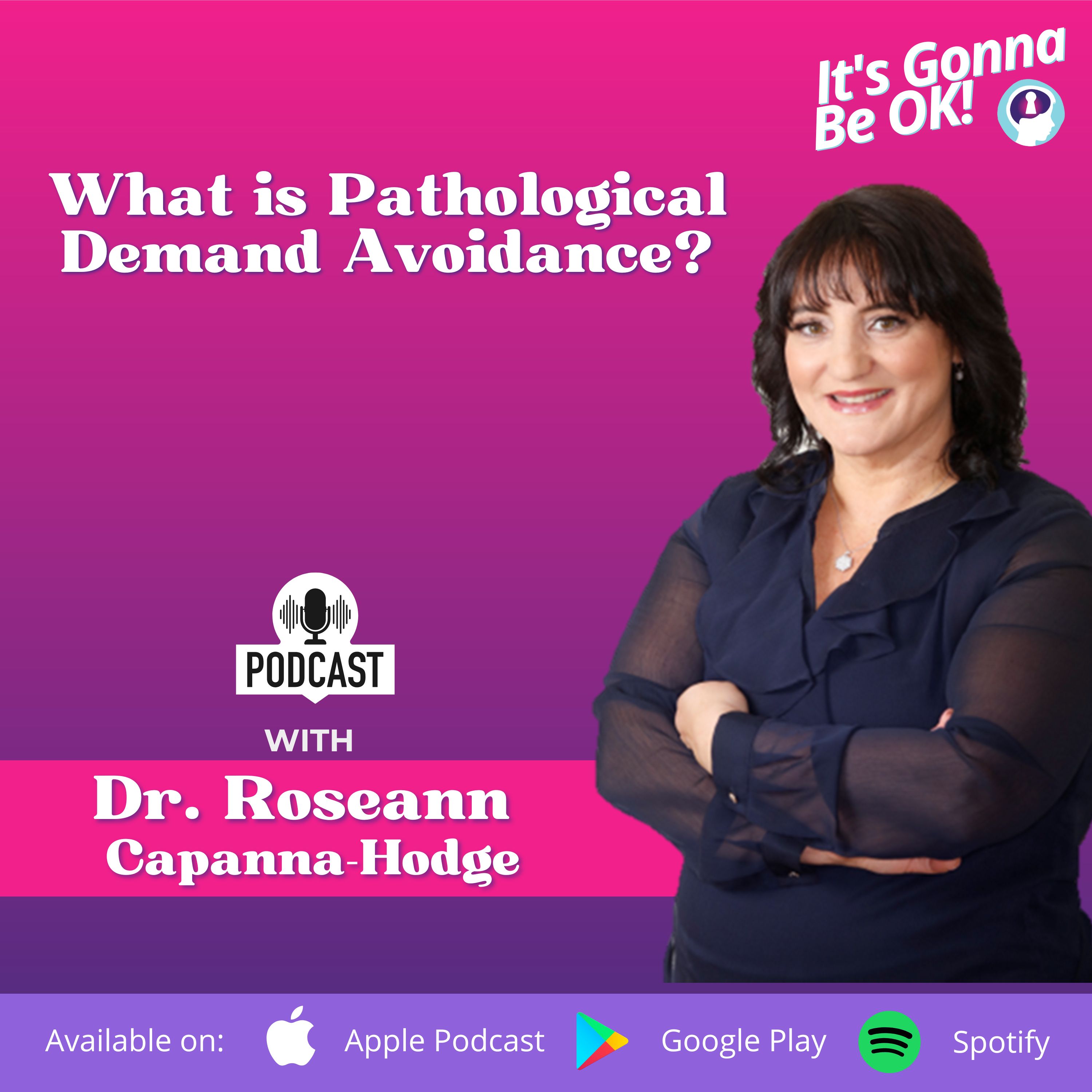
What is Pathological Demand Avoidance? | Emotional Dysregulation in Children | 183
from Dysregulated Kids: Science-Backed Parenting Help for Behavior, Anxiety, ADHD and More
What is Pathological Demand Avoidance (PDA) in ChildrenWhen your child avoids everyday tasks, resists demands, or has extreme emotional reactions, it can feel overwhelming. You’re not alone. Pathological Demand Avoidance (PDA) is often misunderstood, and parents may struggle to understand why their child behaves this way. In this episode, Dr. Roseann explains what is pathological demand avoidance, how it differs from typical autism, and how emotional regulation strategies help.PDA and its relationship to autismPathological Demand Avoidance (PDA) is often associated with Autism Spectrum Disorder (ASD), but it presents distinct challenges. Children with PDA resist everyday demands intensely, sometimes even when rewards are offered. Unlike general autism, the emotional intensity in PDA is linked to perceived loss of control, not just social or sensory difficulties.Parents often notice:Extreme resistance to routinesImaginative scenarios used to avoid tasksSocial avoidance that may appear strategicTraditional interventions like ABA may have limited effectiveness for PDA, emphasizing the need for tailored strategies.Emotional dysregulation in children with PDAChildren with PDA often have heightened emotional outbursts. Anxiety drives the need for control, which may lead to intense reactions in social, academic, and daily settings. Emotional intensity can overwhelm families and make routines difficult to manage.Supports include:Calming routines to regulate the nervous systemTools like PEMFStructured coping strategies to reduce reactivityThese interventions help improve Nervous System Regulation in Children, making daily life more manageable for both children and parents.Parenting a dysregulated child with PDAParenting a child with PDA requires understanding, patience, and clear strategies. Key tips:Recognize that avoidance and outbursts are not willful defianceFocus on reducing anxiety before correcting behaviorModel calm and reinforce small steps toward complianceBuild predictable routines and provide gentle guidanceWhen parents regulate their own nervous system, children can learn to co-regulate, helping mitigate extreme reactions.Take the Next StepSign up and Get your FREE Regulation Rescue Kit:👉 www.drroseann.com/newsletterTakeawayPathological Demand Avoidance (PDA) is a complex condition that affects behavior, learning, and family life. With Emotional Dysregulation in Children addressed, consistent co-regulation, and targeted nervous system strategies, children can feel safer, more flexible, and better able to navigate daily demands.FAQsQ1: How does PDA differ from autism?PDA includes intense demand avoidance driven by perceived loss of control, which differs from typical ASD social or sensory challenges.Q2: Can emotional dysregulation be managed at home?Yes. Structured routines, calm modeling, and co-regulation strategies improve Nervous System Regulation in Children.Q3: How can parents support a dysregulated child?Focus on calm, predictable guidance, consistent routines, and small achievable steps to reduce stress and improve cooperation.Dr. Roseann Capanna-Hodge helps parents understand Emotional Dysregulation in Children and teaches practical Nervous System Regulation in Children and Co-Regulation Techniques through her Regulation First Parenting™ approach.
Embed this episode
NOW PLAYING
What is Pathological Demand Avoidance? | Emotional Dysregulation in Children | 183
No transcript for this episode yet
Similar Episodes
No similar episodes found.
Similar Podcasts
No similar podcasts found.