
EPISODE · Apr 22, 2024 · 11 MIN
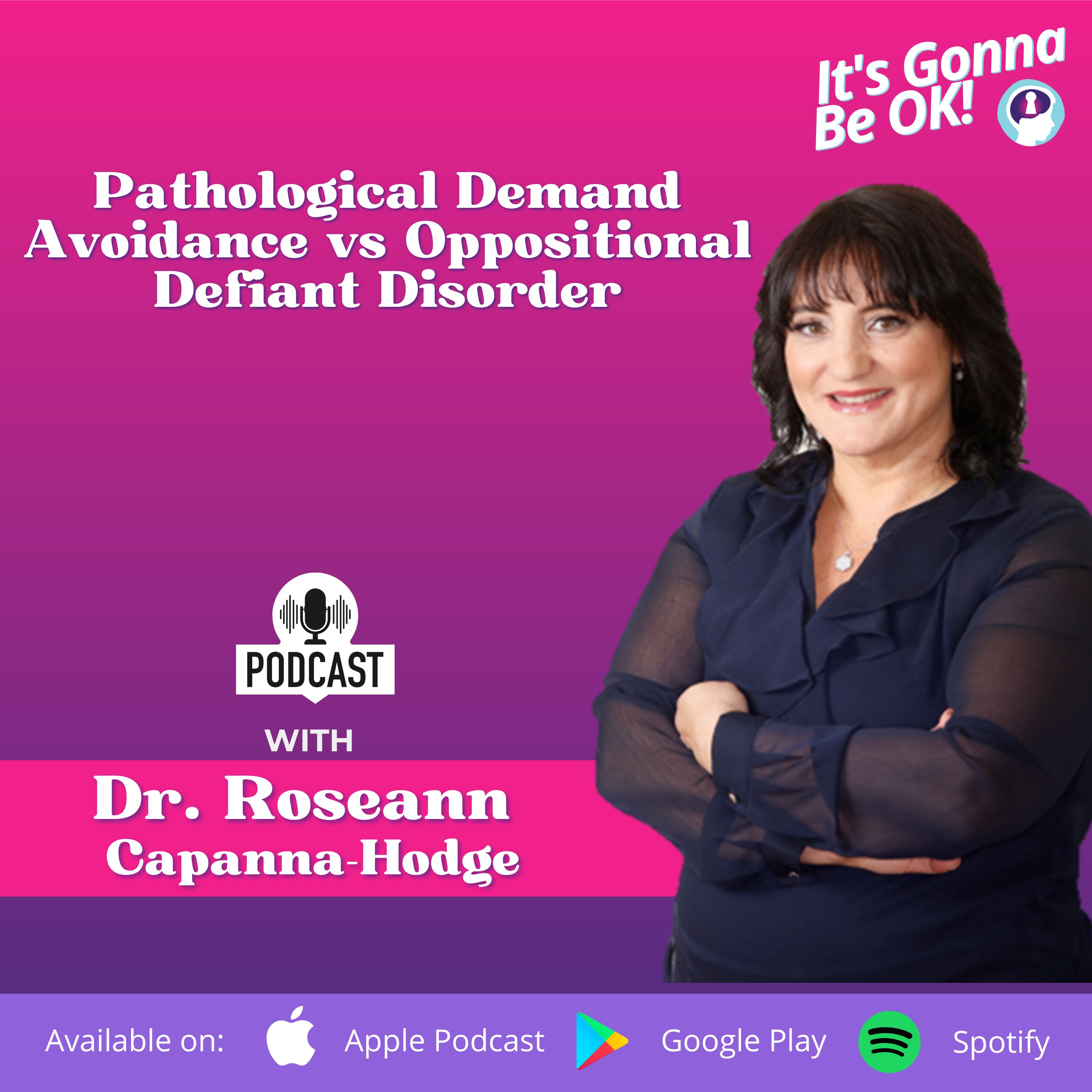
Pathological Demand Avoidance vs. Oppositional Defiant Disorder | Emotional Dysregulation in Children | 184
from Dysregulated Kids: Science-Backed Parenting Help for Behavior, Anxiety, ADHD and More
If your child resists every request or melts down over small demands, it’s not bad parenting, it’s a dysregulated child. Understanding the difference between Pathological Demand Avoidance (PDA) vs. Oppositional Defiant Disorder (ODD) is essential for calm, connected parenting. In this episode, Dr. Roseann explains the distinctions, why behaviors occur, and practical strategies to support Nervous System Regulation in Children.How PDA differs from ODDODD is reactive defiance toward authority, with anger, arguing, and non-compliance. PDA is anxiety-driven avoidance; demands feel like threats to autonomy.Key differences:ODD = anger or control battles, often linked to ADHD, trauma, or chronic stressPDA = avoidance rooted in anxiety and a need for controlODD kids may argue or explode, PDA kids may shut down, distract, or negotiateWhen you see defiance, ask: Is this fear or control?Why demands trigger meltdownsDemands overwhelm a dysregulated nervous system.Strategies:Regulate → Connect → Correct™Provide small, low-pressure choicesUse visual cues or timersSpeak softly and keep instructions simpleParent story: A child refused to turn off the tablet. Co-regulation with a timer and calm guidance allowed cooperation without escalation.Parenting approaches that workBoth ODD and PDA respond best to autonomy-supportive parenting—firm boundaries with empathy.Effective strategies:Structure that feels safe, not rigidChoices within limits to build autonomyCo-regulation: calm modeling from parentsCelebrate micro-successes instead of focusing on complianceProfessional supportLook for providers who understand dysregulation, not just surface behaviors.Supports include:Brain-based interventions: CALM PEMF®Parent coaching in Regulation First Parenting™Calm, consistent adult modeling to reinforce regulationParent storyWhen a child screamed “No!” at turning off the tablet:Regulate: deep breath from parentConnect: offer choice with a timerCorrect: guide the task once calmFAQsQ1: Is PDA part of autism? PDA can co-occur with autism but is defined by anxiety-driven demand avoidance and is not exclusive to autism.Q2: Can a child have both PDA and ODD? Yes. Focus on regulation, emotional safety, and tailored strategies rather than labels.Q3: Why do consequences make things worse? Punishment escalates stress. Calm connection reduces defensiveness and allows learning.Dr. Roseann Capanna-Hodge helps parents understand Emotional Dysregulation in Children and teaches practical Nervous System Regulation in Children and Co-Regulation Techniques through Regulation First Parenting™.
Embed this episode
NOW PLAYING
Pathological Demand Avoidance vs. Oppositional Defiant Disorder | Emotional Dysregulation in Children | 184
No transcript for this episode yet
Similar Episodes
No similar episodes found.
Similar Podcasts
No similar podcasts found.