#185 History of Data-centrical Applications (revisited) episode artwork

EPISODE · Feb 8, 2024 · 32 MIN

#185 History of Data-centrical Applications (revisited)

from Embracing Digital Transformation · host Dr. Darren Pulsipher

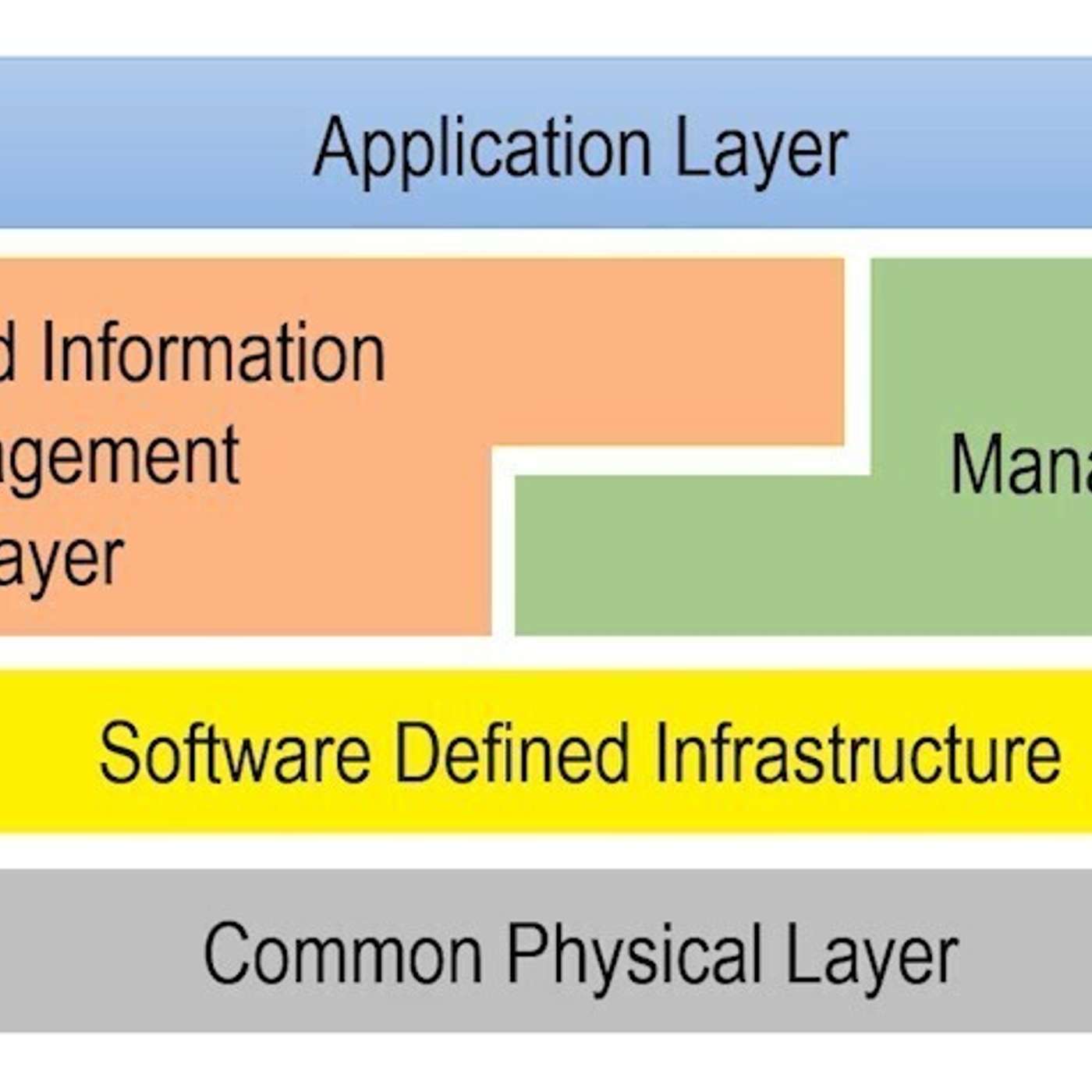
Check out my new book AI Augmented Teams on Amazon or on my website paidar.ai/books.The first episode of this podcast was released 185 episodes ago. In this episode, the host Darren Pulsipher redoes episode one to provide updated information on the history of data-centric application development. He discusses how new technologies like edge computing and AI have impacted data generation and the need for better data management. Early Data Processing In the early days of computing, applications were built to transform data from one form into another valuable output. Early computers like the ENIAC and Turing's machine for breaking the Enigma code worked by taking in data, processing it via an application, and outputting it to storage. Over time, technology advanced from specialized hardware to more generalized systems with CPUs and networking capabilities. This allowed data sharing between systems, enabling new applications. Emergence of VirtualizationIn the 1990s and 2000s, virtualization technology allowed entire systems to be encapsulated into virtual machines. This decoupled the application from the hardware, increasing portability. With the rise of Linux, virtual machines could now run on commodity x86 processors, lowering costs and barriers to entry. Virtualization increased ease of use but introduced new security and performance concerns. The Rise of Cloud Computing Cloud computing is built on virtualization, providing easy, on-demand access to computing resources over the internet. This allowed organizations to reduce capital expenditures and operational costs. However, moving to the cloud meant security, performance, and integration challenges. Cloud's pay-as-you-go model enabled new use cases and made consuming technology resources easier overall. Containerization and New ComplexityContainerization further abstracted applications from infrastructure by packaging apps with their runtimes, configuration, and dependencies—this increased portability and complexity in managing distributed applications and data across environments. Locality of data became a key concern, contradicting assumptions that data is available anywhere. This evolution resulted in significant new security implications. Refocusing on Data To address these challenges, new architectures like data meshes and distributed information management focus on data locality, governance, lifecycle management, and orchestration. Data must be contextualized across applications, infrastructure, and users to deliver business value securely. Technologies like AI are driving data growth exponentially across edge environments. More robust data management capabilities are critical to overcoming complexity and risk. Security Concerns with Data DistributionThe distribution of data and applications across edge environments has massively increased the attack surface. Principles of zero trust are being applied to improve security, with a focus on identity and access controls as well as detection, encryption, and hardware roots of faith.  The Edgemere ArchitectureThe Edgemere architecture provides a model for implementing security across modern complex technology stacks spanning hardware, virtualization, cloud, data, and apps. Applying zero trust principles holistically across these layers is critical for managing risk. Robust cybersecurity capabilities like encryption and access controls are essential for delivering business value from data in the new era of highly distributed and interconnected systems.

Check out my new book AI Augmented Teams on Amazon or on my website paidar.ai/books.The first episode of this podcast was released 185 episodes ago. In this episode, the host Darren Pulsipher redoes episode one to provide updated information on the history of data-centric application development. He discusses how new technologies like edge computing and AI have impacted data generation and the need for better data management. Early Data Processing In the early days of computing, applications were built to transform data from one form into another valuable output. Early computers like the ENIAC and Turing's machine for breaking the Enigma code worked by taking in data, processing it via an application, and outputting it to storage. Over time, technology advanced from specialized hardware to more generalized systems with CPUs and networking capabilities. This allowed data sharing between systems, enabling new applications. Emergence of VirtualizationIn the 1990s and 2000s, virtualization technology allowed entire systems to be encapsulated into virtual machines. This decoupled the application from the hardware, increasing portability. With the rise of Linux, virtual machines could now run on commodity x86 processors, lowering costs and barriers to entry. Virtualization increased ease of use but introduced new security and performance concerns. The Rise of Cloud Computing Cloud computing is built on virtualization, providing easy, on-demand access to computing resources over the internet. This allowed organizations to reduce capital expenditures and operational costs. However, moving to the cloud meant security, performance, and integration challenges. Cloud's pay-as-you-go model enabled new use cases and made consuming technology resources easier overall. Containerization and New ComplexityContainerization further abstracted applications from infrastructure by packaging apps with their runtimes, configuration, and dependencies—this increased portability and complexity in managing distributed applications and data across environments. Locality of data became a key concern, contradicting assumptions that data is available anywhere. This evolution resulted in significant new security implications. Refocusing on Data To address these challenges, new architectures like data meshes and distributed information management focus on data locality, governance, lifecycle management, and orchestration. Data must be contextualized across applications, infrastructure, and users to deliver business value securely. Technologies like AI are driving data growth exponentially across edge environments. More robust data management capabilities are critical to overcoming complexity and risk. Security Concerns with Data DistributionThe distribution of data and applications across edge environments has massively increased the attack surface. Principles of zero trust are being applied to improve security, with a focus on identity and access controls as well as detection, encryption, and hardware roots of faith.  The Edgemere ArchitectureThe Edgemere architecture provides a model for implementing security across modern complex technology stacks spanning hardware, virtualization, cloud, data, and apps. Applying zero trust principles holistically across these layers is critical for managing risk. Robust cybersecurity capabilities like encryption and access controls are essential for delivering business value from data in the new era of highly distributed and interconnected systems.

NOW PLAYING

#185 History of Data-centrical Applications (revisited)

0:00 32:38

No transcript for this episode yet

We transcribe on demand. Request one and we'll notify you when it's ready — usually under 10 minutes.

Solving for Change MOBIA Technology Innovations Solving for Change welcomes business and technology leaders to share stories of bold business transformation within complex organizations. In an era when technology and markets are changing around businesses, the key to staying competitive is to evolve in response to those changes.  MOBIA’s Mike Reeves and Marc LeBlanc investigate business transformation, deconstructing the challenges, ambitions, and market disruptions that drive companies to embark on transformation journeys, and exploring their unique approaches to achieving meaningful outcomes.  What sparks leaders to pursue business transformation? How do they overcome the challenges along the way? What are the keys to creating enduring change?  Through in-depth conversations with business and technology leaders, Mike and Marc answer these questions and explore how businesses evolve by pulling four key transformation levers: people, process, technology, and culture. Darknet Discussions Darknet Discussions Welcome to "Darknet Discussions," the podcast that gets into the shadows of the internet to bring you the most intriguing, enlightening, and sometimes unsettling stories from the dark web. Hosted by seasoned darknet aficionados, each episode of "Darknet Discussions" explores the intricate dynamics of darknet markets, cybersecurity threats, and the digital underworld. Join us as we interview experts, discuss the latest trends in cybercrime, and shed light on the technologies that operate beneath the surface of everyday internet use. Also, we occasionally go off on a tangent about something completely unrelated. The Digital Experience Show by Enonic Enonic All you need to know about digital strategy, digital experiences, and CMS are covered in this podcast. Powered by NotebookLM. Tips, News and Stories for Older Adults Esther C Kane CAPS, C.D.S. "Tips, News, and Stories for Older Adults" delivers weekly insights tailored for seniors. We bring you summaries of curated news, practical advice, and inspiring stories that matter to the 55+ community. From health and finance to technology and lifestyle, our content keeps you informed and engaged. Sourced from trusted outlets, each episode offers valuable information for navigating your golden years. Join us as we explore aging with positivity, wisdom, and engaging stories. Your perfect companion for staying active, learning, and embracing life's later chapters.

Frequently Asked Questions

How long is this episode of Embracing Digital Transformation?

This episode is 32 minutes long.

When was this Embracing Digital Transformation episode published?

This episode was published on February 8, 2024.

What is this episode about?

Check out my new book AI Augmented Teams on Amazon or on my website paidar.ai/books.The first episode of this podcast was released 185 episodes ago. In this episode, the host Darren Pulsipher redoes episode one to provide updated information on the...

Can I download this Embracing Digital Transformation episode?

Yes, you can download this episode by clicking the download button on the episode player, or subscribe to the podcast in your preferred podcast app for automatic downloads.
URL copied to clipboard!