Hi, welcome to classical stuff. You should know a podcast about classical education old books art music We have a thing about doors. We've done for a while And I think that that's now are kind of like well because I'm also thinking of a door episode Yeah, super glad that my episode is only using example of the dumb stuff. No, no stuff.
No here. Thanks guys. Appreciate it It's like it's like you found a you did two for the record. You did two doors.
I admit it wasn't my best work I like opened up a whole wing of the podcast Door we didn't know existed we walked through those doors. My name is Graham Donaldson And I'm here with AJ the doors Hanenburg all the one of those doors is literally fused shut the other one It just is shut sorry and with Thomas maybe does this sound like very ineffective doors. That's a bad one That's a few shutters the door to hell so I feel Thanks, and today we are talking about commonplace books. I think kind of Thomas.
Do you have a common place book? It doesn't matter nothing matters actually So the yeah, I have one you can listen to our old episode on common place books to hear more about it mine is Naughty book so much as a collection of note cards. Do you see have you kept up with it? No?
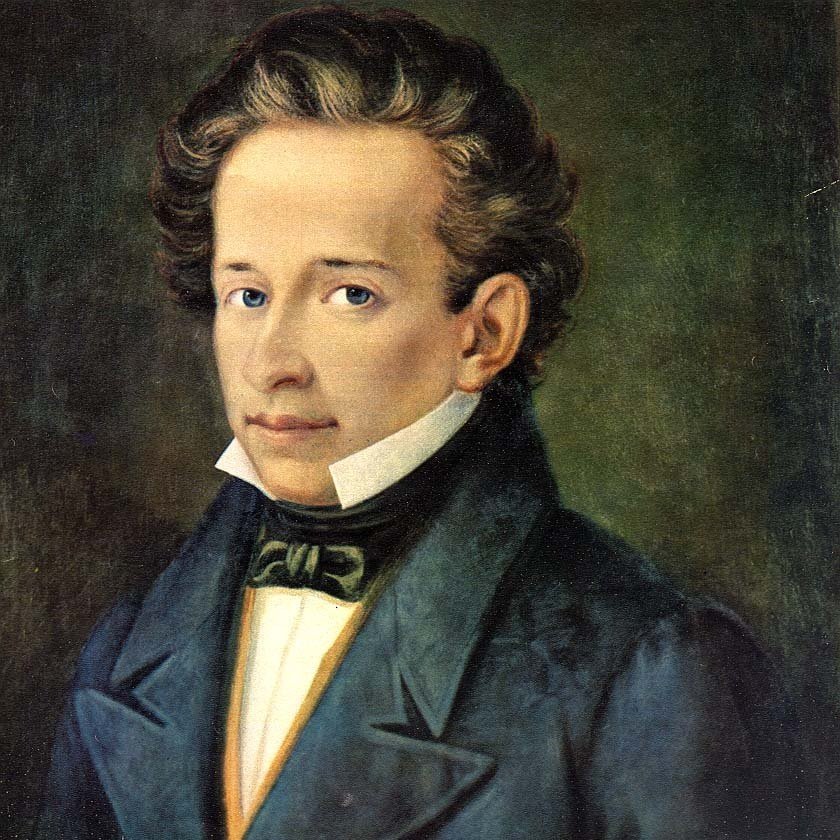
I kind of have two systems going right now So I have the one where things that like I actually really want to go in there And it's just not updated as regularly That's the note cards my much more frequently updated one I think this is how AJ does is I have an Apple note where I just copy things into you guys are way more way better at keeping your Complex books updated than I am. I know AJ's every note is pretty is pretty deep It's great. I love it and I do the note card system And I don't even think I've updated since we did that episode so the thing that my Apple note is updated whenever I read something that I Can copy and paste directly in there and then you know no one should buy one of these because there's totally unnecessary But I have an overhead scanner cool that I can scan in so like when I like YouTube can see this and YouTube Sitting here YouTube and YouTube Wow that I put flags in my books as I read them And then I can scan them in my flags are like in the book It's like I get a PDF at the end with all my flags in it So that's how I collect a lot of that stuff that makes it a lot easier It scans into like an edible PDF and then I can just copy it into my notes you writing your books No, no, I would never do that That's what I do all my books end up becoming a common place book cuz I write in all of them Yeah, and so I can if I flip through it then I sort of that's how I teach out of my books And that's how I do it so it's almost like my books are complex books But I really need to like get that into no cards and yeah, some place you can access it all of it Other than carrying them exactly around. Yeah, I know that I've talked before about out Graham You can like flip through your books and know where things are and I never can do that Yeah, maybe it's because you're writing in it I think so okay So the actual topic of our discussion today is closer to a joke about nothing meaning anything We were talking about a fellow named Giacomo Leoparty.
So that's a cool name just for the record Can I read this full name? I'm gonna butcher it, but this is full name count. So first off count Giacomo that wasn't me commanding you to count. That's he was that's like his title one.
Yeah, one. Yeah, one. Giacomo Count Giacomo tall de Gardo Francesco di Salis saw very O Pietro Leoparty I butchered every one of those um just can't throw us out there. Yeah as a question.
Yep Italian How could you tell? This is not a quiz show We're this is the first time we've recorded in about a month, so we're all kind of getting back in the swing of things So Leoparty the late party is not exactly what I would call a household name at least in like English-speaking land Which is the land-dyne habit, so is this a name that you all have heard of before this? Yep, early in the podcast. Ah, that's point So got out my game if you if I were to ask you all who the most famous Italian poet is this is your next question most famous Italian poet The answer is obviously Dante Virgil.
No Dante is the correct answer So thank you Virgil Roman, but that's not what I really you had to write an Italian to be Italian I don't he's writing a latin. Yeah, not Italian. Yeah, but most of the people are in Virgil So I'm writing it's like all romantic languages post Virgil will claim Virgil are you saying like by nationality or by language? I have to go with the answer is both because Graham's answer is correct Green to get another point for not finding me on the answer a three grams three AJ's one Okay, so the most famous Italian poet is obviously Dante if I were to ask you the second most famous Italian poet who would that be?
Patrick Oh, that's wrong. What's wrong? Also wrong are you kidding? He's in Dante.
Okay, so my answer is you come only a party. Okay, so And like this you know if you were to Google famous Italian poets He's Dante's the first name in late parties the second one do it right now because it's literally the right answer AJ. Don't fight me Okay, I'm trying to tell him. I don't think so.
I don't know. I don't know nothing. Okay, so La Party is a poet you just google it a drink. What do you say?
Tell me what you say? I'm just curious Italian poetry. I'm looking. Okay.
I feel like you've picked a specific link. That's going anywhere. I'm working on it. Great.
Okay, so La Party is a poet. He also He started light well, I'll go into biography in a second, but he's most known for his poetry He also has like a worldview and philosophy that's backing up that poetry that will dive into as well Graham's reference to me reading from his commonplace book is that if you want to read the works of La Party There are essentially two books that you need. I say books. They're tombs.
It's probably more accurate. They're giant So all of La Party's poems I say that they're only like 50 of them But it's all of his poems plus some other like commentary and stuff But all of his poems are collected into work called the Contee I don't just mean songs So there's the Conte by La Party if you want all of his poetry and if you want his writings on everything else It's called the Zebo Donate There's no reason you should know this Zebo Donate in Italian means hodgepodge So it's his hodgepodge of thoughts that he's the way It's formatted is literally as his journal So there's there are dates on many of the different pages and it tells you It's just a chronological order of these are the things he wrote in his journal Going from whenever he started until about five years before he died Unfortunately, it doesn't go right up to his death, which would have been cool The Zebo Donate is also like 2000 pages of actual material plus 500 pages of commentary It's a giant book. Don't read this book. Do read this book.
It's great, but don't read this book It's a translation of his original 4500 page plus journal and then put in really really tiny font And then it's marked in the page It tells you what the original page number is if you're going through it Does that make sense? It's like reading along it tells you it's page 45 even though you're on page Did you read this whole thing? Yeah, I read all 2000 pages because I'm really committed to this podcast What did you read for the for your episode? Mine was 44 pages I obviously did not read the entire Zebo Donate because that would be insane I'm doing a book I read in a long time ago It's my role In my defense, I didn't just read the 44 pages I tried to aim for him much larger stuff I am gonna do it Hey, could you also look up the most famous Italian poet?
Yes, what did it say? Virgil isn't listed, which is so weird Because it's so serious, maybe they call him a Roman Maybe that's the issue Maybe that's the issue But where's Rome, Italy? But out of the time he was writing Yes, it didn't move places later I just want you to think that the boundaries we have currently are like across time Is that what you think about? Stay tuned?
I don't understand I'm curious Sounds like it But Rome wasn't I never going Because I was about the Roman Empire, not the Roman city Like I don't, whatever Okay I think I lived in the Roman city Which was in Italy If he had lived that many thousand years in the church It was a little past here Maybe Okay, so I don't remember where we were But there are two books that if you want to be introduced to this guy You should read Why are we talking about a party? A couple of the reasons Like the most pressing reason is Well, him being the second most famous Italian poet Is like, I think that matters We'll read some of his poetry And I think it is like, you know, it's haunting and beautiful But I'm not the poem expert So we'll see what the other two Individuals, chuckleheads What's the term for you? Peanut gallery Well, if the question for the quiz show was Who is the poetry expert? What's the right answer, right?
Which of you two is the poetry expert? Yeah I mean, I feel like the answer has to be Graham Just in terms of what you teach Ding, ding, ding No, I answer the question I answer the question I get the point I said that only because I think you teach more poetry I know that I know Homer is like an epic poem But that's like different than what we're reading here Uh, La Party kicks off, um, lyrical poetry I have the actual term written down Um, what are his years? Just, oh He was born in 1798 to die 1837 Romantic Well, yes, so This is a separate thought But like, all these labels only happen Decades out where these people are alive So La Party wouldn't have called himself a romantic, I don't think And also, isn't there like this conflict between the romantics and the classes? Yes, yes He loves the classics It's the conflict It is the conflict that they're reacting against So La Party loves the classics Yeah, so he Hold on, sorry Why are we talking about La Party?
First off is, uh, he's a super famous Italian poet Second is that, there's a great, I'm sure recommending podcasts on my podcast is not a great idea But first things put out a podcast, uh, talking about La Party And kind of a, uh, uh, compare contrast It's mostly about a biography of La Party but also contrast them with Nietzsche And they spent about 30 minutes on it and in typical classical stuff fashion I want to take three hours to discuss what they discuss in 30 minutes Um, but I think there's an interesting idea there of two different approaches to nihilism And, uh, so I'm imagining this will go over the course of a few episodes I think we're very used to the Nietzschean idea of what Meaninglessness is or how to deal Like going crazy and dying of syphilis like that kind of thing That's not what his philosophy said, that's what he personally did Um, but La Party kind of gives a contrast to Nietzsche So that's what, that's part of what I want to go to And then also, I think that this compare contrast between La Party and Nietzsche Gets at some of the disagreements that you two, A.J. and Graham have had about nihilism And whether this is like a good or helpful philosophy, so Discreements? Yeah, I know we've never had them before Whoever commented and said that most of our disagreements are about Are people with strongly held opinions about very minor differences? I think that's also a good sign of our podcast Um, okay, differences are huge Are they?
They're some of their program Uh, okay So those are, those are some reasons that I'll have more to say if we get to it Okay, so who is this guy, La Party? Uh, I'll, I'll read this I said he was the second most famous Italian poet and I've repeated that 100 times now But this is from an intro to an article in the New York Times about One of the earlier translations of the Zebel-Donae The differences don't matter, but there's another collection of his written works All of them are in the Zebel-Donae, there's another one that like selects only some of them It's still a thousand pages across five volumes, but This is the opening in the New York Times article Matthew Arnold compared the Zebel-Donae party to Gerta and Wordsworth as a cultural force The Italians usually rank him as their greatest poet after Dante Shopenhauer regarded La Party as the pessimistic thinker as a kindred spirit Nietzsche revered La Party, La Party the Pro's writer and believed him to be one of the four best stylists of the 19th century, then it goes on from there But this is not just some like random guy, is the point that I'm trying to get to So, Graham set up this conflict between romantics and the um, I don't know, classicist is the right term But people who like the classics, people who like Greek and Rome Uh, La Party's Yeah, I mean, I don't know if you're gonna get into it, it's not just a preference thing Like it's even getting deeper into like a world view and what is, uh, kind of questions about um, like what Dante thinks about the world versus what Mary Shelley thinks about the world Very different, but anyway, well, we will get there in terms of what this guy thinks I'm very focused on him I'll be curious how you think that lays in with, because I don't, I think I don't teach them or study the romantics, but I think of them as much more optimistic There's a longing in their writing of wanting to go back to an earlier time, which is very present in La Party's writings But they don't tend to be as like, I long for death as La Party is Got you, I think But you'll be able to tell me when we get there He, La Party, um, was raised in a, uh, like a, you know, I told you before his account So he kind of comes from, I don't know if nobility is the right word, but his parents are titled But they had financial problems, they still maintained their title throughout life But, um, La Party's father had a gambling problem And to compensate La Party's mother was very strict with money Um, that strictness kind of followed through with her religious teachings, so a very, um, about religious family he came from La Party's education, what he had tutors and education and all that But most of what he learned came from his father's library And, you know, just well stocked with all the classics, I guess, is the easiest way to say it Uh, La Party would, by, I want to say by the age of like 12 or 14 Was fluent in Italy's Greek and Latin and I think he had Hebrew in there too He's just one of those precocious children who I think ultimately would fluently learn six, five or six different languages But his education was very much centered in, um, languages He did a lot of translation growing up as well Naming the titles is not helpful or interesting, but that's most of his first 16 years of life are around translation And then something happens at 16 Where he kind of sees he has the sense that the translation work is not as fulfilling or Interesting or important as what he could be doing And I don't have like a great story to to kick it off But the important part is that around 16 he moved his focus from the work of translation to the work of poetry So he saw poetry as the more important goal of life than... I can't say that was a lucan I was gonna say, I mean... Well, that's awesome You're right, I mean, I think from what I read he had work before 16 translating these different books and stuff And he would not be financially successful through, you know, much or at all of his life But he was still, he was a devoted student, like I said, learned a lot of languages, read a lot But when he was young, he had an optimism and appreciation for life He, even in his later poetry, would always point back to his childhood as this kind of idyllic, just perfect time in his life He was happy, had everything he wanted, had a family that he really liked, things were good And then at 18, um, I think this, uh, part of this will be a quote from the first things I referenced the podcast, there's an article as well, that I'll quote from quite liberally as we go through At 18 however, this happiness, uh, seemed a bitter delusion He had pursued academic interest for so long, um, here it says, seven years of, uh, He had pursued seven years of mad and desperate study that had left him physically miss sheepen And unfit for the normal life he wanted The years he had passed events over the books and papers had aggravated his inborn scoliosis A curvature of the spine that formed a hump on his chest, and another on his back, uh, wreaking havoc in his heart and lungs Which would give out completely in his mid-thirties, um, I think he actually died at 38, so Edge of mid-thirties, lay apart he had turned himself into a hunchback Something less than a whole man, a target for children's, jibes and missiles, and a hopeless loser with women who averted their eyes when he came too close So idyllic unity learned a lot by 18, like literally he's so hunched over his study materials that he becomes a hunchback This is like an argument that my students would give as to why they should like have english class outside It's for sure.
I feel like you want to have english class outside also, so you're pretty I'm not, I'm not most Paul in there. Uh, that's fair But if it's gonna prevent them from being hunchbacks, I feel like it's probably worth it No, I need to sit up. I feel like I need to sit straight now Yeah, listen or you can't see this, but youtube you can that both Adrian Graham just, uh, corrected their posture as we were going through this Uh, but that, so 18 kind of kicks off like, bummer time for Leoparty because what he is wanting is, you know, entering into an independent adulthood Success with women a lucrative career or at least like a popular career in Like to have some kind of fame for his poetry and all that and none of that comes to pass He falls in love with the woman that he falls in love with many women. There's one like main woman her name is fanny Which is very funny, but fanny is also married to a man.
So, you know, there's that buddy Well, yeah, the way it's portrayed in the party's writing is that this isn't as big a deal as we might think it is It's bad just to be clear, but this was like a more common thing. I don't know he's bad Don't do that, but he is interested in this woman I'm summarizing lots of history to kind of get to his works, but he's in love with this woman He doesn't have any success with her, but his best friend does and so he also has to deal with this like seeing other people around him Has access in what he really cares in romance. That's rough and arena. He really cares about and he doesn't get to have that He was never financially successful.
He had to live with his parents. Um, they were again I mentioned religiously devout and a very strict family. He was never allowed to leave the house on his own So he would have a chaperone. He'd have someone with him everywhere he went until His late 20s.
I want to say is when he takes his first trip outside the house on his own and it's to go like down the street To meet with this writer who he really respected who was in town briefly So there's a conflict between him and his parents. There's this terrible story about well embarrassing story about leo partis father Leo partis father was irked that the boy she had come up orishly cut his meat with a fork And so his father would cut it out for him the proper way at every meal until the sun was 27 years old So he has a not great time at home. Not a lot of like mutual respect between everyone Yikes. Yeah, poor kid.
Yeah, well 27. So we're past poor kid territory, but yes, like poor human, right? he Is not worth going into here, but his There's kind of like a suffering and silence going on. Not that's not right.
There was kind of a a stolen suffering for most of leo partis life and then he had there was a writer he really looked up to pietro giardani a millen He's writer and he Leo party wrote a letter to pietro describing how part it is to live in this backwater town Pietro came to town and they got to talk and spend time together and that him though again Leo party going to meet with pietro was his first time leaving the house on his own and the entire he comes back from that and the entire Leo party household is like disgusted with him like clearly something had changed in him with that taste of freedom and with Meaning with this hero of his where he was no longer Pietro's main influence is to lead to leo party's walking away from the faith even though for all intents and purposes He probably wasn't a Christian at this point. There are lots of scholars who disagree with this about this But it's not important leo party essentially becomes more outspoken in his disagreements after meeting with this author hero of his this will then kick off a lot of Pietro's writing or I'm sorry leo party's writings, but his life will I would say tragically but to him Thankfully, he's happy about this. He dies at the age of 38. He dies during an outbreak of cholera They probably didn't actually die from cholera.
He died from like the his scoliosis pushing his lungs and heart and leading to their failure So not a very happy fellow I guess before I go into this guy. I mean you gotta let your kid grow up something sure. Yeah, I think that's a good takeaway No, seriously like you can't yeah, you can't cut their meat until they're you know you masculine It's like almost symbolic right you've a masculine to the point where he like collapses in on himself Oh wow, especially when he wants he wanted to have success with women and you made him have a chaperone and also cut the kids before Yeah, so I do think um one way to you know shoot down your kid's dreams. Yes I do think he is largely to blame for his lack of success Um fanny was asked about like why I'm remembering the second hand so I apologize if I get the quotes wrong But fanny was asked like why did you prefer the best friends to lay a party and her response was that lay party snow bad?
So like you know, the party's not making it easy on yourself But I take your point of his parents to not help him in any of these things Okay, but so we listen to this and think like big sad tragic life. Why is he still important? Um, I have originally wanted to go into his thought like his uh essay writing But I think we should let's go to his poetry first actually just to get a sense for this guy No, Thomas. I must say the way that you've sort of characterized him and the sort of the tragedy of his life I don't really know if I have high hopes for the poetry being great because he sounds like am I reading it?
Hey, yeah, I don't want to read it. Okay. Uh, he starts sounds like a like a neck beard. Yeah, um But let's I take your point and I know you all have said before that most I don't know if you'd say it this way But like successful poets and artists haven't always been uh moody and miserable.
That's a more modern thing He's like he's moody miserable and modern. That's what I mean Yeah, you know, maybe some people would disagree with like early 1800s modern But like that's kind of the age for it, right? Well, it sounds like he comes by his moodiness. Honestly, that's what I mean This isn't just like I hate my parents.
Yeah. Yeah, actual. Yeah, it's not a self-imposed Drama, it's actual drama. This guy's problem.
He's not that the poems will go through are roughly in well They are in order of publication. I don't have the years up there. It doesn't really matter His most famous poem. We're not gonna do today.
I think it's his most famous It's I think it's called the broom It's like 20 pages long. It's just much longer than the rest of these and I'm hoping more to get us a taste for his writing This first one's only a page long It might bear reading twice, but do you want me to do the solitary thrush or infinity infinity? Yeah, um, so We'll do is at the end of it. It says infinity at the top.
It's funny. All these are translated from Italian So if I recommend some of my references will be wrong because it's just a different translation But um infinity is all is one of his most famous poems. It's one of his earliest as well. Um, I think it's only one page It's very short.
Yeah, okay. So let's read that and then we'll go we'll bounce between his poetry and his philosophy as we go Infinity this lonely hill was always dear to me and this hedgerow which cuts off the view of so much of the last horizon But sitting here and gazing I can see beyond in my mind's eye unending spaces and superhuman silences And depthless calm till what I feel is almost fear And when I hear the wind stir in these branches I begin comparing that endless stillness with this noise and the eternal comes to mind and the dead seasons and the present living one and how it sounds So my mind sinks in this immensity and foundering is sweet in such a sea Graham, I guess first question to you I don't know how to think about similarities or differences between other romantic poets in this Are there is there anything stick out? I mean mind's eye is a big romantic conceit seeing things in one's mind's eye is a big deal um Obviously nature He doesn't mention the aiolian harp, but that idea that the wind is blowing as like the season as like the wind is blowing outside It's also like moving and blowing on in sort of the inner the inner self um and then But then I mean different the romantic poets don't often Then really jump to that sort of metaphysical thing like it's implied as opposed to really sort of saying like no I think about god or now I think about the eternity That's more of a like John Dunn that was why I was thinking when I was reading it That's more of a John Dunn move where you get into that metaphysical end where the turn of the end of the poem is Is talking about eternity yeah poems called eternity Whereas yeah a lot of the British romantics. Don't do that turn explicitly It's sort of implicit in the in the poem.
Anyway, so yes, but yeah, you see some similarities But sometimes I think it's what it's also translated as well. Um, but um, so you wonder if the translator is I don't like the big clue for me was mind's eye that the mind's eye is a big romantic deal That's something that wouldn't stick out to me. I appreciate that. Um, hey Danny thoughts reading through it No, it did sound like John done a little bit like I said It's just because it's John Dunn's like the metaphysical poet and this is a metaphysical turn at the end of it Yeah, because yeah because in terms of like literally what's happening It's a guy on a hill looking over like some bushes that he can't see past and then imagining what it's like over there I think at the end he's moving to thinking about death.
He's talking about eternity eternity But I think what he's talking about is he's comparing this kind of noise around him to the silence on the other side of what he can't see It seems like this kind of compare contrast between life and death Um, but the enjoyment of floundering is a different thing like he's like he likes being in that Space between like the fear and also it means something. Yeah, um, the In the italian there's a word in their shipwreck like the noun shipwreck this translator doesn't use it But other other were translated it's and it is sweet to shipwreck in such a seat. Yeah, which well, but that that was my I was wondering is that that kind of floundering is that a romantic habit? I know I think that idea will be consistent through most of his writing of he's not really going anywhere There's not some destination or answer he's looking for it's Isn't it beautiful in the space of getting to think about these big things He's not looking for an answer to what's on the other side in his mind.
It's figured out. He knows that death is on the other side Uh, any other thoughts the infinite As you can you read that line again about the past the past seasons can you read that sort of that little clause or little section? And when I hear the wind stir in these branches, I begin comparing that endless stillness with this noise and the eternal comes to mind And the dead seasons and the present living one and how it sounds So my mind sinks in the semensity. Yeah, what's the noise when he says this noise because he was referring to the branches.
Okay, I think Well, what's the present stillness anyway? I don't know The unending spaces and super human silences and depthless calm isn't that on the other side though. Oh, I see what that's really so everything I all this extra stuff got you guys and then I hear the wind here It's not compare that endless death with the current noise. Yeah, not my word It's it's also a very positive view of like after I'm past what I can't see like that's where things are calm Where things are relaxed or whatever and all the noise is on this side I think this is the least edgy of the poems that I have for us today I think it genuinely captures.
I think an interesting feeling of A wonder amazement at contemplation at eternity death, you know, those things is this one of his earlier ones? This is one of his earlier ones. So he's around 20 at the time this poem comes out Of his yeah in terms of his like quote unquote good poetry. This is the first one Do I treat the second one?
If you want to I think the next one's long. So let me make sure first So, um, this is one of his earlier works This is a not too far off from when he was either questioning his faith or um, just Yeah, this question of like whether he's christian or not is not maybe particularly interesting But uh, he still holds two He's so in he's so well read that he never moves away from like the stories of the bible Yeah, and christian theology will shape all of his writings for the entirety of his life But he's also living at a time of like the weird romantic reimagining of the biblical stories Yeah, he I didn't I didn't go super deep in these parts, but in his abledony He'll have like 11 ways or this is the listable way of putting it But it's 11 ways to read the bible that don't require belief in god Essentially and so he'll say that he's being consistent with christianity when really it's like you're so drastically reimagining it that It's hard to all them the same thing fun fact. That's why I'm gonna do my next podcast Yeah, when you said yours, I thought these two would actually really go together Can you pass it on to Graham for the next one? This one's you know, we got it's kind of a romantic key to his lady to his lady.
Hala, hala, suya, donna Yeah, I've had so much fun butchering the greek Persian language with erotitus that now I get to butcher the Italian language So I'm sure I've mentioned before my wife studied abroad in Italy And she's just been laughing all week at me trying to pronounce different Italian words. So apologies Okay, so we talked about this before he had this interest in a woman named fanny fanny did not reciprocate any affection for him in in fact preferred his best friend This is a poem that we probably should know we can just read it and then and then talk about it. Okay to his lady Beloved beauty who inspires love from afar your face concealed except when your celestial image stirs my heart and sleep Or in the fields where light and natures laughter shine more lovely Was it maybe you who blessed the innocent age they call golden and do you now blind spirit sore among men Or does the miser fate who hides you from us keep you for the future No hope of seeing you alive remains for me now except when naked and alone my soul will go down a new street to an unfamiliar home Already at the dawn of my dark uncertain day. I imagined you a fellow traveler on this parched ground But no thing on earth is equal to you and if there were someone who had a face like yours though she resembled you in word indeed She'd be less lovely In spite of all the suffering fate assigned to human life If there was anyone on earth who truly loved you as my thought portrays you this life for him would be a joy And I see clearly how your love would still inspire me to seek praise and virtue the way I used to in my early years Though heaven gave no comfort for our suffering still mortal life with you would be like what in heaven becomes divinity In the valleys where you hear the weary farmer singing and I sit and more in my youth's illusion fleeing And on the hills where I turn back and lament my lost desires my life's lost hope I think of you and starts to shake in this sad age an unhealthy atmosphere I try to keep your noble look in mind without the real thing.
I enjoy the image Whether you are the one and only eternal idea that eternal wisdom sustains to see a raid in sensible form To know the pains of mortal life and transitory dress Or if in the sopurnal spheres another earth from among unnumbered worlds receives you And and a near star lovelier than the sun warms you and you breathe benign or benign or ether From here where years are both ill-starred and brief except this hymn from your unnoticed lover Is that for real? She re-note so what is he writing about here? I love you you don't even know That part is true Is she not is she dead? It seems like my first reading is that she sounds bad Just like that last part of like where have you gone to where you want some other planet Right my understanding is that this is more a poem to the ideal of woman And that it's not that first part of I've never met you but I love you It's that there's this ideal perfect woman who he's never encountered one of the later lines is even if you were instantiated here on earth I wouldn't love that person as much as I love you Man he's like so far in a neck beard.
It's great. It is and he's he's like a cringy dante I was gonna say because Dante is in this tradition also to be a dress. Yes, exactly The interest doesn't exist and the real Beatrice died at 14 or whatever it was and so they're both doing the same thing Yeah, I do think there's something worse That's so interesting. That's so cool though.
Like taking Dante You know 12th 13th century whatever he is when I came up with yours take Dante high middle ages in that world with talking about Beatrice And then take leoparty in the 19th century where like, you know Everything's kind of blasting apart with romanticism and then put to have them write poetry on the same theme and have it be Very different. I don't it's interesting. I have to think about it I don't have any big thoughts on it yet. Yeah, cuz Dante will then take his love of Beatrice Well at the end of the purgatorio when they find when Beatrice and Dante meet Beatrice rebukes Dante because he's forgotten his first love He's kind of like taken too long to get there He should have like run after the chance to be united with her again Or not even it's not even really about her.
It's about he has not got enough and here leoparty is saying that My love should motivate me to this virtue, but I can't attain you so there's no point in doing that He'll specifically cite virtue in there, but and also you don't see me yet And there's like no possibility of like a real love only this ideal is possible. It's like dashboard confession It feels like that though But yeah, is it is it is it romantic? It is definitely romantic Not romantic in terms of like like a romance novel. You've read the airport.
You should send this to a beloved Yeah, but it's in this no one. Yeah, but it's my part was like I could strive after the praise and virtue that you know Like I used to but not not really more But it's romantic in that like the turn the turn towards the therapeutic and the internal man that you know is anyway, yeah That's interesting idea. Can you say more? Like he's not more interested in doing anything.
Yeah the um with Dante the subject even though Dante's talking about himself like Dante's if you if you were painting Dante Dante's like the little dude in the bottom left hand corner and then like the rest of the picture is what's important If you if Leo party is painting himself It's Leo party front and center the whole picture is just him being mopes on the hillside because the girl doesn't like him And that and it's sort of it's this the artist's view of where they fit into the art and romanticism is very much like Putting the artist center forward and putting their own internal, you know What was the line from the first poem the mind's eye putting their own Reading and perspective and their own vision of what's happening in the world is the subject Whereas in classical poetry we're gonna use Dante The subject is not the poet the subject is the thing you're talking about God or Beatrice or whatever So is this part of the switch that it switches from From wanting to reinforce sort of the stable sentiments to wanting to kind of have a new novel expression? Like is that part of the deal? Yeah, that's kind of the deal. I don't know if it's novel It's definitely um the the artist is the counter traditional is the work Yeah, it's the artist is the the art now Yeah, and then so that's what I meant when I said therapeutic It's like the whole point of the poem is to work through the artist's pain or whatever Whereas that's not whereas Dante works through his pain and in the divine comedy That's not the central focus of the play Central focus seems to be I use the phrase audience might be unfamiliar with but the stable sentiments right reinforcing here are the traditional thoughts about The world and about God about all these things and to do to sort of reinforce those in a an artistic way Yeah, I was wondering is that my when I think of the romantics I think of that move from you know I'm staring at one flower, but this one flower makes me think of all of existence Is that actually is that not that fair?
No, that's that that that is um because what's I just I agree with your point a hundred percent that What the party sees is himself nowhere, and so but there's no consolation anywhere that he looks It's only I can't attain I have this desire for love inside of me There's nothing I can do to achieve that life is misery like that's kind of the series of events But what I don't think is romantic I mean is the argument that you're gonna say that it's nihilist kind of I guess we'll get there in a second His philosophy very much is I could very much get behind an argument that says that romanticism is the handmaiden of nihilism Like romanticism is the wagon that nihilism rides in I'm not sure You would be the one to make an episode about that because that my knowledge is not sufficient to get there But I think that this what layup party is writing and feeling ultimately leads to nihilism I just make that as an objective claim about his life Maybe it's proof. AJ, can you grab the book and read the last one in there? Which is to himself is the it's flagged in there, but to himself is the name of the poem Um, okay, so we talked about layup parties Uh tough life that he's had this is a poem closer to the end of his life We have a poem that he dictated. I want to say days before he died We won't go into it because it is it's bleak and this next one also is very bleak But this there's almost like a compounding of all the misery and sadness around him that is worked out in his poetry There are lots of uh poems to point to to show this to himself is short and I think makes the point most clearly Um, and well after we do this we'll go into a little bit of his philosophy that kind of backs this up So if you want to be to himself check to himself Now you'll rest forever worn out heart.
The ultimate illusion that I thought was eternal died It died I know not just the hope but the desire for loved illusions is done for us Be still forever. You have beaten enough Nothing deserves your throbbing nor is earth worth sighing over Life is only bitterness and boredom and the world is filth Now be calm despair for the last time Death is the one thing fate gave our kind disdain yourself now nature the brute hidden power that rules to common harm and the boundless vanity of all So this is four years before he dies. This is a 34-year-old writing Um about like the end of youth and misery and he's writing a poem to his heart Um, gram you if you go even if you got the girl like he's not gonna be happy. I know she's lucky to get away Um, I think that's true.
Uh, because like yeah, anyway I laugh just because like the emphatic it died is and I'm sure in the Italian it is Uh, not as I'm sure that the cadence and the flowing in the Italian is is artistic Peri lingano, es lemo, che terno, yo, mi credi Peri Let me um actually I'll follow with Graham's point after this. AJ any thoughts reading this poem. You love this poem? No, I love this poem.
I know it's it feels like So it feels like stuff that I wrote when I was in high school. Yeah, this is this is it feels like teen And just that that line What is this life is only bitterness and boredom and the world is filth like you just need to slap him on the back Give him a beer go like, you know, lift some weights watch a game bro. Yeah, like do some squats. He's deadlifts Straighten that spine out and uh, you know, we'll get you back in the get you back in the shower apparently smell funny Uh, it means a friend.
I know not just the hope that the desire for love delusions is done for us Like all the all the things that we hoped all those illusions. We hope for is now dead Yeah, let me ask both of you are pointing to this, which is good So he when he is talking about these illusions. He means something I think a little more technical than A literal illusion. So he has this theory of around pleasure that I think you all will be more receptive to than this poem Okay, I'm ready.
Um, so the party is bummed out by life And he wants to get a reason for why he's bummed out by life And he thinks that this is inherent in the human condition So like all humans must be bummed out and the reason that if they're like honest with himself, I get older No, well, actually, yes, I'm sorry childhood is perfect. Yeah, everyone should say a child forever Very romantic, but because nature hates us we have to grow up and when we grow up we start to realize that nature hates us Our nature is like cruel has abandoned us Uh, not abandoned because nature puts this in us. Oh, okay. So it's a nature's nature's malicious.
Oh, there's an That's a little that's very different from like british romances. That's cool And again, those differences that I just don't know enough to pick up on but there is like this animate for it Well, I don't know how much of it is poetic language versus he means nature puts this in us But how can you hate nature when you live in Italy? Yeah, I know There's this other thing is like how can you say a visit to Siberia? I don't know.
I assume his village is beautiful. I don't actually know. It's uh, Brcconti, right now the world is filled with filth. It's like but Birds chirping in those beautiful It's giving me the coast of Italy and this guy's nature's everything's boredom and filth Every flower can grow just falls out of the packet and it's immediately a flower So he doesn't know when he says nature.
He doesn't mean the outdoors That means like the thing that's the way humans are born the thing He doesn't want to talk about god if I talk about nature So the his ordering goes like this that in childhood. We don't know any better We lack experience we lack knowledge we lack expectations Is I think a way that he would put it and anything we come across is new and exciting and interesting And so it totally fulfills us for as long as we're distracted by it And then we get used to it and that growth and experience grows our expectations of what we need from life But when we're little there are enough things to kind of distract us for long enough So, you know, I'm just thinking of like the first time I chopped my oldest child watched a movie It like blew his mind, but this is a thing I can do Well, the next movie is not gonna be as great as that the third movie is not gonna be as great It's all diminishing returns all the way down Well, as we grow up our desire for pleasure is is uh, is the limit it's approaching infinite It's not he describes it as infinite, but I think the way his progression works It's kind of it grows to infinity essentially and What we're seeking after will be individual things that give us pleasure So we'll you know we want good food. We want good drink. We want good friends We want good books, but the thing we're actually going after is something to fulfill that deeper desire Just to be pleased just to be distracted just to be not bored And that um, we can accomplish that when we're little and we can accomplish that less and less as we grow up Um, and so then that's what he's oh, but what influences to what degree we are pleased is our imagination So different people like, um, aja you just take tacos before we had this before we started recording where those pretty good tacos Yeah, but they're making me sleepy But like let's say that like I love tacos tacos are my favorite food Am I going to enjoy the 17 tacos you ate more than you did?
I don't know they're pretty dang good. It's like I don't know if we can not enjoy those tacos Well, or let me say what if i'm allergic to the food in those tacos and I eat the same number you did Well, I have less enjoyment than you did. Yeah, you're allergic man, okay I'm just saying the same objective experience will have different subjective experiences Does that make sense? So you can have a pleasant yeah a pleasant experience eating tacos gram Who's like just a happy person will have a way happy your experience eating those tacos me as a commercial hate the tacos Same objective experience three different subjective experiences Okay, so what allows us to change the amount of a pleasure or enjoyment is that imagination It's not we can't accomplish our desire for pleasure through experiences of pleasure We need greater imaginations of what pleasure we can get from things But our desire for pleasure is always infinite.
Therefore, we're always Disappointed with the things around us. What does he just changes mindset and be happy? He does not well He doesn't say that the one the the answer I think is try and reign in your pleasure Yeah, or your desire for pleasure But his argument is that you can't do that now you can disagree with them But just on like a practical level think about how most teachings aren't you need to seek more pleasures Most teachings are around you need to limit your desire for yours Indicating people tend not to have a problem wanting more things. They could have a problem wanting fewer things I just think that he The people who think childhood is amazing have clearly forgotten what it's like to be a kid.
Yeah, like I think so what I mean Think about the times that you spent with your siblings you have unbounded jealousy and anger and fury and I remember fighting and feeling Hopeless and feeling powerless because you can't do anything that you want your parents can all do those things I want ice cream. I'm not allowed to have it right and And if you ever hang out with kids, I can't tell you how often gram and I will be interested in something for far longer than our students I need some more to juice my brain, right? So it's not that I think we become more and more bored as we get older I think spending any amount of time with children will tell you different they're bored so quickly sure and And so I think that his progression is wonky. Like I'm I'm perfectly happy sitting next to a fire reading a book for hours Try to kid do that I agree with you.
I don't know if everyone does everyone kind of follow that trajectory as they get older It may be not gonna just as easily paint you a picture where when you're young You kind of just accept whatever comes into your life and as you're older you're striving for something Which means you're trying to work to get something fair, but I think it comes down to Graham's issue, which is you you get to and not that an issue you have with me brought up It's a issue that you can influence your own dang attitude, right? Sure Which I from my very little exposure to his thought doesn't fit into his discussion around pleasure. He views these as unchanging necessities of the human person which is which doesn't seem I agree with you doesn't seem fair but There's no reason for him to have this category of limiting desires if you can't do that. Does that make sense?
Yeah, you can limit your desires Yeah, and Most most philosophers talk about wanting to like the stoics talk about you need to be perfectly happy in and of yourself separate from everything around you Yeah, but even to take the stoke example the fact they have to say that right is proof that people want more. Okay, fair enough I don't know if the difference matters, but that's what that's what he points to to say That's why that's why all the religion is to tell you to desire less But what about adding something like this to the to his sort of belief on desire So I know so every morning I drink a delicious a spare a cup of coffee I'm making a sprout make a lot to you with my espresso machine And every morning it's great. It's always really good and when I'm done it what do I want I want a second one And if I do have the second one either right away or even a couple hours later, it's never as good It's never as good as the first one now. I now know that in my mind And so I will often even though I want the second cup of coffee will deliberately not have it because I know that it's not going to be good until the next morning and then it's almost like the desire resets and so that in the next morning the coffee is just as good because I went without the desire for you know for the rest of the day Yeah, I heard a call that I heard a call that does this make sense So it's like you so it I actually so that the cup of coffee is as good every day because I don't have the second cup of coffee when I want it Sure, I think they party would look and see the suffering of I know suffering No, I know it's a good point But like he would put front and center that you can't enjoy a second one that caught the possibilities been cut off from you Yes, in fact drinking the first one means you can't enjoy just change your timeline like I can enjoy the second cup of coffee It's just 24 hours later.
Let me get this is an image he gives that I think the metaphor lines up with what you're saying That there's like an appearance of a positive thing, but there's this underlying Missing out sadness thing happening. So this is the guy that rains on every parade. Yeah, you would hate this guy. Oh my gosh Not a seven.
That way Probably five Oh, there is a zero Okay, go into a garden of plants grass flowers no matter how lovely it seems even in the mildest season of the year You will not be able to look anywhere and not find suffering Do you like this guy? This is one of his favorite hate this guy already That whole family of vegetation is in a state of he uses a different word it means suffering But in a state of suffering each in its own way to some degree Here arose is attacked by the sun which has given it life it withers languages wilt. I just want to take a long Forgot there's a lily there lily is sucked cruelly by a bee And it's most sensitive most life giving part sweet honey is not produced by industrious patients good virtuous bees without unspeakable torment For these most delicate fibers without the pitiless massacre of flower ants Does he know what flowers? Why flowers do this or how that works like this guy needs to take biology class flowers Do not purpose yes, but there's but they're taking something I understand that like I understand that response But can you see underneath what like yes, there's a pretty scene in front of you, but it's almost like the um Maybe you two fall in the scam like when you overemphasize the goodness of like the outdoors You ignore the fact that like most animals live to be eaten by a carnivore and like Violence is a part of being in nature.
Oh nature is seven and brutal. I can give you that But jeez one example to pick bees and flowers like of all the things you could have chosen in a garden sure Yeah, you chose a bee and a flower that was the one I agree on the goofy in the side, but is he wrong? Yes, I don't think he's wrong I don't think it hurts the flower at all to have a bee in there I don't know if I can help them, but it helps them. No, I don't think they don't think they have pain centers So like not only can the that's why I mean the biology class Not be hurt by the bee in the first place is beneficial to all life the bee and the flower And the bee is a friend here the bees has a little bubble pot going it's all covered in pollen He's having a great day.
Yeah flowers like hot dang. This is how I get to do it with another flower. Yes, like I am I'm currently So but his point is I'm point you know these are responses are great I thought you would be more open to this That tree is infested by an ant colony that one by caterpillars flies snails mosquitoes This one is injured in its bark and afflicted by the air by the sun that's penetrating that wound The other one has a name is trunk or roots or whatever. So like I take your point, but there is like use and breaking of or think of decay decay is something every fall we celebrate decay basically I can I can give him that but again I mean he just rains on every parade Yeah You could have he could have talked about how those wounds eventually heal and become a mark in the rings that makes the tree more beautiful Or even tree cancer if you cut it open makes burl in the most beautiful furniture Well, he could have talked about how and therefore I have planted myself in the garden to tend it right like you know There's a lot of options other than being mister Giving up mister don't be sure it's walking around the garden being like you know, it sucks flowers Well, then you all let me I'll move to this as kind of his final summary of his view on things And I hope you'll laugh as much at this one.
Everything is evil Wonderful that is to say everything that is is evil that each thing exists is an evil each thing exists only for an evil Existence is an evil and made for evil the end of the universe is evil the order in the state the laws the natural development of the universe Are nothing but evil and they are directed to nothing but evil I he goes on and repeats the word evil man. What is what is his like his ethic of good? Like he talks about some sort of idyllic childhood as what the the good or is it the idyllic childhood the Pleasure it's it's happiness. It's he felt good in his childhood and that's the thing that we're That we want which I think is a very romantic idea Let me just just because he references some of our recent topics The system although it clashes with those ideas of ours that the end can be no other than good is probably more sustainable than that of leaving That's pope etc.
That everything is good. I would not dare however to go on to say that the universe Which exists is the worst of possible universes thereby substituting pessimism for optimism who can know the limits of possibility Wait did he write that? That's him right? So, okay, so he's well, he's not saying like this is the worst thing ever He's so I'm doing a bad job of summarizing it and even by me like poking fun at it I'm doing a bad job of summarizing it what I think The party is trying to accomplish is looking at what is the what is an objective thing that we can look out and see and the experience of disappointment is an objective experience I there are you know, maybe there are some of us who are blessed with happiness birth to death But very few of us are and we will have expectations that can't be fulfilled What he views as essential is that we will desire more and more things but that we won't be able to accomplish those desires because It's an it's infinite.
We can't do that and what is the ultimate end of all things is we will die one day That's an objective thing that we can point to and so then he's trying to pull meaning from those objective meanings the wrong word But he's trying to look at and say what what are these things? What is the significance of them? And what he will end that is there's no reason he ends up deeply aesthetical because there's no point in pursuing pleasure because it will only ever disappoint you Um that you are going to die one day and so all you work for will cease at some point So there's no point in looking forward to anything else your life is going to end the same way no matter what Um, so he ends in a bleak place, but I think what he's trying to accomplish is be objective in what people experience Have I conveyed that is that a fair way of summarizing it? What's the what's the objectivity of what people experience death and disappointment?
I still just feel like he's coming from a real particular place. Maybe One of his critics, um, it's hard not to like sort of contextualize and cycle analyze him based on his life Like we should take him out of his philosophy as opposed to be like borage back boy. Yeah, I mean reading the poetry I think gives a certain picture. I think reading his philosophy might be more generous Like I mean if I read his philosophy, maybe I would be more like, okay, I see where this guy's coming from Yes, I know it was published on his request after he died But also it's two thousand pages and if you need that long to make your argument something's wrong But I do wish it was presented more concisely, I guess I would say But um, just to the point both of you were just making one of his literary critics at the time said That the best way to summarize laoparty's philosophy is there is no god because I'm a hunchback I'm a hunchback because there is no god.
So just so they say during his lifetime critique that he was but the interest that I have is that I think that laoparty will draw similar conclusions about the Um, the meaning that's in the world as Nietzsche But they come to very different conclusions about what to do about that sense of meaninglessness in the world So laoparty will view the basically his goal is to distract himself until he dies that distraction keeps you from thinking about The the state of the world and so these beautiful poems that he puts out are a means of distraction until ultimate eradication Um, and so that's his answer in the face of a godless world. What do you do make beautiful distracting things until you die? I mean he would have loved the internet I mean you're not wrong though, and that's yeah, maybe something to go into maybe in between or maybe another time of a There's a lot here that I think kind of resonates to today or does even the medium of the internet like Require fan into flames those latent those latent kinds of sentiments. Yes.
I think so Uh, anyway, we're at our hour, so we should definitely wrap this one up But that's uh, that's laoparty is his his can't be so this collection of poems. I think are great His people don't he is interesting. It's just it's literally everything he wrote for 30 years So it's it's just a lot to dive into. I'm sorry I played kind of the curmudgeon on this one and I'm dismissive of philosophy So I'm sorry that I didn't necessarily get on board, but it just seems like he's really leaning on the negative side here And I'm such a positive fellow.
He isn't even the negative side, but he will be an influence to Nietzsche So that's that's the kind of train that we're gonna follow with this but to go from it's more fun to go from Italian Dante Italian leoparty is an interesting sort of um Well, basically if you if you want those aren't bookends But if we're gonna use them as bookends just to think about like what's happening in the mind and hearts of europe at the time to go from Dante talking about Beatrice and leoparty talking about fanny Um in the same way but with like completely different conclusions and from different sort of different sort of vantage points as well Yeah, but also in terms of who describes like the current moment better. I think leoparty gets to it Yeah, and that's also what's interesting about him. It's easy to laugh about but there's also like Um, I think there are parts of pop culture that would fall under nihilism which is closer to leoparty's presentation I think modern people would find him more accessible than Dante. Yes, for sure.
Yeah, I definitely agree with that But anyway, we're way over on time. So let's wrap it up who enjoy it So this has been classical stuff. You should know with Graham AJ and Thomas Thank you for listening. You can find us on twitter.
You can find us on classical stuff.net You can email us at the guys at classical stuff.net and you can patronize us by joining our patreon where there are tears and cheers And um leers as they just give me a funny look right now. Um, you're a real generous Beers. Oh, yeah, that's right. Um, anyway, this is Graham AJ and Thomas signing off.
Bye. Bye. Don't forget. We all died