
EPISODE · Sep 21, 2020 · 57 MIN
20,000 years of impacts, adaptation & vulnerability in the Eastern Levant | Matt Jones | Dec 2015
from CBRL Sound · host CBRL Sound
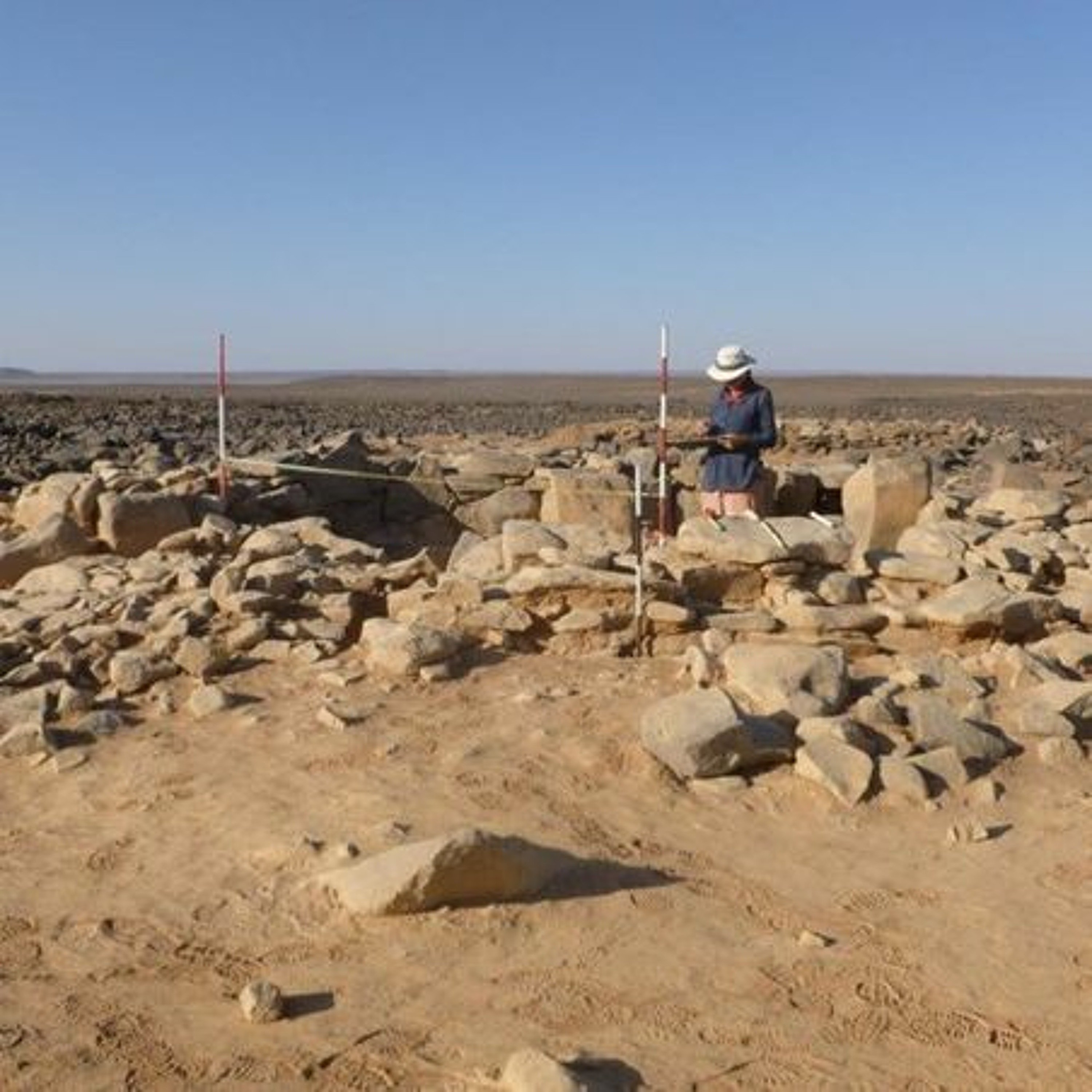
People have complex relationships with the environments they live in and resources such as water and food are critical variables in societal landscapes, with resource scarcity potentially leading to instability or collapse. In the Levant, with its long history of human occupation and evolution, human-climate-environment interactions have been important for millennia, such that issues of resource availability and sustainability are far from new. This lecture uses case studies from eastern Jordan, from the work of the Epipalaeoloithic Foragers of Azraq Project and Eastern Badia Archaeological Project, to investigate human-climate-environment relationships through the last 20,000 years. It will also draw on examples from the wider Near East region. Working on or near archaeological sites, local environmental reconstructions, particularly of water availability, are informing regional models of human adaptation to climate change e.g. during the beginnings of agriculture, and allow the assessment of people’s impact on the environment over millennia. Matthew D. Jones is Associate Professor in Quaternary Science in the School of Geography at the University of Nottingham. Matt’s research focuses on the interaction of people and the environment, particularly the quantity and quality of the water within it, including projects in Jordan, Turkey and Iran. Matt’s other interests lie in developing methods to better quantify by how much water availability has changed through time, particularly through the use of oxygen isotope palaeohydrology.
Embed this episode
Ready to play
20,000 years of impacts, adaptation & vulnerability in the Eastern Levant | Matt Jones | Dec 2015
No transcript for this episode yet
Similar Episodes
No similar episodes found.
Similar Podcasts
No similar podcasts found.