
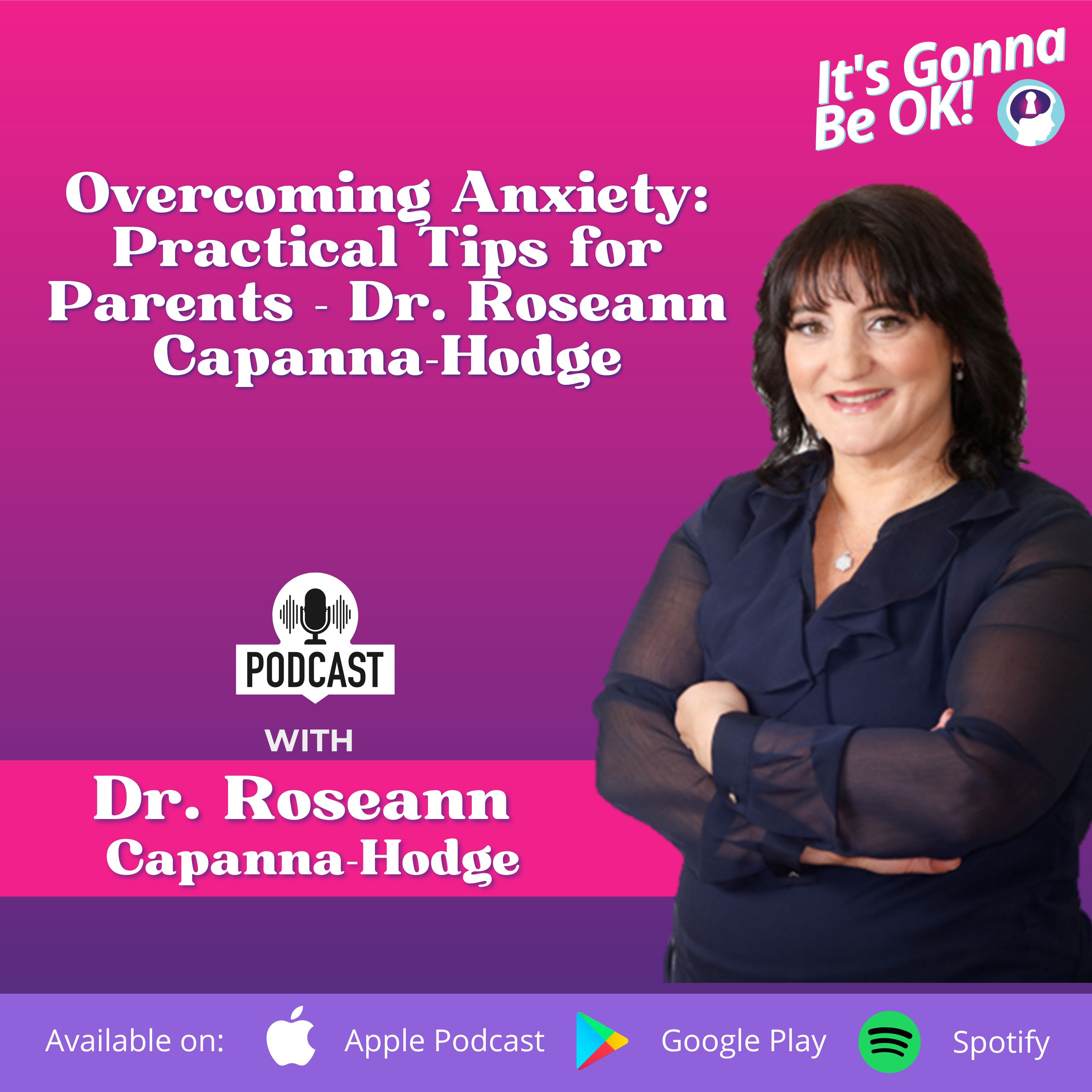
EPISODE · Jun 10, 2024 · 12 MIN
Overcoming Anxiety: Practical Tips for Parents | Nervous System Strategies | E200
from Dysregulated Kids: Science-Backed Parenting Help for Behavior, Anxiety, ADHD and More
Overcoming Anxiety: Helping Your Child Build ResilienceEstimated Reading Time: 6 minutesIf your child is anxious, irritable, or avoiding everyday tasks, you’re not alone. Overcoming anxiety in children starts with understanding that these behaviors are signals of a dysregulated nervous system, not defiance. In this episode, Dr. Roseann explains what drives childhood anxiety, how avoidance reinforces it, and practical strategies to calm the brain and help children build coping skills.In this episode, you’ll learn:How overcoming anxiety improves attention, mood, and emotional regulationEarly signs of anxiety and how it shows up in behaviorPractical steps to reduce avoidance and support Emotional Dysregulation in ChildrenTools to model calm for a Defiant Child and support Nervous System Regulation in ChildrenWhy anxiety spikes in childrenAnxiety often builds from cumulative stressors rather than one event. Common contributors include:Poor sleepNutritional stress and processed foodsAcademic pressure and sensory overloadParents’ own anxietyLack of downtime for nervous system regulationHow to identify anxiety vs other behaviorsAvoidance of school, dentists, or social eventsIrritability or sudden defianceFearfulness or excessive worrySleep disturbancesSomatic symptoms like headaches or stomach achesGuiding children without enabling avoidanceAvoidance offers short-term relief but reinforces anxiety long-term. Supportive strategies include:Validate feelings: “I know this feels hard”Problem-solve together: plan for steps, comfort items, and small winsBreak tasks into tiny, achievable stepsCelebrate progress, not perfectionExample: For dentist visits, build confidence in 1-minute increments with movies or music before each step.Daily practices for regulationCo-regulate: stay calm and soft-voicedRespect genuine dislikes while gently nudging toward copingTeach emotional vocabulary and coping skills consistentlyAvoid removing all triggers or canceling necessary activitiesListen + Take the Next StepGet your FREE Regulation Rescue Kit to support calm and coping: 👉 www.drroseann.com/newsletterFAQsQ1: What triggers anxiety in kids? Stress, sleep disruption, sensory overload, and family dynamics can all trigger anxiety.Q2: Can anxiety show up as anger? Yes. Emotional dysregulation often manifests as irritability or defiance.Q3: Should I push my child to do feared tasks? Gradual exposure with support works best. Avoid forcing.Q4: Can parents’ anxiety make it worse? Yes. Children mirror parental nervous system regulation.Q5: Is anxiety always genetic? Not necessarily. Environmental, sensory, and neurological factors play a large role.Dr. Roseann Capanna-Hodge helps parents understand Emotional Dysregulation in Children and teaches practical Nervous System Regulation in Children and Co-Regulation Techniques through Regulation First Parenting™.
Embed this episode
NOW PLAYING
Overcoming Anxiety: Practical Tips for Parents | Nervous System Strategies | E200
No transcript for this episode yet
Similar Episodes
No similar episodes found.
Similar Podcasts
No similar podcasts found.