
EPISODE · Jul 1, 2024 · 12 MIN
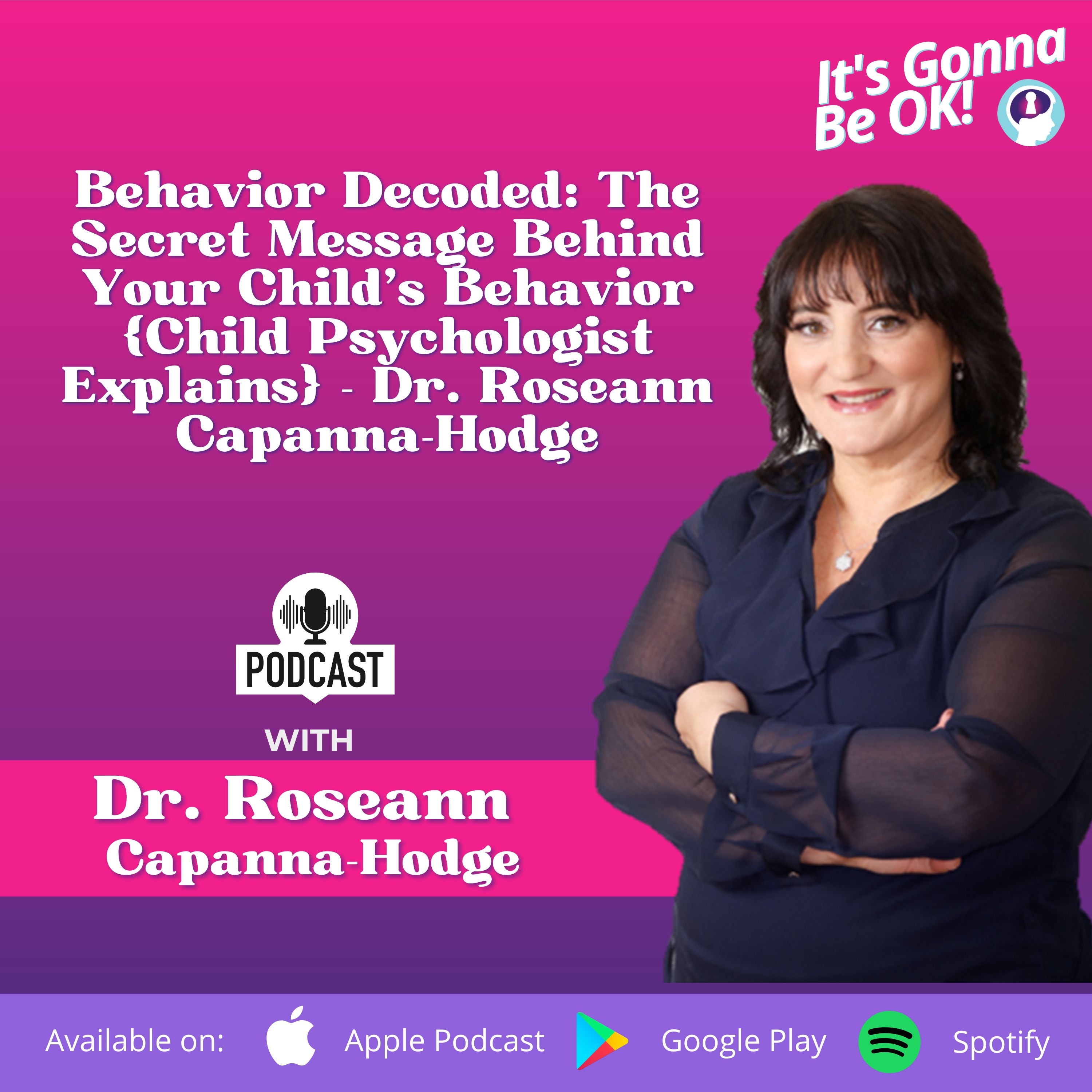
Child Psychologist Explains Childhood's Misbehavior | Emotional Dysregulation in Children | E206
from Dysregulated Kids: Science-Backed Parenting Help for Behavior, Anxiety, ADHD and More
Childhood's Misbehavior: Decoding Your Child’s SignalsIf your child melts down, refuses tasks, or seems unpredictable, it’s not bad parenting, it’s a dysregulated child. Childhood's misbehavior is often communication from the nervous system. In this episode, Dr. Roseann explains how to decode behavior, respond with calm, and build self-regulation skills that stick.In this episode, you’ll learn:How to interpret childhood's misbehavior as a signal, not defiancePractical strategies for Behavioral Dysregulation and attention challengesHow to support a Dysregulated Child at homeTools to reduce meltdowns and improve emotional regulationWhy children “lose it” over small thingsMinor requests or disruptions can trigger fight-flight-freeze reactions in a dysregulated nervous system.Strategies:Calm first: lower your voice, slow your breathingObserve patterns: time of day, hunger, transitions, screen useShort, neutral phrases: “I can see you’re upset. Let’s breathe first”Parent story: A child yells at homework. Refueling, rest, and a calm approach allow them to revisit the task without escalation.What childhood’s misbehavior is really sayingEvery behavior is communication:Refusal, whining, or anger signals unmet needsAnxiety, sensory overload, or fatigue often drives reactionsSupport strategies:Movement breaks, deep pressure, or sensory toolsMagnesium, hydration, and predictable routinesCo-regulation: calm modeling from parentsHow to respond without yelling or giving inValidate emotions, not behavior: “You’re frustrated; let’s fix it together”Offer one regulating choice: water, pressure, or a body breakProvide safe space and wait for regulation before teachingParent example: A child screams over lost Legos. Calm co-regulation and a gentle solution reduce escalation.Do brain-based tools really help?Yes. Techniques like neurofeedback, PEMF, and breathwork support Nervous System Regulation in Children.Practice daily:Micro-moments of regulation build resilienceSimple scripts: “Pause. Breathe. Choose.”Reinforce routines, sleep, nutrition, and movementWhy older kids struggle differentlyTeens or older siblings may lag in skills due to ADHD, anxiety, or sensory differences. Support growth by:Right-sizing expectationsModeling coping rather than lecturingReinforcing effort over perfectionListen + Take the Next StepGet your FREE Regulation Rescue Kit: 👉 www.drroseann.com/newsletterFAQsQ1: What causes childhood misbehavior? Usually a dysregulated nervous system caused by stress, fatigue, or sensory overload.Q2: How can I decode my child’s behavior? Observe patterns, stay calm, and look for unmet needs behind reactions.Q3: Do natural tools like neurofeedback and PEMF work? Yes. They support regulation, reduce emotional intensity, and improve attention.Dr. Roseann Capanna-Hodge helps parents understand Emotional Dysregulation in Children and teaches practical Nervous System Regulation in Children and Co-Regulation Techniques through Regulation First Parenting™.
Embed this episode
NOW PLAYING
Child Psychologist Explains Childhood's Misbehavior | Emotional Dysregulation in Children | E206
No transcript for this episode yet
Similar Episodes
No similar episodes found.
Similar Podcasts
No similar podcasts found.