
EPISODE · Jul 8, 2024 · 12 MIN
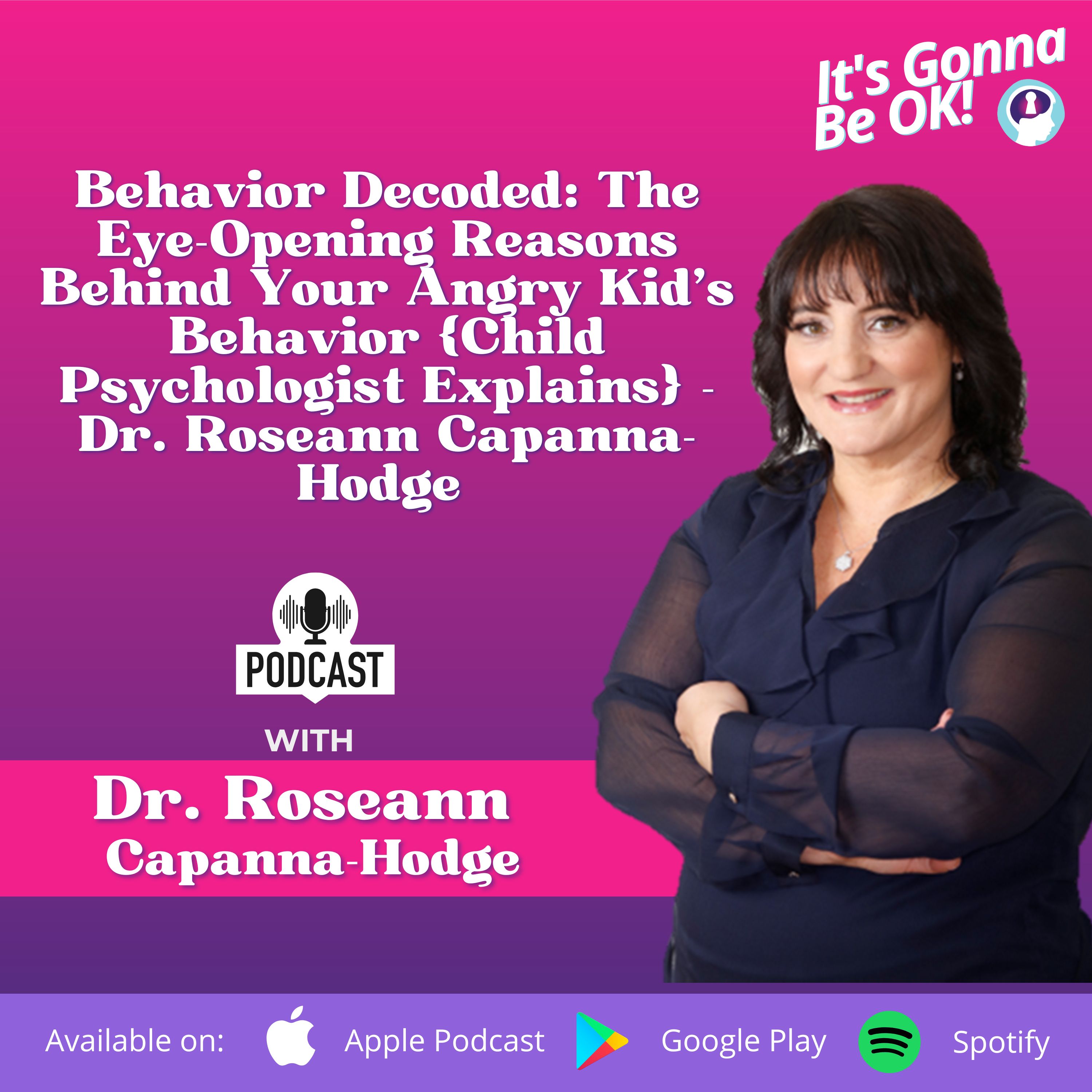
Behavior Decoded: The Eye-Opening Reasons Behind Your Angry Kid's Behavior | Emotional Dysregulation in Children | E208
from Dysregulated Kids: Science-Backed Parenting Help for Behavior, Anxiety, ADHD and More
Angry kid behavior can leave parents feeling frustrated, confused, and unsure how to help. In this episode, I explain why an angry kid is often communicating something deeper than anger, what triggers emotional outbursts, and how parents can respond in ways that support regulation instead of escalating conflict.Many families assume anger is simply defiance or disrespect. The truth is that an angry kid is often struggling with emotional regulation, nervous system overload, anxiety, frustration, or unmet needs. Understanding what is driving the behavior is the first step toward meaningful change.In this episode, you'll learn:• Why kids and teens become angry• Common triggers behind emotional outbursts• How nervous system dysregulation fuels anger• Practical ways parents can support regulation and resilienceWhy is my child so angry?Anger is often a secondary emotion.Underneath anger, children may be experiencing:• Anxiety and worry• Frustration and overwhelm• Sensory overload• Stress and pressure• Emotional dysregulation• Feelings of failure or disconnectionWhen these emotions build up, anger often becomes the behavior parents see.Behavior is communication.It's not bad behavior—it's a dysregulated brain.Looking beneath the anger helps parents understand what children truly need.Can high expectations contribute to anger?Yes.Children who feel constant pressure to perform, achieve, or meet unrealistic expectations may become frustrated, discouraged, or emotionally reactive.Supportive expectations help children grow.Perfectionism often creates stress.The goal is progress, not perfection.How can parents help an angry kid?Helpful strategies include:• Regulating yourself first• Focusing on connection before correction• Identifying triggers and patterns• Teaching emotional awareness and coping skills• Supporting nervous system regulationChildren learn emotional regulation through consistent support and practice.What happens when anger is addressed at the root?Children often begin to:• Improve frustration tolerance• Develop stronger coping skills• Communicate emotions more effectively• Build confidence and resilience• Experience healthier relationshipsThe goal is not eliminating emotions. The goal is helping children learn how to manage them safely and effectively.Discover science-backed mental health resources and nervous system support strategies at:www.drroseann.comDr. Roseann Capanna-Hodge helps parents understand emotional dysregulation in children and teaches practical nervous system regulation and co-regulation strategies through her Regulation First Parenting™ approach.
Embed this episode
NOW PLAYING
Behavior Decoded: The Eye-Opening Reasons Behind Your Angry Kid's Behavior | Emotional Dysregulation in Children | E208
No transcript for this episode yet
Similar Episodes
No similar episodes found.
Similar Podcasts
No similar podcasts found.