
EPISODE · Jul 10, 2024 · 11 MIN
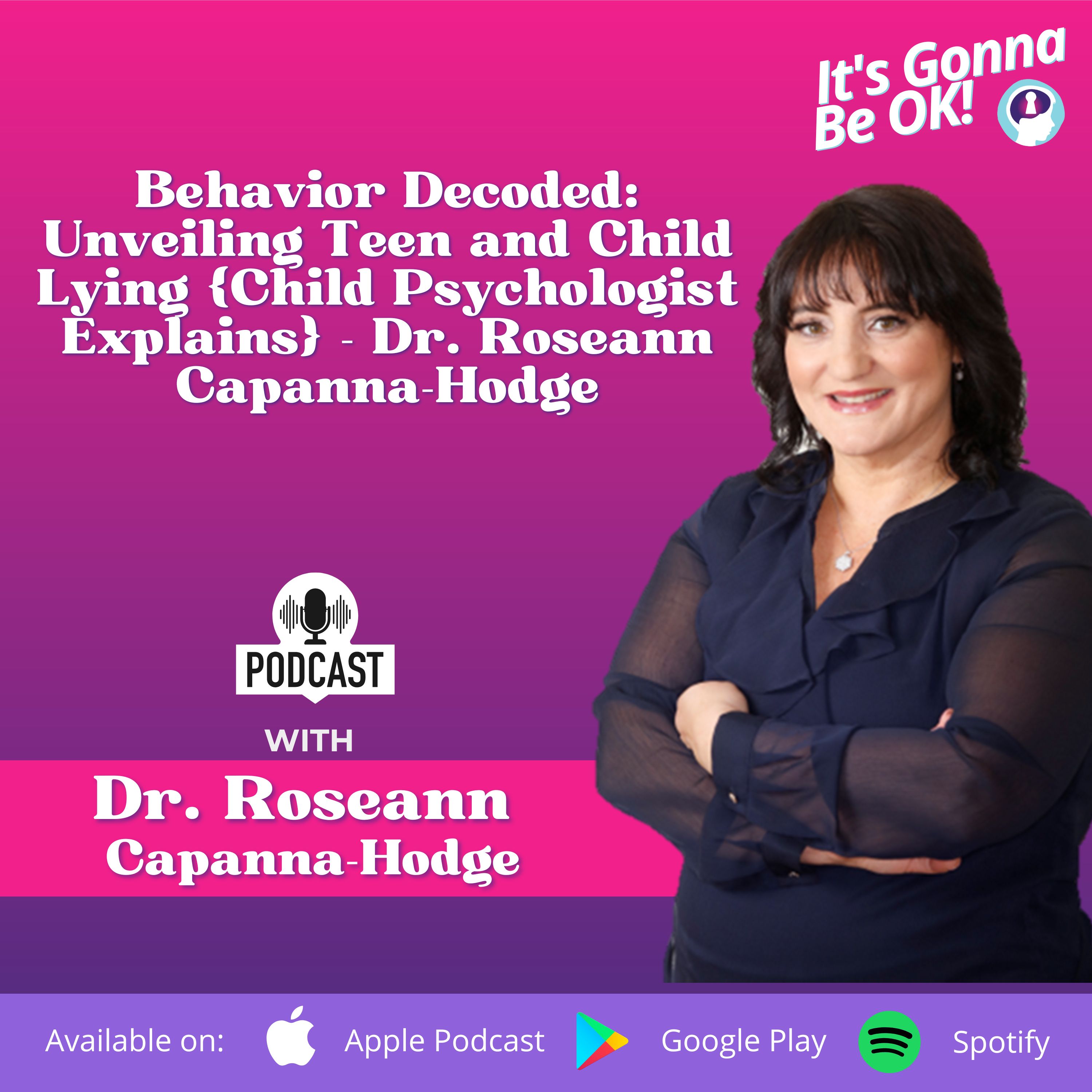
Unveiling Teen and Child Lying | Nervous System Strategies | E209
from Dysregulated Kids: Science-Backed Parenting Help for Behavior, Anxiety, ADHD and More
Teen and Child Lying: Understanding Behavior and Building HonestyIf your child lies frequently or seems dishonest, you’re not alone. Teen and child lying often signals a dysregulated child navigating stress, anxiety, or unmet emotional needs. In this episode, Dr. Roseann explains why kids lie, the developmental and emotional drivers behind dishonesty and practical strategies to encourage honesty while supporting Nervous System Regulation in Children.In this episode, you’ll learn:Why teen and child lying happens and how it differs from defianceHow to address lying through healthy control and autonomyPractical strategies for Child Behavior Problems and Angry Child BehaviorHow emotional and nervous system regulation reduces compulsive dishonestyWhy children lieChildren may lie to avoid punishment, hide mistakes, or manage stress. Lying often reflects:Attempts to gain control in stressful situationsAnxiety, shame, or low self-esteemPressure to meet high expectations from parents, teachers, or peersHow to give children healthy controlProviding reasonable expectations and choices reduces the need to lie:Offer small, safe decisions that let kids feel empoweredBalance structure and flexibility, avoid extremes of authoritarian or permissive parentingEncourage autonomy to build self-confidence and honestyWhen professional support is neededIf lying is pervasive across home, school, or social contexts, clinical support may help. Effective therapy involves parents and focuses on:Addressing underlying anxiety or low self-esteemTeaching coping strategiesReinforcing honesty through safe practiceParenting strategiesObserve patterns and triggers behind lyingAvoid punishment alone; instead, validate feelings and co-regulateUse clear communication and consistent routines to reduce stressModel honesty and repair your own slipsParent tip: Behavior is communication. When the brain is calm, children can learn honesty more effectively.Listen + Take the Next StepGet your FREE Regulation Rescue Kit to support emotional regulation and behavior: 👉 www.drroseann.com/newsletterConnect with other parents in the Facebook group: https://drroseann.com/groupTakeawayTeen and child lying is often a symptom, not defiance. By fostering autonomy, supporting nervous system regulation, and addressing underlying anxiety, parents can reduce dishonesty.FAQsQ1: Why do children lie? Lying is often a coping mechanism for anxiety, low self-esteem, or stress—not intentional misbehavior.Q2: How can I encourage honesty? Provide choices, validate feelings, model honesty, and co-regulate during stress.Q3: Is lying a sign of a behavioral disorder? Not always. Persistent lying across multiple contexts may warrant professional evaluation.Q4: How do I know if this is a dysregulated child? Frequent emotional outbursts, stress-driven avoidance, and inconsistent honesty are common signs.Q5: Can parenting style reduce lying? Yes. Balance structure with autonomy, set realistic expectations, and model calm, consistent regulation.Dr. Roseann Capanna-Hodge helps parents understand Emotional Dysregulation in Children and teaches practical Nervous System Regulation in Children and Co-Regulation Techniques through Regulation First Parenting™.
Embed this episode
NOW PLAYING
Unveiling Teen and Child Lying | Nervous System Strategies | E209
No transcript for this episode yet
Similar Episodes
No similar episodes found.
Similar Podcasts
No similar podcasts found.