
EPISODE · Jul 15, 2024 · 12 MIN
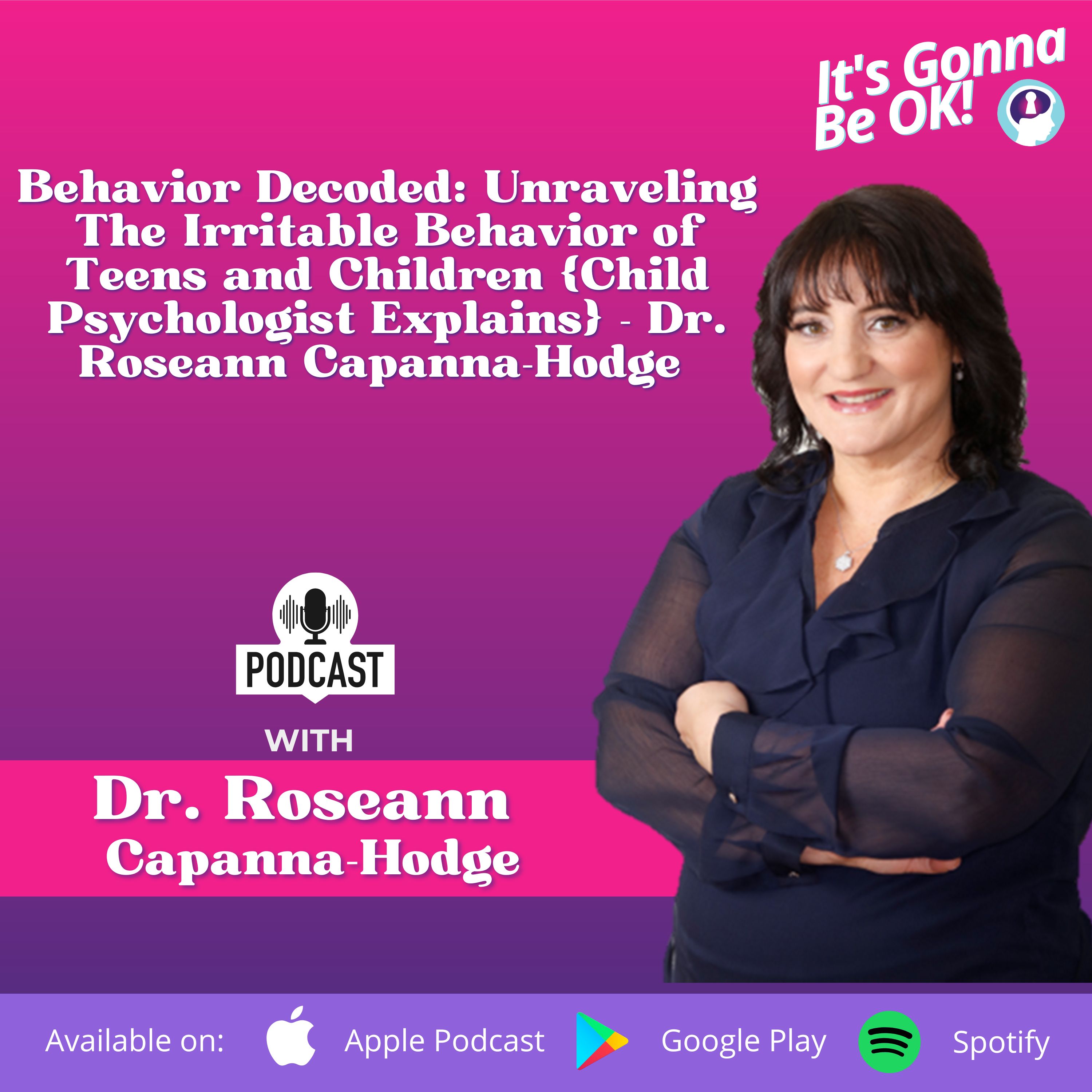
Irritable Behavior in Teens and Children | Emotional Dysregulation in Children | E210
from Dysregulated Kids: Science-Backed Parenting Help for Behavior, Anxiety, ADHD and More
Irritable Behavior in Teens and ChildrenIf your child snaps over small things, it’s not bad parenting, it’s a dysregulated child signaling stress. Irritable behavior in teens and children often reflects nervous system dysregulation from ADHD, autism, dyslexia, or sensory overload. In this episode, Dr. Roseann explains why kids get triggered, how to calm their nervous system first, and practical strategies to build regulation, connection, and coping skills.In this episode, you’ll learn:How irritable behavior in teens and children signals emotional and nervous system needsHow to respond calmly without escalating conflictPractical strategies for Behavioral Dysregulation and Angry Child BehaviorTools to support Nervous System Regulation in ChildrenWhy children explode over small thingsIrritability is a signal, not defiance. Kids’ brains may be in survival mode, so minor requests feel overwhelming.Try this:Regulate first: slow breathing, soft voice, one cue at a timeName the state, not the behavior: “Your brain feels on edge”Offer a choice: hug, sit together, or spaceParent story: After school, a child yells at homework. Calm presence, co-regulation, and choice reduce escalation and allow problem-solving once regulated.How ADHD, autism, or dyslexia can fuel irritabilityADHD: impulsivity and attention challenges make transitions difficultAutism: sensory sensitivities heighten reactionsDyslexia: repeated frustration increases stress and quick tempersResponding in the momentKeep statements brief and neutralValidate emotion first: “I can see this feels big”Offer one regulating choice: water, deep pressure, or movementProblem-solve after regulationTip: Your calm becomes your child’s regulation.Daily strategies and practicePick 2–3 rituals (after-school snack + movement + quiet time)Repeat even on “good” daysTrack micro-wins: faster recovery, fewer argumentsListen + Take the Next StepGet your FREE Regulation Rescue Kit for scripts and strategies: 👉 www.drroseann.com/newsletterTakeawayIrritable behavior in teens and children signals a dysregulated nervous system.FAQsQ1: Is irritability always a mental health issue?Not always. It can reflect unmet sensory or regulation needs.Q2: What’s one thing to do in the moment?Co-regulate: breathe, stay calm, offer a choice like hug, sit, or space.Q3: Do consequences work with irritable kids?Only after regulation. Teaching skills before punishment is most effective.Dr. Roseann Capanna-Hodge helps parents understand Emotional Dysregulation in Children and teaches practical Nervous System Regulation in Children and Co-Regulation Techniques through Regulation First Parenting™.
Embed this episode
NOW PLAYING
Irritable Behavior in Teens and Children | Emotional Dysregulation in Children | E210
No transcript for this episode yet
Similar Episodes
No similar episodes found.
Similar Podcasts
No similar podcasts found.