
EPISODE · Jul 17, 2024 · 12 MIN
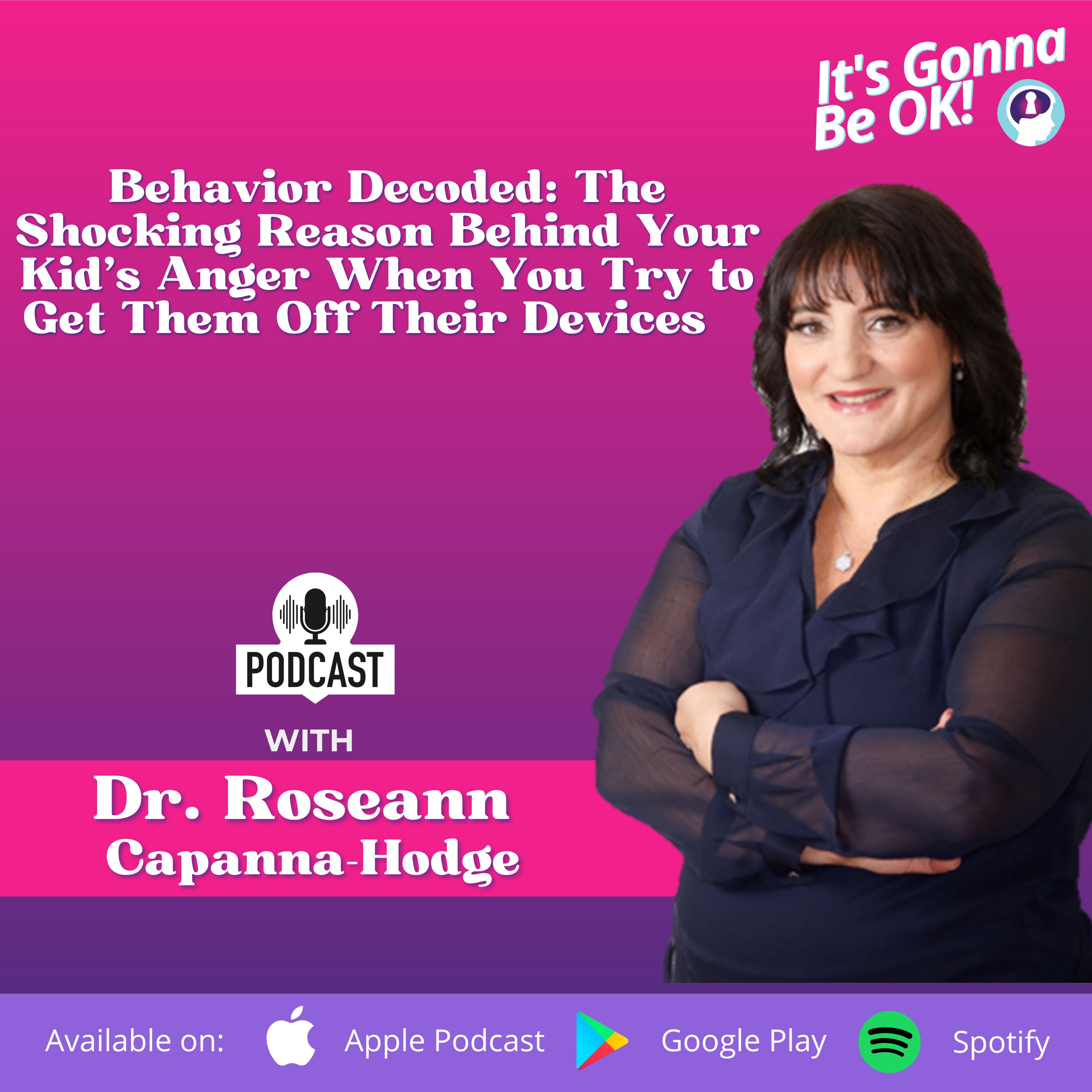
The Shocking Reason Behind Your Kid's Screen Time and Anger | Nervous System Strategies | E211
from Dysregulated Kids: Science-Backed Parenting Help for Behavior, Anxiety, ADHD and More
Screen Time and Anger in ChildrenIf your child melts down when screen time ends, it’s not defiance, it’s a dysregulated child signaling overstimulation. Screen time and anger are closely connected through the nervous system. In this episode, Dr. Roseann explains why devices fuel emotional outbursts, and how to set limits while building self-regulation skills and calm transitions.In this episode, you’ll learn:How screen time and anger interact with the nervous systemPractical strategies to reduce meltdowns and Child Behavior ProblemsHow to support a Dysregulated Child with calm co-regulationTools for Angry Child Behavior and Behavioral DysregulationWhy screen time triggers meltdownsBright colors, instant feedback, and rewards activate brain reward circuits, especially in children with ADHD. When devices are removed, the brain struggles to downshift.Strategies:Regulate first: slow breathing, calm voiceObserve patterns: time of day, transitions, screen useOffer a swap: water, movement, or body breakHow to manage limits without conflictBoundaries reduce stress when applied predictably.Techniques:Front-load rules: agree on time limits before screens startUse visual timers to prevent surprisesEnd with a power-down routine: stretch, breathe, unplugFor repeat battles, schedule Wi-Fi cutoffs for structure, not punishmentOff-screen alternatives to regulateMovement: trampoline, bike, walksSensory: weighted blankets, baths, chewy snacksConnection: short games, cooking, or snuggle timeBrain-based toolsPEMF help the nervous system settleBreathwork teaches children to calm themselvesDaily micro-practices build emotional resilienceListen + Take the Next StepGet your FREE Regulation Rescue Kit to handle meltdowns and support emotional regulation: 👉 www.drroseann.com/newsletterTakeawayScreen time and anger often reflect nervous system dysregulation, not poor parenting. FAQsQ1: Should I ever just cut the Wi-Fi? Yes, only as a planned boundary. Surprises trigger dysregulation.Q2: What if my child only wants screens? Create a visual Off-Screen Menu with 3–4 preferred activities and offer small choices.Q3: Do rewards work to reduce screen conflicts? Short-term, yes. Long-term regulation comes from consistent routines and calming strategies.Q4: How do I know if my child is dysregulated or defiant? Look for overstimulation, emotional intensity, and inability to self-soothe—behavior is communication.Q5: Can these strategies help ADHD or highly reactive kids? Yes. Predictable routines, co-regulation, and sensory supports improve focus and reduce meltdowns.Dr. Roseann Capanna-Hodge helps parents understand Emotional Dysregulation in Children and teaches practical Nervous System Regulation in Children and Co-Regulation Techniques through Regulation First Parenting™.
Embed this episode
NOW PLAYING
The Shocking Reason Behind Your Kid's Screen Time and Anger | Nervous System Strategies | E211
No transcript for this episode yet
Similar Episodes
No similar episodes found.
Similar Podcasts
No similar podcasts found.