
EPISODE · May 13, 2026 · 38 MIN
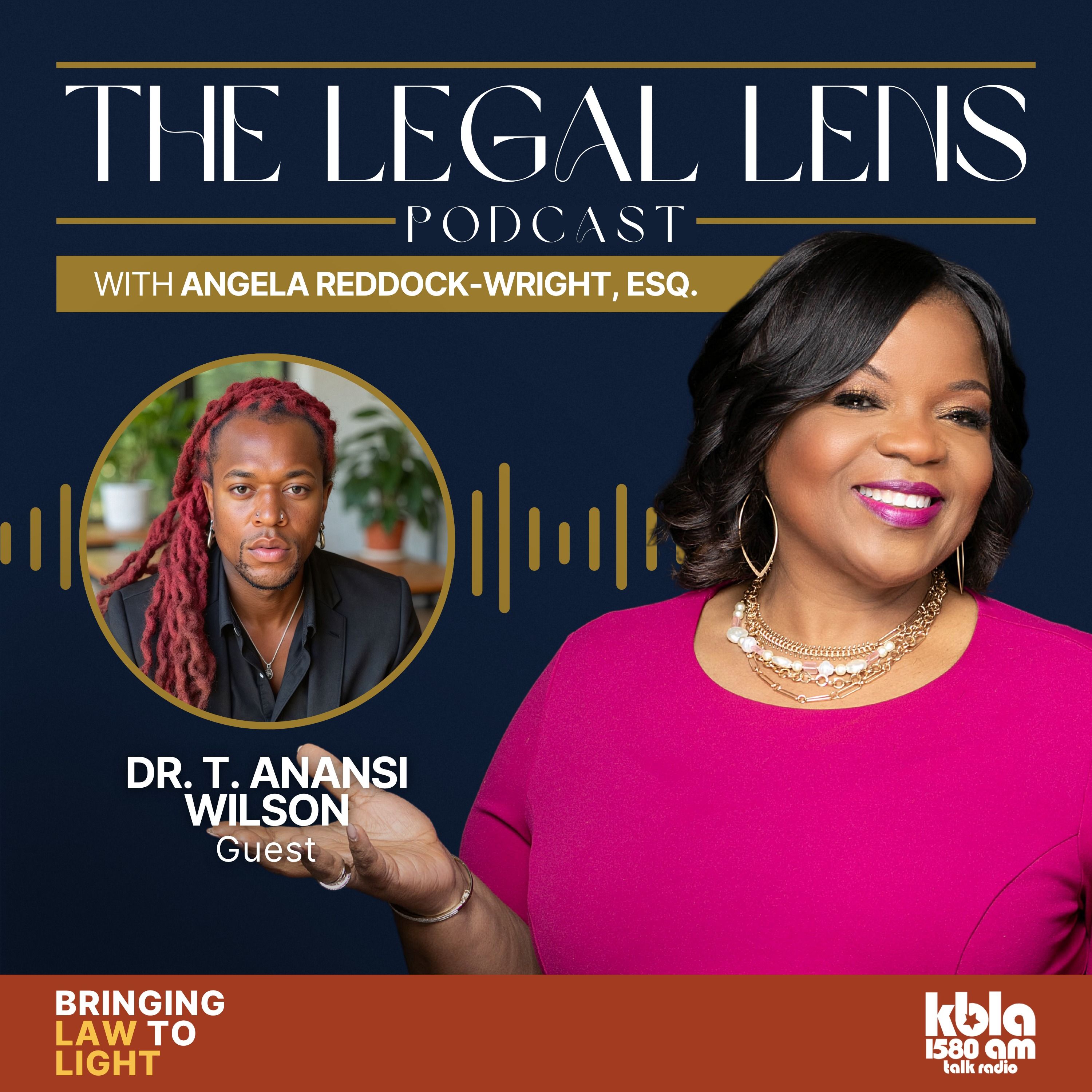
219. Part I: Voting Rights at Stake: Understanding the SCOTUS Decision in Louisiana v. Callais with Dr. T. Anansi Wilson
from The Legal Lens Podcast · host Anansi Wilson
In Part I of this two‑part series on the Supreme Court’s decision in Louisiana v. Callais, Angela Reddock‑Wright is joined by returning guest Dr. T. Anansi Wilson—public defender, constitutional law scholar, and Supreme Court expert—to unpack how the Court’s 6–3 ruling reshapes the Voting Rights Act and minority political power. Dr. Wilson explains the structure and timing of the Supreme Court term, the concept of “opportunity seats”, why Louisiana’s refusal to add a second majority‑Black district matters, and how Justice Kagan’s forceful dissent contrasts with the majority’s opinion. They also connect the decision to a broader pattern of Voting Rights Act “gutting,” detailing how redistricting and racially polarized voting can dilute Black and Latino representation and, over time, push the United States back toward Jim Crow–era dynamics. Key Topics Covered Dr. Wilson’s dual role as a former constitutional law professor and a current public defender in Kansas City, and how seeing Black defendants in court deepens his critique of how the Constitution “fails to protect Black life and always succeeds in ensnaring it.” Supreme Court basics and the shadow docket: when the term starts and ends, how decisions are typically released, and why emergency orders and repeat arguments in Louisiana v. Callais made this case procedurally unusual. What Voting Rights Act Section 2 “opportunity seats” are and how they’re designed to give racial minorities a real chance to elect their preferred candidates—not just the formal right to cast a ballot—amid racially polarized voting. Justice Kagan’s dissent in Louisiana v. Callais—its length, her warning that the ruling is “the last piece in a decade‑long push to gut” protections for Black voters, and her charge that the majority “betrays its duty” to faithfully implement the Voting Rights Act. Downstream consequences of the decision, including estimates that dozens of congressional and state‑legislative districts could effectively lose Black and Latino representation, leaving cities “cracked” into pieces, diluting urban and minority voting power, and increasing the risk of political disenfranchisement and instability. 🔗 Connect with Angela: InstagramFacebookLinkedInVisit Angela's Website
Embed this episode
What this episode covers
In Part I of this two‑part series on the Supreme Court’s decision in Louisiana v. Callais, Angela Reddock‑Wright is joined by returning guest Dr. T. Anansi Wilson—public defender, constitutional law scholar, and Supreme Court expert—to unpack how the Court’s 6–3 ruling reshapes the Voting Rights Act and minority political power. Dr. Wilson explains the structure and timing of the Supreme Court term, the concept of “opportunity seats”, why Louisiana’s refusal to add a second majority‑Black district matters, and how Justice Kagan’s forceful dissent contrasts with the majority’s opinion. They also connect the decision to a broader pattern of Voting Rights Act “gutting,” detailing how redistricting and racially polarized voting can dilute Black and Latino representation and, over time, push the United States back toward Jim Crow–era dynamics.
NOW PLAYING
219. Part I: Voting Rights at Stake: Understanding the SCOTUS Decision in Louisiana v. Callais with Dr. T. Anansi Wilson
No transcript for this episode yet
Similar Episodes
No similar episodes found.
Similar Podcasts
No similar podcasts found.