
EPISODE · May 20, 2026 · 34 MIN
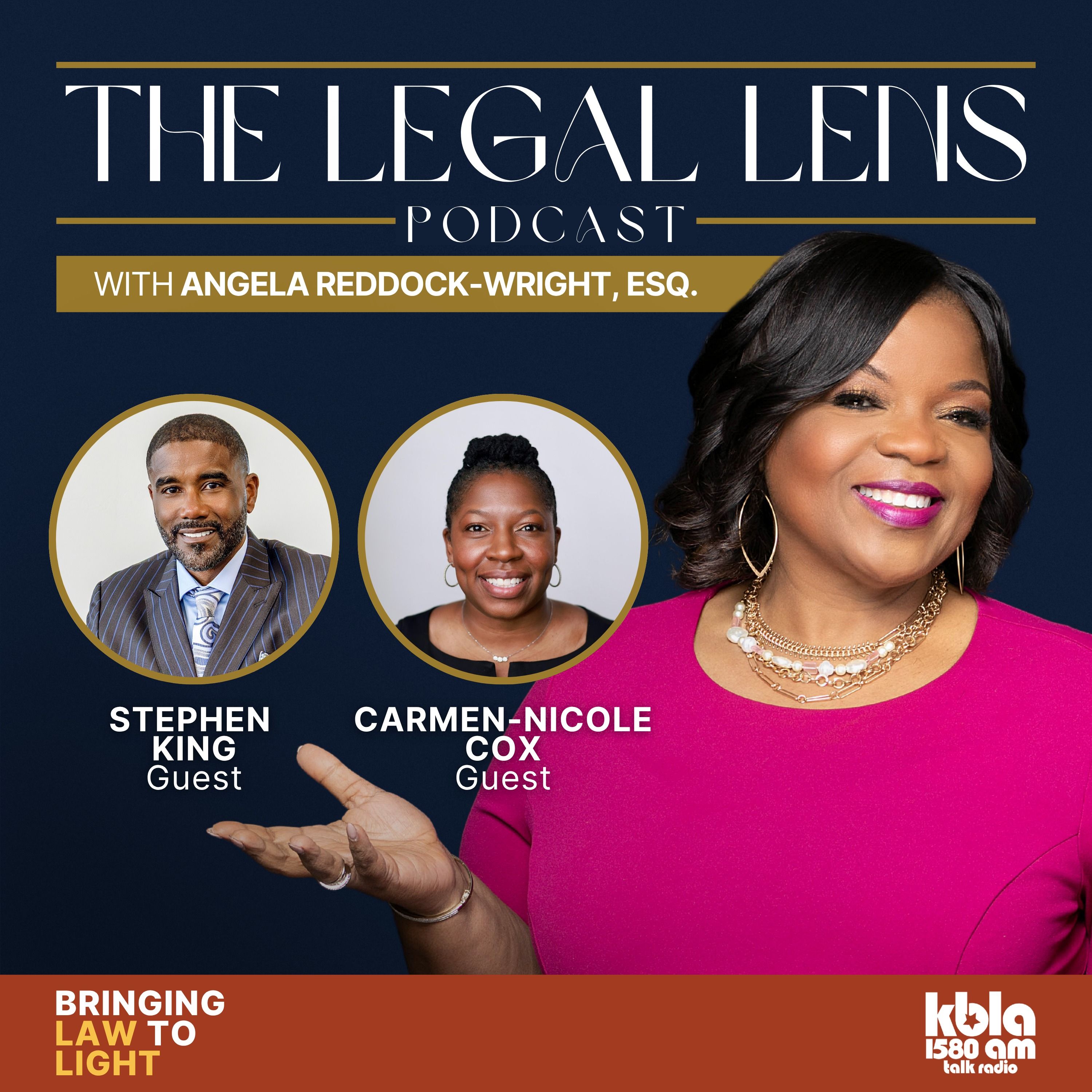
220. Part II: From Louisiana to CA: Attorneys Stephen King and Carmen‑Nicole Cox on Fighting Back After the SCOTUS Louisiana v. Callais Voting Rights Decision
from The Legal Lens Podcast · host Stephen King, Carmen Nicole Cox
In Part II of The Legal Lens series on the Supreme Court’s Louisiana v. Callais decision, Angela Reddock‑Wright is joined by Attorney Stephen King, civil‑rights trial lawyer and newly installed 50th president of the California Association of Black Lawyers (CABL), and Attorney Carmen‑Nicole Cox, “liberation attorney,” CABL boardmember, and 2026 CABL Lawyer of the Year. Building on the legal analysis from Part I guest Dr. T. Anansi Wilson, they break down what it means to replace proof of discriminatory impact with proof of discriminatory intent under Section 2 of the Voting Rights Act, why “alarm bells should be ringing” about efforts to dismantle majority‑minority districts nationwide, and how similar tactics are already showing up in a California ballot initiative that could dilute Black voting power. They also share their personal “whys”—from Stephen’s experience fleeing a coup in Liberia to Carmen‑Nicole’s legal advocacy work after her father died in federal prison—and discuss how CABL and partner organizations plan to mobilize lawyers and communities in the wake of the Callais decision and ahead of the next election. Key Topics Covered Stephen King’s journey from surviving a coup in Liberia to becoming a public defender, civil‑rights trial lawyer, and now CABL President, and how that background fuels his focus on freedom, safety, and fighting for the underdog. Carmen‑Nicole Cox’s path to law as a “new language” to help her community, the impact of her father’s death in federal prison just weeks before his scheduled release, and why she identifies as a liberation attorney focused on health, wealth, and prosperity. How the U.S. Supreme Court’s decision in Louisiana v. Callais reshapes Section 2 of the federal Voting Rights Act by effectively demanding proof of discriminatory intent rather than discriminatory results, undercutting the standard Congress adopted precisely because proving intent was “near high impossible.” The warning that, in the wake of the decision, federal officials and others may move to dismantle majority‑minority districts across the country, especially in the South, and how that threatens long‑standing protections for Black voters. Stephen King’s explanation that Black Californians are not exempt: a November ballot initiative would make it harder to show discriminatory effects, add voting hurdles like stricter ID and Social Security requirements, and further dilute minority voting power. The strategy to respond: CABL’s 50th‑anniversary agenda to mobilize Black bar associations, partner with groups like the NAACP Legal Defense Fund and ACLU, and educate voters so they understand what’s at stake and can organize against rollbacks. 🔗 Connect with Angela: InstagramFacebookLinkedInVisit Angela's Website
Embed this episode
What this episode covers
In Part II of The Legal Lens series on the Supreme Court’s Louisiana v. Callais decision, Angela Reddock‑Wright is joined by Attorney Stephen King, civil‑rights trial lawyer and newly installed 50th president of the California Association of Black Lawyers (CABL), and Attorney Carmen‑Nicole Cox, “liberation attorney,” CABL boardmember, and 2026 CABL Lawyer of the Year. Building on the legal analysis from Part from guest Dr. T. Anansi WilsonI, they break down what it means to replace proof of discriminatory impact with proof of discriminatory intent under Section 2 of the Voting Rights Act, why “alarm bells should be ringing” about efforts to dismantle majority‑minority districts nationwide, and how similar tactics are already showing up in a California ballot initiative that could dilute Black voting power. They also share their personal “whys”—from Stephen’s experience fleeing a coup in Liberia to Carmen‑Nicole’s legal advocacy work after her father died in federal prison—and discuss how CABL and partner organizations plan to mobilize lawyers and communities in the wake of the Callais decision and ahead of the next election.
Ready to play
220. Part II: From Louisiana to CA: Attorneys Stephen King and Carmen‑Nicole Cox on Fighting Back After the SCOTUS Louisiana v. Callais Voting Rights Decision
No transcript for this episode yet
Similar Episodes
No similar episodes found.
Similar Podcasts
No similar podcasts found.