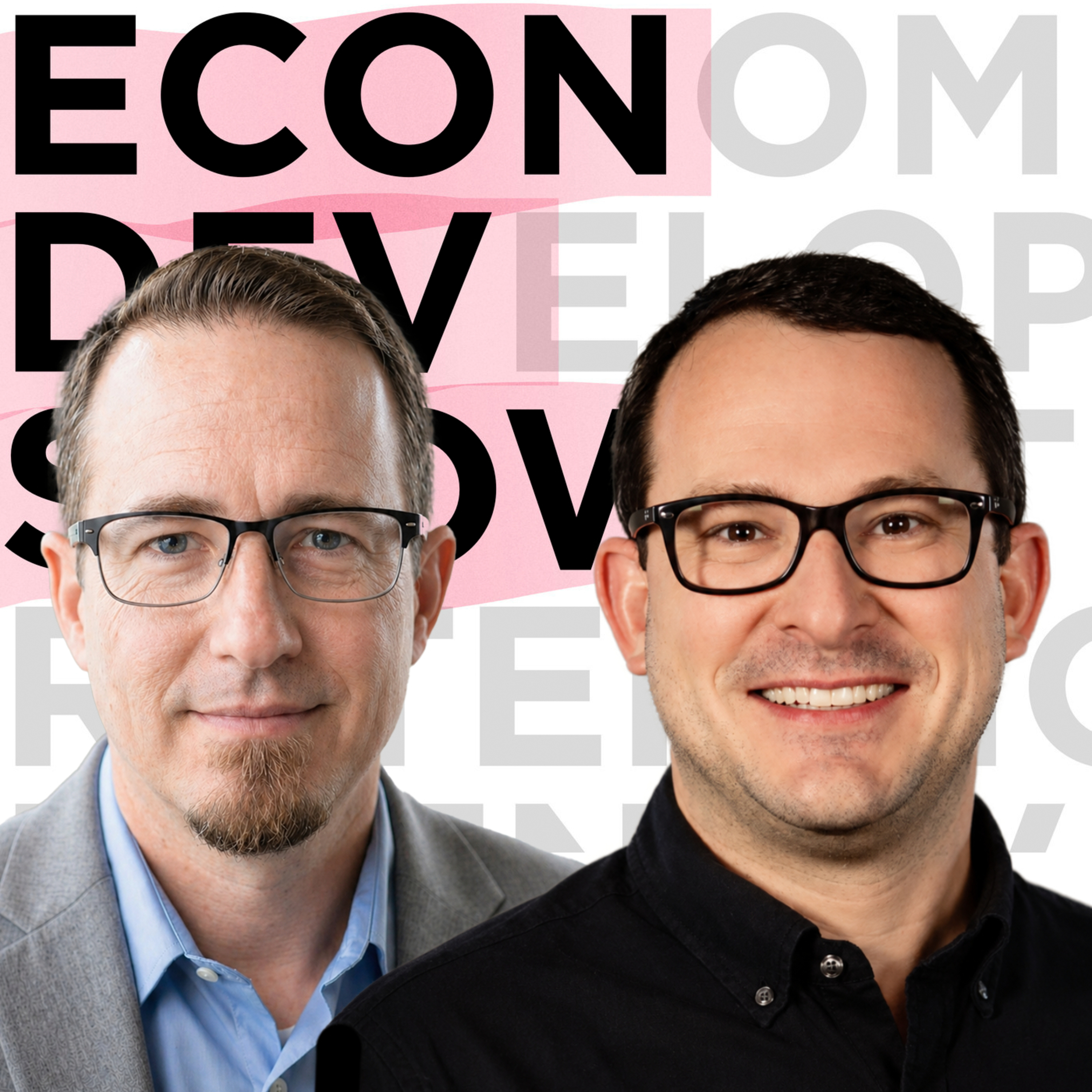
221: Music as Economic Development with Matt Mandrella episode artwork

EPISODE · Jun 1, 2026 · 34 MIN

221: Music as Economic Development with Matt Mandrella

from Econ Dev Show Podcast - Economic Development · host Dane Carlson

In this episode of the Econ Dev Show, Dane Carlson talks with Matt Mandrella, Music Officer for the City of Huntsville, Alabama, about what it means for a city government to take music seriously as an economic development strategy. Matt explains how Huntsville’s music audit led to intentional investments in venues, programming, artist development, tourism, and workforce attraction, including the Orion Amphitheater, MidCity, Women in Music, tour grants, a central music calendar, and partnerships that help local artists and businesses grow. The conversation shows economic developers how music can strengthen quality of life, support downtown and district development, attract talent, create career pathways, and give a community a stronger identity without trying to become the next Nashville or Austin. Like this show? Please leave a review. Even one sentence helps more than you know. 10 Actionable Takeaways for Economic Developers Start with an audit. Before launching programs, study the local music ecosystem, identify gaps, and use that work to create a practical roadmap. Treat music as quality-of-life infrastructure. Think about music the same way you think about parks, trails, sports, and public spaces: as something that helps people choose to live, work, and stay in your community. Connect music to talent attraction. If your community has hard-to-fill jobs, especially higher-skill jobs, remember that people also choose places based on what life feels like after work. Design venues as district anchors. A major music venue can help catalyze surrounding private investment when it is tied to restaurants, hotels, housing, public spaces, and a broader district strategy. Program public venues beyond big concerts. Use civic venues for free and low-cost community events, fitness classes, festivals, seasonal events, and local programming so taxpayers feel ownership of the space. Support artists as small businesses. Programs like tour grants, showcases, and local performance opportunities can help musicians build momentum, gain confidence, and create professional pathways. Create a central music calendar. If residents and visitors have to check five different websites to find live music, the community is leaving value on the table. Use small programs in small communities. Even without a major amphitheater, communities can support live music on town squares, at restaurants, farmers markets, downtown events, and public gatherings. Build the behind-the-scenes workforce. Music creates opportunities beyond performers, including sound, lighting, staging, trucking, security, ticketing, marketing, hospitality, and event operations. Develop your own identity. Do not try to become Nashville, Austin, or New Orleans. Build a music strategy that fits your own community, culture, venues, talent, and long-term goals. Special Guest: Matt Mandrella.

In this episode of the Econ Dev Show, Dane Carlson talks with Matt Mandrella, Music Officer for the City of Huntsville, Alabama, about what it means for a city government to take music seriously as an economic development strategy. Matt explains how Huntsville’s music audit led to intentional investments in venues, programming, artist development, tourism, and workforce attraction, including the Orion Amphitheater, MidCity, Women in Music, tour grants, a central music calendar, and partnerships that help local artists and businesses grow. The conversation shows economic developers how music can strengthen quality of life, support downtown and district development, attract talent, create career pathways, and give a community a stronger identity without trying to become the next Nashville or Austin. Like this show? Please leave a review. Even one sentence helps more than you know. 10 Actionable Takeaways for Economic Developers Start with an audit. Before launching programs, study the local music ecosystem, identify gaps, and use that work to create a practical roadmap. Treat music as quality-of-life infrastructure. Think about music the same way you think about parks, trails, sports, and public spaces: as something that helps people choose to live, work, and stay in your community. Connect music to talent attraction. If your community has hard-to-fill jobs, especially higher-skill jobs, remember that people also choose places based on what life feels like after work. Design venues as district anchors. A major music venue can help catalyze surrounding private investment when it is tied to restaurants, hotels, housing, public spaces, and a broader district strategy. Program public venues beyond big concerts. Use civic venues for free and low-cost community events, fitness classes, festivals, seasonal events, and local programming so taxpayers feel ownership of the space. Support artists as small businesses. Programs like tour grants, showcases, and local performance opportunities can help musicians build momentum, gain confidence, and create professional pathways. Create a central music calendar. If residents and visitors have to check five different websites to find live music, the community is leaving value on the table. Use small programs in small communities. Even without a major amphitheater, communities can support live music on town squares, at restaurants, farmers markets, downtown events, and public gatherings. Build the behind-the-scenes workforce. Music creates opportunities beyond performers, including sound, lighting, staging, trucking, security, ticketing, marketing, hospitality, and event operations. Develop your own identity. Do not try to become Nashville, Austin, or New Orleans. Build a music strategy that fits your own community, culture, venues, talent, and long-term goals. Special Guest: Matt Mandrella.Sponsored By:Sitehunt: Sitehunt is industrial site selection software for economic developers. Sitehunt automates industrial real estate research so you can respond to site selection inquiries in minutes instead of days. Links:Matt Mandrella | LinkedIn Huntsville Music Office Trade Group to Strengthen Local U.S. Music Ecosystems Launches Catching up with Huntsville Music Officer Matt Mandrella - Axios Huntsville Be Prepared: A Practical Handbook for New Dads by Gary Greenberg — Matt's favorite book

NOW PLAYING

221: Music as Economic Development with Matt Mandrella

0:00 34:37

No transcript for this episode yet

We transcribe on demand. Request one and we'll notify you when it's ready — usually under 10 minutes.

MG Show MG Show The MG Show, hosted by Jeffrey Pedersen and Shannon Townsend, is a leading alternative media platform dedicated to uncovering the truth behind today’s most pressing political issues. Launched in 2019, the show has grown exponentially, offering unfiltered insights, comprehensive research, and real-time analysis. With a commitment to independent journalism and factual integrity, the MG Show empowers its audience with knowledge and encourages active participation in the political discourse. Breaking News Show | eTurboNews Juergen Thomas Steinmetz News is relevant to the global travel and tourism industry, human rights and global issues.Breaking news when it happens and only from the source. That Hoarder: Overcome Compulsive Hoarding That Hoarder Hoarding disorder is stigmatised and people who hoard feel vast amounts of shame. This podcast began life as an audio diary, an anonymous outlet for somebody with this weird condition. That Hoarder speaks about her experiences living with compulsive hoarding, she interviews therapists, academics, researchers, children of hoarders, professional organisers and influencers, and she shares insight and tips for others with the problem. Listened to by people who hoard as well as those who love them and those who work with them, Overcome Compulsive Hoarding with That Hoarder aims to shatter the stigma, share the truth and speak openly and honestly to improve lives. The Small Business Startup School – Business Notes | Financial Literacy | Retail Psychology – For Professionals & Entrepreneurs The Small Business Startup School Inc. Starting or buying a small business? While personal circumstances may vary, business patterns remain timeless. On The Small Business Startup School, we explore strategies, insights, and practical solutions to help entrepreneurs confidently navigate their journey.Hosted by Ola Williams—a retail entrepreneur, fintech founder, and financial coach with over two decades of experience—this podcast marries financial awareness and retail psychology with optimism to deliver actionable takeaways.Join us to learn, grow, and connect as we uncover the keys to business success.Let’s continue to learn together and be encouraged to keep on connecting!

Frequently Asked Questions

How long is this episode of Econ Dev Show Podcast - Economic Development?

This episode is 34 minutes long.

When was this Econ Dev Show Podcast - Economic Development episode published?

This episode was published on June 1, 2026.

What is this episode about?

In this episode of the Econ Dev Show, Dane Carlson talks with Matt Mandrella, Music Officer for the City of Huntsville, Alabama, about what it means for a city government to take music seriously as an economic development strategy. Matt explains...

Can I download this Econ Dev Show Podcast - Economic Development episode?

Yes, you can download this episode by clicking the download button on the episode player, or subscribe to the podcast in your preferred podcast app for automatic downloads.
URL copied to clipboard!