Hey everybody and welcome to classical stuff you should know we're a podcast that talks about the classical world that usually that's books Sometimes philosophy a lot of theology and like on the rare occasion art and we always promised architecture But we've never done it not even one time in 200 episodes and you know what today may be that day today's not that day You know what you're not in charge and we can do what we want and so we may do it We may not that's up to the side But today is an episode about the Renaissance. We're currently living through Yeah, the world has changed folks and I hope you feel the import of that well, you know I vow to talk about cathedrals now in this episode. I'm gonna bring it up. Just we're gonna talk about architecture Yeah, today, I didn't really know of like a question or a framework of it.
Did you introduce us? Did you say who are we not doesn't matter? Okay, we're just gram is a lot of voices So that's a voice that was just talking that's Graham Graham Elton. Hello.
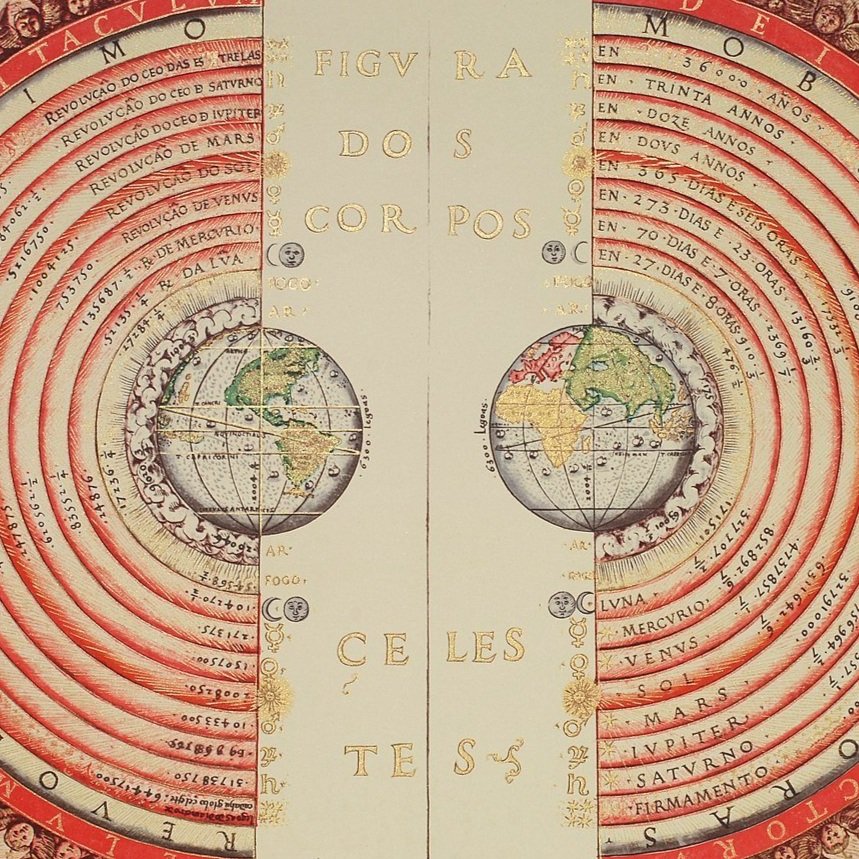
I'm a jannenberg and I'm tosses I'm waiting for my own rest of the talk There's the three of us good and I'm eating cornbread there you go something This is maybe the this is a horrible thing to think about as a teacher But there was something that my teacher did when I was in high school the way that they framed history class that has stuck with me for I don't know how long it's been so that they in high school 20 years dude say like seven seven years and By the way, we have YouTube and it was basically it was a teacher that you know it was teaching history class and they probably weren't all that into it and they were just sort of teaching the textbook and The history class essentially went like this the Roman Empire was big and cool and it did a lot of cool stuff and it was super organized and had laws and then it like went away and Then we had a thousand years of superstition and humanity was animals humanity we had a thousand years of religious superstition and then we had the enlightenment which rescued us from our Ignorance and now we live in that age now. That was the way my I had no problem with this and well the things at the time I didn't the thing I was like, okay, this is this is history cool. This is just a way worked and it made a lot of logical sense and and I Remember the French Revolution was somewhat like framed as kind of a good thing that wasn't a good thing But it was good that we killed kings, but you know it kind of went off the rails a little bit anyway whatever This was the framework that I had of like history growing up and I suspect this is a framework that lots of people had in sort of history growing up and And that started to change as I was sort of I read C.S. Lewis's book called the discarded image When I was in college or something and that book the discarded images We've done podcasts on it before I'm sure where Lewis is talking about the concept of the cosmos of the Middle Ages and what that meant for the people to Middle Ages and so What I kind of want to posit today is kind of a different reading of of history about the Middle Ages and how the Middle Ages sort of transition to this to the age that we live in now So that's that's sort of the that's the roadmap for today's sense.
Yes, okay, so Okay, so let's think about this for a second Roman Empire was the organizing principle of the Western world for like a thousand years And it was you could roughly divide it into two sections the Republic and then the Empire where you had a kid We had an emperor um And the Empire was a lot longer than the Republic, but that's sort of a natural a natural point of breaking into these two eras But if you think about being a person who existed in the Roman Empire think about living in the year, you know 80 BC or whatever we see what's the more what's the Way, yeah, yeah 80 years before Christ before the common era if you lived 80 years before the coming of our Lord and Savior Jesus Christ No, if you so like your world was you know people that we you know France, Spain, England, Greece, Morocco, Egypt Even as far as like the you know getting into the beginnings of India like that you had an organizing principle That was the the law of the land of the same laws. You have the same coins you had You had this concept of Roman citizenship and I was super easy traveling was easy because roads were good I mean you had a thing that lasted for a thousand years that gave structure to human beings that gave structure to humanity and Then the Roman Empire for all sorts of various reasons which we're not getting into this episode fellow part Some people think that it fell apart kind of like really fast and people thought it was like a sort of slow burn thing Everyone gives all sorts of different reasons as to why but then there was an era where human beings living in those same geographical reasons No longer had the actual like physical supports of Empire But also the any kind of the legal supports were gone the economic supports were gone and even the like So the support that comes with being in a place in a time and a people was gone you almost had like a existential loss when the whole Empire fell apart and there really was a period of For lack of you know 200 to 300 years of just sort of hand-to-mouth subsistence living and chaos in in the Western world And this is the era of like you know the Vikings and tribalism and you did not have big organizing structures Everything fractured down to really local and really small and really dangerous right the only people you could trust would be I like family or some sort of like close kinks of holes So things get real fractured real and real localized and and and you all sort of have like this this year of almost like 200 to 300 years of Probably a pretty chaotic kind of existence and then out of that emerges the beginnings of a new frame of structure of understanding everything both in terms of economy and legal and law but also in terms of like an Existential framework or the moral framework of the ability to sort of understand your place in this world So, you know kind of out of this you get Charlemagne becoming king in what you know, we would call France They wouldn't have called it that I mean King Charlemagne crown on quarter I think it's Christmas day the year 800 and and then sort of from there we now enter on Christmas And then we get into the Sorry, I would feel overshadowed by you. Yeah, maybe there's something. Yeah, it's like when you have your birthday on Christmas day Yeah, every Christmas everyone be like Mary Christmas.
I go to my coronation day Have a coronation day So and then you enter this thing called the medieval era and the medieval era gave a yeah economic and legal framework Which aren't really gonna be talking about but it gave this sort of framework of grounding life and authority and government and That kind of lasted for a thousand years Until you then began and then you have this other sort of massive upheaval and change and JJ You were sort of joking about being in the Renaissance living in the Renaissance that we're living in not joking Yeah, because that is a change is you have this sort of the change in technology was the thing that kind of began to shake The thousand years of the Middle Ages into something new and something different But anyway, let's I want to set up the sort of I want to give the Middle Ages It's due in terms of the framework that they gave to ground their whole structure The best way that you can think about this this this the framework of the Middle Ages is to kind of think of it almost like Frackily like what is true of the person is true of the family? So the next order up which is true of the government an extra order up Which is true of the cosmos the greatest order up and so man Individual man is a microcosm of the universe and if you go super big if you sort of extrapolate up to the cosmic level You have a structure and an order and a harmony and if you go all the way down to the human level You have that same structure of order and harmony well even even one more order up to God Yeah, God all the internal structure God also reflects it and then yes even the internal structure of God a father son holy spirit Is yeah, is the same structure as the universe which is the same structure as rational spirit and pettitive maybe there's some sort of Man that the structure of man is like is a microcosm of the of the cosmos and so in the mind of them for the person in the Middle Ages they They had a this idea of this grand model C.S. Lewis calls it this image and this image of everything it was a model that all theology science and history could explain in one complex harmonious mental model that's a quote from C.S. Lewis and that line of being harmonious is is important that everything in this model of the Middle Ages had a place it had a function and Everything worked if everybody sort of acted according to their place and function and there was harmony if that happened And then everything kind of fell apart if the various elements of that harmonious model rebelled against it And so this was the justification for why the king was king was because well the king was king because God appointed to be king and any Rebellion against him was going to be not just a rebellion against king But was going to be a rebellion against almost the very structure of reality itself was against the structure of nature itself You know and so this is why the killing of a king if you go back to any of this plantagenet series the killing of or the Obdicated the stripping of the crown and then the ultimate killing of Richard the second by Henry the fourth and his people ends up being this huge scandalous Things not just because it's like a political coup and like so you know the common medieval man is not like well new boss Same as the old boss.
They're actually profoundly troubled on like an existential level. Oh my goodness We have maybe disrupted the very harmony of reality itself. This is going to have bad implications It also doesn't help when there's like an eclipse Right and that freaks out but anyway, so the the structure of Government would be you have a king and then that king has his vassals and then those vassals have the people that they are in charge with the people And so too does man mankind has his rational faculties Which is the king and then he has a spirited faculties which are his knights his his vassals And then his vassals are the ones that sort of like do the things that the head says it should do And then you have the the people which are which are the pettitive faculties they want stuff they want stuff They're emotional and the fact that they want stuff isn't bad in fact They're wanting of stuff actually like compels the king to have to make decisions And so and then make the right decision So you can see that you've got the microcosm of man and you've got the micro and then the bigger microcosm or macrocosm of government Yes And then that as AJ pointed out that even extends all the way up to the macrocosm of God himself God is Yeah, I'm talking about We'll get to that so you've got God is king and then you have his heavenly hosts just like how the king has his vassals God has his vassals the angels and all of his heavenly hosts and then below that then you have his creation Which is like, you know, the people what do you want? Yeah, that's like there's God the head and then you have the angels and the his enforcers Which is like his army and then you have creation at the very bottom And so that's one fun misunderstanding That's modern is that the the folks who thought of the geocentric model that the you know the universe revolved around the earth thought The earth was the more important thing no most of them thought it was the garbage heap at the bottom of the universe It was made of transitive things that got destroyed at the rest of the universe was eternal and and and more godlike than we were in the further away You got from earth the better things got but I was talking about even in God himself You have a reflection of that tripartite soul you have God the father who's the rational and then you have the Holy Spirit Which is the spirited soul and then you have the son who is the the pettitive, right?
So even even the internal structure of God is another reflection of this internal structure And the Sun is the one that becomes incarnate the Sun is the one that becomes flesh and and if you haven't Pardon me the pettitive part like that, you know that sort of makes sense as well so in the So the structure that came out of that sort of chaos and I'm not a good enough of historian to know Sort of like what was happening at the end of the Roman Empire that there were the seeds of the beginning of this new Model that ended up becoming dominant for a thousand years and it is dominant for a thousand years because it does I positive that it doesn't really end until I mean It's a slow burn out and there's there's 200 200 and 300 years of chaos where it's where the models are fighting each other But I really think like the final stroke is the French Revolution quite Explicitly and symbolically you're cutting off the king's head. That's pretty pretty symbolic of like ending this model if the king is the head Anyway, I thought it was the the supernova. Oh, and you did that. No, that's the beginning of the end Yes, yeah, let me get there.
Yeah, we'll talk about the supernova in a second. So so the model of the Middle Ages. So you have the Um, um, sorry, maybe just gave me though. You should have a timer set look.
I literally was not even thinking about that Let's think about the champagne supernova. Oh, it's like a big soup. It's all a game of mine. Oh, they still make a music Not a clue.
You'd be the person to know. I don't know what the music is. Yeah, I give you champagne Thanks champagne for my real friends in real pain from my shamp hands. I love it.
All right, um I watched the 25th hour not too long ago. They have that in there. What's the 25th hour? It's a spiky movie.
Oh about this guy's essentially last night before he goes to jail. So anyway, he uses that quote. It was very fun Anyway, I don't know where I heard that first. I think it was a student that told me that was something people said Anyway, so with this model so um The model is supposed to give um a home to everything and it's supposed to sort of help explain things So like fire, you know fire goes up because fire has a place in this world and its place is up in heaven And so when we make fire and earth, it's trying to like go home Um rocks the home for rocks is on the ground and when we pick a rock up and we let go of it It wants to go home and so it has a place and that place is down So, you know, it has it has its own explanation for gravitation Has its own explanation for the things that we can observe in this world.
The model is supposed to explain everything So can I can I have a fun little jerk little extra into that? I I'll have also read this book and I love it And one of the things that cslos talks about is that whenever they talked about motion or what things wanted to do even the language They use was different so when we talked they talked about a rock falling It would be a rock being inclined to head towards the ground which was its own or the wind was inclined to blow That's what it like to do. It's the wind and it loves to blow Sometimes it'll do different things sometimes it'll do different things, but it's inclined to blow It likes to blow and this this way of speaking about the world almost personified all of the world And it is no more correct or incorrect than the way that we talk about things which is in terms of obedience That's Lewis's point at the end of the book. Yeah, the rock obeys the laws of gravity Right.
Well obedience is just as much personification as English the rock being inclined to fall That's addressing exactly what I was going to ask because isn't literally this entire world view Objectively wrong and that the rock does not wheel anything like there is gravity that has an impact on the rock But the rock is not willed to go down Yes, but we still we still use language that is a personification except one seems to steal a little bit of the life from the universe and the other Doesn't as much but yeah, a rock cannot obey things Correct, but that's where the old I don't know if this is a thing that comes up later and I don't know where the episode's going But like that view is wrong. Yeah, scientifically, it's probably correct I'm just saying that that's one of my favorite things is if you if you bring a little bit of that personification language back Man, it makes the world seem a little bit more magical. Yeah, sure. It's like one's a goal, right?
Yeah, so we'll be with you. Yeah, continue. Sorry. Um, yeah, so again, so you have this model that's developed that is trying to explain everything Um, it's trying to give a groundwork for the legitimacy of a form of government um, it gives a legitimacy for a form of Economics, which we're not really gonna get into but the idea of the sort of the monasteries and the fuel state Uh, and then the knights paying sort of vassalage to their king That honorable relationship ends up being the the ties that are binding the system together Whereas that's it becomes quite a different thing we get into the our more modern era where like our word and our The word one gives to and the loyalty one gives to a leader is not really a valuable thing anymore Um, but that was everything then um And so everything so the universe was was um was now fine with the world was finite and for very importantly for the mind of the middle Personal middle ages the universe was structured.
Um, and you had an explanation for when things seemed chaotic It was because things were acting out of their divinely and pointed appointed place Uh, if um, so in our plantations story people start to think things are going downhill for england because you know, our great king henry the fifth died Well, because his grandfather his father was an abig was advocating the throne and of course things are gonna go downhill We've gone outside the bounds of nature and put you know an unnatural person into the line of the house of england or the line of Kingland of course this thing's gonna go about um And the fascinating thing about the millages is this gets mirrored in everything It gets mirrored in the very buildings they make. Um, so, uh Cathedrals cathedrals and in here just bring it. No, it was it was I have it right here Sure So cathedrals are also meant to be buildings that symbolically embody this system of everything fitting into it When you walk into a cathedral they are built and designed to elevate the eyes up Right, you can go to any if you're on like a trip in france or you go on a trip And you're at this grand cathedral Just stand by the door and just like watch the people as they come in and as soon as they come in like their eyes are elevated up Into the cathedral to the windows to the light Everything is your whole point of view and vision is funneled towards the front towards the apps That is where god is to be Right in front of the apps is the altar where god comes down and comes to us in the form of the eucharist That's where the whole thing happens right like the very building itself is designed to fit into the system I'm sure there's probably even more rabbit holes that we could go down that that says that That structure of god which is a structure of man which is a structure of government Which is the structure of the cosmos is probably also mirrored in a cathedral in some way that I don't know about All that to say it should not surprise us if that is the case because this is how the the mind of the middle ages worked Is that there was a this that the cosmos was yeah finite and structured and ordered What was true of man was true of the cosmos and and all of these things sort of worked worked together So harm is a government's job was harm harmony like if a government is functioning according to nature According to the how it was made you were gonna have harmony and then discord was going to come in when things ever broke that apart Um, it should so it is not surprising that the things that begin to chip away at this image Is not people saying oh man doesn't it suck when we have a king who's kind of a jerk bag really that guy's appointed by god I mean those weren't the great scandals of the middle ages the great scandals of the middle ages were well You made reference to one. What was it the supernova?
Yeah explain it so for medieval man everything in the cosmos Beyond the earth was eternal unchanging right the planets were unchanging they're always on the same circular track the heavens were unchanging And all of this eventually led to god who was eternal not in the sense that it was a successive series of moments But and that he had basically illimitable life and time exploding in all in all directions always And so the like further away get got from earth the more eternal and better things were they considered earth to be the place where everything Sort of died, right? Which is not as good as being eternal and so when they saw something in the heavens and it changed that perspective clearly not everything in the heavens Was eternal something was different like that right there probably signaled to them that we have our model wrong Yeah, there was a star that was supernova and it did not it was a data point that they could not fit into the model Yep, and so this is so it makes a lot of sense that the things the thing that happened that began to chip away at the model was cosmic You had two, you know, and this is the thing that maybe a tenth grade high school english And when I was a kid got right, you know technology began to change the model and the first big one was the telescope When you have the telescope you were able to assess the heavens in a way that you couldn't before And you know you begin to see that holy crap mars is doing something weird And it's like you know the mars retrograde motion mars is not going in this predictable pattern every now and then mars goes backwards for some reason And this freaked people out Even the motions were sort of oh, did you know what was the cool thing that happened to mars this week? No, no, it went behind the moon. Oh, yeah, sure and you can actually watch mars So I saw it mars was what the moon was was out and right to the sort of you know bottom left hand corner of the moon You can see mars and then by the time about you know a couple hours later It was on the top left hand side of the moon went behind the moon it disappeared for a minute cool.
Yeah, cool It was super cloudy. We had trouble seeing it, but yeah, that happens week Anyway, so you have the tellers I know there's a turn it's not even any clips. It's like it's a there's something there's some name for it where it goes behind a planet a Moogly Marsy lunar looky-loo that time. How did you know?
Yeah? So you have the telescope and all of a sudden you have the other Acculitation of Mars OCC ULT at IOM. I like my better. Okay, so all of a sudden you had a piece of technology put into the hands of people that gave That everyone was expecting was going to be something that would help confirm the model and confirm the system and And then there was data points and things that they could observe in the heavens that were not easily fitting into this model um now Kepler Sorry Copernicus and Galileo both were astronomers Copernicus Did not run afoul of the church and Galileo did they were both essentially doing and saying very similar things They were talking about the heliocentric universe as opposed to the geocentric universe They were pointing out some of the Inaccuracy of the heavens that didn't really neatly fit into the model that we had had before and every so, you know Why didn't Copernicus run afoul the church by Galileo did well Copernicus attempted to fit the findings that he found we're not going to get into the weeds But he attempted to fit his data that didn't immediately fit into the model He was trying to fit it into not the structure of the universe not just because he wanted to he was superstitious or whatever but because The structure of the universe was also the structure of man which was also the structure of government Which was the structure of everything and and he really wanted to harmonize what he observed into Everything else about the about existence and Galileo basically was like Friggin don't care who cares and the reason why you know, um the powers that be go after Galileo is because Galileo was um The the implications of what Galileo Galileo didn't care about the system.
Galileo was sort of like progressing beyond the system and uh and was and you know was sort of positing that maybe the system isn't as comprehensive as we think it is and it's that piece of um extrapolation that begins that makes everybody nervous and why Galileo gets in trouble Is because he's not just calling into question the motion of the heavens like Copernicus is doing that Kepler did that Tycho Brahe did that The guy with the silver nose, you know this he lost his nose in a fight I think or he someone he lost his nose and he replaced it with a silver one. Yeah. Yeah, cool I know um but Galileo also in doing it was also implying that everything that we have in the system is is up for question And that's just like well now we're just welcoming in you know some sort of chaos and what what started this was technology Um the piece of technology meant that the um that the system itself Um could be could be scrutinized by more people and under its scrutiny It's inconsistencies began to trouble people right and then you have the printing press and the printing press was able to translate the translations of the bible and when you have translations of the bible Um you have the same sort of thing the bible now can be opened up to scrutiny from all sorts of different people and you now have disagreements and eventually those disagreements lead to um massive conflict within the church you go from from a sort of um uh universal catholic church of the year 1100 to the fractured church of the 1600s Because people look to read the bible and be like wait a minute the You know st. Paul talks about the priesthood of all believers, but I have a priest his name is Jim and he's my priest and who's right and These are questions that are going that need a lot of sort of contextualizing and going back to talking about Um, but when these questions what when this also is the framework for all of reality and government and ethics and the very Understanding of what it means to be a person is wrapped up in this harmonious system And now you have not only the bible, but you have the heavens Which are called which under closer scrutiny or calling into question the unity of that system Massively destabilizing cognitively to people like this must have been I don't even think we have anything well I don't even know if we have uh an equivalent to that today.
Maybe what will happen. Maybe what we're going through with technology right now Is something we kind of do as far as I understand. Yeah, let me tell a scope. We put out Yeah, this is my understanding.
I could be wrong about this I I've only done cursory research, but They were with that new telescope they can see further and further and further into essentially the past than ever before And what they were expecting to see was galaxies in their nasa stages You know as they as they form and develop they were expecting to see a certain thing as in accordance with the big bang It's not what they're saying. Yeah, they're seeing fully formed completed galaxies that are not commensurate with the big bang theory And so therefore we like big bang theory is being shaken. Yeah, that's my understanding So they're looking for a different theory of the beginning of the universe Thomas is I'm trying to googling furiously So the technology that you have again, you know begins to Poke holes in the in the system of understanding and the framework of making sense of the world It's it is increasing our knowledge, but it's also Undercutting the system that we put in place to fill in the gaps of the upper knowledge. Does that make sense?
so Yeah, so you had the telescope and you had the printing press just to simplify that that put the universe and the moral world and the scriptural world into greater scrutiny and then you had the Then you sort of had everything kind of fracture into a thousand different ideas. So in the middle ages What gave the government let's just talk government what gave government legitimacy? Well, it was that you were born and from a certain family and that meant that God wanted you to be king The motto or the like the creed of the British monarchy don't it is the actual like words that they say that is like This is our motto. It is the motto is God and my right That is that is the motto of the British of the British crown.
It's super curious to me Whether or not charles is going to say that when he becomes coronated That's what they're supposed to say I guess in Latin maybe but God in my right In fact, this was often what kings would yell when they were running up when the British kings would go into battle They would yell God in my right and that was the underpinning of you know of their of the authority and the legitimacy of their government But yeah, like isn't that then a false legitimacy like sure? I mean, it depends on how you want to I just want like a So this model is built up and it said that like all this stuff is built in a certain order and that order is mirrored on earth And then we find out actually the universe isn't modeled the way that we thought it was like shouldn't there then be that People so there's two ways to think about it either the universe either the universe isn't the way we thought it was and the model needs to be destroyed And that's the more sort of chaotic way to go about and that's what is happening The other way to look about it is um the model is still right But we need to be able to sort of fold in these new things into the model and maybe change the model a little bit to incorporate this But not completely blow the whole thing up altogether But when the thing is when the model is undergirding everything from the man's understanding of man to like how nations are formed to how laws are passed to you know how wealth is and is used The shaking of the model leading the chaos option is probably like the path of least resistance for human beings Then the like slow modification model, okay And so now you get in this era of of this like This working out of of all of these new things and you get all of these brand new questions getting put into it What is the grounding of the authority of a government for example? Well, that's where you get Rousseau Now you've got Rousseau who says it's like, you know when people are in their natural state They're happiest but they have to give things up Then you've or you've got hobs which says people are in natural state like friggin hate each other and the only way to keep each other from each other's throats is to create government You now have a million different theories as to how things should be organized coming out of the blown up unified theory of the Middle Ages I'm not saying that this is a good movement for humanity or bad movement for humanity I'm just saying that this is this is what sort of this is what was happening But what you do have in the history of Europe and the history of the west is you do have another kind of 250 years of kind of chaos And those were the religious wars Probably one of the I think one of the darkest times for in Christian history is you have Catholics and Protestants killing each other You have the French butchering the Huguenots, you have the English killing the Catholics You have different nations sort of doubling down on theological positions Because of also because of political reasons So the Irish really go into Catholicism because it's not Anglicanism and it's not and it's not Presbyterians The Presbyterians in Scotland because I don't like Anglican like you have this real sort of dark sectarian time in the church where everyone's sort of going at each other's throats and This doesn't really end until and so the more fashionable thinkers are the ones that are the deists or the ones that are like Let's take religion off the table Clearly if we have religion and government or religion and civil life to intermixed we're going to be killing each other So the the more enlightened thinkers are the ones that are like God is a watchmaker who creates the watch and hits play and then off it goes and and then leaves us to our own devices and it's up to us to figure things out You know that's our the deistic position And so the more sort of enlightened position at the time is to say can we create a society That can incorporate a bunch of different points of view and a bunch of different positions and a bunch of different Theologies and religions And has a grounding an authority that doesn't have to go back to the old model of the middle ages that had been organizing us for a thousand years They have the sort of this dream of the tolerance society this dream of a society that can incorporate different kinds of people and then um And then you have two yeah, so that's kind of like that's what Rousseau is thinking of that's what Hobbes is thinking of That's what the lock is talking about. That's what all these sort of political thinkers are getting Are are are positing and hoping for and they're all coming out of essentially 200 years of Of religious conflict and then different kinds of experiments of government So the French double down on the divine right of kings and they say like Louis the 14th is like almost god, right?
There's there's one flavor and you've got the parliamentary flavor in England You've got republican flavors coming up in different places You've got the germans who are like pretty pretty quick to put their kings to the side and and you you know And you kind of have this federation thing going on right like um You have all of these sort of different experiments of this but in the background there's this question of okay Can we have a society that is that can be peaceful so we're not at each other's throats But these differences can remain we can and we don't have to have religious purity tests for people to be part of society because in England You can only like get a job if you're Anglican if you're a Catholic yet to like pretend you weren't um Can we have a society where that doesn't have to happen? um And you know and you sort of have two attempts one that failed in the French Revolution and then one that was successful in the american revolution um and um The French Revolution, you know I think that the killing of Louis the 16th and the cutting off of the head of the king is that sort of Is the final act in the the in the chaos that started with that supernova So that supernova comes and everyone says whoosh like This doesn't jive And then you have the people rising up and cutting off the head of the king and saying you know This system is not right like there's a better way to do it and they try to enact their sort of republic it doesn't work That's actually really interesting. Why do you think the French Revolution? Why do you think the French Revolution didn't work where the american revolution did in terms of the French Revolution not work?
Yeah, because you have 10 years of butchery and then you get basically a god emperor king Napoleon 15 years later Why you're saying it worked because like the monarchy ended yeah, but that wasn't the whole goal of it the whole I mean monarchy ended But they just replaced it with an emperor emperor Fair enough. Yeah, I don't know Geography asked me part of it the fact that you're like Yeah, imagine you're a French peasant and you're walking down the street and you see the temple You see the cathedral of you know you see one of the ancient cathedrals you see no to the almond paris That's a reminder of the old ways, but if you're a dude walking down like uh walking in boston Like you don't you don't have visual reminders of the old ways you were part of something new So there's probably something to that the geography of being able to get out of the old world and go to this new world and try this new thing That's sort of like that has the america has them sort of like the positive energy that has the negative energy if any sense And it is people fleeing the religious persecution anyway coming to america so So then yeah, you've got this anyway, yeah, so out of An organizing principle that lasted for a thousand years like in the middle ages you have a period of sort of 200 to 300 years of real political Economic and and existential chaos like the the framing of who a person is and what his allegiances are He's fundamentally shaken so you would have somebody like ruso or even just think of the romantics people to come up and say like you know It sucks families like we don't need family uh marriages this like construct or man is born free and everywhere is in chains like that is not a medieval phrase Um, it's you know, um, you know, man is born as part of the grand imperium and is everywhere happy That's that's um So you have this 200 years does his job Yeah, if he stays in his roles if you stay in your lane like that's so British right like just is this like do your lot Right. That's also uh plutonium Yeah, yes exactly Yeah, and so then you have 200 years of a lot of experiments and a lot of chaos and a lot of bloodshed and out of that bloodshed You know the beginnings of a new way of doing something and so then it just raises that question is that america that sort of the american experiment of the um Tolerant so in other words having lots of different a society that can absorb it incorporate different viewpoints on those existential questions Um, so a tolerant society a secular government I know it's probably wrong people the wrong way, but I really think that's part of like the president does not grab the parliament Or sorry, congress does not ground their authority in divine appointment. So we also will have the signals Yes, it is the will of the people.
Um, so in that sense, it is a it is a secular grounding So a tolerant and secular grounding Um, and then we can talk the economic model as a whole other podcast Is that an organizing principle that and I mean democratic representative government Um, is that the it's sort of the next a thousand years organizing principle? Um, that will one day then be rocked by some kind of like technological advance that ushers in 200 other years of chaos and and then another move to another organizing principle Um, anyway, maybe maybe we can save that that conversation for the uh, yeah after this. Yeah, I think the answer is maybe we can sort of bat that Idea around in the in the after part. Um, but it's not plenty of time I know but I'm just but I guess what I wanted to get across with this framing of it is that you Um, is that we as modern people who are living in in the framework?
This is kind of what you were getting at with Um, should we look our noses down at the medieval person that said the rock is inclined to the earth when we definitely know that it is obeying the laws of like it is It is obeying it is being this sort of like scientific fact that we have this thing called gravity Which might I really explain but it's a thing and then it's a way and the rock is doing it Um, um, are we not just in as much of a system that we've constructed in order to make sense of the world to give Um, a definition of what it means to be a person a definition of what where we ground the authority of our rulers and our government a Um, a framework to understanding the universe Infinite and amoral that's that's our that's our our groundwork the universe is infinite and it has and it is bound It is just physics and rocks and fireballs. Um, um, um, um Yeah, so we we have a system and that system is going to be the organizing principle for human beings for a thousand years The middle ages had an organizing principle that was that works for a thousand years until technology called into question and then the roman empire They going back they had a system that lasted for a thousand years that that changed and you had sort of 200 years of chaos And you get kind of into this sort of, I don't know Who are those fourth turning dudes? What are those guys names? Strauss Yes routes and how?
Um, then you get into that kind of like reading of history that you have the sort of cycle thing going on that you have this like You have an era of humanity where we have a I don't know if it's an idea It's a mental model that everybody that everybody is a part of that gives structure to human beings and allows us to exist and that is mostly unshakeable and it's mostly unshakeable and it is it is um, total In its in its definitions of all sorts of various realms economic government moral Physical metaphysical it is a system that unifies all those things into Giving us a framework for action in life And then there are areas of human history where that framework gets absolutely obliterated and man sort of reverts back into this sort of Sistence living chaotic time And then out of that chaotic time comes the beginning of a new system which then has its time in the sun for a thousand years And then that system does the exact same thing although in a different system It gives structure to our sense of self, sense of universe, morality, government, economics All of that's bound up together and then that system gets blown apart Maybe blown apart is too strong because it does take From from erode it. Yeah erode it that's even better because it goes from an eclipse to you know The chaos of the French Revolution is 400 years um And then um They were cool with the eclipses wasn't it the supernova? Yeah, um the eclipses you could predict Right, and then you saw a bunch of them Like those when they're first rodeo with the eclipse um and then out of the chaos of the religious wars comes the beginning of the uh, uh Of the american society that the society that or the the society that's based on on Well life, liberty and the pursuit of happiness. These were that wasn't just an american idea The French Revolution had their own fraternite, egalite, brotherhood, freedom, and equality You know, and so they had their same kind of a concept didn't really work in france um worked better in the u.s and um And so then we now have this we have some sort of model that we're under a model that tells us who we are In terms of what a human being is what the universe is the economic principle and Uh, the the structure of government and all of these things are in a mental model And then what is going to be the thing that comes and completely blows that apart.
I have no idea There's it's probably I don't know ai or something. I was gonna say so I started this episode. Are you? That's that's sort of that that's what I wanted to let's start this episode by saying that we are sort of in our own renaissance And I absolutely believe it in the past 30 years We've seen technical revolutions and societal revolutions that would have taken ages and ages and ages to do in past right?
We're seeing revolutions in art. We're seeing revolutions in I mean, especially technology I think it's gonna have incredibly far-reaching implications and I as you were talking I I'd only thought about how we were in a renaissance and how a lot of people don't sort of realize that we were in a golden age of civilization I was thinking okay What's what's the next chaos and I think I think it's going to be you said maybe ai I think Star Trek predicted well and so did Kurt Vonnegut in his book player piano when he talked about the devaluation of the human and eventually We are going to sort of give over most of our responsibilities to machines and then realize that that has basically made us Worthless and useless and then have some sort of reaction against those machines or some sort of revolution according to that I don't know. That's the only thing that's coming. I think Ideologically we're seeing the erosion of our model right that we tolerate all ideas and that is the very center of our our ethos And I don't think it's a functional one I don't think it works very well And I think that's that's kind of eroding along with perhaps I mean I told you about the big bang model kind of up for grabs right now And I think the same is coming slowly for evolution I know this is gonna make me sound like a like a caveman But I don't think the evolutionary model works.
I think there's several scientific problems Well, if I can just jump in for a second like we dunk on the middle ages and say man, they're models So they had such inconsistencies. How can anybody ever believe that and yet we have a model that says It is a material universe where we are just hormones and electrons and carbon And you have like a moral realm where you need to do right and wrong and we can build laws about what is correct What what is right and what is wrong? I mean, it's a hard time really squaring that circle and you know someone can vary someone from the villages can very easily look at us and say like How can you hold those two things together at the same time and not realize they're in consistency and be like, oh, well, you know, the model works Yeah, you can't you can't derive an imperative mood from indicative food So by pointing out that this is what science is telling us I can never say therefore we should do X Yeah, you cannot do it But we but we still operate and function in this world as though we do and then but like when you ask people what they think about Well, what is what is a person? You you know, you were gonna get the person that says, oh, we're just we're just you know, meet and then they said But you should also not be patient.
Yeah, but there are these things you ought to do But it is a cold empty meaningless universe. It's like, oh gosh, how do you how do you fit that thing together? So there's inconsistencies in our model just as there's inconsistencies in in the medieval model And presumably there was inconsistencies in the Roman model and how well that's gonna kind of fall apart is the big question. Yes, yes But isn't the I mean the value then becomes reducing human suffering take that as an example and that's why like sure We're meeting electrons and hormones and whatever but so everyone else and so because I want things to be a certain way for me I also want that for others.
I don't want to be I don't want people to be mean to me So I don't I don't want to be hurt myself therefore I don't want others to be hurt like there's you can get a you can get a principle from that and the principle ostensibly is Selfishness, right? I do these things because I don't want to be hurt But then why should I ever go to war because my person's way of life would be there's would but my way of life would end I'm totally cool with hurting you so I don't get hurt No, I don't hurt people like no, no, no, I don't want to get me. I don't want to hurt. Don't hurt my people right I don't think the inconsistency it causes ethical problems like based on that system I could never ask someone to go to war on my behalf they would ask oh so so I guess less suffering for the species is a good thing But why should it have to be his suffering?
right like and why should he so he's dead why's he care about the suffering everybody else yeah But this is then where technology requires there not be as many people to go to war therefore you don't like it That's just that's a lucky dodge from an ethical question the answer to the ethical question was the threat I don't this is taking things a field of I think what the draft was to force people into fighting that war because they were a part of a Society right and the technology solves that problem by it's no longer humans going into that war right? It's machines that are taking that place through my point is when the when the ethos is selfishness avoiding your own suffering that That causes a whole lot of other problems for things that we want for other folks Why why should I care about how justice is done so long as it just isn't done to me and anybody who bothers me is taken care of Why should I care about racism? Yes, that's the same thing of again you do things that you don't want done to you You don't want to others. I think why my question is why don't I want pain?
Why don't I want why do I care what happens to other people because because of the selfishness that I don't want it done to me? Because I don't want pain done to me Then I shouldn't care about humanitarian issues on the other side of the world They're not ever gonna do anything to me I give two reps right the only reason I could ever be involved is because it sets perhaps a principle that could therefore come upon my own head It basically reduces man to only his most base preferences I simply don't want to suffer and I'll only help you if you could possibly cause me suffering in the future That's not that's an ethos. It doesn't Morality again, I'm not sure this is the point Graham is getting to but even that of like I want to reduce someone else's suffering is because I know what suffering is I think this is a It's someone's point of like the only thing that you know people feel is pain I'm gonna get this wrong But it's like I know that they're suffering in the world and I know that there are ways to reduce it I know what's suffering feels like for me. So then like why not reduce it?
I don't like again I just don't want to get into a caricature of like people I don't I'm not sure going down this path is fruitful My mind but I see what you mean not to not to under not to give a straw man to the the ethical framework on the other side Is that what you're trying to establish sure the thing I'm Green I think you are wanting to say that things were better in the Middle Ages No, no, no, I'm just I want what I'm wanting to do is I'm wanting to give dignity to this to a thousand years of of You know a huge part of the globe had for a thousand years had a system that kept every that that sort of Kept a civilization going without it completely devolving into just assistance bloodshed and we have that now Yes, there are wars and things, but I mean we have a we have a Coherent system. Yeah, the middle and the middle ages had a coherent system And then we have these periods of breakdown and then new systems emerge from them And I'm wanting to point out that there are inconsistencies and incoherentcies in the system of the Middle Ages and there are Incoherentcies and inconsistencies in our modern system and some new piece and usually technology or yeah technology or people starting to Critically engage with their with the system that they live in that starts to call that system into question or even huge political changes in the case of the Roman Empire Yeah, um that those are those are the areas upon which like There's usually like a disproportionate show of force against those people so like you know they throw the book at Galileo Because if he's right everything we're doing is wrong And so there's there's got to be people right now that are doing something similar who are calling into question the legitimacy of the system That is what it means to be a person what grounds the authority of our government? Our understanding of the universe and if they're right, I can't think of an example of top my head But if they're right then that then the book's gonna be thrown at them as well The only thing that I can think of is if one of our beliefs in this tolerant system is that sort of Human pleasure insofar as it doesn't hurt other people is an okay thing This gets into real sticky problems of what happens when we can create you know Sort of robots that look like people that aren't people and we can do things with them We can get real dark and say robots that look like children and maybe that's what we give to people that are pedophiles So that we can like take them away from get them out of our keep them away from schools and let them sort of enter into their Into their whatever they've got with something that is more benign though Those things are those things are It's that kind of thing that that is Shedding out is sort of pointing a light to the to the the organizing system that when people look at it Oh gosh, maybe this isn't there's something there's something wrong about this just like when Galileo looked up and said The universe isn't what we thought it was people were like, there's something wrong about this like it's just Those things that sort of destabilize us in our full understandings of the way that that everything works It happens when there's periods of really mass technological change and as AJ really points out we're kind of in one And you see signs of that destabilization, I don't know I don't know because it's just like in the example that we were talking about like you've got you've got it kind of working away In the background and it doesn't really come to its violent head for like 200 years later So you just sort of wonder if there are things working in the background that are the seeds of the destruction of the current system And are also sorry the engines of destruction of the current system and the seeds of the creation of the of the new system That's going to be coming in So, you know, Alistor McIntyre very famously says that Benedict and the Benedictine monastery where the seeds of the new system that basically powered Europe after the fall of the Roman Empire You have these monasteries which are these small little microcosms of government that end up being superimposed over the rest of Europe And that ended up being the system that they had and then so, you know, what is that right now? Is it happening right now?
Maybe it's not even happening right now. Maybe that maybe those maybe our supernova isn't for another generation or whatnot but to but that sort of that that challenges the more modern notion which is that history is sort of like up into the right in terms of value and betterment and and and rightness that our system is more right than the system of the Middle Ages and Maybe it is maybe it's more technically correct to say that the rock is acted upon from gravity a thing that we don't have a definition for Because how would you define our system? That's everything is material. Do you think you're saying?
Yeah, that's a great point. That's a great question too is do we how the thing is we don't have as unifying a system as the Middle Ages does We have a much more a mosaic nature to our system. Whereas, you know, because we can have People who believe in the eternal soul buying groceries next to somebody who thinks that we're that we're just Better animals, you know, and so then so we kind of don't have that unifying system in society Which is the system I guess the system of of sort of Something that something that can catch all beliefs in a way that is that we're not going to kill each other over it Why does keeping us from killing each other? I guess it's like material prosperity.
I don't know Yeah Your predecessor taught the government class would pose that question of what's like the common good that motivates a free frame to this What is the American American? Yeah, I think the economic one is probably under play like I think that's a better answer I think it's true I think the fact that like we aren't the fact that the thing that holds a lot of this together is that we have a lot of our needs to Take care of and we don't need to fight over the framework of it because we've we have things because we're allowed to have our own thing Yeah, I'm not gonna go totally bananas over your things long as I'm allowed to do my own thing Yeah, and if you're not gonna get if ages not allowed to have things because he's Catholic, you know, you know, like we do But no, he can't even if he's Catholic or not if he's Catholic you can still have a stuff So there's no there's no reason to like go to the mattresses over over those sorts of things whereas in the middle ages like You're getting off stuff really did depend on how you fit into the system because if you were outside of the system Well, you were in rebellion against the whole and that meant that things were not gonna be harmonious That's why I think that and maybe this will go into in between I'm not sure but like in terms of thinking about what our system is versus middle ages I think it's closer to the everyone gets to believe whatever they want to unless to the we're all meet walking around with electrical signals Because like yeah, we are okay with yeah, I can kind of whatever they want to and then I think you know I think there's a great cake like I think it's a great improvement of we can live alongside people who are wildly different from us And not get each other and I think that's like in terms of moral improvement that's like be up there in the top five I think you're right. I think you're right. I know people think I'm gonna come across as someone who's a big dumpy shorts over the Modern system, but I do you look back at all the kinds of systems that exist and this is the best one.
Yeah, and there I think it's interesting. We should probably think more about what those inconsistencies are like Like we're doing pretty good, but I'm pretty good not only know our inconsistencies But also really understand what does ground our beliefs in the institutions that we have sure because what does give like on paper What gives the government its legitimacy is the will of the people and is that how is that is that how it's actually functioning itself? Like it isn't working that way probably. Yeah, so then we need to think okay.
What are the things that could happen that would absolutely blow that Belief an institution out of the water. Well, it would be if we did not have free elections. That would be a big deal. Sure.
Anyway, cool So, yeah, I don't know what the whole point of this episode is other to say that I Find that to be a much more Honest reading of history to say I don't know if you can extend this backwards But to say you had a thousand years of the Roman Empire and then you have this year of recalibration I was chaotic and you have a thousand years in the Middle Ages and you have these 300 years of recalibration that were chaotic ended in the French Revolution which is quite symbolically Decapitating the system, right and now we're living in this era of this of a new system that we live in and you know It's only three only three hundred years in or whatever and I I'm more I know some people think that I'm doing But I think I'm actually more of the camp that this thing runs for 700 more years before something completely replace it up. Yeah, yeah Well, this has been classical stuff. You should know once again. I'm AJ.
There's Graham and also Thomas and you can email us at the guys classical stuff net we don't always respond to those just because we have busy lives and we're in school and So this are going you know just finishing going to school in school school. Okay, so how much is a graduate college? Congratulations your BA, right? So yeah, you find the guys we don't always have time to reply to them But we will read them so if you don't get a reply doesn't mean we haven't seen it We just have not have to reply to all of them.
You can also visit our patreon at patreon.com.com.com slash classical stuff You can tweet us slash at was it at CLSS CAL stuff CAL stuff and I think that's it right. You got it. Oh website classical stuff Yeah, all right cool. Well anyway.
Bye. Bye