
EPISODE · Dec 5, 2024 · 34 MIN
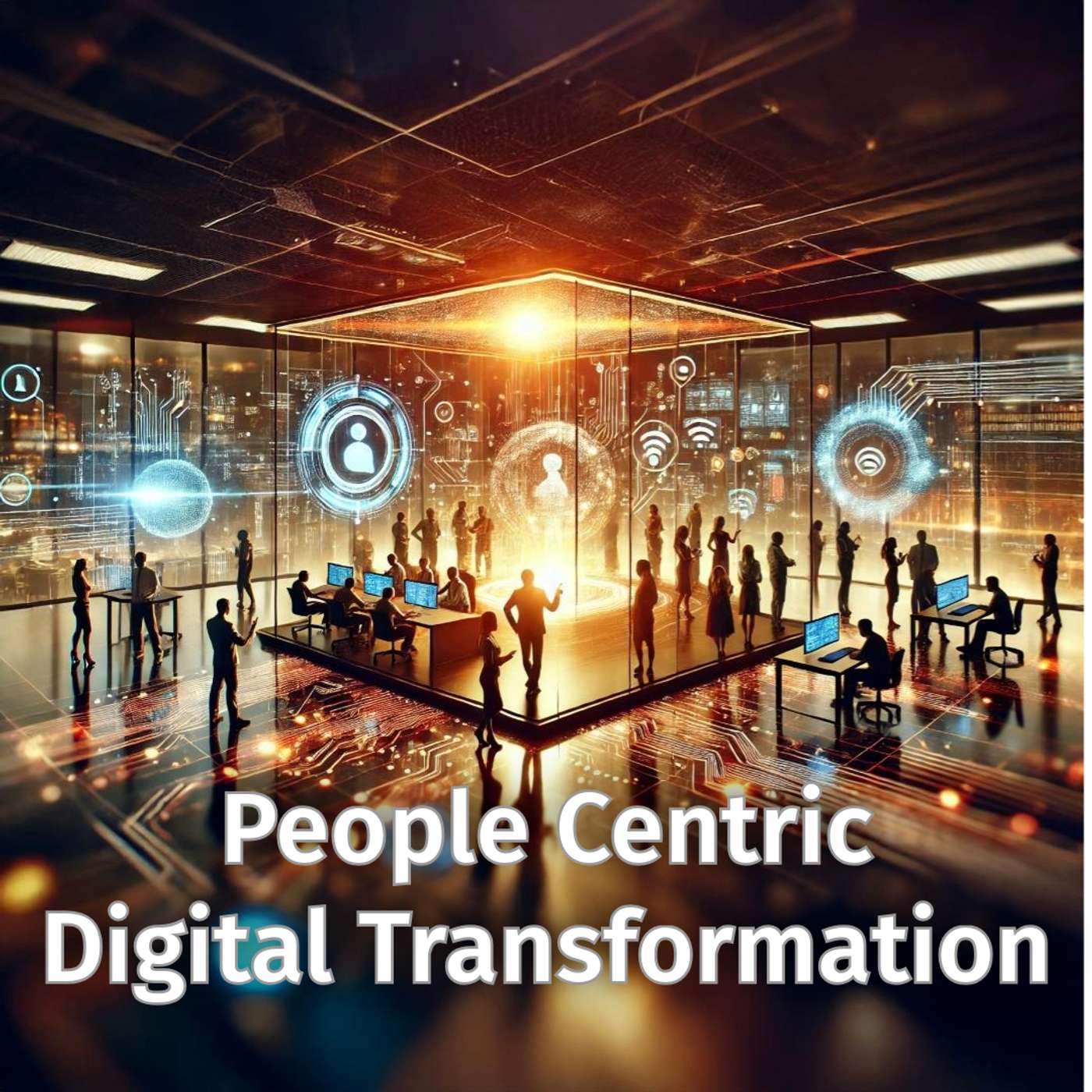
#234 People First Digital Transformation
from Embracing Digital Transformation · host Dr. Darren Pulsipher
Check out my new book AI Augmented Teams on Amazon or on my website paidar.ai/books.In this conversation, Darren Pulsipher and Suriel Arellano explore the intricate relationship between technology and people in the context of digital transformation. Suriel shares his journey from a technical background to becoming a leader in integrating technology with a people-first approach. They discuss the challenges organizations face during digital transformations, emphasizing the importance of culture and change management and addressing fears of job displacement due to AI. Suriel introduces a cultural transformation framework involving top-level executives as culture shifters, mid-management as culture changers, and all employees as culture bearers. The conversation concludes with insights into the future of technology and the necessity for organizations to adapt to ongoing changes. Takeaways * Suriel's journey from technical support to leadership in technology integration. * The importance of a people-centric approach in digital transformation. * 70% of digital transformations fail due to resistance to change. * Technology should empower humanity, not replace it. * Cultural shifts are essential for successful technology adoption. * Job displacement concerns must be addressed proactively. * A top-down approach is crucial for cultural change. * Organizations must adapt to the rapid pace of technological change. * The ecosystem around revolutionary technologies is vital for their success. * Change management strategies are necessary to mitigate fears and resistance. Chapters 00:00 Introduction and Backstory 06:01 Challenges of Early Technology Adoption 12:07 People-Centric Approach to Technology 18:04 Addressing Job Displacement Concerns 24:03 Framework for Cultural TransformationIn this conversation, Darren Pulsipher and Suriel Arellano explore the intricate relationship between technology and people in the context of digital transformation. Suriel shares his journey from a technical background to becoming a leader in integrating technology with a people-first approach. They discuss the challenges organizations face during digital transformations, emphasizing the importance of culture and change management and addressing fears of job displacement due to AI. Suriel introduces a cultural transformation framework involving top-level executives as culture shifters, mid-management as culture changers, and all employees as culture bearers. The conversation concludes with insights into the future of technology and the necessity for organizations to adapt to ongoing changes. Takeaways * Suriel's journey from technical support to leadership in technology integration. * The importance of a people-centric approach in digital transformation. * 70% of digital transformations fail due to resistance to change. * Technology should empower humanity, not replace it. * Cultural shifts are essential for successful technology adoption. * Job displacement concerns must be addressed proactively. * A top-down approach is crucial for cultural change. * Organizations must adapt to the rapid pace of technological change. * The ecosystem around revolutionary technologies is vital for their success. * Change management strategies are necessary to mitigate fears and resistance. Chapters 00:00 Introduction and Backstory 06:01 Challenges of Early Technology Adoption 12:07 People-Centric Approach to Technology 18:04 Addressing Job Displacement Concerns 24:03 Framework for Cultural Transformation The Human Element in Technology IntegrationAs we rush towards the next significant technological advancement, it’s essential not to forget that technology exists to serve humanity—not the other way around. The importance of placing people at the forefront of digital transformation cannot be overstated. When organizations fail to consider the human element, they risk encountering significant resistance to change. However, when done right, digital transformation can lead to increased efficiency, improved customer experiences, and new business opportunities. Organizations that adopt a "people-first" approach understand that employees are often the first line of interaction with technology. When they feel overwhelmed or threatened by new systems or processes, the effectiveness of these technologies diminishes. This reluctance to adapt can lead to failed implementations, reduced morale, and higher attrition rates. Thus, investing time and resources in training and support systems can greatly enhance user acceptance and application, ensuring that technology empowers rather than hinders the workforce. Moreover, involving employees in the digital transformation process not only fosters a sense of ownership but also empowers them. Engaged workers who feel they have a stake in the transformation will be more likely to champion new technologies across their teams. This human-centric strategy promotes a smoother transition and can lead to innovative ideas on leveraging technology to enhance productivity. The Role of Leadership in Digital TransformationEffective leadership is fundamental in guiding organizations through the complexities of digital transformation. Leaders must champion a cultural shift that embraces change and innovation, focusing on agile methodologies that adjust swiftly to new technological environments. By adopting a top-down approach, leaders can better communicate the vision and benefits of technology integration, actively steering their teams through periods of uncertainty, thereby instilling confidence in the process.Leaders should also empower middle management, allowing them to serve as crucial intermediaries between executive goals and frontline operations. This collaboration enables better alignment of initiatives and more effectively addressing employee concerns. When middle managers are equipped to advocate for transformative technologies, they help bridge the gap between strategy and execution, thereby increasing the likelihood of success. Their role is not just to implement changes, but to champion them and guide their teams through the transition.Furthermore, transparency about the potential impacts of technological shifts—both positive and negative—demonstrates that leadership is committed to the well-being of their teams. Addressing fears and misconceptions surrounding technology, such as job displacement, fosters an environment of trust, enabling more open discussions about how these tools are not threats but allies in achieving organizational goals. Cultivating a Supportive Organizational CultureAn organization's culture can either inhibit or facilitate digital transformation efforts. When organizations prioritize a culture that values adaptability and continuous learning, they are better positioned to navigate digital disruptions. This supportive culture not only encourages experimentation and innovation but also empowers employees to feel confident trying new approaches without fearing failure, thereby fostering a sense of encouragement and motivation.To support this cultural shift, companies can implement frameworks that identify and nurture “culture shifters”—individuals within the organization who can drive change from within. Organizations can create a grassroots movement that supports digital initiatives by recognizing those who are enthusiastic about technology and empowering them with leadership roles. Additionally, organizations should offer professional development opportunities focused on digital literacy. Regular training sessions that keep employees...
Embed this episode
NOW PLAYING
#234 People First Digital Transformation
No transcript for this episode yet
Similar Episodes
No similar episodes found.
Similar Podcasts
No similar podcasts found.