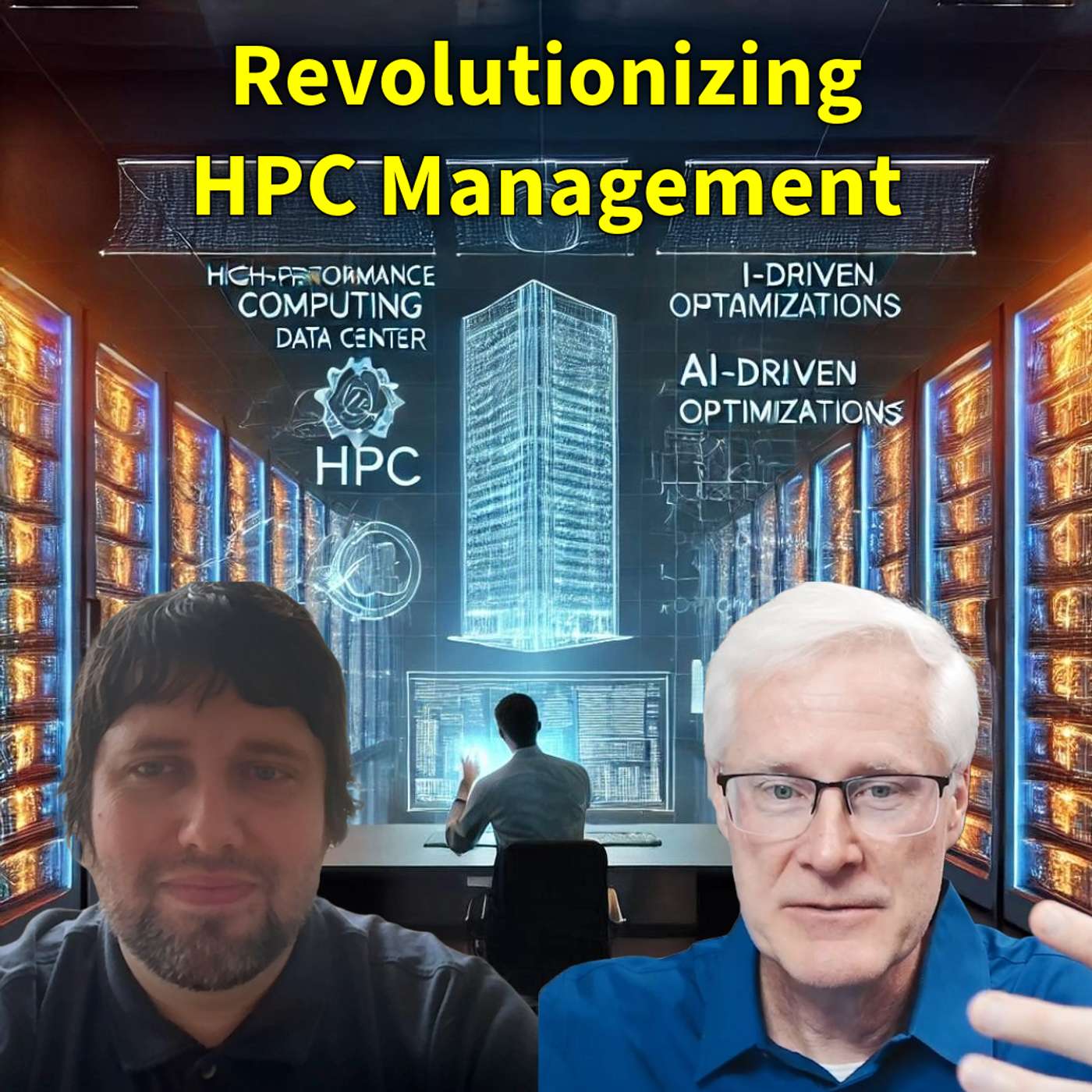
#239 Revolutionizing HPC Management episode artwork

EPISODE · Feb 4, 2025 · 31 MIN

#239 Revolutionizing HPC Management

from Embracing Digital Transformation · host Dr. Darren Pulsipher

Check out my new book AI Augmented Teams on Amazon or on my website paidar.ai/books.In this episode, Dr. Darren interviews Aaron Jezghani, who shares his journey from being an experimental nuclear physicist to managing high-performance computing (HPC) at Georgia Tech. He discusses the evolution of the PACE (Partnership for an Advanced Computing Environment) initiative, the challenges faced in managing a diverse and aging hardware infrastructure, and the transition to a more modern consumption-based model during the COVID-19 pandemic. Aaron emphasizes the importance of collaboration with faculty and establishing an advisory committee, stressing that the audience, as part of the research community, is integral to ensuring that the HPC resources meet their needs. He also highlights future directions for sustainability and optimization in HPC operations.In a world where technological advancements are outpacing the demand for innovation, understanding how to optimize high-performance computing (HPC) environments is more critical than ever. This article illuminates key considerations and effective strategies for managing HPC resources while ensuring adaptability to changing academic and research needs.  The Significance of Homogeneity in HPC ClustersOne of the most profound insights from recent developments in high-performance computing is the importance of having a homogeneous cluster environment. Homogeneity in this context refers to a cluster that consists of similar node types and configurations, as opposed to a patchwork of hardware from various generations. Academic institutions that previously relied on a patchwork of hardware are discovering that this architectural uniformity can significantly boost performance and reliability.A homogeneous architecture simplifies management and supports better scheduling. When a cluster consists of similar node types and configurations, the complexity of scheduling jobs is reduced. This improved clarity allows systems to operate more smoothly and efficiently. For example, issues about compatibility between different hardware generations and the operational complexities associated with heterogeneous environments can lead to performance bottlenecks and increased administrative overhead.Moreover, adopting a homogenous environment minimizes resource fragmentation—a situation where computational resources are underutilized due to the inefficiencies of a mixed-architecture cluster. By streamlining operations, institutions can enhance their computational capabilities without necessarily increasing the total computational power, as previously disparate systems are replaced by a unified framework. Transitioning to a Consumption-Based ModelTransitioning from a traditional departmental model to a centralized, consumption-based approach can fundamentally change how computing resources are utilized in academic settings. In a consumption-based model, department-specific hardware is replaced with a shared resource pool, allowing flexible access based on current needs rather than fixed allocations.This adaptability means researchers can scale their computational resources up or down, depending on their project requirements. The introduction of credit-based systems allows faculty to access compute cycles without the rigid confines of hardware limitations. Institutions can facilitate collaborative research by effectively creating a private cloud environment while optimizing costs and resource allocation.Implementing such a model can significantly enhance the user experience. Faculty need not worry about occupying space with physical machines or the responsibilities associated with maintaining and supporting aging hardware. Instead, researchers can easily acquire resources as needed, encouraging experimentation and innovation across disciplines. As an added benefit, this approach allows departments to maximize grant funding by avoiding the traditional sunk costs associated with equipment procurement. Enhancing User Engagement Through Effective CommunicationAs organizations shift their HPC management strategies, maintaining open lines of communication with faculty and researchers is vital. Establishing advisory committees consisting of IT professionals and faculty is an effective way to gauge needs and proactively address concerns. Transparency in operational changes, such as the introduction of new software systems or the shift to a consumption-based model, fosters an environment of trust and encourages shared insights about the computational needs of faculty across various disciplines.Additionally, providing educational resources such as workshops and tutorials can help demystify HPC operations for those unfamiliar with advanced computing concepts. Offering easily accessible interfaces or platforms, such as web-based dashboards, can enhance ease of use and increase faculty adoption. The goal is to bridge the knowledge gap and empower researchers with the tools they need to succeed. The Path ForwardAs academic institutions continue to adapt to the evolving landscape of research computing, the importance of efficient HPC management cannot be overstated. By focusing on homogeneity, resource adaptability, and user engagement, universities can navigate the challenges presented by modern computational demands.The ongoing developments within high-performance computing environments underscore the need for innovation in management practices. By embracing change and fostering a spirit of collaboration between IT and academic stakeholders, organizations can enhance their computational capabilities and drive groundbreaking research across varied fields. As the future unfolds, the ability to be agile and responsive will define successful HPC strategies.Interested in exploring more about high-performance computing and its transformative potential? Engage with your local research computing community or reach out to your institution’s HPC group to learn how they are reshaping the future of research.```

Check out my new book AI Augmented Teams on Amazon or on my website paidar.ai/books.In this episode, Dr. Darren interviews Aaron Jezghani, who shares his journey from being an experimental nuclear physicist to managing high-performance computing (HPC) at Georgia Tech. He discusses the evolution of the PACE (Partnership for an Advanced Computing Environment) initiative, the challenges faced in managing a diverse and aging hardware infrastructure, and the transition to a more modern consumption-based model during the COVID-19 pandemic. Aaron emphasizes the importance of collaboration with faculty and establishing an advisory committee, stressing that the audience, as part of the research community, is integral to ensuring that the HPC resources meet their needs. He also highlights future directions for sustainability and optimization in HPC operations.In a world where technological advancements are outpacing the demand for innovation, understanding how to optimize high-performance computing (HPC) environments is more critical than ever. This article illuminates key considerations and effective strategies for managing HPC resources while ensuring adaptability to changing academic and research needs.  The Significance of Homogeneity in HPC ClustersOne of the most profound insights from recent developments in high-performance computing is the importance of having a homogeneous cluster environment. Homogeneity in this context refers to a cluster that consists of similar node types and configurations, as opposed to a patchwork of hardware from various generations. Academic institutions that previously relied on a patchwork of hardware are discovering that this architectural uniformity can significantly boost performance and reliability.A homogeneous architecture simplifies management and supports better scheduling. When a cluster consists of similar node types and configurations, the complexity of scheduling jobs is reduced. This improved clarity allows systems to operate more smoothly and efficiently. For example, issues about compatibility between different hardware generations and the operational complexities associated with heterogeneous environments can lead to performance bottlenecks and increased administrative overhead.Moreover, adopting a homogenous environment minimizes resource fragmentation—a situation where computational resources are underutilized due to the inefficiencies of a mixed-architecture cluster. By streamlining operations, institutions can enhance their computational capabilities without necessarily increasing the total computational power, as previously disparate systems are replaced by a unified framework. Transitioning to a Consumption-Based ModelTransitioning from a traditional departmental model to a centralized, consumption-based approach can fundamentally change how computing resources are utilized in academic settings. In a consumption-based model, department-specific hardware is replaced with a shared resource pool, allowing flexible access based on current needs rather than fixed allocations.This adaptability means researchers can scale their computational resources up or down, depending on their project requirements. The introduction of credit-based systems allows faculty to access compute cycles without the rigid confines of hardware limitations. Institutions can facilitate collaborative research by effectively creating a private cloud environment while optimizing costs and resource allocation.Implementing such a model can significantly enhance the user experience. Faculty need not worry about occupying space with physical machines or the responsibilities associated with maintaining and supporting aging hardware. Instead, researchers can easily acquire resources as needed, encouraging experimentation and innovation across disciplines. As an added benefit, this approach allows departments to maximize grant funding by avoiding the traditional sunk costs associated with equipment procurement. Enhancing User Engagement Through Effective CommunicationAs organizations shift their HPC management strategies, maintaining open lines of communication with faculty and researchers is vital. Establishing advisory committees consisting of IT professionals and faculty is an effective way to gauge needs and proactively address concerns. Transparency in operational changes, such as the introduction of new software systems or the shift to a consumption-based model, fosters an environment of trust and encourages shared insights about the computational needs of faculty across various disciplines.Additionally, providing educational resources such as workshops and tutorials can help demystify HPC operations for those unfamiliar with advanced computing concepts. Offering easily accessible interfaces or platforms, such as web-based dashboards, can enhance ease of use and increase faculty adoption. The goal is to bridge the knowledge gap and empower researchers with the tools they need to succeed. The Path ForwardAs academic institutions continue to adapt to the evolving landscape of research computing, the importance of efficient HPC management cannot be overstated. By focusing on homogeneity, resource adaptability, and user engagement, universities can navigate the challenges presented by modern computational demands.The ongoing developments within high-performance computing environments underscore the need for innovation in management practices. By embracing change and fostering a spirit of collaboration between IT and academic stakeholders, organizations can enhance their computational capabilities and drive groundbreaking research across varied fields. As the future unfolds, the ability to be agile and responsive will define successful HPC strategies.Interested in exploring more about high-performance computing and its transformative potential? Engage with your local research computing community or reach out to your institution’s HPC group to learn how they are reshaping the future of research.```

NOW PLAYING

#239 Revolutionizing HPC Management

0:00 31:35

No transcript for this episode yet

We transcribe on demand. Request one and we'll notify you when it's ready — usually under 10 minutes.

Solving for Change MOBIA Technology Innovations Solving for Change welcomes business and technology leaders to share stories of bold business transformation within complex organizations. In an era when technology and markets are changing around businesses, the key to staying competitive is to evolve in response to those changes.  MOBIA’s Mike Reeves and Marc LeBlanc investigate business transformation, deconstructing the challenges, ambitions, and market disruptions that drive companies to embark on transformation journeys, and exploring their unique approaches to achieving meaningful outcomes.  What sparks leaders to pursue business transformation? How do they overcome the challenges along the way? What are the keys to creating enduring change?  Through in-depth conversations with business and technology leaders, Mike and Marc answer these questions and explore how businesses evolve by pulling four key transformation levers: people, process, technology, and culture. Darknet Discussions Darknet Discussions Welcome to "Darknet Discussions," the podcast that gets into the shadows of the internet to bring you the most intriguing, enlightening, and sometimes unsettling stories from the dark web. Hosted by seasoned darknet aficionados, each episode of "Darknet Discussions" explores the intricate dynamics of darknet markets, cybersecurity threats, and the digital underworld. Join us as we interview experts, discuss the latest trends in cybercrime, and shed light on the technologies that operate beneath the surface of everyday internet use. Also, we occasionally go off on a tangent about something completely unrelated. The Digital Experience Show by Enonic Enonic All you need to know about digital strategy, digital experiences, and CMS are covered in this podcast. Powered by NotebookLM. Tips, News and Stories for Older Adults Esther C Kane CAPS, C.D.S. "Tips, News, and Stories for Older Adults" delivers weekly insights tailored for seniors. We bring you summaries of curated news, practical advice, and inspiring stories that matter to the 55+ community. From health and finance to technology and lifestyle, our content keeps you informed and engaged. Sourced from trusted outlets, each episode offers valuable information for navigating your golden years. Join us as we explore aging with positivity, wisdom, and engaging stories. Your perfect companion for staying active, learning, and embracing life's later chapters.

Frequently Asked Questions

How long is this episode of Embracing Digital Transformation?

This episode is 31 minutes long.

When was this Embracing Digital Transformation episode published?

This episode was published on February 4, 2025.

What is this episode about?

Check out my new book AI Augmented Teams on Amazon or on my website paidar.ai/books.In this episode, Dr. Darren interviews Aaron Jezghani, who shares his journey from being an experimental nuclear physicist to managing high-performance computing...

Can I download this Embracing Digital Transformation episode?

Yes, you can download this episode by clicking the download button on the episode player, or subscribe to the podcast in your preferred podcast app for automatic downloads.
URL copied to clipboard!