
EPISODE · Aug 28, 2025 · 19 MIN
24(14). Inside the Korean “We (Uri),” Part 1
from Understanding Korea, One Story at a Time Podcast · host Dr. Jiwon Yoon
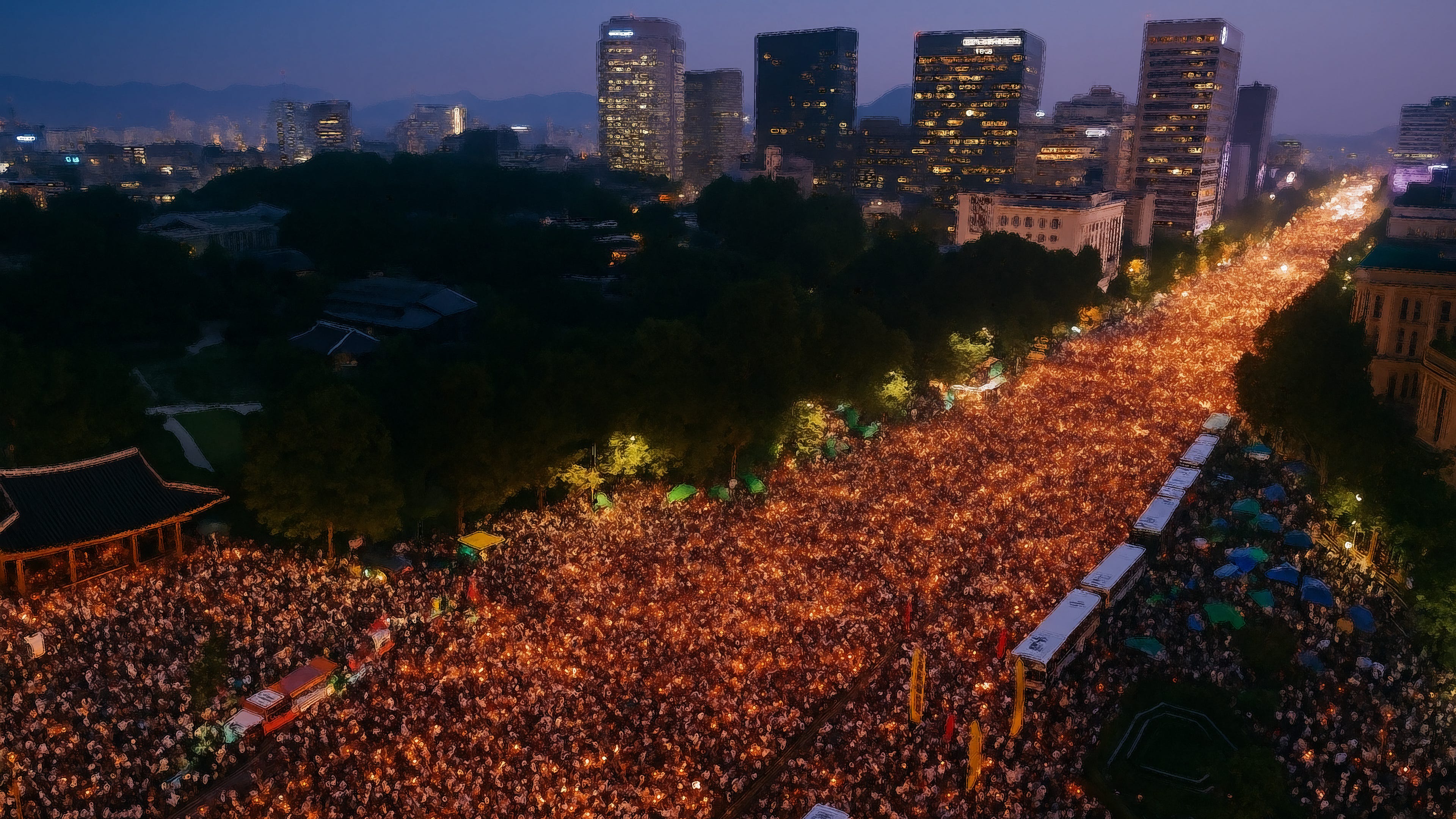
Glossary of Key Korean Terms (with Hangul, romanization, and English meaning): 우리 (uri) – “we”; a fused sense of shared destiny and belonging. 우리 엄마 (uri eomma) – “our mom”; how Koreans often refer to their own mother, signaling closeness beyond the individual. 우리집 (uri jip) – “our house”; emphasizes home as a shared space, not just individual property. 우리주의 (urijuui) – “uri-ism”; the cultural mindset centered on “we” rather than “I.” 민족심리 (minjok simni) – “national psychology”; the collective patterns of thought and feeling of a people. 떼창 (ttae-chang) – “mass singing”; everyone singing together in unison, dissolving boundaries between performer and audience. 호구조사 (hogu josa) – “background check”; colloquial for nosy or probing questions about someone’s situation. 선배 (seonbae) – “senior”; someone older or with more experience in school or work, with implied mentoring role. 오지랍 (ojirap) – “intrusiveness”; meddling in others’ business under the guise of concern. 마당극 (madanggeuk) – “yard play”; traditional Korean open-air community theater. 마음교환 (maeum gyohwan) – “exchange of hearts”; sharing feelings in a way that builds deep mutual trust. 품앗이 (pumasi) – “labor exchange”; neighbors helping one another with tasks, taking turns. 두레 (dure) – “community work group”; traditional collective farming association. 향약 (hyangyak) – “village code”; local community pact for mutual aid and moral guidance. 서열주의 (seoyeol-juui) – “hierarchism”; strict ranking culture based on age or position. 사람 살려 (saram sallyeo) – “save the person!”; traditional Korean cry for urgent help, centering the person in need. ===========================Back in 2017, when South Korea impeached its president, my American friends all asked the same thing: "How do you guys do that?" Now, in an uncanny coincidence, it's happening again—and a "parallel theory" joking about the US and Korean presidencies has gone viral.This isn't just a political event; it's a cultural phenomenon. The key to understanding how millions of Koreans can act as one powerful, democratic force lies in a single word: uri (우리), or "we." It's a concept that goes far beyond a simple pronoun.In this episode, based on the brilliant work of psychologist Kim Tae-hyung, I explore:Why the Korean concept of uri is not just collectivism, but a "psychological fusion."How this idea of a shared destiny fuels everything from massive stadium sing-alongs (ttae-chang) to successful citizen-led protests.The non-negotiable rule of uri: why a deep sensitivity to fairness and equality is the true engine of Korean democracy.How this invisible software explains why Koreans can seem fiercely individualistic one moment and cohere into a powerful collective the next.👉 Read the full article with references, visuals, and context: https://yoonjiwon.substack.com/p/uri-series-1 Get full access to Understanding Korea, One Story at a Time at yoonjiwon.substack.com/subscribe
Embed this episode
NOW PLAYING
24(14). Inside the Korean “We (Uri),” Part 1
No transcript for this episode yet
Similar Episodes
No similar episodes found.
Similar Podcasts
No similar podcasts found.