
EPISODE · May 4, 2021 · 42 MIN
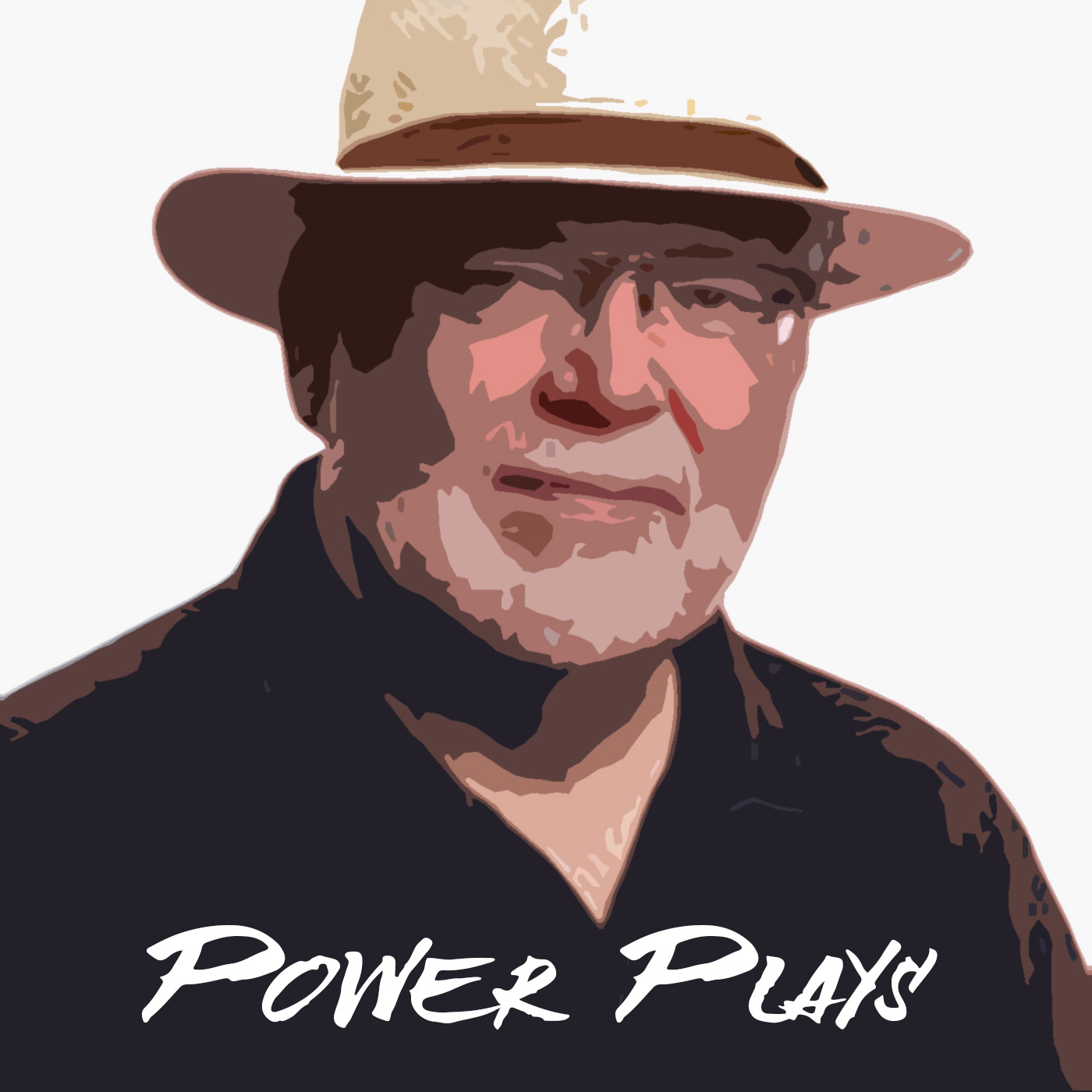
24: From Theater Sets To Veterans’ Healing Circles: How David O’Fallon Crafted A Life Through Cultural Organizing and Story
from ART IS CHANGE: Strategies & Skills for Activist Artists & Cultural Organizers
CSCW EP 24: David O'Fallon - Power PlaysPlease know that this episode contains descriptions of war that include violence and psychological trauma. We endeavor to do our best to engage these hard stories with care and respect.Please also be aware that there is a lot of hope, healing and optimism contained herein. We hope you will join us whenever you are willing and able.Threshold Questions and Delicious QuotesOf what use are the arts in these turbulent times?I think one of the most powerful technologies we have is to actually be in the presence of another person. ...We could go on about how many friends you have on Facebook, how many things you posted on YouTube, how many hits on Instagram and so on, it takes a different kind of courage to be in the room with the person, sharing your story, or listening carefully, looking somebody in the eye, there's a physical presence that you must deal with, and that for me has always been the power particularly of theater,...Why humanities and vets?But if you've been in a room with men and women, who've been not all it in combat, but just in service in this almost invisible war, that's still going on, as you and I are talking today and they're not seen as fully human or they think once with a fly over at a football game or something yeah, the power of literature of storytelling of theater of music of creation is unbelievable. it's deep and it's strong and its essential. You want to go back to basics. You asked about, story and in some ways these men and women live the power of story.What is the value of stories in this hard boiled cynical world?So, I think the struggle has always been who gets to tell your story. Do you believe you can tell your own story? And a lot of people start out by saying, I ain't got nothing to say. I got no story to tell. I don't do anything. Who am I? So that's where all of us who tried to work in the arts world have had to create a vessel if you will, and the structures of support and encouragement, so that in fact, a person can say," I got this poem I wrote, I've been keeping it underneath my underwear drawer. Maybe I'll say it out loud." And they do, and they discover a voice.Why are new stories particularly important now?...the fact is the world is changing and we have dominant stories right now, some of which are being told by genuinely evil people that denigrate others, that build walls and shut people out, and hurt children in cages along the border, because they're not seen fit to enter our country. Who's telling that story? Who gets to tell that story? And there are many voices trying to tell another different story, and I'm going to be very blunt right here. I think those who are wishing and working to create a nation that's based on patriarchal white nationalism, they will fail. That world is impossible, but they can do a great deal of harm as they push that narrative, CSCW EP 24: David O'Fallon - Power Plays TranscriptBill Cleveland: David O'Fallon builds things. Theater sets, theater companies, 12-foot puppets, visionary art schools for teen artists and community musicians, theater programs for veterans from the Afghanistan and Vietnam wars, and more. The through line for David's wonderfully twisty journey is a couple of simple, but powerful questions.What is the story you want to tell? and how can it be shaped and shared with your community? Which of course are also the central questions we ask all of our guests.Please know that this episode contains descriptions of war that include violence and psychological trauma. We endeavor to do our best to engage these hard stories with care and respect.Please also be aware that there is a lot of hope, healing and optimism contained herein. We hope you will join us whenever you are willing and able.This is Change the Story, Change the World, a Chronicle of Art and Community Transformation. I'm Bill Cleveland. Part One: Relations.BC: So, I'll just begin with the foundation setting, which is, your work spans many decades as does mine, and over that time you have done many things, and however you want to describe it, describe your work in the world.David O’Fallon: Yeah. Thank you. It's a great question. I think my work in the world is trying to be a person who actively imagines and creates the narratives that keep us together and take us forward, rather than those that just tell us how screwed up everything is, how bad off we are and why we can't get along. So the bottom line is always looking for connections and relationships and bridge building, and every setting that I've been in.BC: What would be a concrete version of that?DO: I'll give a couple of stories that go with that. So, I am in graduate school at Temple University in Philadelphia, and my wife, Ann and I are living at the corner of Broad and Allegheny, which if anybody knows Philly, it's North Philly. At some point I discovered, so I'm appreciative of the work we're doing at Temple, I went there to work with a particular guy, Arthur Wagner, who had a way of looking at theater because my background is in theater, creating and acting and directing. [So], I walked down broad street one day to discover the Freedom Theater, which is an all black theater company, and I walked down the basement steps to discover the director of the theater, the guy who was keeping it all together, and they basically said, is there anything at all that I can do here? Because I don't want only to be within the confines of temple university and academia. He looked me up and down this kind of a younger than white guy and said maybe can you build stuff? And I said yeah, I can build sets and stuff. So, I sawed lumber and built sets, and then they had me involved in improvisations where I always got to be the Philly cop. ‘Cause the cops were white guys and they said, we kinda like you, but you're not mean enough to be a Philly cop. So, I ended up being in shows and directing shows at the freedom theater in Philadelphia as the only white guy involved at all.After a while, Ann and I moved up to Germantown a little further North and we're going to church called the first United Methodist church of Germantown which had its own issues, and we invited in black theater companies to co-create productions with. The first United Methodist church in Germantown. So, connecting, bridge building, people working together. The point was working together by creating work, doing theater, building things, sharing stories, collaborating, that was the work, it always has been the work, If you will, so that's one concrete example.BC: Yeah. So actually, I have a question for you about work. We live in an increasingly abstract world not just abstract in concepts and ideas, but also even in the means by which we communicate in the way in which we disseminate our stories.The reason I'm asking you this question is because I've had similar experiences of recognizing that the closer you are to literally putting the shovel in the soil together, the closer you can come to the combination of trust and truth that is essential for any relationship to get built. Is that your sense, is that a core belief that you have in your work?DO: I think it is, and I think one of the most powerful technologies we have Bill is to actually be in the presence of another person. And to your point about abstractions, we could go on about how many friends you have on Facebook, how many things you posted on YouTube, how many hits on Instagram and so on, it takes a different kind of courage to be in the room with the person, sharing your story, or listening carefully, looking somebody in the eye, there's a physical presence that you must deal with, and that for me has always been the power particularly of theater, but of many other art forms in which you have to be present to each other.So that, and encourage, and I think, hanging out in the performing arts world, which is my home base led to other things, different groups and encounter groups of one kind or another that asked for, or a similar kind of courage of a physical presence with each other and being open to another person.BC: There's something akin to what I would call old school, spiritual practice in what you described. Literally, a congregation or a group of people being together, the laying on of hands, the sense of brotherhood and sisterhood that humans needed in order to survive for most of human history.DO: And we still need it. And I'll share another story about these connections; and this is a very tangible story. So, I recently left being the president of the Minnesota Humanities Center. And so, when. I took the position. They said, “What is your definition of the humanities?” And I said, “I don't have one, and I won't spend any time on it because that's a big academic question.” I said, “I'm coming to you, the Humanities Center, because I really care about how we get along in the world and how we connect with each other.”But here's the concrete example of that. My first board meeting, this was in Minnesota, so it's November....
Embed this episode
What this episode covers
The through line for David's O'Fallon's wonderfully twisty journey is a couple of simple, but powerful questions. "What is the story you want to tell? and How can it be shaped and shared with your community?"
NOW PLAYING
24: From Theater Sets To Veterans’ Healing Circles: How David O’Fallon Crafted A Life Through Cultural Organizing and Story
No transcript for this episode yet
Similar Episodes
Similar Podcasts
No similar podcasts found.