
EPISODE · Jan 12, 2026 · 24 MIN
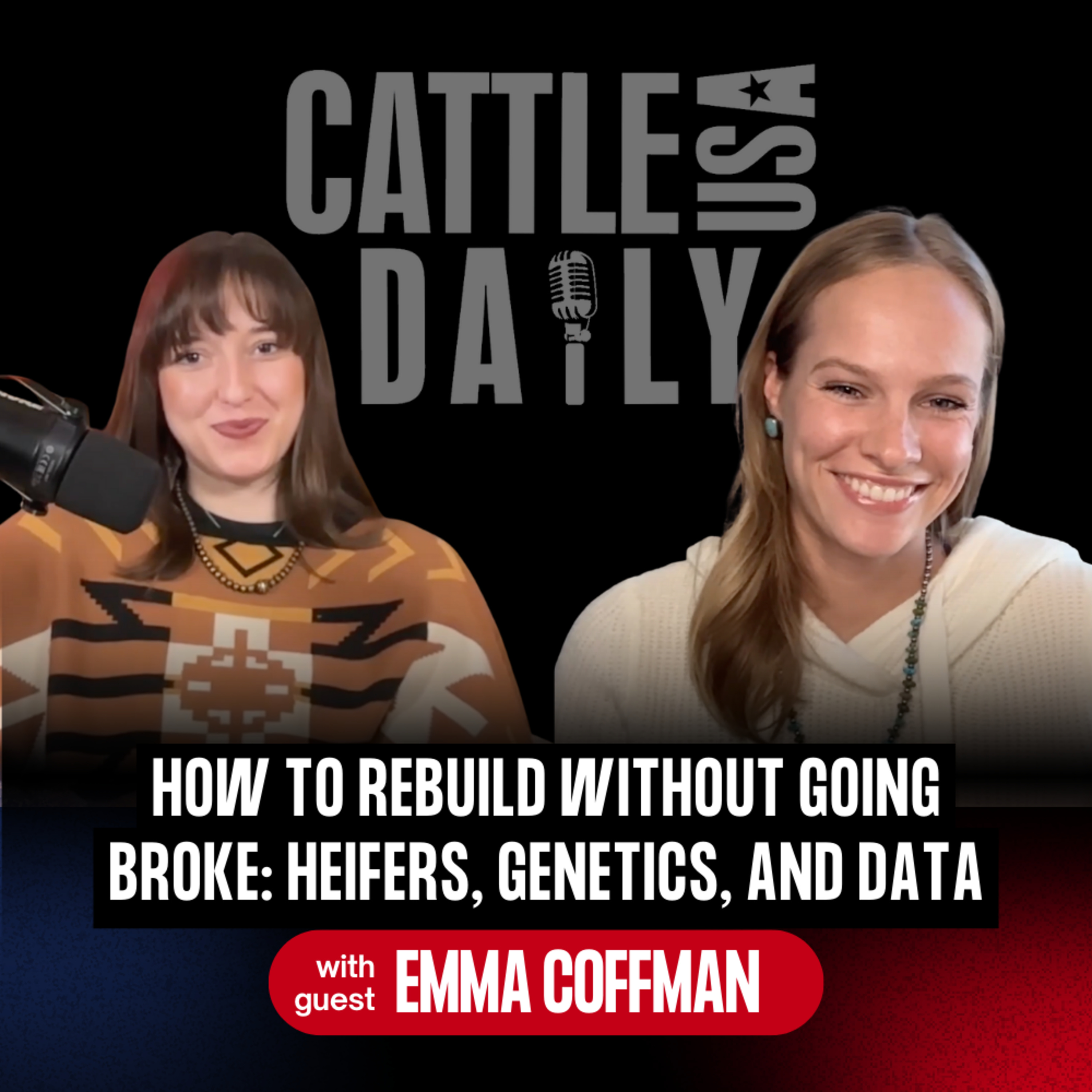
240: How to Rebuild Without Going Broke: Heifers, Genetics, and Data with Emma Coffman
from CattleUSA Daily · host Lauren Moylan | Cattle USA
Lauren and Emma kick off the year by getting brutally practical about herd rebuild decisions and the real economics behind keeping heifers. With cattle prices strong but input costs still climbing, this episode breaks down why “just keep more heifers” is not a strategy unless it pencils. They talk retention vs. buying bred females, breeding windows and lost dollars, why culling the bottom end matters more in a hot market, and how record keeping (even if it’s simple) is what separates a sustainable operation from one that’s just hoping things work out.LinksEmma's Links - https://linktr.ee/doubleeranch CattleUSA Website - https://www.cattleusa.com/ Facebook - https://www.facebook.com/cattleusamedia Instagram - https://www.instagram.com/cattleusa.media/ Subscribe to our newsletter - https://www.cattleusadrive.com/ CattleUSA Media - https://www.cattleusamedia.com/ Lauren’s Instagram - https://www.instagram.com/_laurenmoylan/ Lauren’s Youtube - https://www.youtube.com/@Showboatmediaco The Next Generation Podcast Website - https://www.thenextgenag.com/Takeaways• Herd rebuild decisions need to be strategic, not emotional, especially in a high-price, high-cost environment.• Retaining heifers has an opportunity cost: they aren’t producing revenue for a while, and you carry the expense until they calve.• Selling heifers into a strong market and buying bred females can pencil better for some operations. It depends on your goals and forage.• Input costs are not returning to “cheap” levels. Feed, supplements, and maintenance costs need to be built into break-evens.• If you’re running cattle as a business, breeding success matters. Open females and late breeders can bleed profits fast.• The market is rewarding culling right now. Use it to clean up the bottom end and get paid while doing it.• Genomics and performance data can help identify the lower performers so you’re not guessing.• Temperament and labor cost are real costs. A wreck of a cow can cost you equipment, time, injury risk, and lost calves.• Stocking rate matters. Don’t expand just because prices are good if forage can’t support it.• Record keeping is the foundation. If you aren’t tracking anything, you won’t know you’re losing money until it’s obvious and expensive.Chapters00:00 New Year recaps and the “early bedtime” life01:50 Gym mornings, sleep, and the 4:30 a.m. routine04:10 Introducing the topic: heifers and herd rebuild decisions06:00 The true costs behind keeping or buying females07:50 Retain vs. sell vs. buy bred heifers: what it changes financially09:10 Input costs, land pressure, and why operations have to be strategic11:30 Breeding windows, open females, and leaving money on the table13:30 Why now is the time to cull the bottom end15:30 Older cows vs. younger cows and what “productive” actually means16:45 Record keeping and why most operations don’t know their real break-even19:00 Data vs. memory: pulling calves, bad mothers, and repeat offenders20:10 Labor, injuries, equipment damage, and the hidden cost of chaos23:10 Practical advice: start tracking, even if it’s simple24:00 Wrap-up: make decisions with numbers, not feelingsheifers, herd rebuild, heifer retention, bred heifers, cow-calf economics, break-even, cattle market 2026, cattle input costs, record keeping, cattle genetics, genomics, feed efficiency, culling strategy, stocking rate, forage capacity, breeding window, open cows, calving season management, sustainable ranching, cattle operation profitability
Embed this episode
NOW PLAYING
240: How to Rebuild Without Going Broke: Heifers, Genetics, and Data with Emma Coffman
No transcript for this episode yet
Similar Episodes
No similar episodes found.
Similar Podcasts
No similar podcasts found.