
EPISODE · Feb 18, 2025 · 30 MIN
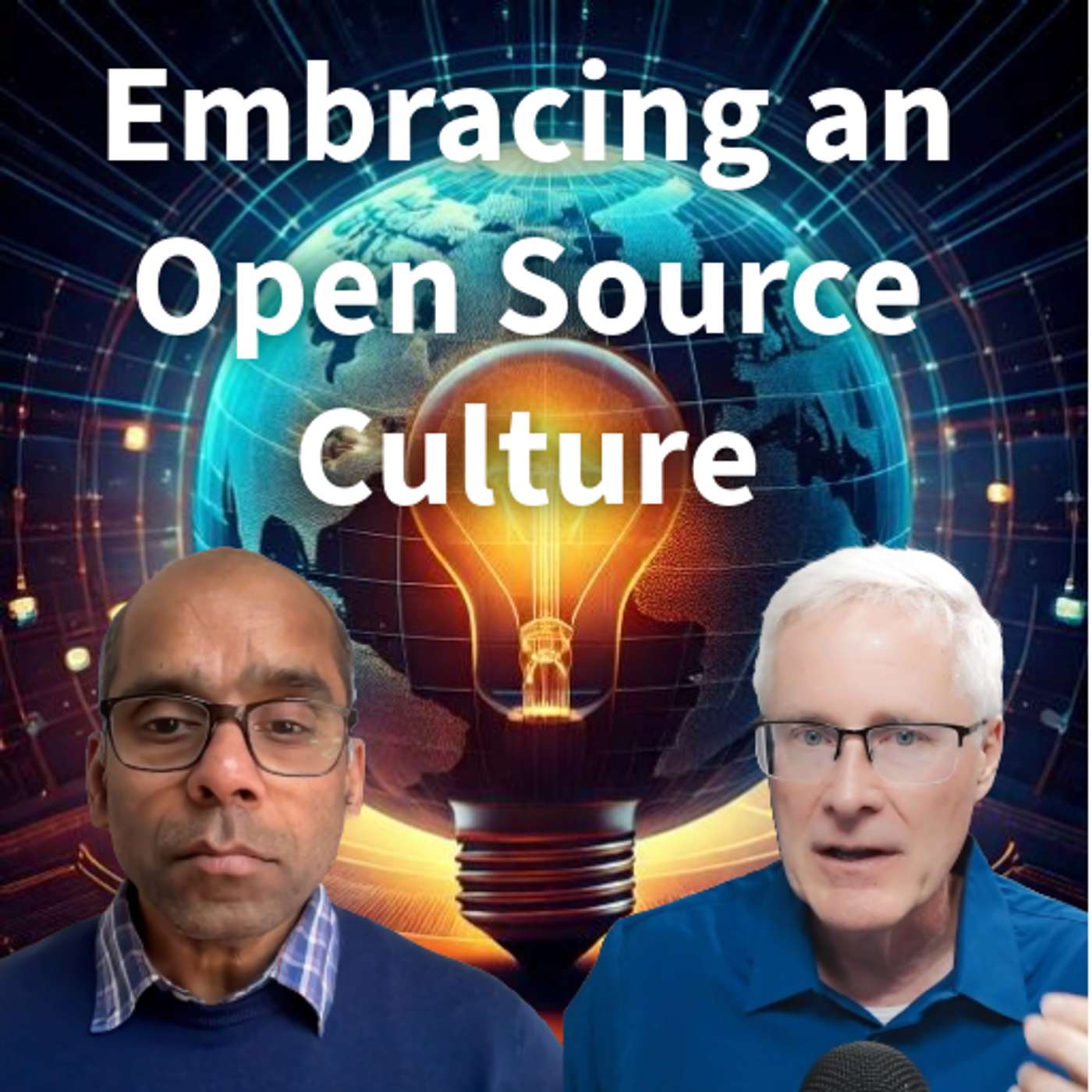
#243 Embracing an Open-Source Culture
from Embracing Digital Transformation · host Dr. Darren Pulsipher
Check out my new book AI Augmented Teams on Amazon or on my website paidar.ai/books.In this episode, Dr. Darren interviews returning guest Arun Gupta from Intel, they discuss Arun's journey into open source, the importance of global collaboration, and the motivations behind individual contributions. He addresses the risks associated with dependency on a few maintainers in open-source projects and highlights the success of open-source despite its challenges. Arun emphasizes the need for governance in open-source initiatives and the costs of using open-source software. He also explores the value of contributions beyond just code and the strategies for sustaining open source through business models. Finally, he shares resources for building an open-source culture within organizations. ## Takeaways Open source fosters global collaboration to solve challenges. Individual contributions enhance the quality of open-source projects. Open source is driven by passion and personal need. Dependency on a few maintainers, who are often volunteers, poses risks to projects. These individuals may become overwhelmed or lose interest, leading to potential project stagnation or abandonment. providing a sense of security and structure in the often complex and rapidly evolving world of open-source Open-source projects can thrive despite potential issues. Establishing governance is crucial for open-source usage. The costs of consuming open source can be significant. It's important to remember that contributions to open source extend beyond just code, encompassing a wide range of skills and expertise, making everyone feel valued and integral to the open-source community within organizations. These can include training programs, community engagement initiatives, and best practices guides for integrating open source into corporate workflows. Sustaining open source requires a strategic business approach. Resources are available to build an open-source culture.In an era of rapid technological evolution, the open-source movement is a powerful force shaping how businesses innovate and collaborate. Its benefits go beyond free software, fostering a culture of shared knowledge, global contributions, and problem-solving at scale. This post explores the motivations for open-source participation, its challenges, and how organizations can effectively harness its potential for transformation. The Power of Shared ResourcesOpen-source software represents a remarkable shift from traditional closed-source models. At its core, open source thrives on collaboration, enabling developers from diverse backgrounds to contribute to projects that address real-world challenges. This empowerment is a significant driving force behind this collaboration; individuals want to engage in communities where their efforts can ignite change and where organizations can harness the power of collective innovation.Take Kubernetes, for example. The project's development involves numerous developers across numerous companies, each bringing unique perspectives and innovations. This collective effort transforms isolated endeavors into robust solutions tackling complex issues. By sharing resources and knowledge, organizations significantly reduce redundancy, accelerate the development process, and ultimately enhance the quality of their technology. As the demand for advanced solutions surges, the need for collaborative platforms like Kubernetes becomes even more pronounced. The Balancing Act of ContributionWhile the open source ethos emphasizes contribution, organizations must carefully navigate the dynamics involved. Individuals participate in open-source projects for passion, skill enhancement, or the appeal of being part of a global community. However, this voluntary nature also poses challenges when specific projects hinge on the contributions of a few dedicated maintainers. Concerns arise when these individuals decide to scale back or retire, leaving projects vulnerable. In such scenarios, the deprecation of a single maintainer can jeopardize an entire software ecosystem. This exemplifies the critical importance of fostering a culture of contribution within organizations, where teams actively invest in maintaining and enhancing the shared software they rely on. Facilitating collaboration between paid engineers and passionate hobbyists can create a sustainable model that ensures the longevity of vital open-source projects. Strategies for SuccessTaking actionable steps is essential for organizations looking to integrate open source into their business practices. Establishing an open-source program office can be a focal point for managing legal compliance, promoting best practices, and encouraging employee participation. This dedicated structure ensures that teams can navigate the complexities of open-source licenses while fostering a collaborative environment.Moreover, securing executive sponsorship is crucial. Leaders who grasp the strategic value of open source can effectively advocate for the resources and support needed to encourage safe and fruitful contributions. Organizations that emphasize a structured approach to open-source engagement can optimize their participation and gain a competitive edge. A Call to ActionAs open source's influence continues to grow, embracing its tenets presents unparalleled opportunities for innovation and collaboration. Organizations can leverage this movement to foster a culture of shared creation, where individual efforts contribute meaningfully to the collective good. By investing in open-source initiatives and encouraging active participation, companies can ensure they are on the front lines of technological advancement.If your organization is ready to explore how open source can transform it, consider taking actionable steps toward integrating its principles into your culture. Whether it's establishing an open-source program office or creating platforms for community engagement, the journey begins with a shared commitment to contributing, collaborating, and evolving.---To learn more about building an open-source strategy in your organization, check out resources like “Fostering Open-Source Culture,” which provides in-depth insights and actionable frameworks for sustainable open-source success.```
Embed this episode
NOW PLAYING
#243 Embracing an Open-Source Culture
No transcript for this episode yet
Similar Episodes
No similar episodes found.
Similar Podcasts
No similar podcasts found.