
EPISODE · Feb 28, 2025 · 31 MIN
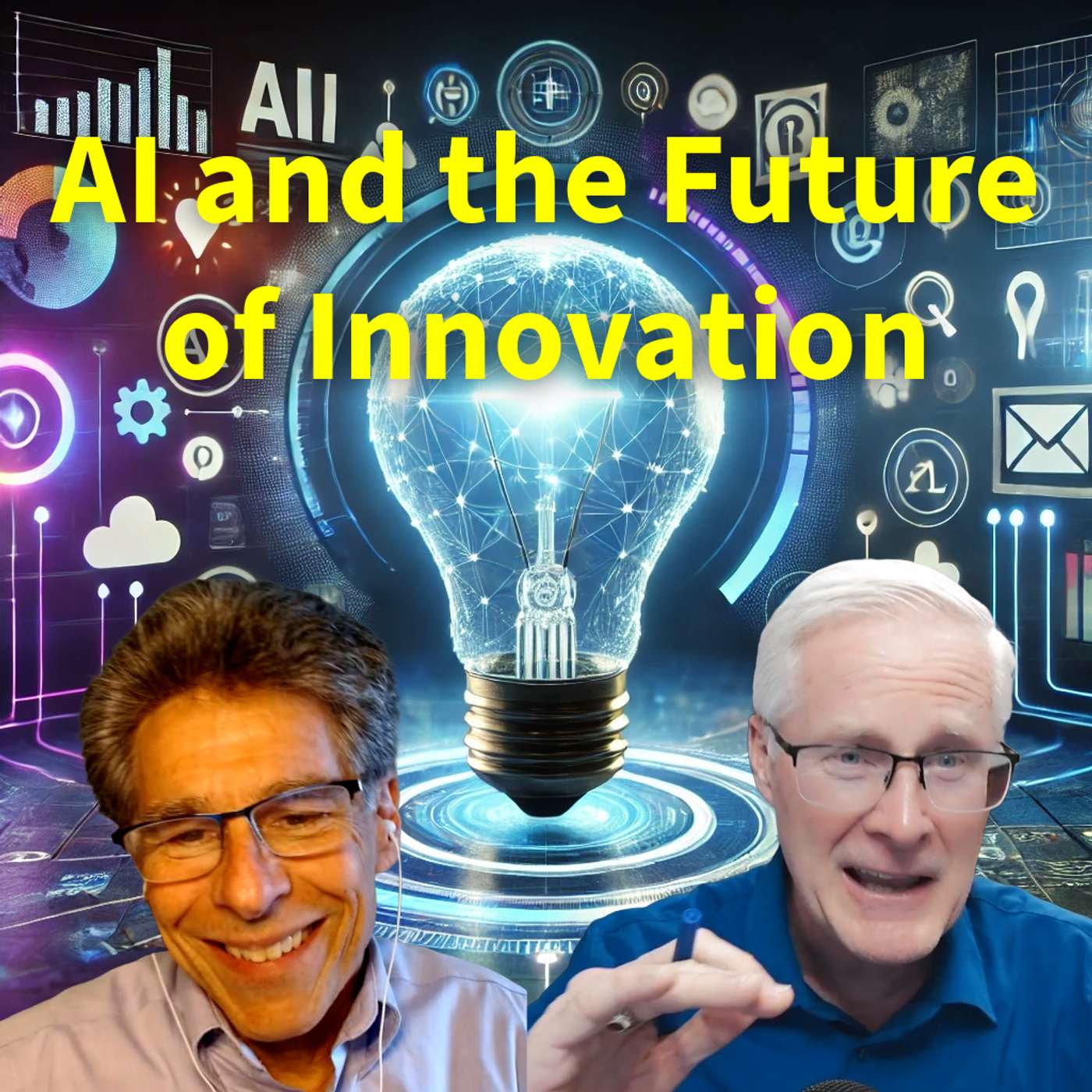
#246 AI and the Future of Innovation
from Embracing Digital Transformation · host Dr. Darren Pulsipher
Check out my new book AI Augmented Teams on Amazon or on my website paidar.ai/books.In this episode, Dr. Darren and Sam Zellner explore innovation's complex nature and its challenges, particularly in large organizations. They highlight the importance of breaking down assumptions that can stifle creativity and discuss the different types of innovators. They also focus significantly on the role of AI in enhancing idea generation. Sam emphasizes adopting a structured approach to capturing ideas within organizations and fostering a culture that values employee contributions. The discussion concludes with resources for companies seeking to implement effective innovation programs. ## Key Takeaways * Innovation is essential for progress and improvement. * Large organizations often face obstacles to innovation due to rigid structures. * Assumptions can blind organizations to new opportunities. * Different innovators exist, from spontaneous thinkers to problem-focused individuals. * AI can significantly enhance the innovation process. * Creating a safe environment for sharing ideas is crucial. * Employees often possess valuable insights that go unrecognized. * Effective innovation programs should target specific problems to be effective. * A culture of innovation requires ongoing education and encouragement. * Resources, such as Inspire IP, can assist organizations in capturing and managing innovation.Innovation is often perceived as driving economic growth and technological advancement. Yet, many large corporations struggle to cultivate a culture of innovation within their organizations. This challenge stems from various factors, including rigid structures, established assumptions, and the risk-averse nature of large entities. In this post, we'll explore techniques for integrating innovation into the fabric of large corporations and how fostering a creative environment can lead to sustainable competitive advantages. Understanding the Innovation MindsetTo spark innovation, organizations must first understand its dual nature. As discussed in many forums, there are two primary types of innovators: spontaneous and problem-focused. Spontaneous innovators are often dreamers who are continuously exploring creative avenues and generating novel ideas. On the other hand, problem-focused innovators excel when presented with specific challenges or areas that need improvement.Organizations can tailor their approaches to foster creativity by recognizing these distinct innovator types. For instance, providing space for spontaneous innovators with designated brainstorming sessions or innovation labs can yield unexpected insights. Meanwhile, harnessing problem-focused innovators involves creating a structured environment with clear objectives or challenges. Both groups are vital for developing a well-rounded innovation strategy, allowing companies to adapt, grow, and take advantage of emerging opportunities. Establishing a Safe Space for Ideas One of the most significant hurdles to innovation in large corporations is the often stifling atmosphere that discourages employees from voicing their ideas. To counter this, organizations must create a safe space where employees feel empowered to share their suggestions without fear of reprisal. This can be achieved through anonymous suggestion boxes or dedicated platforms where individuals can submit ideas freely.Encouraging open communication about innovation helps dismantle barriers that typically hold employees back. When individuals see that their ideas are valued and the company is actively interested in investigating these suggestions, they feel a sense of belonging and investment in the organization's future. Implementing a system that acknowledges and rewards employee contributions to innovation can reinforce this culture and encourage ongoing participation. Structuring Innovation ProgramsThe next step in promoting innovation is creating a structured program within the organization focused on capturing and implementing new ideas. Companies can achieve this by establishing innovation task forces or cross-departmental teams to explore trending topics, challenges, or technological advancements. These teams should regularly convene to discuss innovative concepts, brainstorm solutions, and review previously submitted ideas.Practical steps in structuring these programs include defining specific roles for team members, establishing a timeline for idea assessment, and outlining clear objectives regarding innovation outcomes. For example, challenges could be organized where teams compete to devise the best solution to a pressing business issue, resulting in actionable pathways for implementation. This structured approach to innovation captures diverse perspectives and creates a collaborative environment that fuels creativity. The Role of Technology in Innovative PracticesTechnology is essential in shaping how organizations approach innovation in today's digital world. Adopting advanced tools, such as artificial intelligence and data analytics, can significantly enhance innovation. These technologies can help sift through vast amounts of data to identify market trends, consumer demands, and potential areas for product improvement.Implementing generative AI, for example, allows employees to experiment with new ideas based on data-driven insights, streamlining the brainstorming process. Similarly, utilizing platforms that facilitate collaborative idea generation across different organizational levels ensures that innovation is not confined to a select few but involves input from diverse voices. As technology advances, embracing its integration into innovation strategies becomes imperative for large corporations seeking to remain competitive. The Future of Corporate InnovationPlacing innovation at the forefront of a corporation's strategy is not merely an option—it is necessary for organizations that aspire to thrive in an ever-evolving marketplace. Understanding the different types of innovators, creating a safe space for idea sharing, structuring innovation programs, and leveraging technology's power can foster a sustainable culture of innovation.As organizations embark on this journey, they must remain adaptable and open to evolving their methods, continually seeking innovative ways to overcome existing challenges. Enthusiasm and support from leadership will further empower employees, ensuring that the organization remains a beacon of creativity and innovation well into the future. ---Ready to elevate your organization's innovation? Consider creating a structured innovation program that captures the essence of your employees' ideas and the latest technological tools. Go ahead, take the leap! As always, feel free to share your thoughts in the comments below or connect with others with the same passion for innovation.
Embed this episode
NOW PLAYING
#246 AI and the Future of Innovation
No transcript for this episode yet
Similar Episodes
No similar episodes found.
Similar Podcasts
No similar podcasts found.