
EPISODE · Nov 15, 2024 · 15 MIN
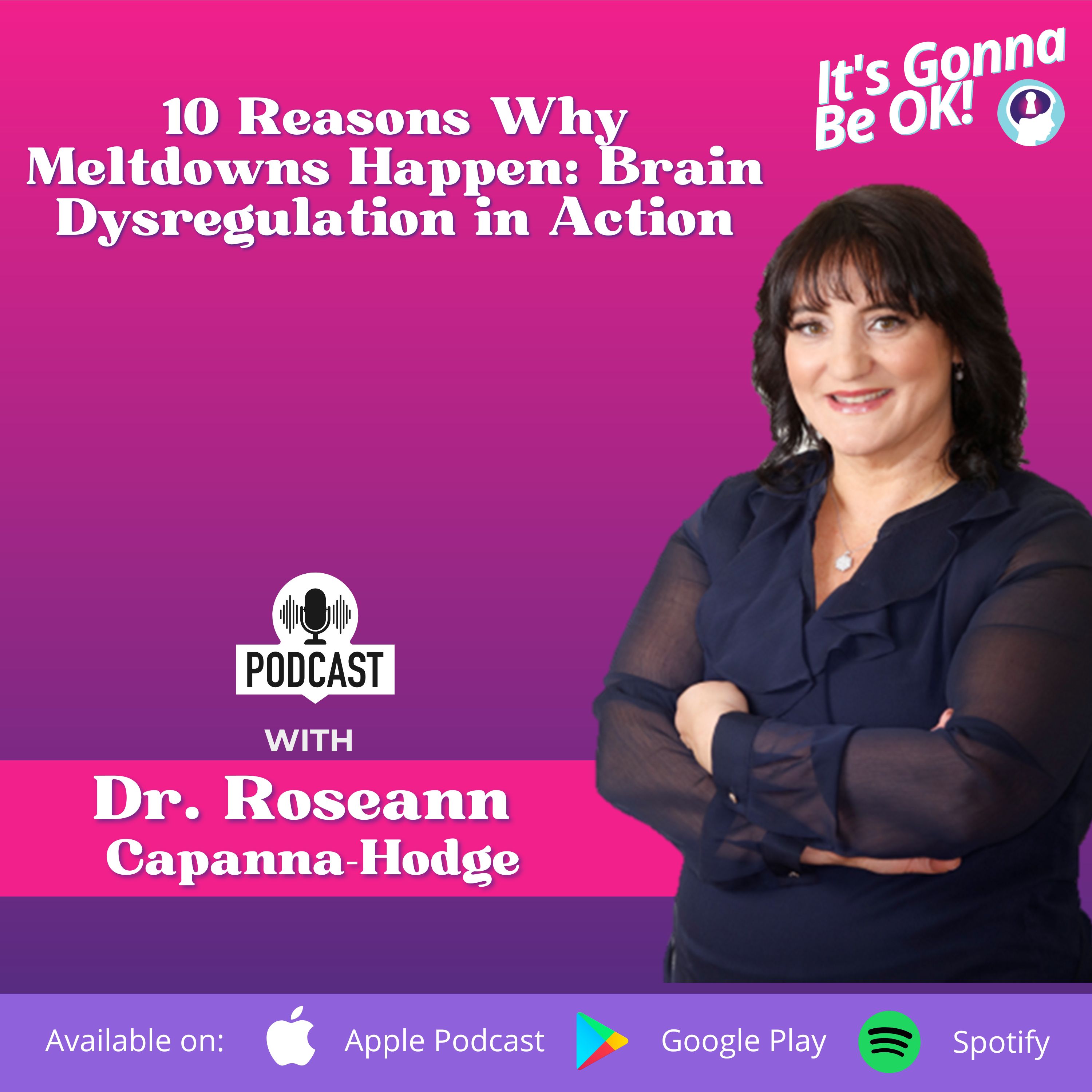
10 Reasons Why Meltdowns Happen: Brain Dysregulation at home | Nervous System Strategies | E249
from Dysregulated Kids: Science-Backed Parenting Help for Behavior, Anxiety, ADHD and More
Brain Dysregulation at Home: Understanding After-School MeltdownsIf your child melts down after school, it’s not defiance—it’s a dysregulated child whose nervous system has reached capacity. Brain dysregulation at home often results from accumulated sensory, emotional, cognitive, and physical stress that builds all day. In this episode, Dr. Roseann explains why meltdowns happen at home, hidden triggers, and how co-regulation can help children calm and regain control.In this episode, you’ll learn:Why brain dysregulation at home shows up after schoolHow to read behavior as communication, not defianceTools for managing Child Behavior Problems and Defiant Oppositional Child behaviorsHow Nervous System Regulation in Children and Emotional Dysregulation in Children affect after-school transitionsWhy children melt down at homeChildren often mask all day at school to meet academic and social expectations. Once home feels safe, the nervous system releases the accumulated stress:Sensory overload from lights, noise, and crowded hallwaysEmotional stress from peer interactions or mistakesCognitive load from processing complex tasksAre meltdowns a choice?No. Meltdowns are brain dysregulation at home signaling overload. Children are not being dramatic—they are releasing stress in a safe environment.Supports:Co-regulation: model calm breathing and soft postureSimple language: “You’re safe. I’m here. We’ll figure it out.”Predictable routine: same decompression sequence dailyHidden triggersCognitive fatigue from concentrating all dayPhysical exhaustion or fight-flight-freeze activationTransitions like homework, dinner, bedtime, or technologyParent insight: Past events or unresolved stressors can also resurface at home.Stay calm and co-regulateSlow your voice, posture, and breath firstOffer one regulating option: water, movement, or a safe spaceDelay problem-solving until the child is calmListen + Take the Next StepGet your FREE Regulation Rescue Kit to support co-regulation and emotional regulation at home: 👉 www.drroseann.com/newsletterTakeawayBrain dysregulation at home is a natural release of daily stress, not defiance. Use co-regulation, sensory and movement breaks, and predictable routines to help children regain calm and practice self-regulation.FAQsQ1: Why does my child only melt down at home?Home is safe; accumulated stress finally releases.Q2: Can earlier events trigger today’s meltdown?Yes. Children often store emotional experiences that resurface later.Q3: How do hunger and fatigue affect meltdowns?Low energy, dehydration, and sensory-based eating issues increase nervous system stress.Q4: How long should after-school decompression last?Start with 15–30 minutes of movement, snack, and quiet time.Q5: Can co-regulation really reduce meltdowns?Yes. Modeling calm allows the child’s nervous system to borrow regulation.Dr. Roseann Capanna-Hodge helps parents understand Emotional Dysregulation in Children and teaches practical Nervous System Regulation in Children and Co-Regulation Techniques through Regulation First Parenting™.
Embed this episode
NOW PLAYING
10 Reasons Why Meltdowns Happen: Brain Dysregulation at home | Nervous System Strategies | E249
No transcript for this episode yet
Similar Episodes
No similar episodes found.
Similar Podcasts
No similar podcasts found.