
EPISODE · May 26, 2025 · 2 MIN
26/05/2025 POEM FROM TAMIL LITERATURE - THE LAMENT OUTSIDE THE FORT
from BEYOND THE OBVIOUS · host Purushothaman C
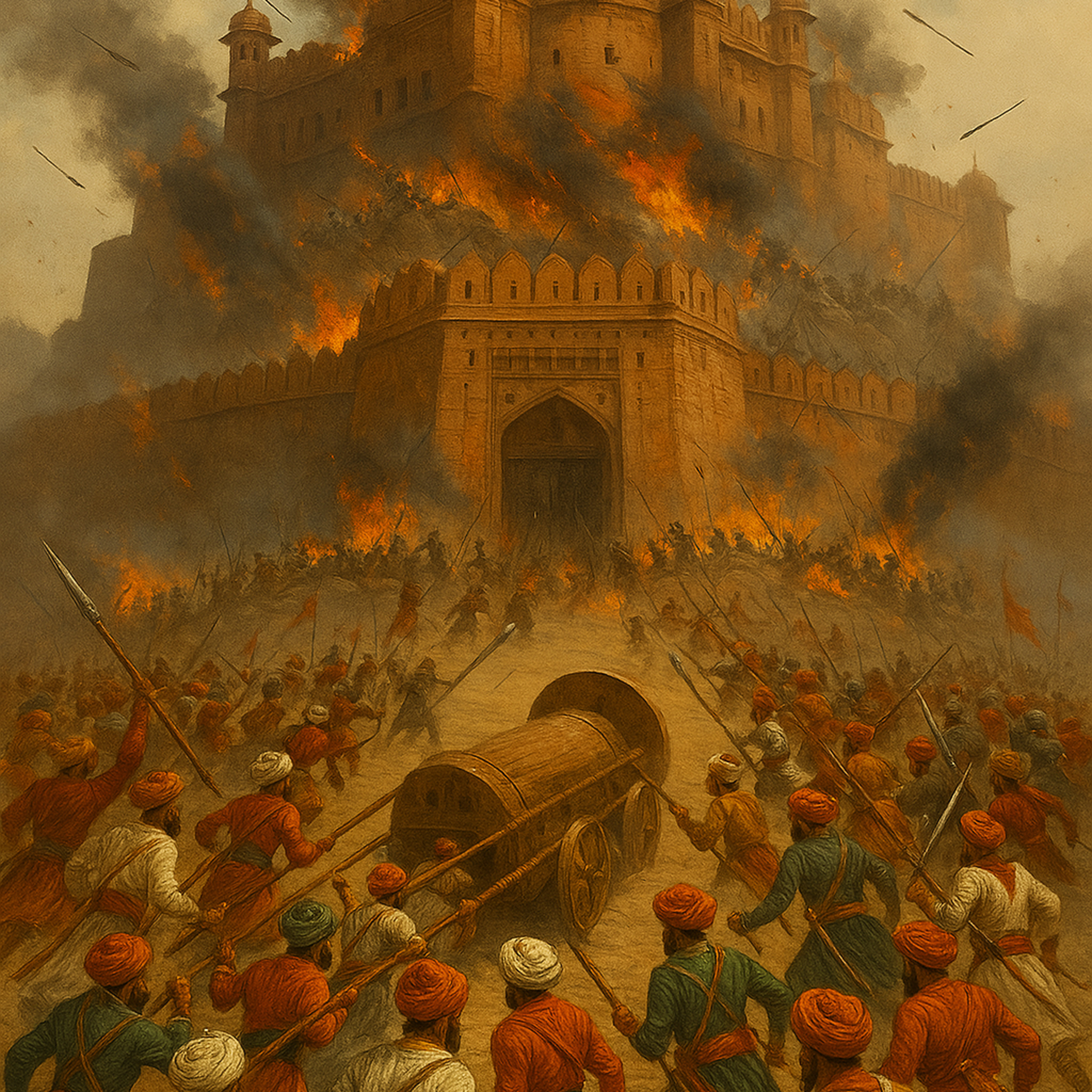
ABOUT THE POEM:The poem THE LAMENT OUTSIDE THE FORT vividly describes the suffering of people and animals outside a fort during a time of crisis—possibly war or famine. An elephant, symbolizing royal power, is starving and distressed. Children cry for milk, women are unable to adorn themselves, and households are without drinking water. Amidst this widespread misery, the ruler remains safe and protected inside the fort, untouched by the pain outside.The speaker condemns this indifference as cruel. He challenges the ruler to act: if he believes in justice, he should open the gates and take responsibility; if he chooses war, he should open them for battle. But hiding passively within the fort, doing nothing, is shameful and dishonorable.The poem is a powerful call for moral action and leadership in times of public suffering.THE LAMENT OUTSIDE THE FORTThe long-tusked elephant has not bathed in the river. It has not tasted rice mixed with ghee— no mouthful of food has graced its tongue.It stumbles,rages against the rope-tied tentcalled Velil—falls to the earth,heaving heavy sighs,wallowing in sorrow,trumpeting its hunger.Children wailfor want of milk.Women,their hair undone,wear no flowers—their heads are barelike broken hopes.In homes,there’s no water to drink.The cries of the peoplerise like smoke—you can hear themif your ears are not sealed.And while all this burns outside,within the fortyou sit safe—Isn’t thatthe deepest cruelty?You,mighty as a lionnone can approach,if you love the path of virtue,open the gates—for the fort is yours by right.If you choosethe path of valour and war,open it still—let battle speak.But if you chooseneither justice nor courage,and cowerin a corner of your wall,then shame—shame must cover youlike a shroud.PURANANURU - 44POET:KOVUR KILARPATRON: CHOLA KING NEDUNGILLI
Embed this episode
NOW PLAYING
26/05/2025 POEM FROM TAMIL LITERATURE - THE LAMENT OUTSIDE THE FORT
No transcript for this episode yet
Similar Episodes
No similar episodes found.
Similar Podcasts
No similar podcasts found.