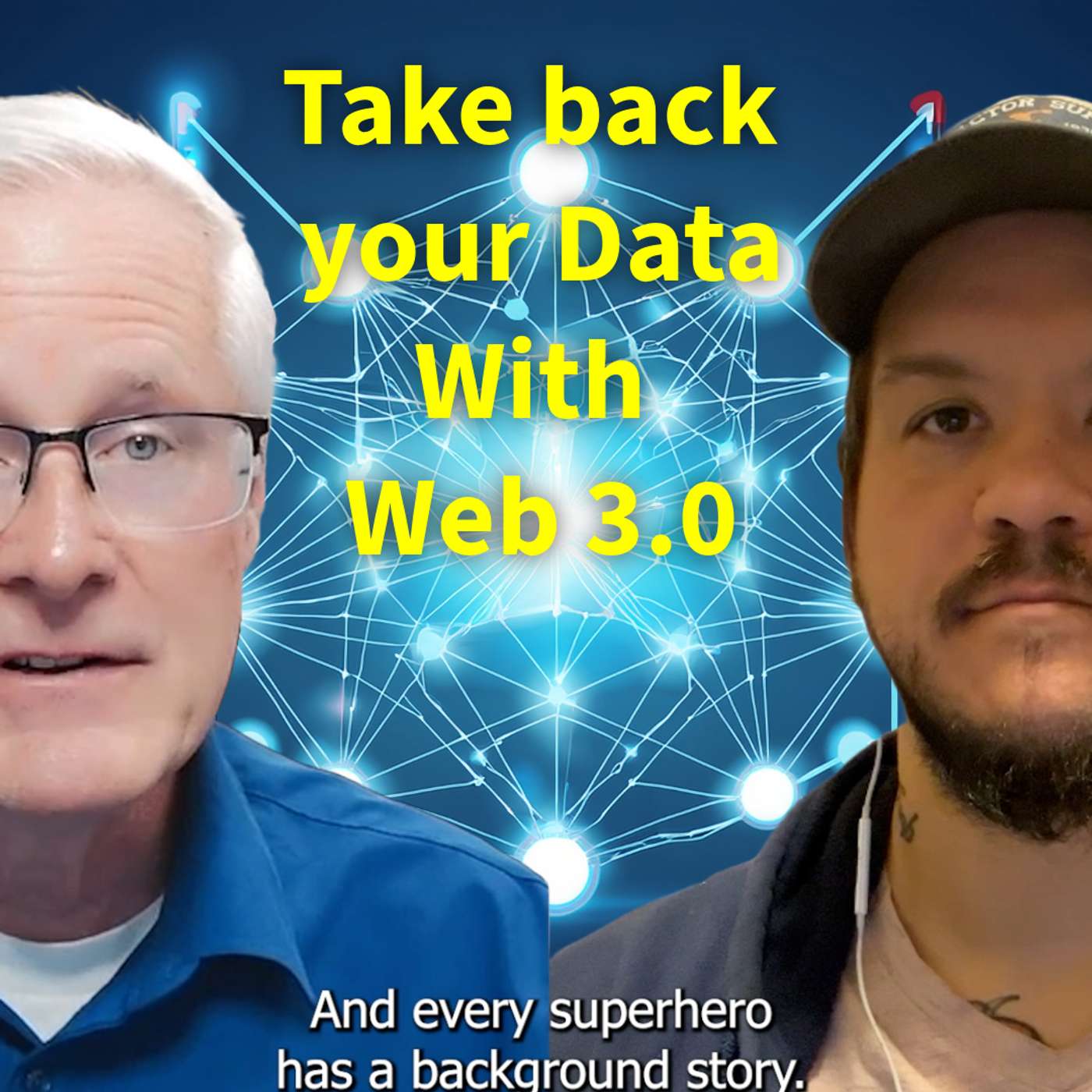
#261 Taking back your Data with Web3.0 episode artwork

EPISODE · May 13, 2025 · 31 MIN

#261 Taking back your Data with Web3.0

from Embracing Digital Transformation · host Dr. Darren Pulsipher

Check out my new book AI Augmented Teams on Amazon or on my website paidar.ai/books.In this episode, Dr. Darren and Derek Anderson, from Bless Network, discuss the transformative nature of Web 3.0, focusing on user ownership of data, the shift from centralized to decentralized applications, and the implications for consumer behavior and business models. They explore the challenges of adoption and the potential for integration with AI technologies, highlighting the need for a new mindset in both developers and users. ## takeaways * Web 3.0 emphasizes user ownership of data. * Smart contracts are akin to stored procedures in databases. * Decentralization allows users to run applications on their own devices. * Data privacy can be enhanced through local data storage. * Consumers are often indifferent to the underlying technology. * The shift towards user ownership requires new business models. * Adoption challenges exist due to consumer awareness. * Gaming and peer-to-peer applications may drive early adoption. * Integration with AI could lead to innovative solutions. * The future of Web 3.0 is intertwined with advancements in technology.In an age where data is often viewed as a commodity and internet platforms leverage personal information for economic gain, a significant shift towards data ownership is underway. This transformation largely revolves around the burgeoning concept of Web 3.0, characterized by decentralized internet protocols and user control over their data. This shift is not merely technical; it represents a paradigm change in how we perceive and engage with digital technologies. In this blog post, we will explore the implications of Web 3.0, especially in reclaiming ownership of personal data, its technical foundations, and the new opportunities it presents for innovation and user engagement. The Shift Towards Data OwnershipWeb 3.0 fundamentally redefines the relationship between users and their data. In the earlier internet paradigms — Web 1.0 and Web 2.0 — data ownership was predominantly with service providers. For example, every email you send via major platforms belongs to the company behind that service, allowing them to monetize your information while offering free access. However, the rise of Web 3.0 empowers individuals, providing them with the tools to retain ownership of their information.This peer-to-peer network structure eliminates intermediaries, allowing users to manage their data on their terms. Users can now use decentralized networks to share and control their data while interacting with global platforms. This ownership model encourages a new sense of transparency and trust, as users can dictate who accesses their information without resorting to traditional “opt-in” mechanisms that often lack privacy controls. The Technical Backbone of DecentralizationOne of the cornerstones of Web 3.0 is the framework that allows for decentralized data sharing and applications. Blockchain technology is critical here, providing a secure and immutable way to manage transactions and data without relying on a central authority. The unique features of blockchain, including smart contracts, allow this decentralized ownership to function seamlessly. In practice, the benefits of decentralization extend beyond mere data ownership. By utilizing technologies like IPFS (InterPlanetary File System), platforms can facilitate faster and more efficient data storage options that allow users to share files without bottlenecks typically associated with conventional centralized servers. Essentially, these technologies enable a distributed computing environment where anyone can operate and maintain nodes, effectively turning consumers into users and providers of digital services. Empowering Innovation and User EngagementAs we embrace Web 3.0, there are tangible opportunities for new business models and innovative applications that place users front and center. Direct engagement through decentralized applications (dApps) means that developers can create ecosystems where users have a stake in the platforms they utilize. For instance, creators and consumers can benefit directly from content contributions. In this model, platforms could adopt reward schemes that incentivize user involvement while ensuring they maintain control of their data. This notion of community-driven ownership and monetization challenges the essence of current social media and online services, which thrive on users trading their privacy for access.Moreover, as users understand the advantages of owning their data, the demand for these services will likely surge. Businesses that recognize and adapt to this transformation will not only gain a competitive edge but could also drive the boundary of innovation in the digital landscape further, potentially leading to disruptive changes in sectors from finance to entertainment. Embrace the ChangeThe advent of Web 3.0 marks a turning point in how we think about digital interactions and data ownership. By transitioning away from a centralized model, users can regain control over their information while paving the way for unprecedented innovation and engagement. The opportunities presented by this shift are vast, promising a more equitable digital economy and a more empowering experience for users and creators alike. As we stand at the precipice of this change, embracing the possibilities offered by Web 3.0 is essential for anyone interested in the future of technology.---If you found this exploration of Web 3.0 and data ownership intriguing, consider sharing it with others who may benefit from understanding this pivotal transition in our digital lives. Also, connect with us to discuss your thoughts, experiences, or questions regarding this evolving landscape!

Check out my new book AI Augmented Teams on Amazon or on my website paidar.ai/books.In this episode, Dr. Darren and Derek Anderson, from Bless Network, discuss the transformative nature of Web 3.0, focusing on user ownership of data, the shift from centralized to decentralized applications, and the implications for consumer behavior and business models. They explore the challenges of adoption and the potential for integration with AI technologies, highlighting the need for a new mindset in both developers and users. ## takeaways * Web 3.0 emphasizes user ownership of data. * Smart contracts are akin to stored procedures in databases. * Decentralization allows users to run applications on their own devices. * Data privacy can be enhanced through local data storage. * Consumers are often indifferent to the underlying technology. * The shift towards user ownership requires new business models. * Adoption challenges exist due to consumer awareness. * Gaming and peer-to-peer applications may drive early adoption. * Integration with AI could lead to innovative solutions. * The future of Web 3.0 is intertwined with advancements in technology.In an age where data is often viewed as a commodity and internet platforms leverage personal information for economic gain, a significant shift towards data ownership is underway. This transformation largely revolves around the burgeoning concept of Web 3.0, characterized by decentralized internet protocols and user control over their data. This shift is not merely technical; it represents a paradigm change in how we perceive and engage with digital technologies. In this blog post, we will explore the implications of Web 3.0, especially in reclaiming ownership of personal data, its technical foundations, and the new opportunities it presents for innovation and user engagement. The Shift Towards Data OwnershipWeb 3.0 fundamentally redefines the relationship between users and their data. In the earlier internet paradigms — Web 1.0 and Web 2.0 — data ownership was predominantly with service providers. For example, every email you send via major platforms belongs to the company behind that service, allowing them to monetize your information while offering free access. However, the rise of Web 3.0 empowers individuals, providing them with the tools to retain ownership of their information.This peer-to-peer network structure eliminates intermediaries, allowing users to manage their data on their terms. Users can now use decentralized networks to share and control their data while interacting with global platforms. This ownership model encourages a new sense of transparency and trust, as users can dictate who accesses their information without resorting to traditional “opt-in” mechanisms that often lack privacy controls. The Technical Backbone of DecentralizationOne of the cornerstones of Web 3.0 is the framework that allows for decentralized data sharing and applications. Blockchain technology is critical here, providing a secure and immutable way to manage transactions and data without relying on a central authority. The unique features of blockchain, including smart contracts, allow this decentralized ownership to function seamlessly. In practice, the benefits of decentralization extend beyond mere data ownership. By utilizing technologies like IPFS (InterPlanetary File System), platforms can facilitate faster and more efficient data storage options that allow users to share files without bottlenecks typically associated with conventional centralized servers. Essentially, these technologies enable a distributed computing environment where anyone can operate and maintain nodes, effectively turning consumers into users and providers of digital services. Empowering Innovation and User EngagementAs we embrace Web 3.0, there are tangible opportunities for new business models and innovative applications that place users front and center. Direct engagement through decentralized applications (dApps) means that developers can create ecosystems where users have a stake in the platforms they utilize. For instance, creators and consumers can benefit directly from content contributions. In this model, platforms could adopt reward schemes that incentivize user involvement while ensuring they maintain control of their data. This notion of community-driven ownership and monetization challenges the essence of current social media and online services, which thrive on users trading their privacy for access.Moreover, as users understand the advantages of owning their data, the demand for these services will likely surge. Businesses that recognize and adapt to this transformation will not only gain a competitive edge but could also drive the boundary of innovation in the digital landscape further, potentially leading to disruptive changes in sectors from finance to entertainment. Embrace the ChangeThe advent of Web 3.0 marks a turning point in how we think about digital interactions and data ownership. By transitioning away from a centralized model, users can regain control over their information while paving the way for unprecedented innovation and engagement. The opportunities presented by this shift are vast, promising a more equitable digital economy and a more empowering experience for users and creators alike. As we stand at the precipice of this change, embracing the possibilities offered by Web 3.0 is essential for anyone interested in the future of technology.---If you found this exploration of Web 3.0 and data ownership intriguing, consider sharing it with others who may benefit from understanding this pivotal transition in our digital lives. Also, connect with us to discuss your thoughts, experiences, or questions regarding this evolving landscape!

NOW PLAYING

#261 Taking back your Data with Web3.0

0:00 31:04

No transcript for this episode yet

We transcribe on demand. Request one and we'll notify you when it's ready — usually under 10 minutes.

Solving for Change MOBIA Technology Innovations Solving for Change welcomes business and technology leaders to share stories of bold business transformation within complex organizations. In an era when technology and markets are changing around businesses, the key to staying competitive is to evolve in response to those changes.  MOBIA’s Mike Reeves and Marc LeBlanc investigate business transformation, deconstructing the challenges, ambitions, and market disruptions that drive companies to embark on transformation journeys, and exploring their unique approaches to achieving meaningful outcomes.  What sparks leaders to pursue business transformation? How do they overcome the challenges along the way? What are the keys to creating enduring change?  Through in-depth conversations with business and technology leaders, Mike and Marc answer these questions and explore how businesses evolve by pulling four key transformation levers: people, process, technology, and culture. Darknet Discussions Darknet Discussions Welcome to "Darknet Discussions," the podcast that gets into the shadows of the internet to bring you the most intriguing, enlightening, and sometimes unsettling stories from the dark web. Hosted by seasoned darknet aficionados, each episode of "Darknet Discussions" explores the intricate dynamics of darknet markets, cybersecurity threats, and the digital underworld. Join us as we interview experts, discuss the latest trends in cybercrime, and shed light on the technologies that operate beneath the surface of everyday internet use. Also, we occasionally go off on a tangent about something completely unrelated. The Digital Experience Show by Enonic Enonic All you need to know about digital strategy, digital experiences, and CMS are covered in this podcast. Powered by NotebookLM. Tips, News and Stories for Older Adults Esther C Kane CAPS, C.D.S. "Tips, News, and Stories for Older Adults" delivers weekly insights tailored for seniors. We bring you summaries of curated news, practical advice, and inspiring stories that matter to the 55+ community. From health and finance to technology and lifestyle, our content keeps you informed and engaged. Sourced from trusted outlets, each episode offers valuable information for navigating your golden years. Join us as we explore aging with positivity, wisdom, and engaging stories. Your perfect companion for staying active, learning, and embracing life's later chapters.

Frequently Asked Questions

How long is this episode of Embracing Digital Transformation?

This episode is 31 minutes long.

When was this Embracing Digital Transformation episode published?

This episode was published on May 13, 2025.

What is this episode about?

Check out my new book AI Augmented Teams on Amazon or on my website paidar.ai/books.In this episode, Dr. Darren and Derek Anderson, from Bless Network, discuss the transformative nature of Web 3.0, focusing on user ownership of data, the shift from...

Can I download this Embracing Digital Transformation episode?

Yes, you can download this episode by clicking the download button on the episode player, or subscribe to the podcast in your preferred podcast app for automatic downloads.
URL copied to clipboard!