
EPISODE · Jan 6, 2025 · 21 MIN
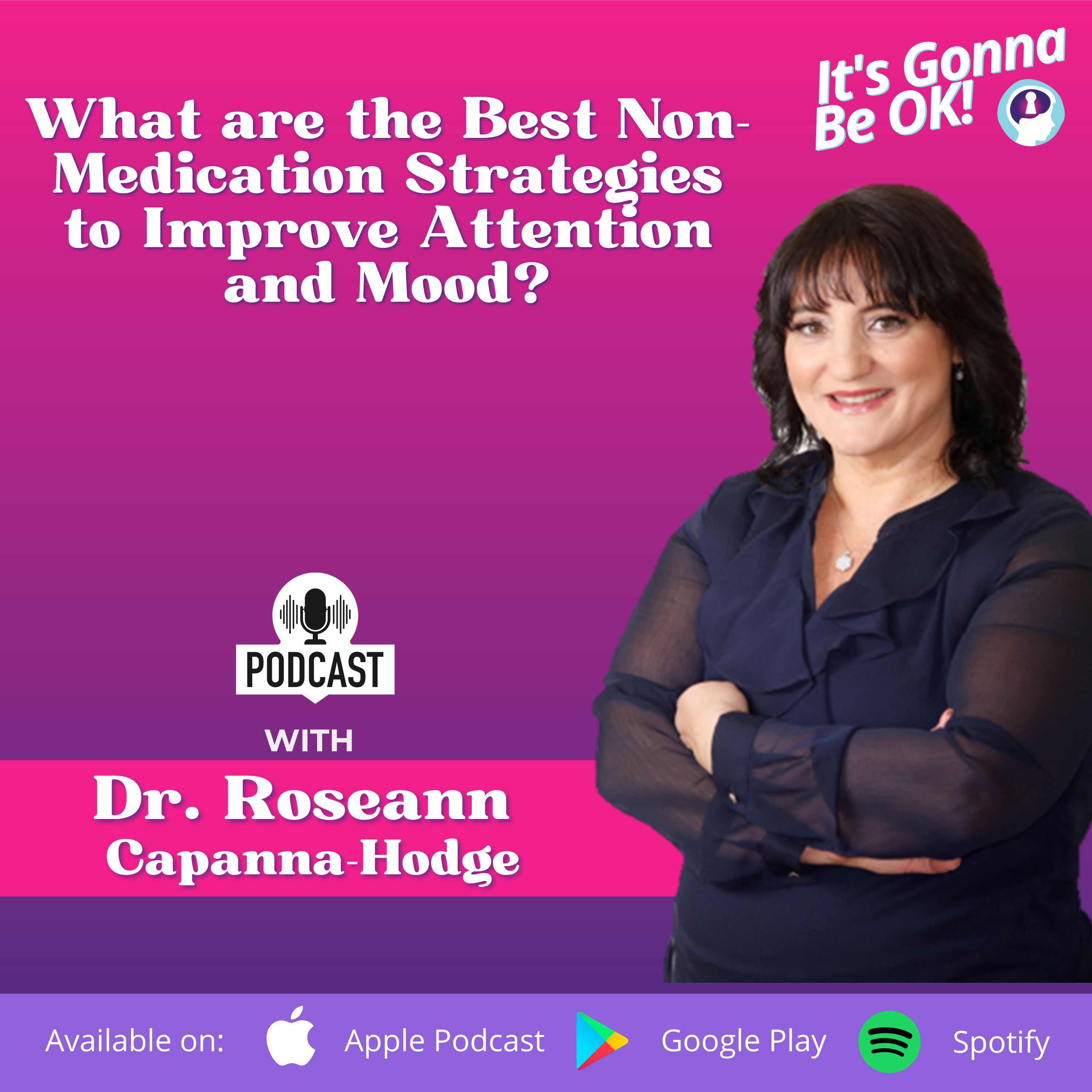
What are the Best Non-Medication Strategies to Improve Attention and Mood? | Nervous System Regulation | E265
from Dysregulated Kids: Science-Backed Parenting Help for Behavior, Anxiety, ADHD and More
Non-medication strategies can be powerful tools for improving attention, mood, behavior, and emotional regulation in children. In this episode, I explore the best non-medication strategies for helping children thrive, why addressing root causes matters, and how parents can support focus and behavior without relying solely on medication.Many families are told that medication is the fastest solution for attention and behavior challenges. While medication may be appropriate for some children, non-medication strategies often help address the underlying factors that influence focus, emotional regulation, and daily functioning.In this episode, you'll learn:• The most effective non-medication strategies for attention and behavior• Why nervous system regulation plays a key role in focus and mood• How to support emotional regulation naturally• Practical ways to help children succeed at home and schoolWhy consider non-medication strategies?Children's behavior is influenced by many factors, including:• Nervous system regulation• Sleep quality• Nutrition and gut health• Stress and anxiety• Executive functioning skills• Sensory processing needsWhen these areas are supported, children are often better able to focus, regulate emotions, and manage everyday challenges.Behavior is communication.It's not bad behavior—it's a dysregulated brain.Looking beyond symptoms helps parents understand what children truly need.What non-medication strategies help most?Many families find success with:• Nervous system regulation practices• Neurofeedback and brain-based supports• Movement and exercise• Nutrition and lifestyle changes• Emotional regulation and coping skills• School accommodations and supportsThese approaches focus on helping children build skills rather than simply managing symptoms.How do parents know where to start?The best approach is individualized.Every child has unique strengths, challenges, and nervous system needs. Effective non-medication strategies focus on understanding the root causes behind behavior and attention struggles rather than applying one-size-fits-all solutions.When children receive the support they need, improvements in attention, emotional regulation, confidence, and behavior often follow.The goal is not perfection. The goal is helping children build the skills they need to thrive.Need personalized next steps?Use the FREE Solution Matcher: https://drroseann.com/help/Looking for natural solutions to support focus, attention, and behavior?Explore science-backed resources: https://drroseann.com/solutionsDiscover additional mental health and nervous system support resources at:www.drroseann.comDr. Roseann Capanna-Hodge helps parents understand emotional dysregulation in children and teaches practical nervous system regulation and co-regulation strategies through her Regulation First Parenting™ approach.
Embed this episode
NOW PLAYING
What are the Best Non-Medication Strategies to Improve Attention and Mood? | Nervous System Regulation | E265
No transcript for this episode yet
Similar Episodes
No similar episodes found.
Similar Podcasts
No similar podcasts found.