
EPISODE · Jan 19, 2024 · 25 MIN
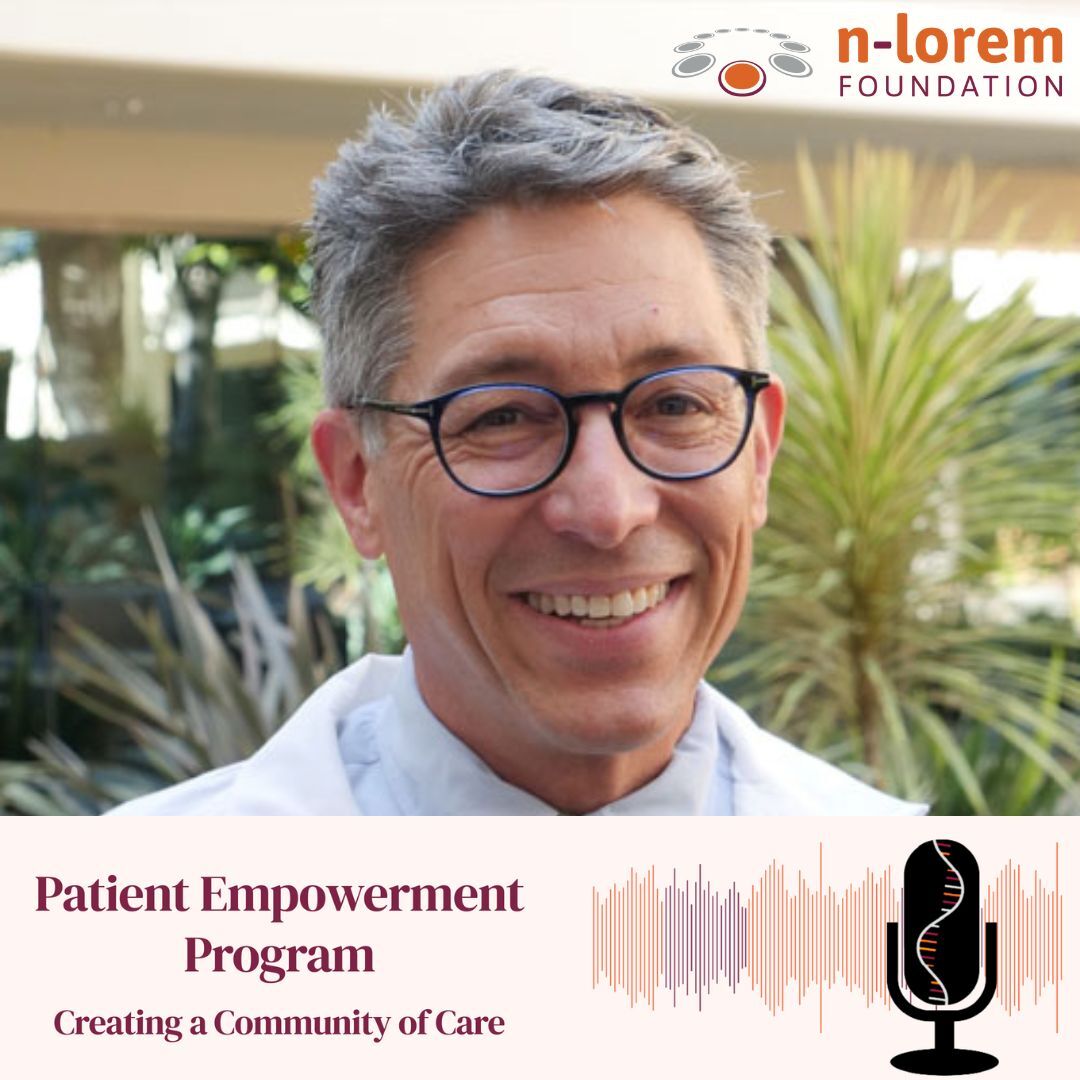
#272 Clinical Trials for One Patient with Dr. Joe Gleeson
from DNA Today: A Genetics Podcast · host Kira Dineen
This episode was originally released on the Patient Empowerment Program podcast, where our host Kira Dineen serves as a Producer. Sometimes you might even hear Kira’s voice in promos and ads. In this podcast, Dr. Stan Crooke and Dr. Gleeson discuss the importance of genomics for neurology and how genetic information is changing how the medical community approaches neurological diseases. Dr. Joseph Gleeson is n-Lorem’s Chief Medical Officer and holds a Rady Children’s Hospital Auxiliary Endowed Professorship of Neuroscience. He is an Investigator with the Simons Foundation for Autism Research Initiative, and an Elected Member of the National Academy of Medicine. Diagnosing a rare disease can be incredibly difficult. Over the past 10 years, advances in genomic sequencing coupled with an explosion of research on the functional consequences of mutations in genes are reshaping how the medical community thinks about rare diseases. Being able to evaluate a patient’s entire genetic makeup often allows physicians to identify mutations in genes that are causal for disease. These mutations can be common, meaning that they are found in many patients with a particular disease. These mutations can be incredibly rare (often one patient in the world; n-Lorem refers to them as nano-rare). For a patient that has a gene mutation that is rare, they often have no therapeutic options. How many patients have mutations that have never been identified? Dr. Gleeson estimates that 90% of all gene mutations that have been identified in recent years have never been identified before. Access to genome sequencing is becoming more and more available and as such, the rare-research community is finding it easier to diagnose patients properly with information from databases, leading to an influx of newly discovered gene mutations and n-of-1 individuals. Gleeson and his team at UCSD have identified that out of the over 2 million known human mutations, there is a viable path for ASO or gene therapy treatment for half of them. On This Episode We Discuss: The impact of genomic sequencing in medicine The difference between a genotype and phenotype How often a patient is identified with a genetic mutation unique to them Focusing on the underlying cause of disease and not just treating symptoms A viable path for treatment for how many gene mutations? Why he chose to become n-Lorem’s Chief Medical Officer Dr. Joe Gleeson studied chemistry as an undergraduate at UC San Diego. While in college, he frequently volunteered at a hospital and decided that practicing medicine would be a great way to apply his understanding of chemistry. Particularly, he wanted to figure out how the brain works while focusing on brain disease. Dr. Gleeson continued his education by attending the Pritzker Medical School at the University of Chicago, and then completed his residency and fellowship at Harvard. While in medical school, his eyes were opened to child neurology – understanding how the brain forms and how humans mature. Immediately upon practicing pediatrics, Dr. Gleeson noticed that most patients suffering from rare diseases didn’t have or would never receive a diagnosis. It was obvious to him that to change the lives of these patients, researchers must learn more about the diseases to allow physicians to not just treat the symptoms, but to combat the gene to reduce the severity of the phenotypes. Diagnosing a rare disease can be incredibly difficult. Genomics has made a massive difference in the medical field over the past 10 years by allowing doctors to see a patient’s entire genetic makeup. Finding a patient who is the only person in the world affected by a specific disease, or an n-of-1 patient, is surprisingly common. Gleeson estimates that 90% of all mutations identified are unique. As technology advances, the rare-research community is finding it easier to diagnose patients properly with information from databases, leading to an influx of newly discovered gene mutations and n-of-1 individuals. Gleeson and his team at UCSD have identified that out of the over 2 million known human mutations, there is a viable path for ASO or gene therapy treatment for half of them. Dr. Gleeson also serves as the Chief Medical Officer of n-Lorem, aiming to address unique genetic mutations with ASO technology – the ultimate in personalized medicine. Excited and completely bought in, Dr. Gleeson is hopeful that n-Lorem will be able to successfully discover and develop personalized experimental ASO medicines for thousands of patients over the next decade – for free, for life. Please be sure to check out more episodes of the Patient Empowerment Program podcast, just search the title in whatever podcast player you use to listen to DNA Today! Or head over to the podcast’s listing on here n-Lorem’s website. Stay tuned for the next new episode of “DNA Today” next Friday! New episodes are released every Friday. In the meantime, you can binge over 270 other episodes on Apple Podcasts, Spotify, streaming on the website, or any other podcast player by searching, “DNA Today”. Episodes since 2021 are also recorded with video which you can watch on our YouTube channel, this includes some episodes recorded at NBC Universal Stamford Studios. “DNA Today” is hosted and produced by Kira Dineen. Our social media lead is Corinne Merlino. Our video lead is Amanda Andreoli. Our Outreach Intern is Sanya Tinaikar. Our Social Media Intern is Kajal Patel. And our logo Graphic Designer Ashlyn Enokian. See what else we are up to on Instagram, X (Twitter), Threads, LinkedIn, Facebook, YouTube and our website, DNAToday.com. Questions/inquiries can be sent to [email protected].
Embed this episode
What this episode covers
This episode was originally released on the Patient Empowerment Program podcast, where our host Kira Dineen serves as a Producer. Sometimes you might even hear Kira’s voice in promos and ads. In this podcast, Dr. Stan Crooke and Dr. Gleeson discuss the importance of genomics for neurology and how genetic information is changing how the medical community approaches neurological diseases. Dr. Joseph Gleeson is n-Lorem’s Chief Medical Officer and holds a Rady Children’s Hospital Auxiliary Endowed Professorship of Neuroscience. He is an Investigator with the Simons Foundation for Autism Research Initiative, and an Elected Member of the National Academy of Medicine. Diagnosing a rare disease can be incredibly difficult. Over the past 10 years, advances in genomic sequencing coupled with an explosion of research on the functional consequences of mutations in genes are reshaping how the medical community thinks about rare diseases. Being able to evaluate a patient’s entire genetic makeup often allows physicians to identify mutations in genes that are causal for disease. These mutations can be common, meaning that they are found in many patients with a particular disease. These mutations can be incredibly rare (often one patient in the world; n-Lorem refers to them as nano-rare). For a patient that has a gene mutation that is rare, they often have no therapeutic options. How many patients have mutations that have never been identified? Dr. Gleeson estimates that 90% of all gene mutations that have been identified in recent years have never been identified before. Access to genome sequencing is becoming more and more available and as such, the rare-research community is finding it easier to diagnose patients properly with information from databases, leading to an influx of newly discovered gene mutations and n-of-1 individuals. Gleeson and his team at UCSD have identified that out of the over 2 million known human mutations, there is a viable path for ASO or gene therapy treatment for half of them. On This Episode We Discuss: The impact of genomic sequencing in medicine The difference between a genotype and phenotype How often a patient is identified with a genetic mutation unique to them Focusing on the underlying cause of disease and not just treating symptoms A viable path for treatment for how many gene mutations? Why he chose to become n-Lorem’s Chief Medical Officer Dr. Joe Gleeson studied chemistry as an undergraduate at UC San Diego. While in college, he frequently volunteered at a hospital and decided that practicing medicine would be a great way to apply his understanding of chemistry. Particularly, he wanted to figure out how the brain works while focusing on brain disease. Dr. Gleeson continued his education by attending the Pritzker Medical School at the University of Chicago, and then completed his residency and fellowship at Harvard. While in medical school, his eyes were opened to child neurology – understanding how the brain forms and how humans mature. Immediately upon practicing pediatrics, Dr. Gleeson noticed that most patients suffering from rare diseases didn’t have or would never receive a diagnosis. It was obvious to him that to change the lives of these patients, researchers must learn more about the diseases to allow physicians to not just treat the symptoms, but to combat the gene to reduce the severity of the phenotypes. Diagnosing a rare disease can be incredibly difficult. Genomics has made a massive difference in the medical field over the past 10 years by allowing doctors to see a patient’s entire genetic makeup. Finding a patient who is the only person in the world affected by a specific disease, or an n-of-1 patient, is surprisingly common. Gleeson estimates that 90% of all mutations identified are unique. As technology advances, the rare-research community is finding it easier to diagnose patients properly with information from databases, leading to an influx of newl
Ready to play
#272 Clinical Trials for One Patient with Dr. Joe Gleeson
No transcript for this episode yet
Similar Episodes
No similar episodes found.
Similar Podcasts
No similar podcasts found.