
EPISODE · Mar 2, 2026 · 17 MIN
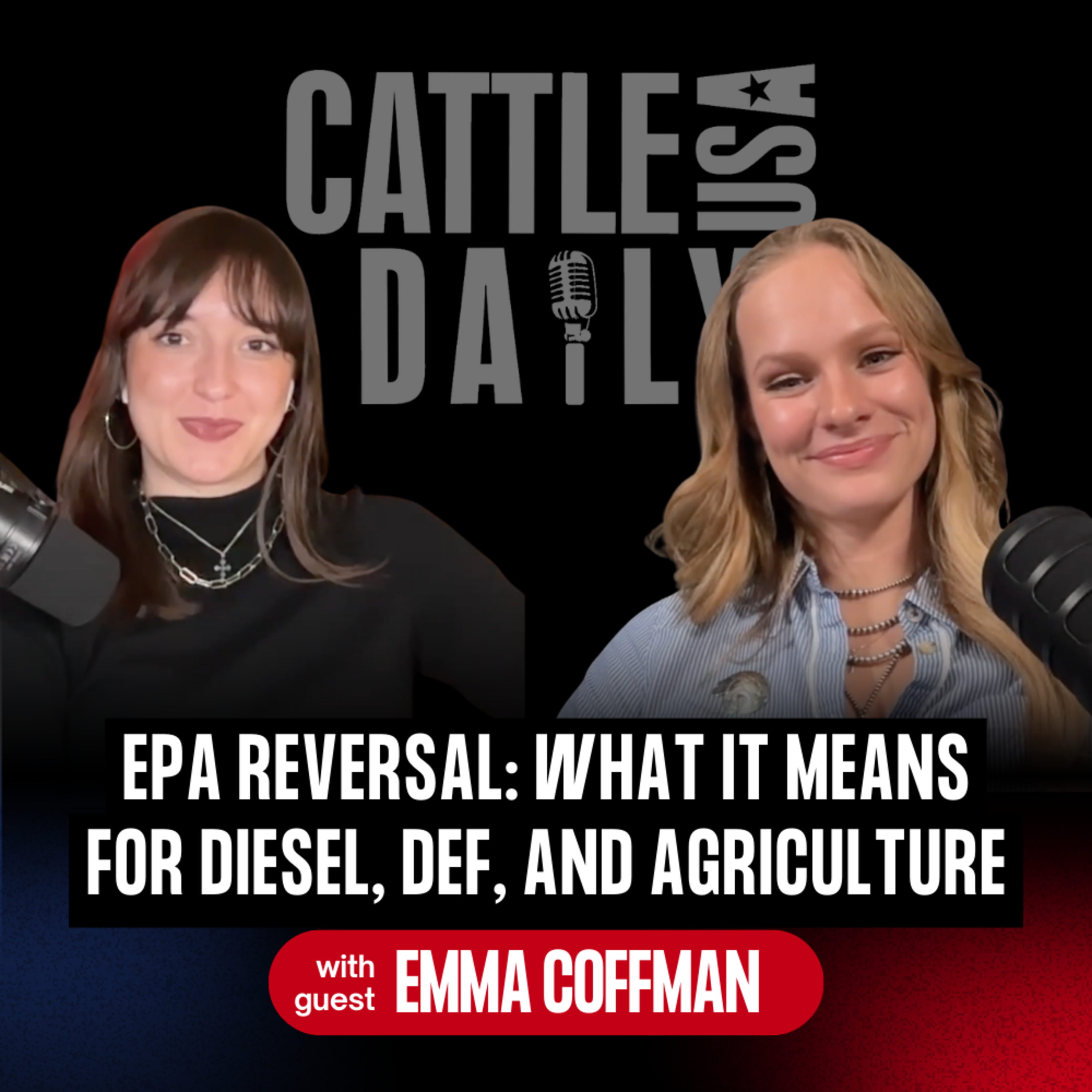
275: EPA Reversal: What It Means for Diesel, DEF, and Agriculture with Emma Coffman
from CattleUSA Daily · host Lauren Moylan | Cattle USA
After years of greenhouse gas regulation tied to diesel engines and DEF systems, the EPA has reversed course. In this episode, Lauren and Emma break down the original 2009 endangerment finding under the Clean Air Act, how it led to diesel emission requirements, and what the 2025 reconsideration means for agriculture, trucking, and rural industries. They also tackle the broader conversation around cattle, carbon, and why producers must stay engaged in policy decisions that directly affect their operations.LinksNominate or request to be a guest - forms.gle/fRkvzRenh7mqkDXV7 CattleUSA Insurance - https://info.cattleusainsurance.com/l/1102253/2025-06-04/288f5mCattleUSA Website - https://www.cattleusa.com/Facebook - https://www.facebook.com/cattleusamediaInstagram - https://www.instagram.com/cattleusa.media/Subscribe to our newsletter - https://www.cattleusadrive.com/premiumCattleUSA Media - https://www.cattleusamedia.com/Lauren’s Instagram - https://www.instagram.com/_laurenmoylan/Lauren’s Youtube - https://www.youtube.com/@ShowboatmediacoThe Next Generation Podcast Website - https://www.thenextgenag.com/Key Takeaways• In 2009, greenhouse gases were classified as pollutants under the Clean Air Act• That ruling gave the EPA authority to regulate vehicle emissions, including diesel engines• DEF systems became required as part of emissions compliance• These regulations increased equipment and transportation costs for agriculture• The EPA has now reconsidered and reversed the 2009 endangerment finding for vehicles• Moving forward, new diesel vehicles will not be subject to the same greenhouse gas requirements• Agriculture is often inaccurately blamed for a disproportionate share of emissions• Transportation accounts for a significantly larger percentage of U.S. greenhouse gas emissions than cattle• Cattle play a role in the natural carbon cycle and soil health• Advocacy and policy engagement matter at the local, state, and federal level• Producers must stay informed about regulatory decisions that impact their operationsChapters00:00 Why emissions are back in the headlines01:30 The 2009 Clean Air Act endangerment finding04:30 DEF systems and diesel engine regulation07:00 Economic impact on agriculture and trucking09:30 The 2025 EPA reconsideration and reversal12:00 Carbon cycle, cattle, and emissions data15:00 Why producer advocacy matters17:30 What this means moving forwardEPA emissions rule reversal, Clean Air Act 2009, greenhouse gas endangerment finding, diesel DEF system agriculture, vehicle emissions regulation 2025, agriculture greenhouse gas emissions, cattle carbon cycle, EPA diesel rollback, rural industry regulation, agricultural policy advocacy
Embed this episode
NOW PLAYING
275: EPA Reversal: What It Means for Diesel, DEF, and Agriculture with Emma Coffman
No transcript for this episode yet
Similar Episodes
No similar episodes found.
Similar Podcasts
No similar podcasts found.