
EPISODE · Jul 13, 2025 · 10 MIN
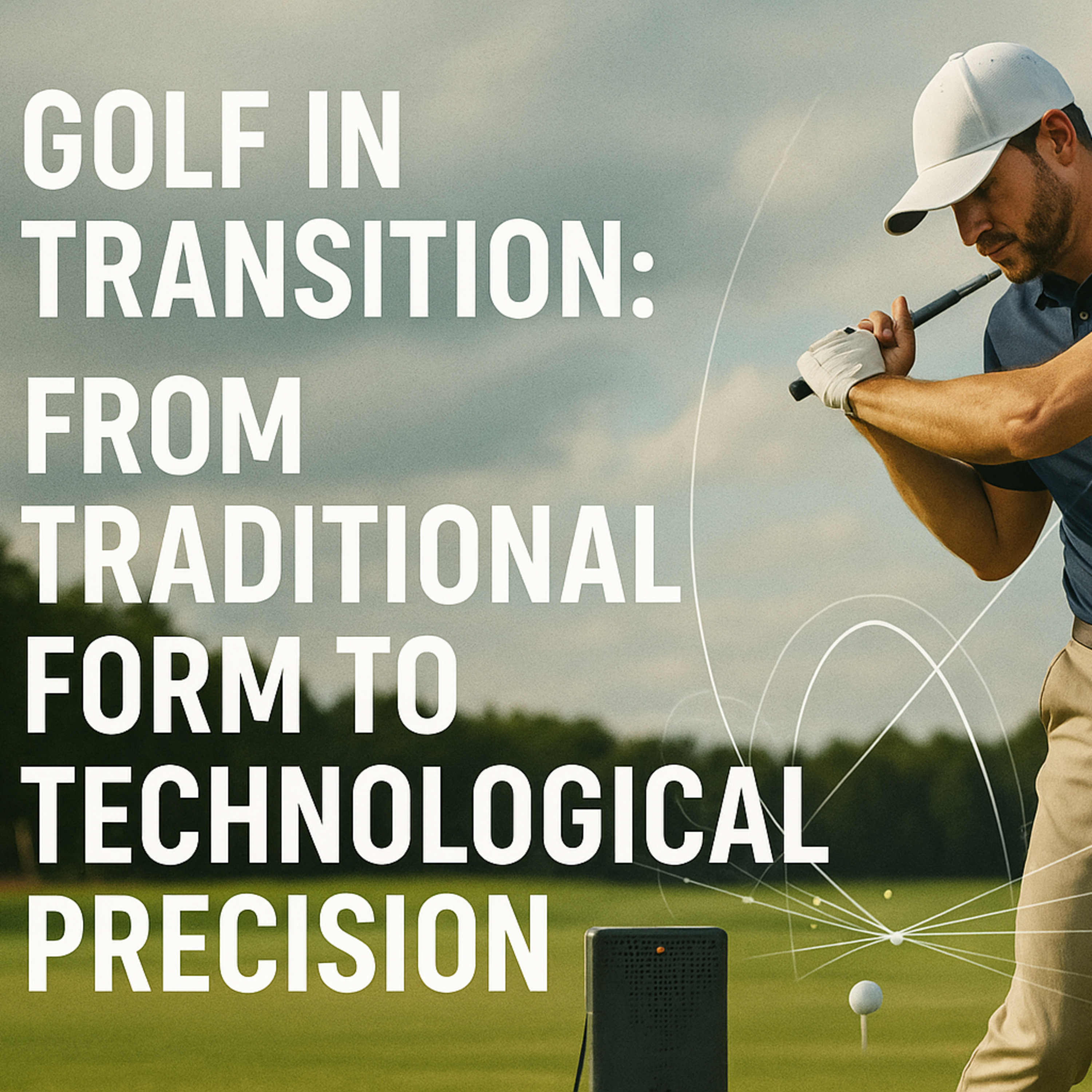
#283 Golf in Transition: From Traditional Form to Technological Precision
from Golf 247.eu: The Global Platform for Innovative Technologies and Teaching Concepts. · host Golf247.eu
Golf instruction has undergone a fundamental transformation. Where once rigid fundamentals like grip, alignment, and top-of-backswing positions ruled teaching, today’s approach emphasizes functionality over aesthetics. Techniques formerly dismissed—like a closed clubface in the backswing—are now widely accepted, reflecting a shift toward swing efficiency and individual adaptability.What remains unchanged is the uniqueness of each swing. No two players move the same, even with similar basics. Modern instruction acknowledges this diversity, encouraging golfers to develop a swing that works for them—not a replica of someone else’s motion.This evolution is tightly linked to technology. Radar-based launch monitors such as FlightScope and TrackMan provide precise data on ball speed, spin, and launch angle. High-end systems like Foresight’s GCQuad or the NVisage platform even measure dynamic lie and environmental factors. These tools deliver feedback once available only to elite professionals.AI-powered platforms are the next frontier. Systems like AI Golf Chat and Swing AI analyze swing videos in real time, offering tailored drills and feedback based on biomechanics. They learn from each swing, helping players adjust more effectively—even without a coach present.Importantly, AI enhances rather than replaces traditional coaching. The most effective teaching blends objective data with subjective experience. Numbers may reveal patterns, but "feel" gives them meaning. The future of golf lies in this synergy—where instinct and information work together.Yet the digital age brings challenges. With endless information comes the risk of overload. The golf swing takes only two seconds, and in that moment, too many thoughts can disrupt flow. Studies show that peak athletic performance often occurs in a mental state of complete quiet—no conscious thinking, just movement.That’s why, despite all advancements, ball flight, sound, and impact feel remain the most trusted feedback. Technology must support human perception—not replace it.In conclusion, smart technology is no longer a luxury in golf; it’s essential. From radar tracking to AI coaching, today’s tools allow players to train with clarity and purpose. Whether Tour professional or weekend enthusiast, the modern golfer now benefits from a data-driven approach that respects individuality and enhances performance—without losing the art of the game.www.Golf247.eu
Embed this episode
NOW PLAYING
#283 Golf in Transition: From Traditional Form to Technological Precision
No transcript for this episode yet
Similar Episodes
No similar episodes found.
Similar Podcasts
No similar podcasts found.