
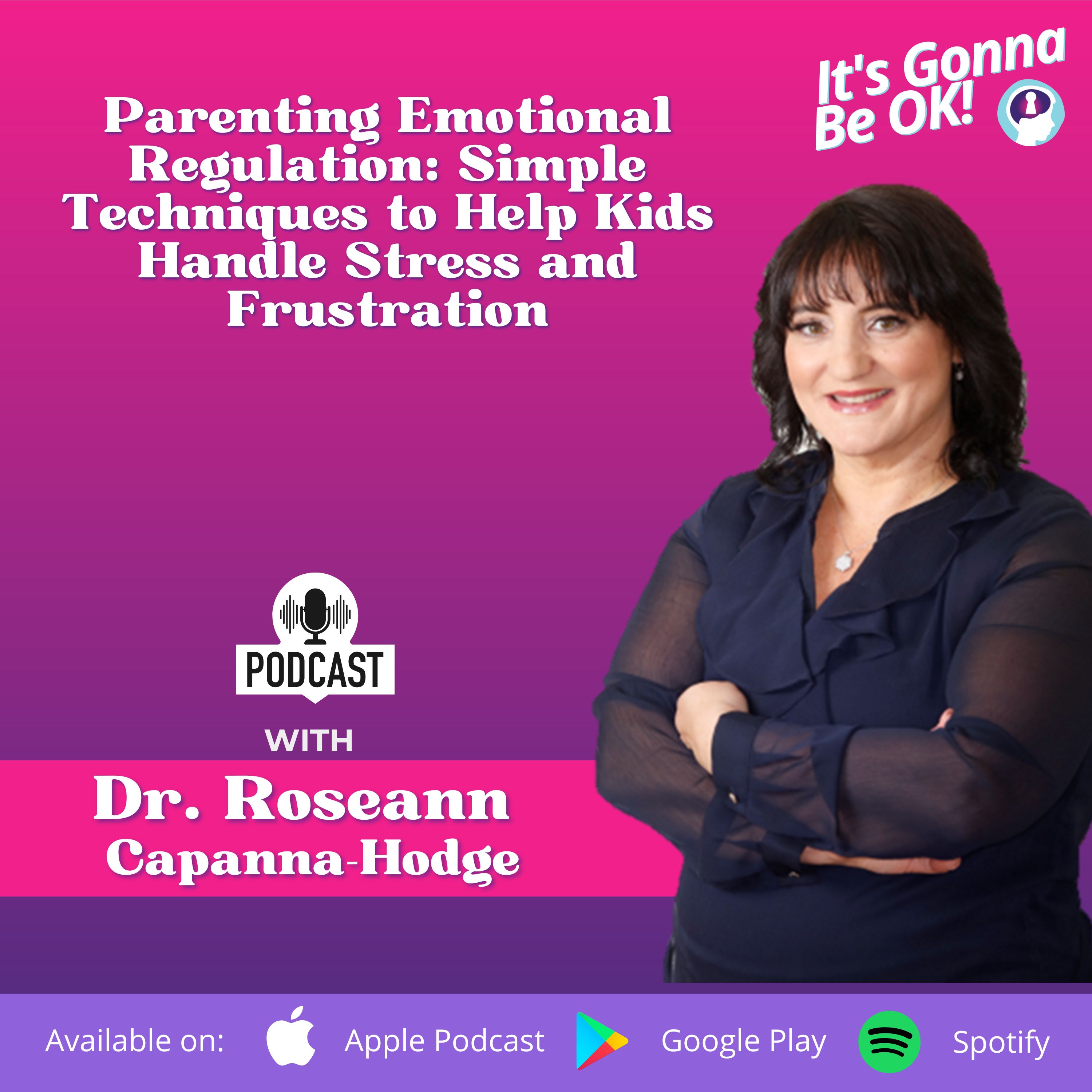
EPISODE · Mar 17, 2025 · 18 MIN
Emotional Regulation Techniques for Parents | Regulation First Parenting™ | E286
from Dysregulated Kids: Science-Backed Parenting Help for Behavior, Anxiety, ADHD and More
Emotional Regulation Techniques for KidsWhen your child melts down over minor frustrations, it can feel exhausting. This isn’t defiance, it’s a dysregulated child whose nervous system is overwhelmed. In this episode, we explore emotional regulation techniques that help kids tolerate stress, recover from meltdowns, and build confidence.Why do children get overwhelmed so quickly?Many kids haven’t practiced tolerating frustration, and adults often step in too early. Frustration is a signal, not bad behavior:Nervous system overload prevents calm thinkingEmotional outbursts are communication, not willfulnessTry this:Name the feeling: “This feels really hard right now.”See behavior as communication, not misbehaviorGuide through discomfort before offering solutionsPractice repetition over perfectionHow does co-regulation help?Children learn regulation by borrowing your calm. Reset to Regulate: you regulate first, then support the child.Co-regulation strategies:Deep breathing togetherProgressive relaxation: squeeze hands, then releaseValidation: “I see how big this feels”Model calm behaviorSensory tools for younger kids:Weighted blanketsPlay-Doh or stress ballsBubble or belly breathingParent example: A child melts down during homework. Kneel beside them: “Your brain feels stuck. Let’s breathe together, then take the next step.”Techniques for school-aged children and teensOlder kids need explicit instruction. Pause, Breathe, Choose:Pause to identify the feelingBreathe to calm the nervous systemChoose a coping strategyIncorporate movement: stretching, walking, or short sensory breaks before emotions escalate.Reflection and repair after meltdownsReflection develops emotional awareness and problem-solving:Ask: “What did you feel in your body?”Ask: “When did it feel too big?”Ask: “What could help next time?”Reinforce progress over perfection to wire new neural pathways.Listen + Take the Next StepGet your FREE Regulation Rescue Kit to handle meltdowns and teach coping skills: 👉 www.drroseann.com/newsletterTakeawayUsing emotional regulation techniques, consistent co-regulation, and reflection, children can tolerate stress, self-calm, and build confidence. Healing begins when we calm the brain first.FAQsQ1: What are the most effective emotional regulation techniques for kids? Start with co-regulation, sensory support, and structured breathing exercises.Q2: How do I model calm if I’m stressed? Use short pauses, slow breathing, and predictable responses to stabilize the nervous system.Q3: Do these techniques work for teens? Yes, older children still benefit from explicit instruction, movement, and micro-coping strategies.Q4: How long until regulation skills stick? Daily micro-practice builds resilience over weeks; consistency is key.Q5: Can these strategies reduce meltdowns during transitions? Absolutely. Predictable routines, clear instructions, and co-regulation reduce dysregulation during transitions.
Embed this episode
NOW PLAYING
Emotional Regulation Techniques for Parents | Regulation First Parenting™ | E286
No transcript for this episode yet
Similar Episodes
No similar episodes found.
Similar Podcasts
No similar podcasts found.