
EPISODE · Apr 2, 2025 · 14 MIN
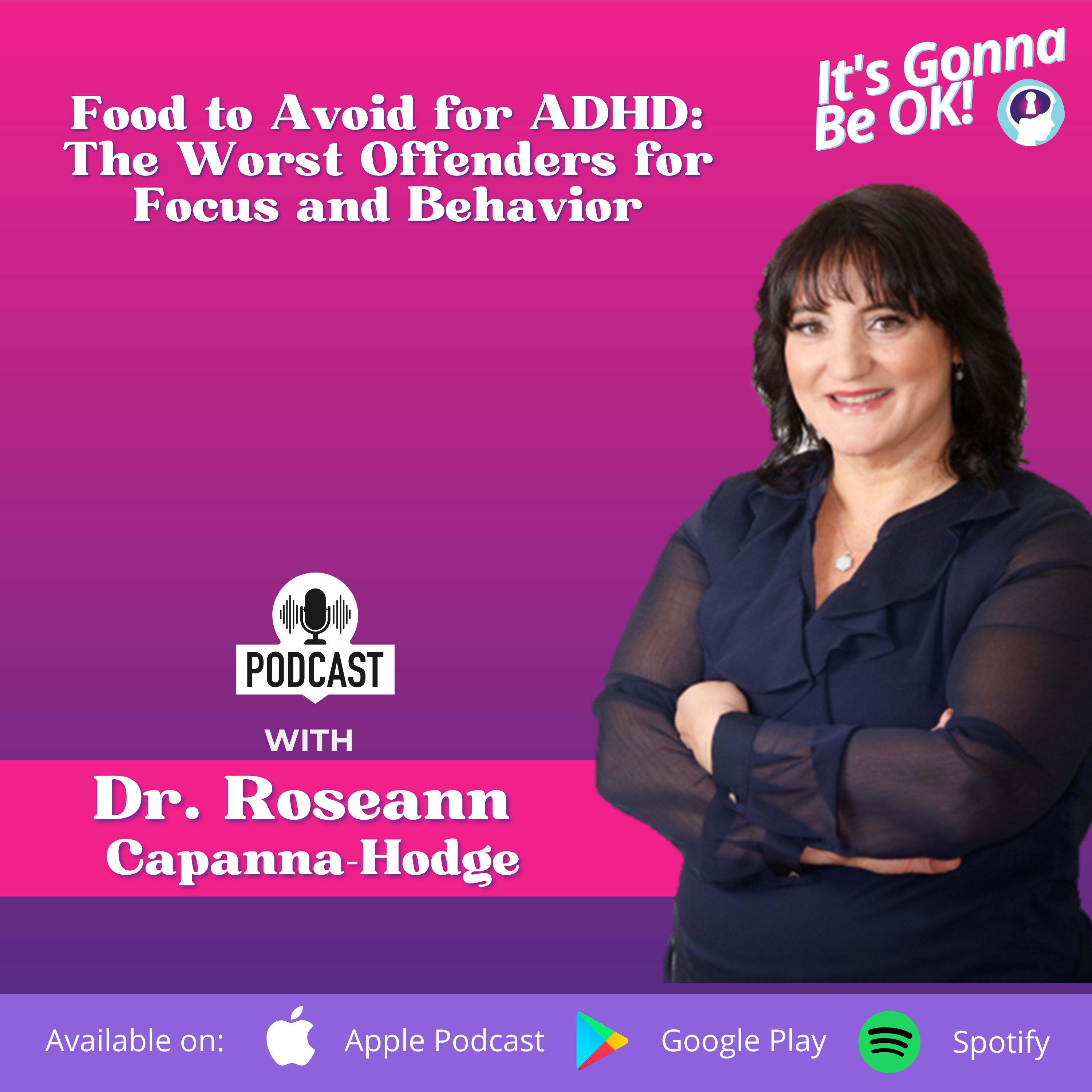
Food to Avoid for ADHD: The Worst Offenders for Focus and Behavior | Nervous System Strategies | E291
from Dysregulated Kids: Science-Backed Parenting Help for Behavior, Anxiety, ADHD and More
What if one simple food swap could help your child focus better and reduce meltdowns? You’re not imagining it, nutrition directly affects neurotransmitters, gut health, and the nervous system. Kids with ADHD often react more strongly to inflammatory or processed foods, which can dysregulate the brain.In this episode, you’ll learn: • Why certain foods worsen ADHD symptoms and behavior • The top foods to avoid and why • Easy swaps that support attention, self-regulation, and emotional balance • How small daily habits strengthen executive functioning and calm the nervous systemWhy does food affect ADHD symptoms so much? The gut and brain communicate constantly. About 90% of serotonin is made in the gut, so inflammatory foods can lead to: • Poor focus • Increased impulsivity • Emotional dysregulationTop foods to avoid for ADHD: • Artificial dyes and colors (Red 40, Yellow 5) • High sugar and simple carbs that spike and crash energy • Artificial sweeteners • Preservatives like MSG, BHA, and BHT • Gluten and dairy for sensitive kids • Caffeine from soda or chocolateQuick swap ideas: • Protein and healthy fats at breakfast • Natural sweeteners like honey or maple syrup • Omega-3–rich foods such as salmon and walnuts • Magnesium-rich snacks like pumpkin seeds • Stay hydrated to prevent brain fogHow fast can food changes help? Small, consistent changes create regulation wins: • Start with one swap • Observe calmly and adjust • Pair with predictable routines and mindful breaksSupporting everyday habits: • Short movement breaks between tasks • Mindful breathing exercises • Consistent routines around meals and homeworkHow nutrition supports learning and emotional balance: • Reduces ADHD meltdowns • Improves focus and cognitive processing • Strengthens emotional self-regulationFAQs Q: Can small diet changes really make a difference? A: Yes. Even one nutritious swap can reduce irritability and improve focus within days.Q: How do I combine food changes with routines? A: Pair swaps with structured schedules, movement breaks, and mindful practices to strengthen regulation.Q: Do these changes replace medication? A: No, but they complement therapy, neurofeedback, and other supports for brain and nervous system regulation.Links & Resources Neurotastic™ Multi-Mag Brain™ Formula: https://drroseann.com/magnesium Brain & Behavior Solutions Matcher: https://drroseann.com/help/ Dr. Roseann Capanna-Hodge helps parents support ADHD and emotional dysregulation, teaching practical nervous system regulation and co-regulation strategies through her Regulation First Parenting™ approach.
Embed this episode
NOW PLAYING
Food to Avoid for ADHD: The Worst Offenders for Focus and Behavior | Nervous System Strategies | E291
No transcript for this episode yet
Similar Episodes
No similar episodes found.
Similar Podcasts
No similar podcasts found.