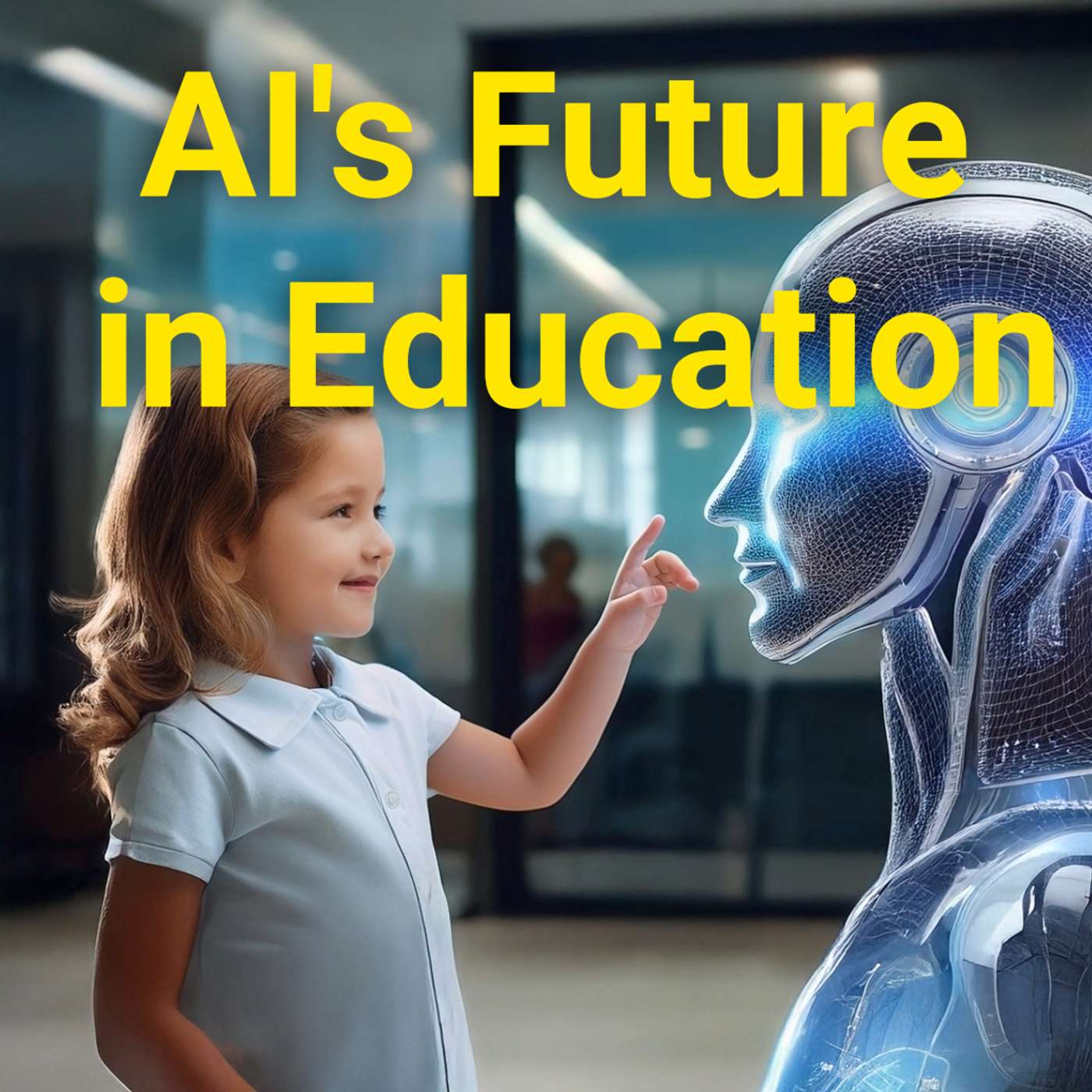
#298 Reimagining Education: The AI Revolution episode artwork

EPISODE · Oct 16, 2025 · 35 MIN

#298 Reimagining Education: The AI Revolution

from Embracing Digital Transformation · host Dr. Darren Pulsipher

Check out my new book AI Augmented Teams on Amazon or on my website paidar.ai/books.IUnlock the Future of Education with AI: In this intriguing episode of "Embracing Digital Transformation," host Dr. Darren engages with educator and curriculum architect Kevin Rush to explore the groundbreaking impact of artificial intelligence on education. They discuss the evolution of educational methodologies, emphasizing the shift from traditional content delivery to personalized, engaging learning experiences. Key topics include how AI enables individualized learning pathways, innovative curriculum designs, and the vital role of teachers as mentors in the classroom. Listeners will gain valuable insights into how AI can reshape educational practices and foster more interactive learning environments. ## Takeaways - The educational landscape is rapidly changing due to advancements in AI, allowing for more personalized learning experiences. - Teachers can shift from traditional lecturing to acting as mentors and facilitators of knowledge. - Long-term project-based learning can encourage deeper engagement and mastery of subjects for students. - AI should be viewed as an augmentation tool for education rather than simply a way to deliver content. - Emphasizing critical thinking and hands-on projects can help prepare students for real-world challenges. ## Chapters - 00:00 - Introduction: Understanding the AI Revolution in Education - 02:15 - Meet Kevin Rush: Background & Insights on Curriculum Design - 05:45 - The Shift from Traditional Education Models to AI Integration - 10:30 - The Role of Teachers as Mentors in the Classroom - 15:00 - Exploring Innovative Curriculum Ideas: Project-Based Learning - 20:00 - How AI is Transforming the Learning Experience - 25:00 - Challenges and Considerations in the Era of AI Education - 30:00 - Looking Forward: The Future of Education and AI - 35:00 - Conclusion: How to Embrace Digital Transformation in EducationAs technology continues to evolve, education is facing unprecedented transformations. The emergence of Artificial Intelligence (AI) is not just a trend; it signifies a fundamental shift in how knowledge is constructed, accessed, and imparted. The conversation around AI and education reflects the growing need to rethink traditional pedagogical methods and embrace new educational models that can harness the power of technology.  The Shift from Content Delivery to Personalized LearningHistorically, education has relied heavily on content delivery, where instructors impart knowledge through lectures, reading assignments, and standardized tests. This approach has faced criticism for its lack of engagement and its failure to adapt to the varied learning styles of students. With the advent of AI, there exists a profound opportunity to reinvent the classroom experience.AI has the potential to transform learning from a passive experience to an active one. Instead of merely consuming information, students can engage with AI tools that tailor content to their unique learning needs. These intelligent systems can assess a student’s progress in real-time, providing feedback and resources tailored to deepen understanding. For instance, platforms utilizing AI can adapt learning materials based on a student's strengths and weaknesses, ensuring that no two learning journeys are the same.Moreover, the incorporation of AI in education facilitates a shift towards project-based learning. By integrating long-term projects that draw from real-world applications, students can develop critical thinking, problem-solving, and collaboration skills. This hands-on approach encourages learners to interact meaningfully with the content, ultimately fostering a deeper connection to the material. Teacher as Mentor: Redefining Educator RolesThe rise of AI in educational settings does not diminish the essential role of educators; instead, it transforms it. Teachers are evolving from traditional content deliverers to mentors and facilitators. In this new paradigm, educators focus on guiding students through their learning experiences, ensuring students acquire the skills necessary for success in a rapidly changing world.Teachers can facilitate discussions, provide insights, and support students in navigating their personalized learning paths. This mentorship approach enables educators to establish a more profound connection with their students, understanding their individual interests and motivations. By fostering a collaborative learning environment, teachers help students develop their analytical and critical thinking abilities.This mentorship model also creates opportunities for educators to engage in continuous professional growth. By exploring innovative teaching methodologies, collaborating with peers, and experimenting with AI tools, teachers can enhance their practices and adapt to the changing landscape of education. Bridging the Gap: AI in Underserved CommunitiesThe potential of AI in education goes beyond simply improving existing systems; it holds promise for democratizing learning opportunities, especially in underserved communities. Many regions worldwide still face challenges in accessing quality education, resources, and trained educators. AI can help to level the playing field by providing students with access to knowledge and learning tools that were previously out of reach.AI-powered platforms offer personalized learning experiences that cater to individual students' needs, helping fill educational gaps that might otherwise persist. Furthermore, as AI tools become more widely available, they can be integrated into learning environments that lack traditional educational resources. This accessibility allows individuals in underserved regions to gain the skills and knowledge necessary to thrive in an increasingly digital world.Additionally, the implementation of AI in education promotes engagement through interactive learning experiences. By relating educational material to communities’ specific challenges, students are more likely to find the content relevant and motivating. This localized focus allows them to connect their learning to real-world issues, thereby enhancing their educational journeys. Embracing the Future of EducationAs we navigate this new educational landscape shaped by AI, it becomes imperative for all stakeholders—educators, students, and policymakers—to collaborate and reimagine traditional frameworks. The move towards personalized, project-based learning facilitated by AI offers vast opportunities to enhance student engagement, foster critical thinking, and nurture skills for the future workforce. The need for transformative education is clear. By embracing this new paradigm, we can prepare learners not just to succeed in their academic pursuits but to become adaptive, innovative, and engaged citizens in a rapidly changing world. It is time to cultivate an educational system that prioritizes meaningful learning experiences, supports educators, and prepares students for the challenges and opportunities that lie ahead.

Check out my new book AI Augmented Teams on Amazon or on my website paidar.ai/books.IUnlock the Future of Education with AI: In this intriguing episode of "Embracing Digital Transformation," host Dr. Darren engages with educator and curriculum architect Kevin Rush to explore the groundbreaking impact of artificial intelligence on education. They discuss the evolution of educational methodologies, emphasizing the shift from traditional content delivery to personalized, engaging learning experiences. Key topics include how AI enables individualized learning pathways, innovative curriculum designs, and the vital role of teachers as mentors in the classroom. Listeners will gain valuable insights into how AI can reshape educational practices and foster more interactive learning environments. ## Takeaways - The educational landscape is rapidly changing due to advancements in AI, allowing for more personalized learning experiences. - Teachers can shift from traditional lecturing to acting as mentors and facilitators of knowledge. - Long-term project-based learning can encourage deeper engagement and mastery of subjects for students. - AI should be viewed as an augmentation tool for education rather than simply a way to deliver content. - Emphasizing critical thinking and hands-on projects can help prepare students for real-world challenges. ## Chapters - 00:00 - Introduction: Understanding the AI Revolution in Education - 02:15 - Meet Kevin Rush: Background & Insights on Curriculum Design - 05:45 - The Shift from Traditional Education Models to AI Integration - 10:30 - The Role of Teachers as Mentors in the Classroom - 15:00 - Exploring Innovative Curriculum Ideas: Project-Based Learning - 20:00 - How AI is Transforming the Learning Experience - 25:00 - Challenges and Considerations in the Era of AI Education - 30:00 - Looking Forward: The Future of Education and AI - 35:00 - Conclusion: How to Embrace Digital Transformation in EducationAs technology continues to evolve, education is facing unprecedented transformations. The emergence of Artificial Intelligence (AI) is not just a trend; it signifies a fundamental shift in how knowledge is constructed, accessed, and imparted. The conversation around AI and education reflects the growing need to rethink traditional pedagogical methods and embrace new educational models that can harness the power of technology.  The Shift from Content Delivery to Personalized LearningHistorically, education has relied heavily on content delivery, where instructors impart knowledge through lectures, reading assignments, and standardized tests. This approach has faced criticism for its lack of engagement and its failure to adapt to the varied learning styles of students. With the advent of AI, there exists a profound opportunity to reinvent the classroom experience.AI has the potential to transform learning from a passive experience to an active one. Instead of merely consuming information, students can engage with AI tools that tailor content to their unique learning needs. These intelligent systems can assess a student’s progress in real-time, providing feedback and resources tailored to deepen understanding. For instance, platforms utilizing AI can adapt learning materials based on a student's strengths and weaknesses, ensuring that no two learning journeys are the same.Moreover, the incorporation of AI in education facilitates a shift towards project-based learning. By integrating long-term projects that draw from real-world applications, students can develop critical thinking, problem-solving, and collaboration skills. This hands-on approach encourages learners to interact meaningfully with the content, ultimately fostering a deeper connection to the material. Teacher as Mentor: Redefining Educator RolesThe rise of AI in educational settings does not diminish the essential role of educators; instead, it transforms it. Teachers are evolving from traditional content deliverers to mentors and facilitators. In this new paradigm, educators focus on guiding students through their learning experiences, ensuring students acquire the skills necessary for success in a rapidly changing world.Teachers can facilitate discussions, provide insights, and support students in navigating their personalized learning paths. This mentorship approach enables educators to establish a more profound connection with their students, understanding their individual interests and motivations. By fostering a collaborative learning environment, teachers help students develop their analytical and critical thinking abilities.This mentorship model also creates opportunities for educators to engage in continuous professional growth. By exploring innovative teaching methodologies, collaborating with peers, and experimenting with AI tools, teachers can enhance their practices and adapt to the changing landscape of education. Bridging the Gap: AI in Underserved CommunitiesThe potential of AI in education goes beyond simply improving existing systems; it holds promise for democratizing learning opportunities, especially in underserved communities. Many regions worldwide still face challenges in accessing quality education, resources, and trained educators. AI can help to level the playing field by providing students with access to knowledge and learning tools that were previously out of reach.AI-powered platforms offer personalized learning experiences that cater to individual students' needs, helping fill educational gaps that might otherwise persist. Furthermore, as AI tools become more widely available, they can be integrated into learning environments that lack traditional educational resources. This accessibility allows individuals in underserved regions to gain the skills and knowledge necessary to thrive in an increasingly digital world.Additionally, the implementation of AI in education promotes engagement through interactive learning experiences. By relating educational material to communities’ specific challenges, students are more likely to find the content relevant and motivating. This localized focus allows them to connect their learning to real-world issues, thereby enhancing their educational journeys. Embracing the Future of EducationAs we navigate this new educational landscape shaped by AI, it becomes imperative for all stakeholders—educators, students, and policymakers—to collaborate and reimagine traditional frameworks. The move towards personalized, project-based learning facilitated by AI offers vast opportunities to enhance student engagement, foster critical thinking, and nurture skills for the future workforce. The need for transformative education is clear. By embracing this new paradigm, we can prepare learners not just to succeed in their academic pursuits but to become adaptive, innovative, and engaged citizens in a rapidly changing world. It is time to cultivate an educational system that prioritizes meaningful learning experiences, supports educators, and prepares students for the challenges and opportunities that lie ahead.

NOW PLAYING

#298 Reimagining Education: The AI Revolution

0:00 35:52

No transcript for this episode yet

We transcribe on demand. Request one and we'll notify you when it's ready — usually under 10 minutes.

Solving for Change MOBIA Technology Innovations Solving for Change welcomes business and technology leaders to share stories of bold business transformation within complex organizations. In an era when technology and markets are changing around businesses, the key to staying competitive is to evolve in response to those changes.  MOBIA’s Mike Reeves and Marc LeBlanc investigate business transformation, deconstructing the challenges, ambitions, and market disruptions that drive companies to embark on transformation journeys, and exploring their unique approaches to achieving meaningful outcomes.  What sparks leaders to pursue business transformation? How do they overcome the challenges along the way? What are the keys to creating enduring change?  Through in-depth conversations with business and technology leaders, Mike and Marc answer these questions and explore how businesses evolve by pulling four key transformation levers: people, process, technology, and culture. Darknet Discussions Darknet Discussions Welcome to "Darknet Discussions," the podcast that gets into the shadows of the internet to bring you the most intriguing, enlightening, and sometimes unsettling stories from the dark web. Hosted by seasoned darknet aficionados, each episode of "Darknet Discussions" explores the intricate dynamics of darknet markets, cybersecurity threats, and the digital underworld. Join us as we interview experts, discuss the latest trends in cybercrime, and shed light on the technologies that operate beneath the surface of everyday internet use. Also, we occasionally go off on a tangent about something completely unrelated. The Digital Experience Show by Enonic Enonic All you need to know about digital strategy, digital experiences, and CMS are covered in this podcast. Powered by NotebookLM. Tips, News and Stories for Older Adults Esther C Kane CAPS, C.D.S. "Tips, News, and Stories for Older Adults" delivers weekly insights tailored for seniors. We bring you summaries of curated news, practical advice, and inspiring stories that matter to the 55+ community. From health and finance to technology and lifestyle, our content keeps you informed and engaged. Sourced from trusted outlets, each episode offers valuable information for navigating your golden years. Join us as we explore aging with positivity, wisdom, and engaging stories. Your perfect companion for staying active, learning, and embracing life's later chapters.

Frequently Asked Questions

How long is this episode of Embracing Digital Transformation?

This episode is 35 minutes long.

When was this Embracing Digital Transformation episode published?

This episode was published on October 16, 2025.

What is this episode about?

Check out my new book AI Augmented Teams on Amazon or on my website paidar.ai/books.IUnlock the Future of Education with AI: In this intriguing episode of "Embracing Digital Transformation," host Dr. Darren engages with educator and curriculum...

Can I download this Embracing Digital Transformation episode?

Yes, you can download this episode by clicking the download button on the episode player, or subscribe to the podcast in your preferred podcast app for automatic downloads.
URL copied to clipboard!