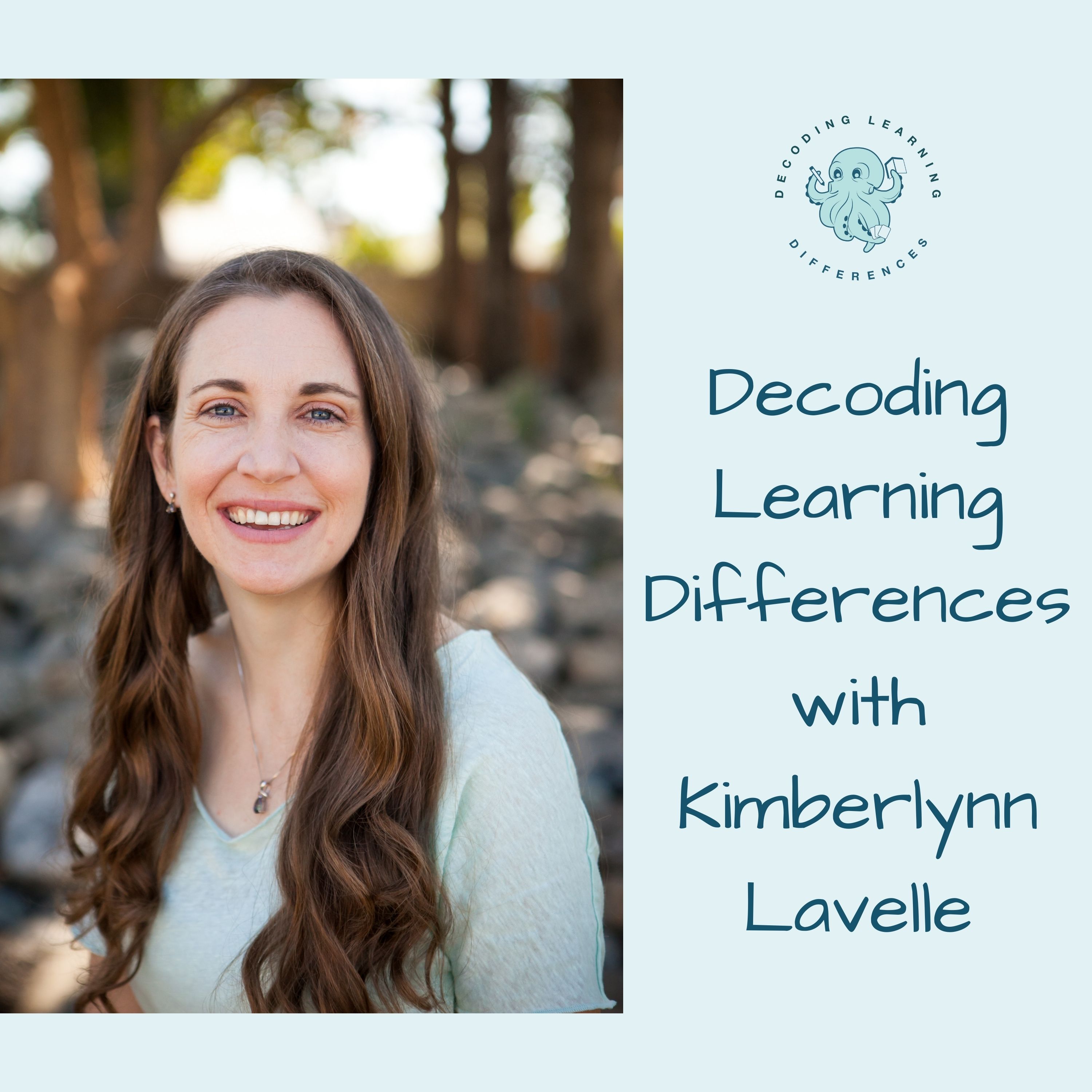
3 Learning Principles You NEED to Know! episode artwork

EPISODE · Sep 12, 2022 · 6 MIN

3 Learning Principles You NEED to Know!

from Decoding Learning Differences with Kimberlynn Lavelle · host Kimberlynn Lavelle

More at: www.YourParentHelp.com/podcast_0235    When you’re teaching your child, or supporting them academically in any way, even just in thinking about how to get outside help for them, you NEED to understand a few principles of how kids learn to easily avoid conflict and increase actual learning!   Teachers learn the most. When we teach something, we retain 90% of the content.  Compare that to just 15% retention when something is presented both auditorily and visually!    Prioritize creating opportunities for your child to take on the role of teacher.  Many young kids will do this naturally by quizzing the parent, or telling the parent to pretend to be a student.  Follow that lead!  Let them turn in to the teacher!  You can also set up other “students” like stuffed animals or the dog.  “Teddy looks confused.  Can you explain that to them again?”   Learning happens in a fun challenge, and when interested. If your child is stressed or bored, they’re not learning much.  We want all learning opportunities to be enjoyable.  One way to do this is to consider their interests and make learning opportunities around something interesting to them.    Another way is to challenge them.  If something is too easy, it feels boring.  And some kids make more mistakes when they find something too easy.  They aren’t paying much attention because they’re not interested.  However, if something is too hard, they’ll become frustrated and feel defeated.  Finding that fine line of giving only what feels almost easy can really engage effort and attention and make them proud of what they accomplish!   Most people can not attend/focus for More than 10 minutes at a time. Keep learning activities short, light, and fun!  An hour of tutoring once per week is far less impactful than 5 minutes of intentional practice or quick lessons twice per day.  Your kid can focus better, and gets lots of opportunity to process between practices, building more automaticity.     Bonus tip:  the best time to practice is right before bed!  Our brains process all night long and the stuff that happens right before bed gets the most processing.   With these three principles, you can be effective in designing meaningful educational opportunities for your child while avoiding resistance, boredom, and frustration!

More at: www.YourParentHelp.com/podcast_0235    When you’re teaching your child, or supporting them academically in any way, even just in thinking about how to get outside help for them, you NEED to understand a few principles of how kids learn to easily avoid conflict and increase actual learning!   Teachers learn the most. When we teach something, we retain 90% of the content.  Compare that to just 15% retention when something is presented both auditorily and visually!    Prioritize creating opportunities for your child to take on the role of teacher.  Many young kids will do this naturally by quizzing the parent, or telling the parent to pretend to be a student.  Follow that lead!  Let them turn in to the teacher!  You can also set up other “students” like stuffed animals or the dog.  “Teddy looks confused.  Can you explain that to them again?”   Learning happens in a fun challenge, and when interested. If your child is stressed or bored, they’re not learning much.  We want all learning opportunities to be enjoyable.  One way to do this is to consider their interests and make learning opportunities around something interesting to them.    Another way is to challenge them.  If something is too easy, it feels boring.  And some kids make more mistakes when they find something too easy.  They aren’t paying much attention because they’re not interested.  However, if something is too hard, they’ll become frustrated and feel defeated.  Finding that fine line of giving only what feels almost easy can really engage effort and attention and make them proud of what they accomplish!   Most people can not attend/focus for More than 10 minutes at a time. Keep learning activities short, light, and fun!  An hour of tutoring once per week is far less impactful than 5 minutes of intentional practice or quick lessons twice per day.  Your kid can focus better, and gets lots of opportunity to process between practices, building more automaticity.     Bonus tip:  the best time to practice is right before bed!  Our brains process all night long and the stuff that happens right before bed gets the most processing.   With these three principles, you can be effective in designing meaningful educational opportunities for your child while avoiding resistance, boredom, and frustration!

NOW PLAYING

3 Learning Principles You NEED to Know!

0:00 6:33

No transcript for this episode yet

We transcribe on demand. Request one and we'll notify you when it's ready — usually under 10 minutes.

MG Show MG Show The MG Show, hosted by Jeffrey Pedersen and Shannon Townsend, is a leading alternative media platform dedicated to uncovering the truth behind today’s most pressing political issues. Launched in 2019, the show has grown exponentially, offering unfiltered insights, comprehensive research, and real-time analysis. With a commitment to independent journalism and factual integrity, the MG Show empowers its audience with knowledge and encourages active participation in the political discourse. French Your Way Jessica: Native French teacher founder of French Your Way Boost your French listening skills and test your comprehension with this one of a kind series of podcasts. Get the chance to listen to a real conversation between native speakers talking at normal speed AND customise your learning experience through carefully designed sets of questions (2 levels of difficulty) available for download at www.frenchvoicespodcast.com. All interviews also come with the transcript. French teacher Jessica interviews native speakers of French from around the world who share a bit of their life and passion. Where else would you meet in one same place a French yoga teacher based in Melbourne, a soap manufacturer from Provence, or a couple cycling around the world? That Hoarder: Overcome Compulsive Hoarding That Hoarder Hoarding disorder is stigmatised and people who hoard feel vast amounts of shame. This podcast began life as an audio diary, an anonymous outlet for somebody with this weird condition. That Hoarder speaks about her experiences living with compulsive hoarding, she interviews therapists, academics, researchers, children of hoarders, professional organisers and influencers, and she shares insight and tips for others with the problem. Listened to by people who hoard as well as those who love them and those who work with them, Overcome Compulsive Hoarding with That Hoarder aims to shatter the stigma, share the truth and speak openly and honestly to improve lives. The Small Business Startup School – Business Notes | Financial Literacy | Retail Psychology – For Professionals & Entrepreneurs The Small Business Startup School Inc. Starting or buying a small business? While personal circumstances may vary, business patterns remain timeless. On The Small Business Startup School, we explore strategies, insights, and practical solutions to help entrepreneurs confidently navigate their journey.Hosted by Ola Williams—a retail entrepreneur, fintech founder, and financial coach with over two decades of experience—this podcast marries financial awareness and retail psychology with optimism to deliver actionable takeaways.Join us to learn, grow, and connect as we uncover the keys to business success.Let’s continue to learn together and be encouraged to keep on connecting!

Frequently Asked Questions

How long is this episode of Decoding Learning Differences with Kimberlynn Lavelle?

This episode is 6 minutes long.

When was this Decoding Learning Differences with Kimberlynn Lavelle episode published?

This episode was published on September 12, 2022.

What is this episode about?

More at: www.YourParentHelp.com/podcast_0235    When you’re teaching your child, or supporting them academically in any way, even just in thinking about how to get outside help for them, you NEED to understand a few principles of how kids learn to...

Can I download this Decoding Learning Differences with Kimberlynn Lavelle episode?

Yes, you can download this episode by clicking the download button on the episode player, or subscribe to the podcast in your preferred podcast app for automatic downloads.
URL copied to clipboard!