
EPISODE · Sep 3, 2025 · 15 MIN
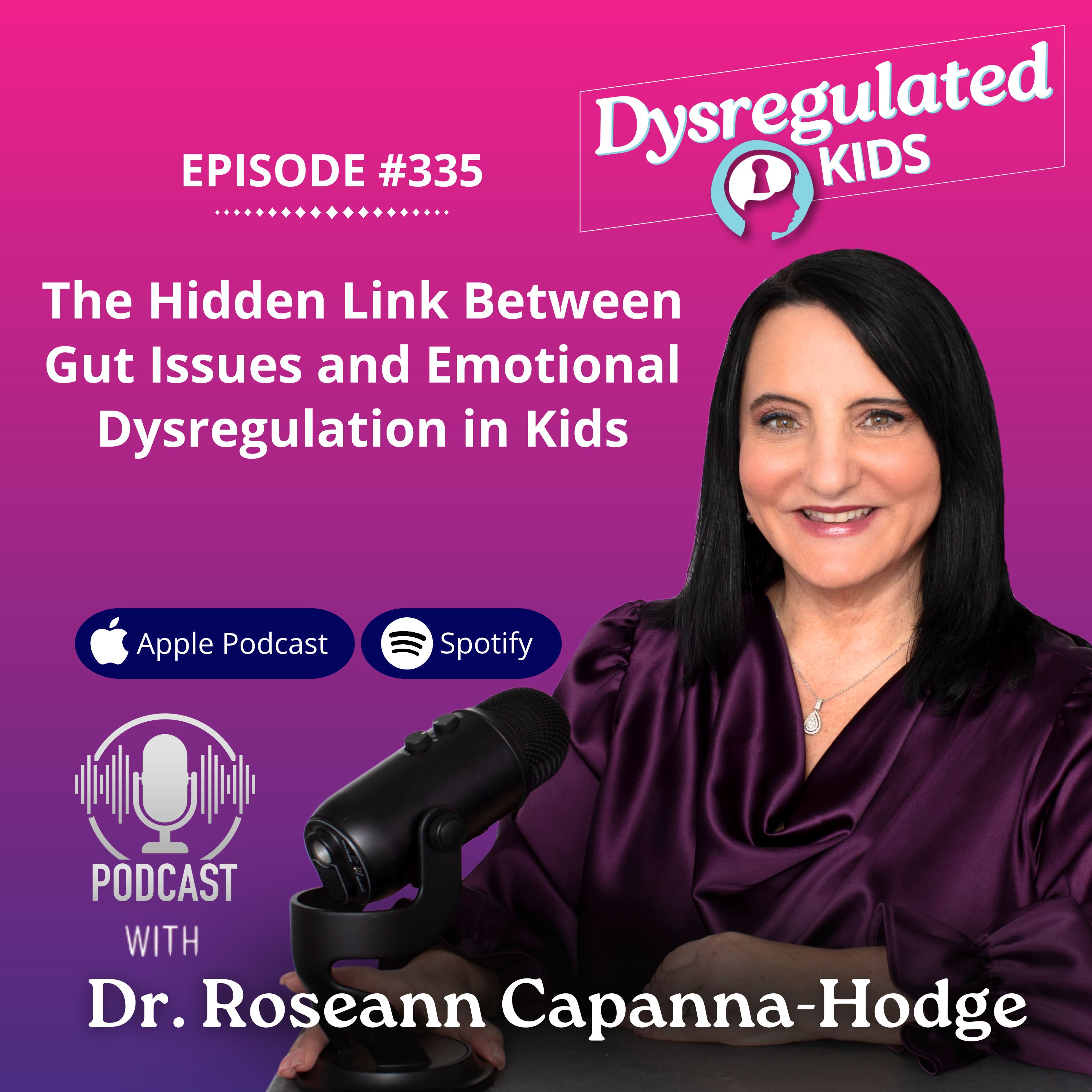
The Hidden Link Between Gut Issues and Emotional Dysregulation in Children | E335
from Dysregulated Kids: Science-Backed Parenting Help for Behavior, Anxiety, ADHD and More
Estimated Reading Time: 5 minutesHave you ever wondered why your child melts down after the smallest stressor, no matter what strategies you try? You're not alone. Many parents are surprised to learn that gut health and emotional regulation are deeply connected. When the gut is inflamed or out of balance, mood, focus, behavior, and emotional control can all suffer.In this episode, I explain the powerful gut-brain connection and share practical ways to support both your child's digestive health and emotional well-being.In this episode, you'll learn:• How gut health and emotional regulation influence one another • Why food sensitivities can contribute to meltdowns and mood swings • The connection between gut health, focus, and behavior • Simple steps to support a healthier gut microbiomeWhy does my child melt down after eating certain foods?Many parents notice changes in behavior after meals but don't realize the gut may be involved.Common contributors include:• Food sensitivities such as gluten or dairy • Artificial dyes and additives • Constipation and digestive issues • Gut inflammation and increased intestinal permeabilityWhen the gut becomes inflamed, it can affect the nervous system and contribute to emotional dysregulation in children.You may notice:• Mood swings after meals • Increased irritability • Emotional reactivity • Difficulty focusingBehavior is communication. It's not bad behavior. It's a dysregulated brain.If you're tired of walking on eggshells or feeling like nothing works, get the FREE Regulation Rescue Kit and finally learn what to say and do in the heat of the moment.Become a Dysregulation Insider VIP at www.drroseann.com/newsletter and take the first step toward a calmer home.How are gut issues connected to emotional regulation?The gut isn't just responsible for digestion. It has a direct connection to the brain through the gut-brain axis.In fact, much of the body's serotonin, a neurotransmitter involved in mood and attention, is produced in the digestive system.When gut bacteria become imbalanced:• Anxiety may increase • Mood becomes less stable • Stress tolerance decreases • Emotional regulation becomes more difficultThis is why gut health and emotional regulation should always be considered together.🗣️ “When the gut is inflamed, the developing brain can’t function at its best, leading to struggles with emotional well-being, focus, and sleep.” — Dr. RoseannCould my child's diagnosis be linked to gut health?Research continues to show strong connections between gut health and conditions such as:• ADHD • Autism spectrum disorder • Anxiety • DepressionChildren with these challenges often experience digestive symptoms as well.When gut health improves, many families notice better focus, fewer emotional outbursts, and improved nervous system regulation in children.For many kids with big emotions, supporting the gut can become an important part of a comprehensive regulation plan.What can I do right now to improve gut health?Small changes often make a big difference.Start with:• Reducing processed foods and excess sugar • Increasing fruits, vegetables, and fiber-rich foods • Adding fermented foods or probiotics when appropriate • Supporting hydration and daily movement • Including magnesium-rich foodsA gut-brain diary can also help identify patterns between meals and behavior.Track:• Foods eaten • Mood changes • Meltdowns • Sleep quality • Digestive symptomsThese observations often reveal valuable clues.A Stronger Foundation for RegulationWhen we support gut health and emotional regulation, we help children build a stronger foundation for focus, resilience, and emotional balance.The goal isn't perfection. It's making small, consistent choices that support both the brain and the body.Need help finding the right starting point? Use the free Solution Matcher at www.drroseann.com/help and get personalized recommendations based on your child's needs.Want faster results? Learn more about Quick Calm at https://drroseann.com/quickcalm/.FAQsHow do I know if my child has gut issues? Frequent stomachaches, constipation, food sensitivities, mood swings, sleep challenges, and attention difficulties can all be signs.How can I improve my child's gut health? Focus on whole foods, fiber, hydration, movement, and reducing processed foods and excess sugar.What mental health challenges are connected to gut health? Research has linked gut health to anxiety, depression, ADHD, autism, and emotional regulation challenges.Dr. Roseann Capanna-Hodge helps parents understand emotional dysregulation in children and teaches practical nervous system regulation and co-regulation strategies through her Regulation First Parenting™ approach.
Embed this episode
NOW PLAYING
The Hidden Link Between Gut Issues and Emotional Dysregulation in Children | E335
No transcript for this episode yet
Similar Episodes
No similar episodes found.
Similar Podcasts
No similar podcasts found.