
EPISODE · Nov 19, 2025 · 10 MIN
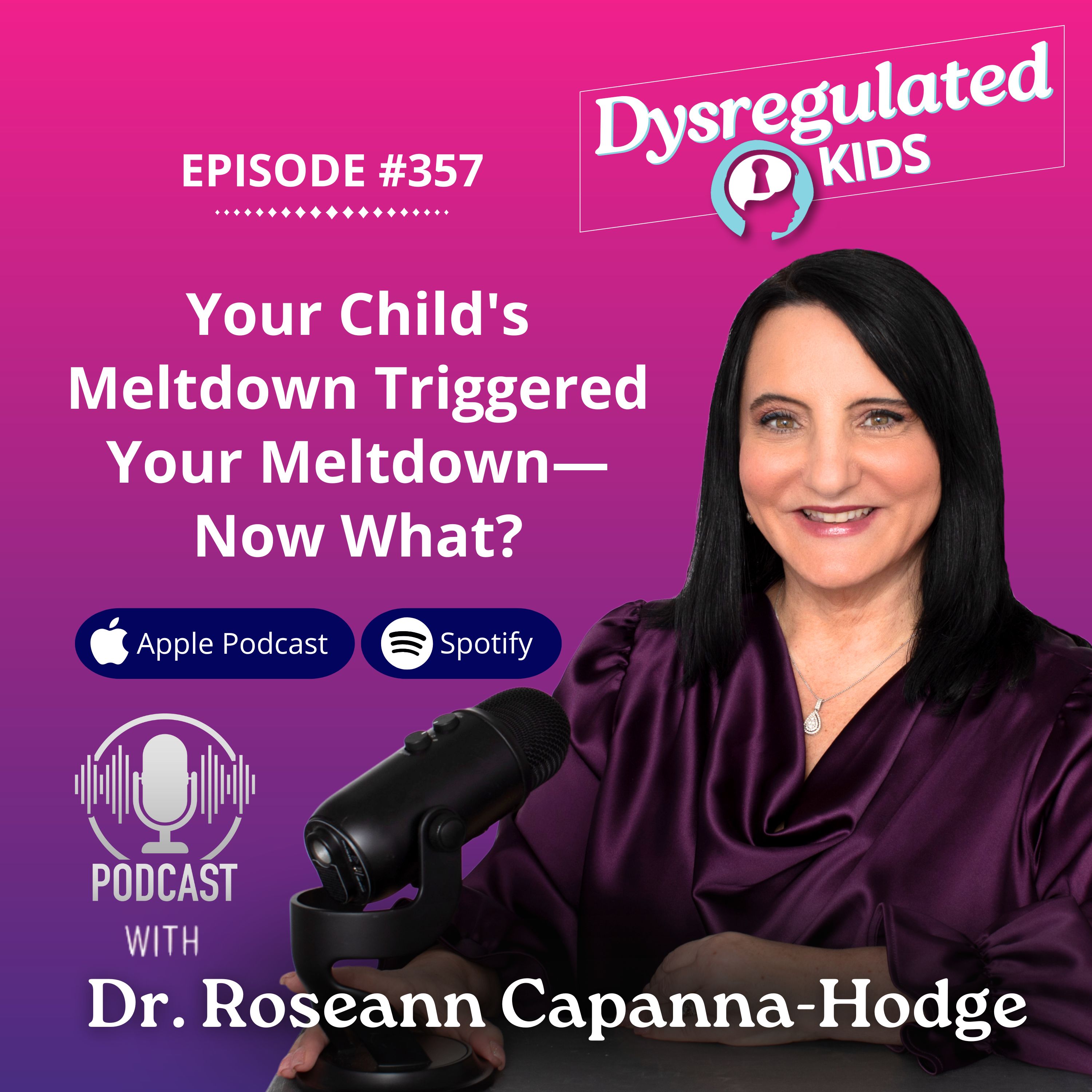
Your Child’s Meltdown Triggered Your Meltdown, Now What? | Co-Regulation | E357
from Dysregulated Kids: Science-Backed Parenting Help for Behavior, Anxiety, ADHD and More
Estimated Reading Time: 5 minutesWhen your child's meltdown collides with your own stress, it can feel impossible to stay calm. One minute you're regulated, the next you're yelling too. If you've ever wondered why this happens, you're not alone. It's not bad parenting. It's two overwhelmed nervous systems reacting to each other.In this episode, I explain why your child's emotions can trigger your own and share practical ways to stop the cycle of reactivity before it spirals out of control.In this episode, you'll learn:• Why a child's meltdown can trigger your nervous system • What happens in the brain during emotional overload • How to stay calm when emotions are running high • Practical strategies for helping a dysregulated child regulateWhy do I lose my cool during my child's meltdown?When your child becomes overwhelmed, your brain responds too. This happens because of mirror neurons, which help us connect emotionally with others.During a child's meltdown:• Your stress cup fills up alongside theirs • Your survival brain takes over • Logic and patience become harder to access • Fight, flight, or freeze responses increase🗣️ “When meltdowns meet meltdowns, everyone’s brain goes offline. That’s why we calm the brain first, because no one can think when they’re in survival mode.” — Dr. RoseannThe goal isn't perfection. The goal is regulation.What should I do when my child's behavior triggers me?When emotions rise, focus on calming yourself first.Helpful strategies include:• Pausing before responding • Taking slow, deep breaths • Noticing tension in your body • Stepping away briefly if needed • Lowering your voice and slowing your movementsYour nervous system becomes a source of safety for your child.Behavior is communication. It's not bad behavior. It's a dysregulated brain.When a child's meltdown happens, your child isn't trying to upset you. They're showing you that their nervous system is overwhelmed.Yelling less and staying calm isn't about being perfect. It's about having the right tools.Join the Dysregulation Insider VIP list and get your FREE Regulation Rescue Kit, designed to help you handle oppositional behaviors without losing it.Download it now at www.drroseann.com/newsletter.How can I break the cycle of reactivity?Many families get stuck in a pattern where one person's dysregulation triggers everyone else's.The good news is that one calm person can change the entire dynamic.Remember:• Your calm becomes your child's calm • Repair matters more than perfection • Consistency creates trustIf you lose your cool, repair the relationship.Try saying:• "I got upset too." • "Let's try again." • "I'm sorry I yelled."These moments teach emotional regulation and strengthen connection.How can I teach my child to regulate emotions?Children learn regulation by experiencing it.Helpful strategies include:• Creating calm spaces at home • Using visual schedules and routines • Teaching breathing exercises • Building movement breaks into the day • Praising healthy coping skillsThese tools help kids with big emotions learn how to recover from stress more effectively.When we focus on connection before correction, children become more capable of regulating themselves over time.When should I seek extra support?If meltdowns in children are frequent, intense, or interfering with daily life, additional support may be helpful.Consider seeking guidance from:• Occupational therapists • Clinical psychologists • Behavioral specialists • Providers who understand nervous system regulationSupport is not a sign of failure. It's a sign of taking action.Final ThoughtsYou can't effectively help during a child's meltdown if your own nervous system is overwhelmed. Regulation starts with you.When you pause, breathe, and calm your brain first, you create the safety your child needs to calm theirs.Need personalized guidance? Use the free Solution Matcher at www.drroseann.com/help and discover the best next step for your family.FAQsWhy do I lose my temper when my child melts down? Your nervous system mirrors your child's stress response, especially when you're already overwhelmed.How can I stay calm when my child is screaming? Focus on regulating your body first. Slow breathing, relaxed muscles, and a calm tone help signal safety.What should I say after I yell? Repair the relationship by apologizing, taking responsibility, and reconnecting.How do I know if meltdowns are more than typical tantrums? Frequent, intense, or prolonged emotional reactions may signal a dysregulated child who needs additional support.Can I prevent meltdowns? You can reduce them by creating predictable routines, teaching coping skills, and supporting nervous system regulation throughout the day.Dr. Roseann Capanna-Hodge helps parents understand emotional dysregulation in children and teaches practical nervous system regulation and co-regulation strategies through her Regulation First Parenting™ approach.
Embed this episode
NOW PLAYING
Your Child’s Meltdown Triggered Your Meltdown, Now What? | Co-Regulation | E357
No transcript for this episode yet
Similar Episodes
No similar episodes found.
Similar Podcasts
No similar podcasts found.