
EPISODE · Nov 26, 2025 · 12 MIN
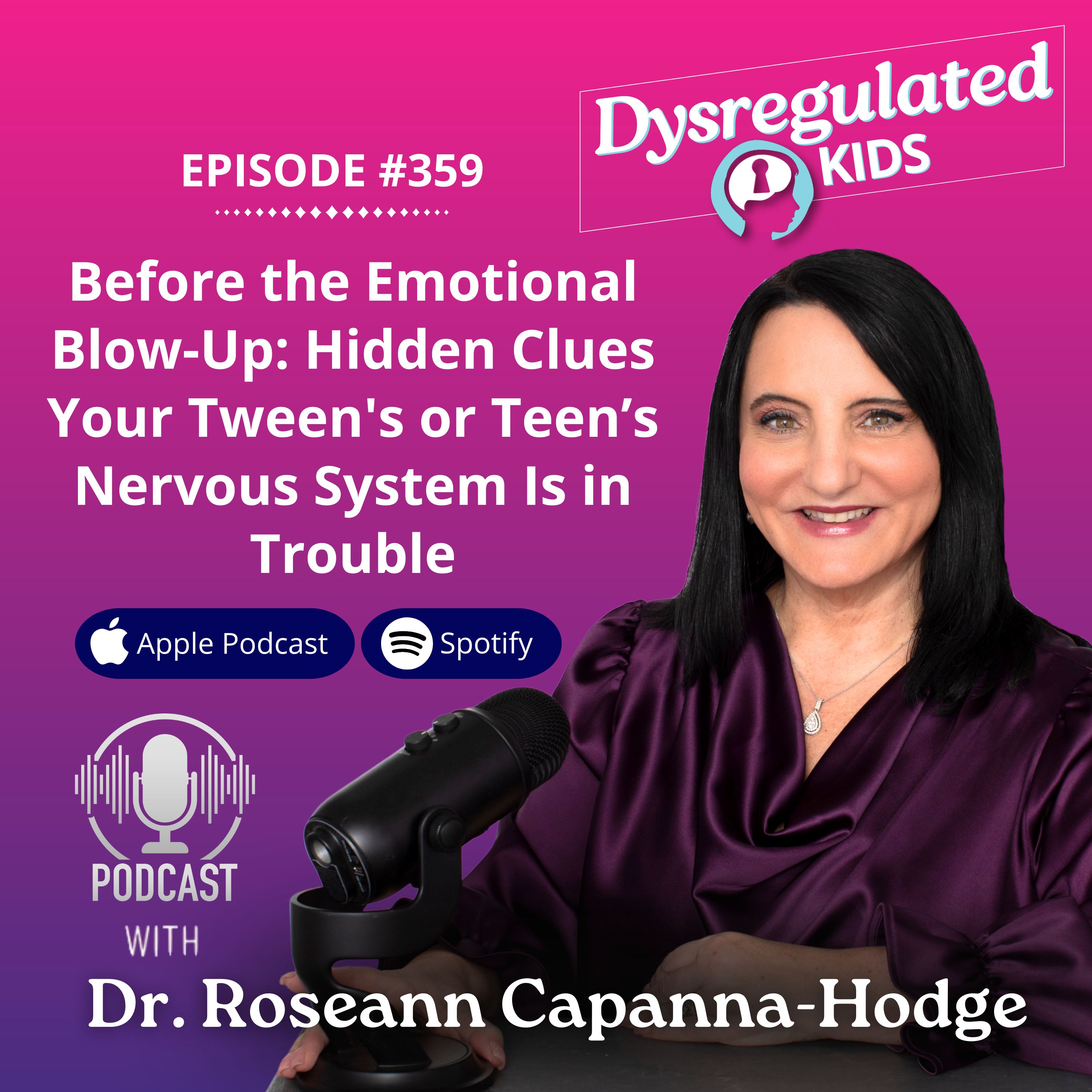
Hidden Clues about Emotional Dysregulation in Tweens | Regulation First Parenting™ | E359
from Dysregulated Kids: Science-Backed Parenting Help for Behavior, Anxiety, ADHD and More
Estimated Reading Time: 5 minutesParenting a tween or teen who swings from calm to chaos in seconds can leave you feeling exhausted and confused. One minute they're fine, and the next they're slamming doors, shutting down, or exploding over something small. These reactions aren't simply attitude problems. Emotional Dysregulation in Tweens is often a sign that the nervous system is overwhelmed and struggling to cope.In this episode, you'll learn:• Common signs of Emotional Dysregulation in Tweens • Why overreactions often signal stress overload • How nervous system dysregulation impacts focus and behavior • Practical strategies that help tweens regulate emotions more effectivelyWhy does my teen overreact to small things?When a tween melts down over a lost pencil or reacts intensely to a simple "no," it's often a sign that their stress cup is already full.Common signs include:• Big reactions to small frustrations • Persistent irritability • Emotional highs and lows • Physical symptoms such as stomachaches or headachesThese behaviors are often signs of Emotional Dysregulation in Tweens, not intentional disrespect.🗣️ “Behavior is communication. Once you learn to read these cues, you stop reacting to the behavior and start guiding your child back to calm.” — Dr. RoseannWhy can't my tween calm down after getting upset?Some children remain emotionally activated long after a conflict has ended because their stress response hasn't shut off.Helpful strategies include:• Regulating yourself before responding • Acknowledging the emotion without trying to fix it immediately • Offering movement, hydration, or a short breakTry saying:• "I can see this feels really big right now." • "Let's take a reset and talk in a few minutes."The more often calm is practiced, the easier it becomes for the nervous system to access.Is shutting down a warning sign?Yes. Silence, withdrawal, and "I don't care" responses are often signs of freeze mode rather than defiance.Watch for:• Pulling away from friends or activities • Sleep disruptions or nightmares • Changes in appetite • Physical complaints without a clear causeMany parents assume these behaviors mean they have a defiant child, when in reality the nervous system may be overwhelmed or emotionally exhausted.Behavior is communication. It's not bad behavior. It's a dysregulated brain.If you're tired of walking on eggshells or feeling like nothing works, get the FREE Regulation Rescue Kit and finally learn what to say and do in the heat of the moment.Become a Dysregulation Insider VIP at www.drroseann.com/newsletter and take the first step toward a calmer home.Why does my child struggle with focus and schoolwork?Stress affects much more than emotions.When the nervous system is overwhelmed:• Concentration decreases • Motivation drops • Memory becomes less reliable • Executive functioning skills become harder to accessSometimes what appears to be attention difficulties is actually nervous system overload.Supporting regulation first often improves focus naturally.How can I help my teen express their feelings?Many tweens and teens struggle to identify and communicate emotions.Try:• "I can see you're having a rough moment. I'm here." • "Would you like support or space?" • "Let's take a reset together."Simple connection cues such as a calm tone, soft eye contact, and steady presence help the nervous system feel safe.These strategies also reduce parental stress and dysregulation, which often contributes to family conflict.Decode the Behavior, Regulate the BrainEmotional Dysregulation in Tweens isn't a character flaw. It's a sign that the brain and nervous system need support.When parents learn to regulate themselves first, recognize stress signals, and focus on nervous system regulation, they create the conditions for healing, connection, and growth.A nervous system reset for children often begins with one calm, regulated adult.Need more support? Explore Quick Calm and learn practical strategies for resetting your child's stress response and bringing more peace to your home.FAQsWhy does my teen have sudden mood swings? Stress, nervous system dysregulation, hormonal changes, and emotional overwhelm can all contribute.Is shutting down normal? Withdrawal can be a common stress response, but persistent shutdowns may signal a nervous system struggling to cope.Why can't my anxious teen focus? When the brain is focused on survival, concentration and executive functioning become much harder.How do I calm my teen during an emotional blow-up? Stay calm, reduce stimulation, validate their experience, and focus on regulation before problem-solving.When should I seek professional support? If mood swings, anxiety, shutdowns, or emotional reactions are frequent and impacting daily life, professional guidance can be very helpful.Dr. Roseann Capanna-Hodge helps parents understand emotional dysregulation in children and teaches practical nervous system regulation and co-regulation strategies through her Regulation First Parenting™ approach.
Embed this episode
NOW PLAYING
Hidden Clues about Emotional Dysregulation in Tweens | Regulation First Parenting™ | E359
No transcript for this episode yet
Similar Episodes
No similar episodes found.
Similar Podcasts
No similar podcasts found.