
EPISODE · Jan 15, 2026 · 59 MIN
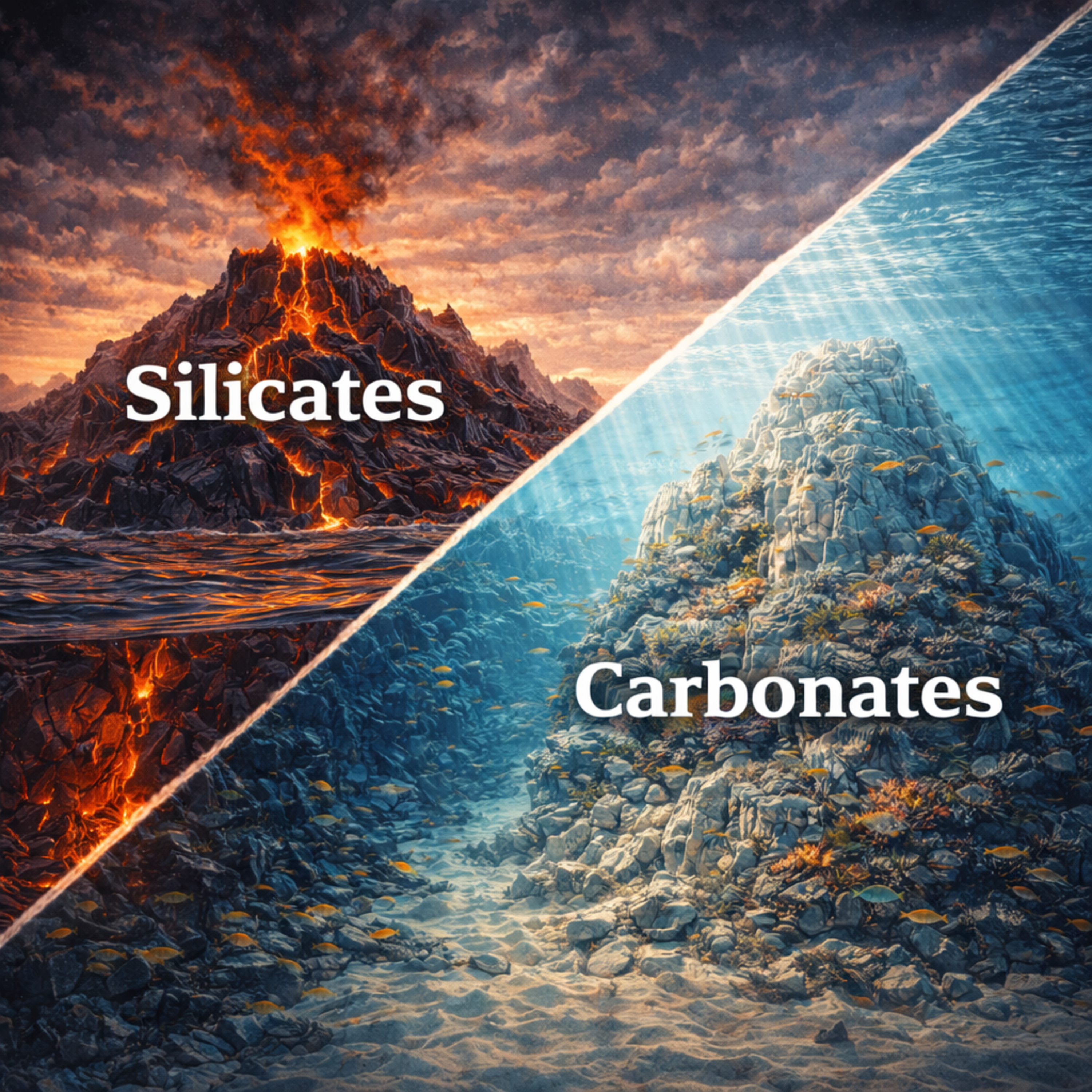
382: Silicates vs. Carbonates: How the 1996 IPCC Report Created Enhanced Rock Weathering Path Dependency—w/ Dr. Tyler Kukla, CarbonPlan
from Reversing Climate Change · host Ross Kenyon
Some decisions we don't expect to have big consequences. And yet, sometimes you wake up thirty years later in a world deeply altered by that little moment. Today's show is about when that happens in science.Dr. Tyler Kukla is a Research Scientist at CarbonPlan, one of carbon removal's preeminent watchdog nonprofits. He returns to the show to explore how a conservative estimation of how much carbon returns to the atmosphere after agliming with carbonate rock (all of it) in the 1996 IPCC report has led us into a commercial carbon removal future that focuses almost entirely on silicate rock.This isn't a story about whether silicates or carbonates are better for enhanced weathering (it really depends upon a number of geographic factors and design decisions around system boundaries and additionality), but about how some good faith placeholders can reify to such an extent that they do so much more than they were ever expected to.This Episode's SponsorPhilip Lee LLP: legal resources for carbon removal buyers and suppliersListen to the RCC episode with Ryan Covington from Philip Lee LLPResourcesBecome a paid subscriber of Reversing Climate ChangeSubscribe to the Reversing Climate Change SubstackRevised 1996 IPCC Guidelines for National Greenhouse Gas Inventories"Scaling enhanced weathering in limed fields" by Tyler Kukla"Evidence for carbon sequestration by agricultural liming" by Dr. Stephen K. Hamilton, et al"The contribution of agricultural lime to carbon dioxide emissions in the United States: dissolution, transport, and net emissions" by Drs. Tristam O. West & Allen C. McBride"Contribution of agricultural liming to riverine bicarbonate export and CO2 sequestration in the Ohio River basin" by Drs. Neung-Hwan Oh & Peter A. Raymond"Farming with crops and rocks to address global climate, food and soil security" by Dr. David J. Beerling, et alSilicatesCarbonatesAgricultural lime (aglime)Path dependence
Embed this episode
NOW PLAYING
382: Silicates vs. Carbonates: How the 1996 IPCC Report Created Enhanced Rock Weathering Path Dependency—w/ Dr. Tyler Kukla, CarbonPlan
No transcript for this episode yet
Similar Episodes
No similar episodes found.