
EPISODE · Sep 1, 2021 · 4 MIN
4-Step Hack for Dark Bass Lines
from Ray Harmony · host Hack Music Theory
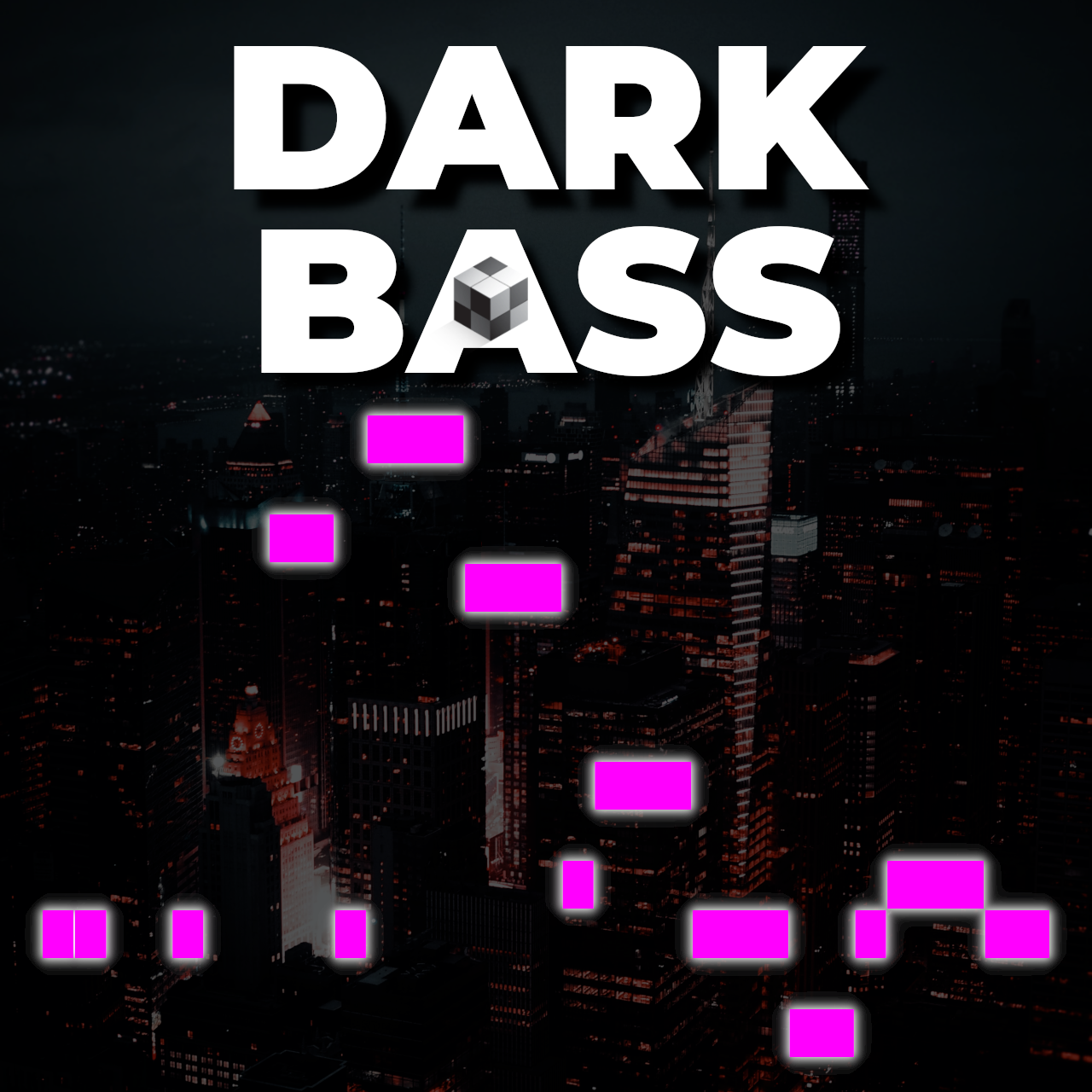
4-Step Hack for Dark Bass Lines In this lesson you’ll learn a simple 4-step hack for writing dark and dissonant bass lines. We invite you to work along with us through the following steps, so by the end of this lesson, you’ll also have a finished bass line. But first... Tea! Hello revolutionary music makers, we are Kate and Ray Harmony (AKA Revolution Harmony), and welcome to Hack Music Theory, the fast, easy and fun way to make music! If you’re new to theory, or if you just want a refresher, then read our free book "12 Music Theory Hacks to Learn Scales & Chords". It’ll give you a super solid music theory foundation in just 30 minutes. The free download is below. Enjoy! Step 1. Setup Start by setting up two bars of 4|4 on your bass track, with your grid set to 1/16 notes, and your tempo set to 80 BPM. After you’ve finished writing your bass line though, play it at a few different tempos and find the BPM that works best. Step 2. Rhythm Now it’s time to write a rhythm that’s gonna get those heads boppin! So, using only 1/16 notes (and lots of rests), draw in a rhythm that gets you moving. We’ll be using C as our root note, so for now, draw in all your notes on C. Once you’ve got something down, loop up your two bars and put it on repeat. Does your rhythm get you pumped? If not, then keep playing around, cos writing a great rhythm is an essential step in writing a great bass line! Step 3. Mode Next, it’s time to choose a scale or mode that will reflect the mood you wanna convey through your bass line. We chose the Phrygian mode, as we felt like writing a heavy bass line that’s dark and dissonant. You can choose any mode though, it all depends on what vibe you wanna create. The steps in this lesson are still applicable. C Phrygian: C, D♭*, E♭, F, G, A♭, B♭ *Be sure to use the D♭ in your bass line, as that note is what gives Phrygian its dark sound! And if you need help learning all the modes and their unique emotions, as well as how to use them, then check out the mode hacks in our Songwriting & Producing PDF / Course. Step 4. Melody Now that you’ve written your rhythm and you’ve chosen a mode, it’s finally time to get stuck into the melodic element of your bass line. So, have some fun and play around with moving the notes up/down on the MIDI grid. But, always double-check that every note you’ve moved off the root is in your chosen mode. And be sure to keep at least a few notes on C, as playing the root note is vital in anchoring your bass line into the mode - that’s the only way you’re gonna tap into its emotion! Also, try to create a contour for your bass line that spans an octave (or more), as a big range like that will help prevent your bass line from getting boring. Finally, when you’re happy with all the notes in your bass line, you can extend some of them, so they’re not all 1/16 notes anymore. And try to use a variety of note values, as that will make your bass line even more interesting! And it's as easy as that! Now you've got a dark and dissonant bass line. A heartfelt thank-you for being here in the Hack Music Theory community, you are valued and appreciated. Hope you enjoyed this lesson, and we're excited to hang out with you again soon. Until then, we're sending you good vibes and gratitude :) Free Download Wooohooo!!! You’re a mere 30 minutes away from being even smarter than you already are. Just head on over to your inbox now for your free download. There was an error submitting your subscription. Please try again. “The most brilliant, fast, easy & fun music theory book I’ve ever seen!” DEREK SIVERS, CD Baby founder We use this field to detect spam bots. If you fill this in, you will be marked as a spammer. DOWNLOAD FREE BOOK /* Layout */ .ck_form { /* divider image */ background: #EAE9EA url(data:image/gif;base64,R0lGODlhAQADAIABAMzMzP///yH/C1hNUCBEYXRhWE1QPD94cGFja2V0IGJlZ2luPSLvu78iIGlkPSJXNU0wTXBDZWhpSHpyZVN6TlRjemtjOWQiPz4gPHg6eG1wbWV0YSB4bWxuczp4PSJhZG9iZTpuczptZXRhLyIgeDp4bXB0az0iQWRvYmUgWE1QIENvcmUgNS41LWMwMTQgNzkuMTUxNDgxLCAyMDEzLzAzLzEzLTEyOjA5OjE1ICAgICAgICAiPiA8cmRmOlJERiB4bWxuczpyZGY9Imh0dHA6Ly93d3cudzMub3JnLzE5OTkvMDIvMjItcmRmLXN5bnRheC1ucyMiPiA8cmRmOkRlc2NyaXB0aW9uIHJkZjphYm91dD0iIiB4bWxuczp4bXA9Imh0dHA6Ly9ucy5hZG9iZS5jb20veGFwLzEuMC8iIHhtbG5zOnhtcE1NPSJodHRwOi8vbnMuYWRvYmUuY29tL3hhcC8xLjAvbW0vIiB4bWxuczpzdFJlZj0iaHR0cDovL25zLmFkb2JlLmNvbS94YXAvMS4wL3NUeXBlL1Jlc291cmNlUmVmIyIgeG1wOkNyZWF0b3JUb29sPSJBZG9iZSBQaG90b3Nob3AgQ0MgKE1hY2ludG9zaCkiIHhtcE1NOkluc3RhbmNlSUQ9InhtcC5paWQ6MUQ5NjM5RjgxQUVEMTFFNEJBQTdGNTQwMjc5MTZDOTciIHhtcE1NOkRvY3VtZW50SUQ9InhtcC5kaWQ6MUQ5NjM5RjkxQUVEMTFFNEJBQTdGNTQwMjc5MTZDOTciPiA8eG1wTU06RGVyaXZlZEZyb20gc3RSZWY6aW5zdGFuY2VJRD0ieG1wLmlpZDoxRDk2MzlGNjFBRUQxMUU0QkFBN0Y1NDAyNzkxNkM5NyIgc3RSZWY6ZG9jdW1lbnRJRD0ieG1wLmRpZDoxRDk2MzlGNzFBRUQxMUU0QkFBN0Y1NDAyNzkxNkM5NyIvPiA8L3JkZjpEZXNjcmlwdGlvbj4gPC9yZGY6UkRGPiA8L3g6eG1wbWV0YT4gPD94cGFja2V0IGVuZD0iciI/PgH//v38+/r5+Pf29fTz8vHw7+7t7Ovq6ejn5uXk4+Lh4N/e3dzb2tnY19bV1NPS0dDPzs3My8rJyMfGxcTDwsHAv769vLu6ubi3trW0s7KxsK+urayrqqmop6alpKOioaCfnp2cm5qZmJeWlZSTkpGQj46NjIuKiYiHhoWEg4KBgH9+fXx7enl4d3Z1dHNycXBvbm1sa2ppaGdmZWRjYmFgX15dXFtaWVhXVlVUU1JRUE9OTUxLSklIR0ZFRENCQUA/Pj08Ozo5ODc2NTQzMjEwLy4tLCsqKSgnJiUkIyIhIB8eHRwbGhkYFxYVFBMSERAPDg0MCwoJCAcGBQQDAgEAACH5BAEAAAEALAAAAAABAAMAAAICRFIAOw==) repeat-y center top; font-family: 'Montserrat'; line-height: 1.5em; overflow: hidden; color: #000000; font-size: 16px; border-top: none; border-top-color: #666666; border-bottom: none; border-bottom-color: #3d3d3d; -webkit-box-shadow: none; -moz-box-shadow: none; box-shadow: none; clear: both; margin: 0px 0px; } .ck_form, .ck_form * { -webkit-box-sizing: border-box; -moz-box-sizing: border-box; box-sizing: border-box; } #ck_subscribe_form { clear: both; } /* Element Queries — uses JS */ .ck_form_content, .ck_form_fields { width: 50%; float: left; padding: 5%; } .ck_form.ck_horizontal { } .ck_form_content { border-bottom: none; } .ck_form.ck_vertical { background: #fff; } .ck_vertical .ck_form_content, .ck_vertical .ck_form_fields { padding: 10%; width: 100%; float: none; } .ck_vertical .ck_form_content { border-bottom: 1px dotted #aaa; overflow: hidden; } /* Trigger the vertical layout with media queries as well */ @media all and (max-width: 499px) { .ck_form { background: #fff; } .ck_form_content, .ck_form_fields { padding: 10%; width: 100%; float: none; } .ck_form_content { border-bottom: 1px dotted #aaa; } } /* Content */ .ck_form_content h3 { margin: 0px 0px 0px; font-size: 0px; padding: 0px; } .ck_form_content p { font-size: 14px; } .ck_image { float: left; margin-right: 5px; } /* Form fields */ .ck_errorArea { display: none; } #ck_success_msg { padding: 10px 10px 0px; border: solid 1px #ddd; background: #eee; } .ck_label { font-size: 14px; font-weight: bold; } .ck_form input[type="text"] { font-size: 16px; text-align: center; margin-top: 20px; margin-bottom: 0px; padding: 8px 8px; width: 100%; border: 1px solid #d6d6d6; /* stroke */ -moz-border-radius: 4px; -webkit-border-radius: 4px; border-radius: 30px; /* border radius */ background-color: #fff; /* layer fill content */ height: auto; } .ck_form input[type="email"] { font-size: 16px; text-align: center; margin-top: 0px; margin-bottom: 15px; padding: 8px 8px; width: 100%; border: 1px solid #d6d6d6; /* stroke */ -moz-border-radius: 4px; -webkit-border-radius: 4px; border-radius: 30px; /* border radius */ background-color: #fff; /* layer fill content */ height: auto; } .ck_form input[type="text"]:focus, .ck_form input[type="email"]:focus { outline: none; border-color: #aaa; } .ck_checkbox { padding: 10px 0px 10px 20px; display: block; clear: both; } .ck_checkbox input.optIn { margin-left: -20px; margin-top: 0; } .ck_form .ck_opt_in_prompt { margin-left: 4px; } .ck_form .ck_opt_in_prompt p { display: inline; } .ck_form .ck_subscribe_button { width: 100%; color: #fff; margin: 0px 0px 0px; padding: 8px 8px; font-size: 18px; background: #c83232; -moz-border-radius: 4px; -webkit-border-radius: 4px; border-radius: 30px; /* border radius */ cursor: pointer; border: none; text-shadow: none; } .ck_form .ck_guarantee { color: #626262; font-size: 12px; text-align: center; padding: 5px 0px; display: block; } .ck_form .ck_powered_by { display: block; color: #aaa; } .ck_form .ck_powered_by:hover { display: block; color: #444; } .ck_converted_content { display: none; padding: 5%; background: #fff; } /* v6 */ .ck_form_v6 #ck_success_msg { padding: 0px 10px; } @media all and (max-width: 403px) { .ck_form_v6.ck_modal .ck_close_link { top: 30px; } } @media all and (min-width: 404px) and (max-width: 499px) { .ck_form_v6.ck_modal .ck_close_link { top: 57px; } } Podcast Listen below, or on any podcast app.
Embed this episode
Ready to play
4-Step Hack for Dark Bass Lines
No transcript for this episode yet
Similar Episodes
No similar episodes found.