
EPISODE · Dec 20, 2025 · 57 MIN
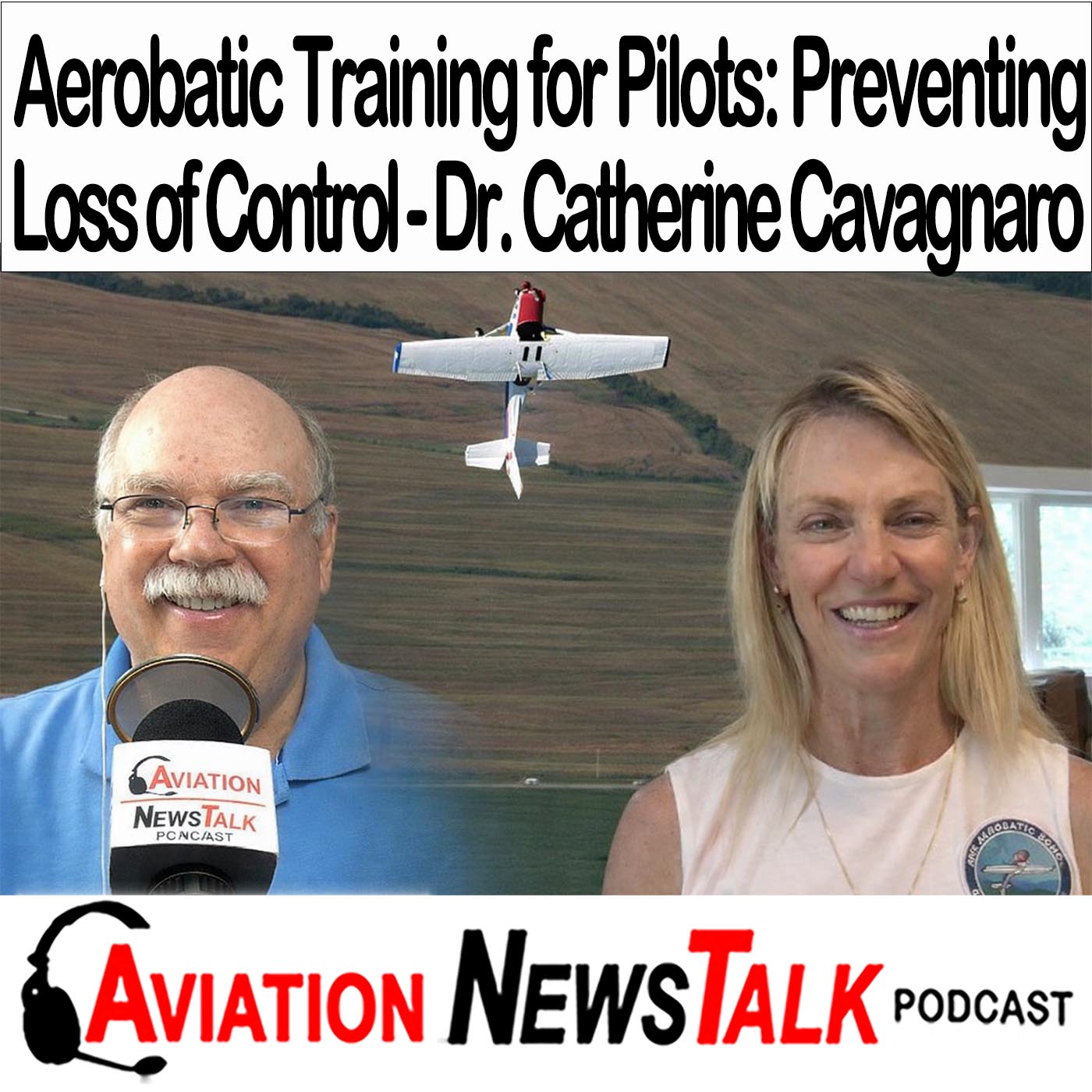
408 Aerobatic Training for Pilots: How Upset Recovery Prevents Loss of Control — Dr. Catherine Cavagnaro
from Aviation News Talk – Pilot Stories, Safety Tips & General Aviation News · host Max Trescott interview Catherine Cavagnaro
Max talks with Dr. Catherine Cavagnaro about how aerobatic training builds safer, more confident pilots by reducing loss of control, improving stall and spin awareness, and shortening the startle response. Although many pilots associate aerobatics with airshows or extreme flying, this conversation reframes aerobatic training as a practical safety tool that directly applies to everyday general aviation operations. Catherine explains that the core value of aerobatic training lies in learning where "the edge" of aircraft control really is. Many pilots are taught to avoid stalls and spins at all costs, which can unintentionally create fear rather than understanding. Aerobatic training deliberately takes pilots past that edge in a controlled environment so they can see, feel, and understand what happens beyond it. Once pilots truly understand where that boundary lies, they are far better equipped to avoid unintentionally crossing it during normal flight. A major theme of the discussion is loss of control, which remains one of the leading causes of fatal aviation accidents. Catherine describes how many loss-of-control events are not caused by a lack of knowledge, but by startle response and improper control inputs under stress. When something unexpected happens—such as an uncommanded roll, a botched go-around, or a developing stall—pilots often freeze for several seconds or react instinctively in exactly the wrong way. Aerobatic and upset-recovery training helps shorten those "extended dumb moments" by making unusual attitudes familiar rather than frightening. Catherine shares real-world examples from her experience as a Designated Pilot Examiner. In one case, a commercial pilot applicant mishandled a power-off stall by applying aileron instead of reducing angle of attack, which aggressively drove the aircraft into a spin. The pilot then added power while still stalled, compounding the problem. Catherine explains that this reaction mirrors what has been seen in fatal airline accidents, where pilots pulled back and applied aileron during stall events instead of pushing forward. These moments highlight why understanding stalls, spins, and proper recovery techniques is essential well beyond the private pilot level. A key technical takeaway from the episode is the importance of angle of attack. Catherine emphasizes that losing directional control is a clear sign of an impending stall, and that rudder alone is often insufficient to stop a departure once it begins. Simply pushing forward on the controls—reducing angle of attack—can immediately end the event. Aerobatic training reinforces this lesson repeatedly, helping pilots build instinctive, correct responses rather than relying on rote memorization. The conversation also explores how control authority changes with airspeed. Catherine explains that pilots tend to be overly gentle on the controls when flying slowly, particularly near the ground during takeoff and landing. Ironically, that is precisely when larger, more deliberate control inputs are required. Aerobatic maneuvers such as loops, rolls, and Immelmann turns vividly demonstrate how sluggish controls become at low airspeeds and high angles of attack, making these lessons stick in a way that textbooks cannot. Max and Catherine discuss how aerobatic training is structured at her school. Rather than offering single "thrill ride" flights, Catherine teaches aerobatics as a multi-day course that includes extensive ground instruction before every flight. This ensures pilots understand exactly what will happen before experiencing it in the air. The goal is not to impress or intimidate, but to build confidence, predictability, and mastery. Students perform most of the flying themselves, which further reinforces learning and reduces anxiety. Another practical aspect of the episode focuses on managing motion sickness. Catherine shares wisdom passed down from aerobatic legend Bill Kershner, including the stages of nausea—Normal, Not So Much Fun Anymore, Sweat on Upper Lip, and the point of no return. Recognizing these stages early allows instructors to intervene before discomfort escalates. Simple strategies such as eating light meals beforehand, keeping airflow on the face, tensing abdominal muscles during high-G maneuvers, and ensuring students have their hands on the controls can make a significant difference. The discussion also touches on upset-recovery checklists used in airline training, such as "Push, Roll, Power, Stabilize." Catherine notes that while these checklists are effective, pilots must practice the full sequence under stress. Knowing only the first step—pushing forward—without following through can leave an aircraft in an equally dangerous situation. Aerobatic training provides the repetition needed to execute these steps smoothly and correctly when it matters most. Ultimately, the episode makes a compelling case that aerobatic training is not about becoming an aerobatic pilot. It is about becoming a better, safer pilot in any airplane. By replacing fear of stalls and spins with understanding and respect, aerobatic training equips pilots with a deeper mental and physical toolkit. Whether flying a simple trainer or a high-performance aircraft, pilots who understand the edge—and have practiced operating near it—are better prepared to keep themselves and their passengers safe. If you're getting value from this show, please support the show via PayPal, Venmo, Zelle or Patreon. Support the Show by buying a Lightspeed ANR Headsets Max has been using only Lightspeed headsets for nearly 25 years! I love their tradeup program that let's you trade in an older Lightspeed headset for a newer model. Start with one of the links below, and Lightspeed will pay a referral fee to support Aviation News Talk. Lightspeed Delta Zulu Headset $1199 HOLIDAY SPECIALNEW – Lightspeed Zulu 4 Headset $1099 Lightspeed Zulu 3 Headset $849 HOLIDAY SPECIALLightspeed Sierra Headset $749 My Review on the Lightspeed Delta Zulu Send us your feedback or comments via email If you have a question you'd like answered on the show, let listeners hear you ask the question, by recording your listener question using your phone. Mentioned on the ShowCatherine Cavagnaro YouTube Channel Ace Aerobatic School Buy Max Trescott's G3000 Book Call 800-247-6553 Free Index to the first 282 episodes of Aviation New Talk So You Want To Learn to Fly or Buy a Cirrus seminars Online Version of the Seminar Coming Soon – Register for Notification Check out our recommended ADS-B receivers, and order one for yourself. Yes, we'll make a couple of dollars if you do. Get the Free Aviation News Talk app for iOS or Android. Check out Max's Online Courses: G1000 VFR, G1000 IFR, and Flying WAAS & GPS Approaches. Find them all at: https://www.pilotlearning.com/ Social Media Like Aviation News Talk podcast on Facebook Follow Max on Instagram Follow Max on Twitter Listen to all Aviation News Talk podcasts on YouTube or YouTube Premium "Go Around" song used by permission of Ken Dravis; you can buy his music at kendravis.com If you purchase a product through a link on our site, we may receive compensation.
Embed this episode
NOW PLAYING
408 Aerobatic Training for Pilots: How Upset Recovery Prevents Loss of Control — Dr. Catherine Cavagnaro
No transcript for this episode yet
Similar Episodes
No similar episodes found.
Similar Podcasts
No similar podcasts found.