
EPISODE · Jan 26, 2022 · 37 MIN
41: How Pangea World Theater Became a Cultural Organizing Force After George Floyd’s Murder – Part 1
from ART IS CHANGE: Strategies & Skills for Activist Artists & Cultural Organizers
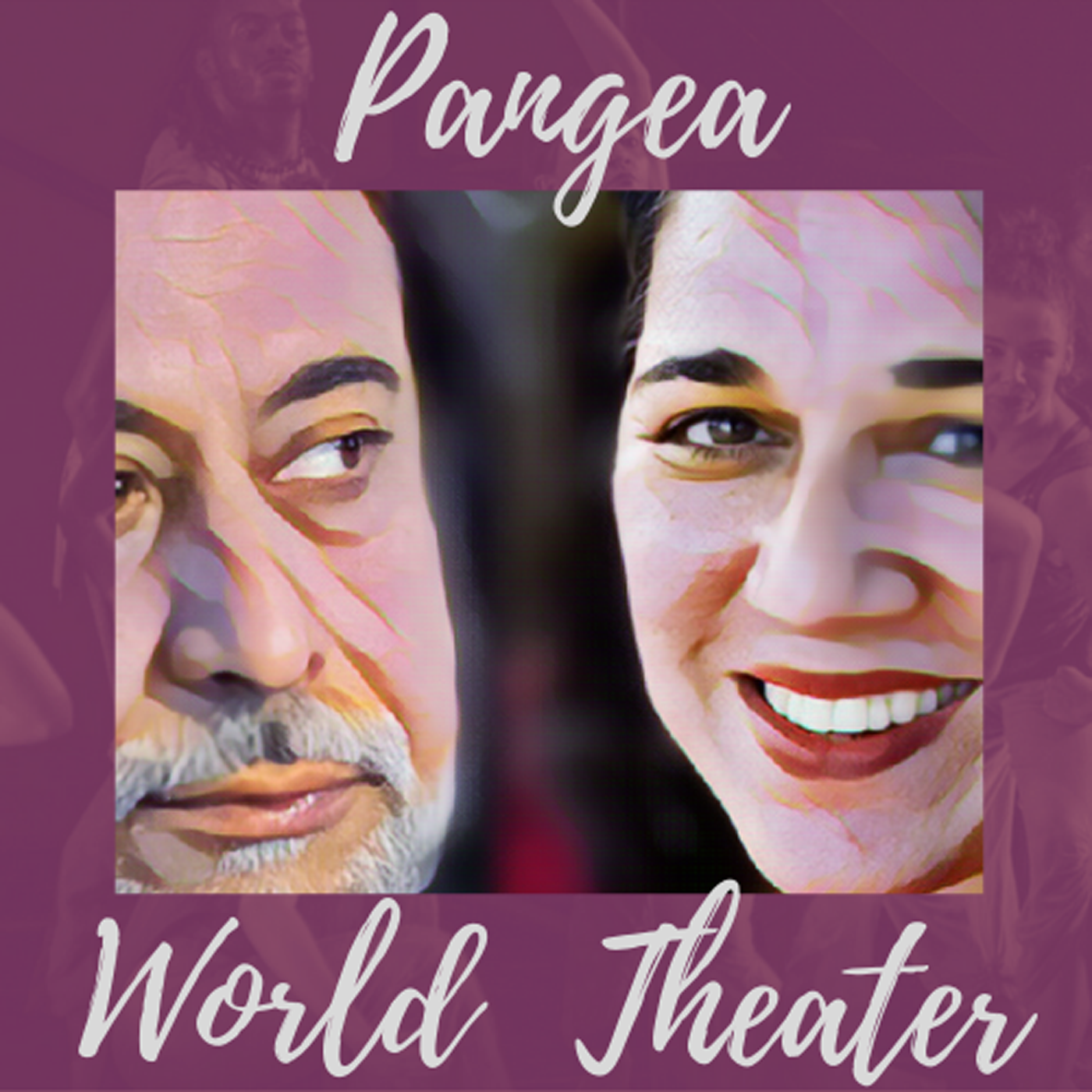
Pangea World Theater spent its 25th anniversary year helping their Minneapolis community heal the wounds and sort through the ashes left in the wake of the murder of George Floyd. But this mending and reckoning dance was nothing new because Pangea's work is intrinsic to the story of this place-- It’s struggles.-- It's beauty-- It's resilience. This is the first of two episodes recounting Pangea's transformational history and impact. ANNOUNCING THE CHANGE THE STORY COLLECTIONA LIBRARY OF CHANGEtheSTORY/CHANGEtheWorld EPISODESArts-based community development comes in many flavors: dancers, and painters working with children and youth; poets and potters collaborating with incarcerated artists: cultural organizers in service to communities addressing racial injustice, all this and much, much more. Many of our listeners have told us they would like to dig deeper into art and change stories that focus on specific issues, constituencies, or disciplines. Others have shared that they are using the podcast as a learning resource and would appreciate categories and cross-references for our stories. In response you we have curated episode collections in six arenas: JUSTICE ARTS * THEATER: PERFORMING CHANGE * CULTURAL ORGANIZING FOR CHANGE CHILDREN, YOUTH & LEARNING * TRAINING COMMUNITY ARTS LEADERS * MUSIC OF TRANSFORMATIONCHECK IT OUTBIO'sMeena Natarajan is a playwright and director and the Artistic and Executive Director of Pangea World Theater, a progressive, international ensemble space that creates at the intersection of art, equity and social justice. Meena has co-curated and designed many of Pangea World Theater’s professional and community-based programs. She has written at least ten full-length works for Pangea, ranging from adaptations of poetry and mythology to original works dealing with war, spirituality, personal and collective memory. Her play, Etchings in the Sand co-created with dancer Ananya Chattterjea has been published by Routledge in a volume called Contemporary Plays by Women of Color: The Second Edition. Dipankar Mukherjee is the Artistic Director of Pangea World Theater, where he has led the organization since its inception in 1995. As a director, he has worked professionally in India, England, Canada and the United States. His aesthetics have evolved through his commitment to social justice, equity and deep spirituality. Dipankar received a Humphrey Institute Fellowship to Salzburg and has been a Ford Foundation delegate to India and Lebanon. He is a recipient of a Bush Leadership Fellowship to study non-violent and peaceful methodologies in India and South Africa. Dipankar facilitates processes that disrupt colonial, racist and patriarchal modalities of working.EPISODE 41: Notable MentionsPangea World Theater: Pangea World Theater builds bridges across multiple cultures and creates sacred and intersectional spaces. We create authentic spaces for real conversations across race, class and gender. Through a nuanced exploration of privilege, our own and others, we craft ensemble-based processes with a global perspective. Through art, theater and creative organizing we strive for a just world where people treat each other with honor and respect. We believe that artists are seers giving voice and language to the world we envision. The Nāṭya Śāstra is notable as an ancient encyclopedic treatise on the arts,[2][8] one which has influenced dance, music and literary traditions in India.[9] It is also notable for its aesthetic "Rasa" theory, which asserts that entertainment is a desired effect of performance arts but not the primary goal, and that the primary goal is to transport the individual in the audience into another parallel reality, full of wonder, where he experiences the essence of his own consciousness, and reflects on spiritual and moral questions.[8][1 World Theater. Theater Del Pueblo: is a small, non-profit Latino theater located in St. Paul, Minnesota. Fostered by the Latino community on the West Side, it has grown since its inception in 1992 to serve St. Paul, Minneapolis, the Twin Cities/metro area, and greater Minnesota.you had Asian American Renaissance: Asian American Renaissance began as a coming together of artists and community activists of Asian decent in 1992 in the twin cities of Minneapolis and St. Paul, Minnesota and helped to inspire succeeding generations of Asian American artists in the upper midwestTheater MU: Located in Minneapolis, Minnesota Theater Mu produces great performances born of arts, equity, and justice from the heart of the Asian American experience. Mu (pronounced MOO) is the Korean pronunciation of the Chinese character for the shaman/artist/warrior who connects the heavens and the earth through the tree of life. Penumbra Theater: is an African-American theatre company in Saint Paul, Minnesota, was founded by Lou Bellamy in 1976. The theater has been recognized for its artistic quality and its role in launching the careers of playwrights including two-time Pulitzer Prize-winner August Wilson.[1][2][3][4] The 135-seat theater serves as a space to showcase the exploration of the African-American experience. Each year, Penumbra performs for over 40,000 people and conducts educational outreach workshops for more than 5,000 students.Cedar Cultural Center: The Cedar’s mission is to promote intercultural appreciation and understanding through the presentation of global music and dance. The Cedar is committed to artistic excellence and integrity, diversity of programming, support for emerging artists, and community outreach. Stage, (Pangea)Lake Street Arts: “Since 2015 Pangea World Theater's LSA! program has worked to deepen the practice of placekeeping through the arts. Working with majority artists from East African, Black, Latinx, Immigrant, Asian and Indigenous Communities along East Lake Street, LSA! uses art as a tool to shape development plans and visions for a more...
Embed this episode
What this episode covers
Pangea spent its 25th anniversary year helping their Lake Street community in Minneapolis, heal the wounds and sort through the ashes left in the wake of the murder of George Floyd. But this mending and reckoning dance was nothing because Pangea's work is intrinsic to the story of this place. It’s struggles. It's beauty. It's resilience.
Ready to play
41: How Pangea World Theater Became a Cultural Organizing Force After George Floyd’s Murder – Part 1
No transcript for this episode yet
Similar Episodes
No similar episodes found.
Similar Podcasts
No similar podcasts found.