
EPISODE · Nov 18, 2025 · 9 MIN
#411 The Strategy of Aiming at the Center in Golf
from Golf 247.eu: The Global Platform for Innovative Technologies and Teaching Concepts. · host Golf247.eu
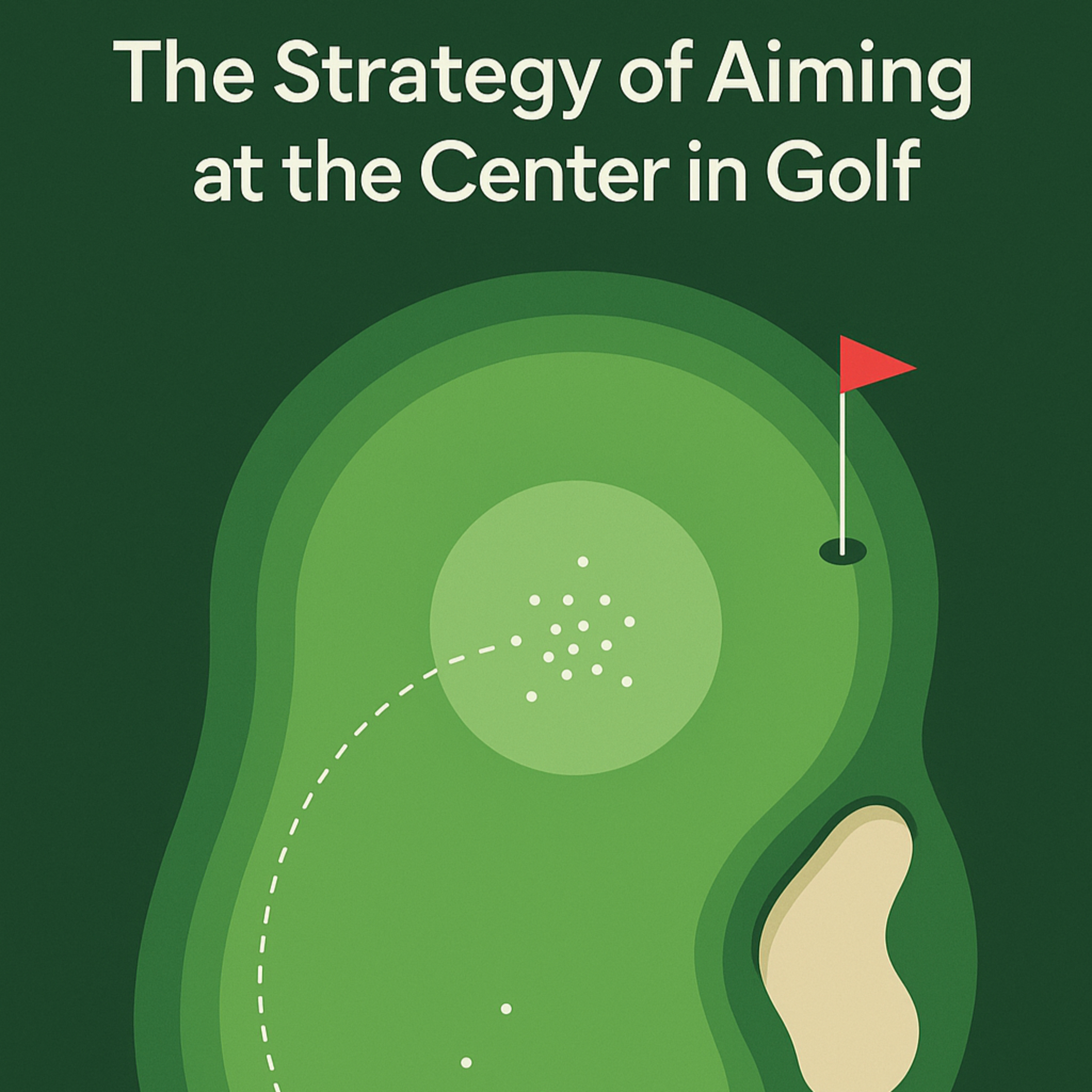
Golf is a dispersion game, not a precision game. The core idea of the source text is that amateurs and even professionals miss their targets more often than they think, making aggressive pin-seeking a poor scoring strategy. Understanding personal shot dispersion leads to smarter, lower-risk decisions—especially from longer distances.1. Dispersion and Risk ManagementMost amateurs believe they can steer the ball, but their dispersion is far larger than the landing area of many pins. Elite players miss their target by 7–9 meters, while amateurs typically miss by 15–25 meters. When a pin sits near the green’s edge, this dispersion makes bunkers, rough, and short-sided misses almost unavoidable. Recognizing that their own pattern is larger than the safe landing zone, the smart option is always the center of the green.2. Selective AggressionGood scoring requires selective aggression—attacking only when the odds favor success. Playing for the “average shot” instead of the perfect strike minimizes score-killing mistakes. Aiming at the center reduces pressure, avoids high-stress recoveries, and leads to more predictable outcomes. For example, approaching a front-right pin guarded by a bunker is usually a guaranteed bogey pattern for amateurs, while a center aim leaves a large safe zone and far more pars.3. Scoring Windows by Skill LevelAggressive attacks are only justifiable when dispersion shrinks enough to support the risk.Tour players: can begin attacking around 70–90 yards.80-shooters: inside 110–120 yards.90-shooters: around 80 yards or less.100-shooters: even at 50 yards, narrow pins are costly.The farther the golfer is from the green, the less worthwhile aggression becomes. Beyond 130–150 meters, most amateurs should avoid pin-seeking entirely.4. How Dispersion Shapes DecisionsA 90-shooter typically misses a 135-meter shot by about 15 meters. A 100-shooter often misses by 20 meters or more. If the pin is tight, this guarantees trouble. When dispersion exceeds the landing area, the correct play is always the green’s center. This approach alone can save two strokes per round without changing the swing.5. Why the Center Is SuperiorAiming for the middle manages errors, avoids hazards, and keeps the ball on the green far more often. It also provides mental clarity: less pressure, freer motion, fewer short-sided mistakes, and more consistent pars. This strategy is not defensive—it is disciplined, confidence-based decision-making used by great players worldwide.📺 The Explainerwww.Golf247.eu
Embed this episode
NOW PLAYING
#411 The Strategy of Aiming at the Center in Golf
No transcript for this episode yet
Similar Episodes
No similar episodes found.
Similar Podcasts
No similar podcasts found.