Hey everybody and welcome to classical stuff. You should know it's a podcast about classical things led by three fellows who are educators Well, yeah, we're all educators. You do you do I educate fun stuff. I also educate.
Yeah, that's true. Okay, so we're all educated I didn't know what you want to be also we're all games all the sports to the house competition a lot you do a lot more Yeah, so we we like classical things of things in the classical world If you're wondering what that is you can go back and check out a podcast of what is classical and there's another one I should start with a classical education So you can go check those out if you brand new or you can just listen to this But our goal is to bring the classical world to the layperson in a way that is not alarming or terribly terribly boring Good, which sometimes we probably are that anyway, but you know, you gotta take the knocks No, I'm just trying to do a good job on the intro. I just really want to do a good job here You're doing great. I'm doing great.
I'm my best you guys good. Okay, so today we've got some stuff from Graham Donaldson Well, I mean that raises a great question AJ and that is like how do you define what is an intro? Yeah, how do you define a good intro? How do you define a podcast?
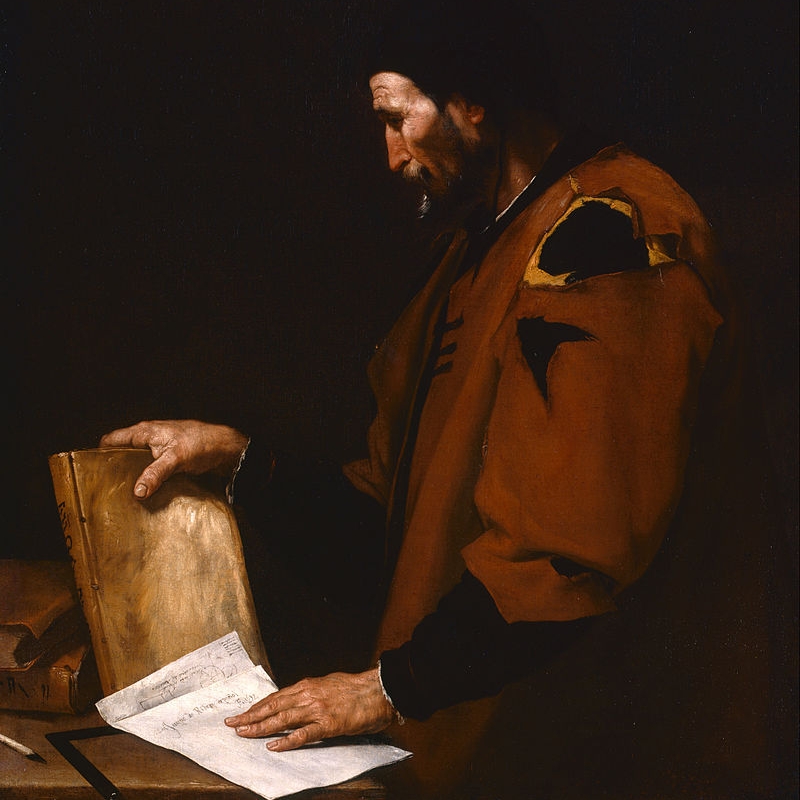
I've got Aristotle on you for your question. Oh, man, that sounds like a scoring conversation So this came up in class the other day where we were taught We were doing a review for the final English exam and I said something I can remember what it was And I said how do you how do you define blank? I can't remember what the definition was and students said you go dictionary calm Hmm. I was like, okay, how does dictionary calm do it assumes?
We're like, uh, I don't know They probably go to like one of them paper dictionaries I was like what how the paper dictionaries do it and then the students It's basically was just this infinite regress of appeals to authority as far as the students were concerned and this raises a Just an interesting question. How do we come up and define things? How do we say what is is? I mean, this is this is an old philosophical question This is the question of like metaphysics definition if you go back and listen to one of our old podcasts on The common topics definition is one of them So with the common topics that was a very practical podcast If you were trying to come up with something to say one of the ways that you can come up of things to say about something is to talk about what it is It's definition So if you are giving a best man speech At Thomas Megbee's wedding if we could go back in time to that day he married Sarah And we had to give the best man speech we could say if we were trying to come up with things to say about Thomas We could define him well Thomas is a man Thomas is a man who loves and then we could just you know think of all the things that Thomas loves Look and loves math Anyway, so definition you go back and listen to that one, but today we're gonna talk a little bit about how Aristotle Defined definition he so these are his famous four causes Um, so if we yeah, so we're gonna talk about definition airstar has four causes So before we get to the four causes if we're gonna define something we can do something that's called like a nominal definition If a little kid or well if you're taking a little kid by the hand you're walking through the zoo you can say look at that's a bird You can look set it's a bird see that over there.
That's a bird. That's a bird. That's a bird If you point to a bird and say that's a bird. That's a nominal definition that sparrow is a bird that pelican is a bird Yeah, so this is a car to be like that's a car Yeah, so this is a connotative definition It's not complete by any stress of imagination But it is one way that we learn and one way that we that we define things Um, now a smart or precocious young child would look at an ostrich and look at a sparrow and be like they're different than both birds And be like yes, they are um clearly it's the beak it's the beak makes it wings Um, there's another word Like that's yeah, the wings The other way that you can define is edmological so you can look at what makes up a word So for example, what is a sophomore?
Well, we can look at the two words that make up the word sophomore to define what a sophomore is They're a little squishier than where last year they're soft more No, no two words the two words that make up sophomore are so farce meaning wise and more on meaning more on So a smart dummy they are smart dummy. That is really what it is a sophomore is a smart dummy So it's not still kind of uh, so teaching teaching logic We say there are three different ways to define things by example Which is your first one sounds like a nominal is that uh by synonym saying what's something's like Yeah, well giving another word for it they already know and then the last one is giving It's genus and then it's different from other things within that genus So that that thing it is a wise fool may sophomore is Genus and difference right the genus is fool and what makes it different from other things within that genus is that it's a wiser one It's not as dumb as the other fool. So like saying uh, so like a golf shoes You'd say they are sports sneakers with spikes on the bottom and so sports sneakers would be their category spikes on the bottom would be the difference Right, so genus indifference. Yeah, I think it's probably something to that um That's the way a lot of dictionaries do it if you actually look a lot of it is just straight genus indifference But for aerosol those nominal definitions are not exhaustive and they're not satisfying we need to actually get to Different way that we can talk about definition and so for Aristotle he posits the four causes But there are four causes for all things and that if we can answer the questions about these causes We have an ability to define it and to say and not only to define it but to talk about things as they change So here are the four causes the first cause is the formal cause And the formal cause is the pattern of of matter the pattern that something takes a shape in it's for it's form Um, and this is the one we're going to come back to and talk more about because Plato talks a lot about the forms And we'll come back to so it's a formal cause the pattern that something takes shape in I'm just gonna give you the for the i'll give you an example which we're probably making more concrete You have the material cause uh, the thing that the thing is made out of You have the efficient cause um an external agent who has created something or has given who has married the form and the matter So you have this mind who has married form and matter to create an object or to create the thing And then you have the final cause and that is why the agent does it at all So you have the reason why the agent has created the thing so for example Let's talk about a table So the table has a formal cause or let's maybe do a house the house is a little easier A house has a formal cause the blueprint This is what the house is going to look like this is what the matter is going to be Smashed into and turned into to create something then you have the material cause The boards the concrete the boards the nails the wood the concrete the tile the mud hut, um, the, uh, the, uh, Yurt Yurt is a great word.
I don't I'm not talking knowledge of housing. Thank you. Sounds like something that's they say when they're sick. Um, oh man Mustn't look really yurt Um, fun fact about houses.
There is a like tiny house community By this like wacky dude south of Austin and he creates tiny houses out of garbage Not garbage but like don't like just things that he finds and if you're listening, please don't be offended All your houses garbage. No, they're not garbage. It is. I you know, it's sort of a he's a salvage He's doing a cool thing with like sustainable anyway, but um, anyway, I don't know why we're talking about this Um, then you have the efficient cause so you have the builder you have the person who is making the thing He is taking the matter and he's making bringing form to that matter to create the house And then you have the final cause what the house is for well the house is for home It's for somebody to live in it's for a family to enjoy it If you don't think about the final cause when you're gonna maybe design it with staircases that don't go anywhere Or, um, the rooms are gonna be really really really small and cramped and any human being that exists in there is just gonna hate it Hate you the house of a thousand closets.
That's right or That's not horrible. Yeah, I mean you can think of of a home that is designed to make living in it miserable Well, you've the so then the final cause hasn't been considered so it's too dark or it's it's too cramped or something Is this Aristotle's answer to how to answer a question of what is x? Yeah, so um, what is x? What is x and then it's also how's it put together?
What's it put together of who put it together and why? And then it's also It helps Aristotle understand when you can talk about something changing So for example, there's magbee who exists, but then magbee learned then you let's say you learned to sing opera Congratulations. You've been working for a very long but if magbee has learned to sing opera magbee has changed has something like so if magbee has changed There's mutability in the world has his definition changed. He has now singing maybe and is and is singing magbee somewhat fundamentally different to non-singing magbee from before so other than being superior to being superior The effects right the things that come yeah the form has Form hasn't changed the theory has changed the efficient cause hasn't changed cause don't make maybe yeah And the final cause has the final cause changed I don't think the final cause has changed either It's on the same.
I'm saying but you but but something has changed so then this is kind of like the funny question What is maybe what is maybe? Anyway, so this this sounds if we go back to the the common topics Which to me seem like an exhaustive way to think about anything It seems like some of these are very similar to the ways that we think about a subject when we're trying to think about it like so The what is it made out of well? We do that in the subtopic the common topic of definition we say what subcategory is it and what are it subcategories? So that would answer the question what is it made out of like what are its what are its pieces or its parts?
So that's one of the causes and then what what is its greater category? I think that would almost be the formal cause right what kind of thing is it? Well, it's a house we can recognize that because of the form that it takes and then if we're talking about its efficient cause and its final cause Those are cause and effect which are it's the common topic of circumstance Right? So the thing that caused it and then what comes from it right the final cause and so I think I think if we're thinking of it in terms of that then maybe has changed slightly his effects have changed right?
Maybe people want to leave the room when he starts singing opera. Although that would be an on a quasio thing because they're not preparing for a beauty of magbee singing The fact that the Greek word is trans I don't know what it is is translated to cause kind of throws us because most of us would probably as native English speakers would say Efficient is the efficient causes the cause the person who made it. That's that's how it AITIA is the Greek word Asia or ATO So I mean the but as far as I was concerned talking about these four causes is talking about what a thing is And so I mean but that's my point is that the same the common topics are the same thing and they actually coincide in some spots Yeah, these are except for maybe the material cause these are all wildly controversial Right. Well, think about them.
Well, think about my cup of coffee that I have sitting in front of me The material cause is not all that controversial it is You know it is made out of coffee beans and it is water is put through those ground coffee beans and milk has been steamed It's like all the water and couches. Yep, the formal cause is a cup of coffee. So it is it is in a cup It is The form is ground water or ground beans with water gone through it that it has done that I don't think that's even more material cause the efficient cause was that wonderful barista who made it for me And then the final cause and then this is a controversial one as far as I'm concerned the final cause the telos of coffee is to give me enjoyment But is it not to keep you awake not to keep you awake? They keep me awake.
Maybe the cause for as a coffee is concerned the coffee would say like I am not your I am not your Satiation I am my own thing. Yeah, so I mean this is where this is where the four the four causes get controversial because when we say Well man Formal formal material efficient and final. I mean Christians for two thousand years have said the final cause of man is the chief end of man is to glorify Gone and join forever that is not a universal statement that everyone adheres to and so there have been there's just Aristotle said the final cause of man is happiness And he didn't just mean like a lot of philosophers said that he didn't just mean like full tummy and like Netflix But he was talking about like some sort of deep satisfaction and we've talked about Aristotle's idea of happiness and school a and leisure before but So the but the the claim is is that with these four questions Shoot how someone described it like though the final cause is the why the material is the what the formal is the like where for I can't Remember there's this there's this like pithy little saying that my old philosophy teacher used to say but I can't remember it But apparently the argument is is that these four causes are if you can answer this question you can say what is and you can give Definition to it. Is that the problem?
He's addressing yeah definition is hard and definition is hard And so here are four questions we can ask about everything and if we can ask those questions about it We can say what it is and it's funny how often students run into this or just people in general and they're like this is what being a hero means And I was like well, that's what it says in the dictionary, but that's not Maybe that's not a full definition or you can give your own definition We used to have a final at the end of my ninth grade year that was the question was who was the most heroic of all the characters I figured out they would all flip straight to the dictionary and they're like this is very good And I was like yeah, it's not very good You're gonna have to give me a definition but that opens you up to argument about that definition I might take issue if your definition of a hero is that he's super jacked and is good looking well There are some dudes who are super jacked and good looking who are not necessarily the greatest of men So I might take issue with your definition and then you know their whole world comes crumbling down because all of a sudden they can't trust words and Alright AJ run run the run hero through the four causes okay, so what is he made out of? Material muscles so he's got to be the person But the material that composes them is human yeah, isn't it's a dude Well, you have a story with a hero fox or a hero yeah, I guess lassie yeah lassie what's the Charlotte's web come on she saved that pig some pig I don't remember that book sorry Who's the hero and animal for me the horse the horse the horse, you know box or not a hero Terrier Me when my students were a short story where boxer was glue that got spilled the bottom of a backpack It's a messed up story anyway, but hero alright, so so this is not even here. So this is the most to help us So who who created him I'd say that or why was he made I'd say the efficient cause is that the These are causes why yeah, well the efficient the efficient cause I'm talking about who made him I would say that he is a product of a time of need or dire circumstance that requires his action his final cause is to I'd say resolve that that whole or Or societal problem that necessitates his motion and then formal cause well He is obviously someone with the capabilities necessary to solve the problem in a virtuous manner The material got some blood stuff. Mm-hmm.
Yeah, what is Batman without Gotham? He's not he's a rich dude with toys Can you imagine can you imagine Batman like the thing in the desert by himself? He like turns on the light by himself and then just size huh wait So the efficient cause for a hero is the like the context of he finds himself in like the required city full of bad You cannot be a hero without something to go just strange because I think we would we call Gilgamesh a hero But the thing that necessitated his motion was his own fear of death right? But I think maybe that's something all man feared And so he's a hero and that he confronted the greatest question of man Which I still love by the way that our oldest book is a confrontation of our biggest question good job He's a hero like he's strong and stuff isn't that what like he's strong But he never really uses it for the betterment of man The only thing he ever really does with that strength is he swims to the bottom of the death the ocean river grabs a flower And then loses it while he's taking a bath.
I'm not kidding Mostly he just abuses his people with it So it sounds like he's not a hero He's not I think he'd only be a hero in the sense that he confronts some of our deepest questions And the thing is is he fails Anyway, so For me when I was taught this first many many many years ago in undergrad And then even now that I was sort of dredging it up to think about for a podcast It is a helpful little heuristic, but I always feel like the final cause is always the big bone of contention So it is I'm looking at my camera right now It is easy for me to think about what my it's graduation today. Sorry about my camera It's easy for me to think about what the final cause for my camera is it is to take pictures It's just it's to make memories if you want put it in that way or just capture memories that are capture time What's what is the final cause of my camera? But what is the final cause of my dog? I don't have a dog What is the final cause of the dog?
Oh dude? I know this one to be a good boy He is he's a good boy But it is that is like it's a final cause of a dog just to be like a happy happy helper to man I mean that's a great question What is the final cause of all animals but depends on the animal depends on the dog because some dogs are for hunting some dogs are for protection Some dogs are for but we don't say that about humans We don't say that it depends on the human being that some humans are for but isn't it been on the context like at some level Graham your for English teaching and simple you aj isn't that true? But is it but I guess that's part of a definition So we have the roles part of you gram is to be like Graham qua teacher as opposed to like Graham qua gram Yes, I think then we're talking about questions of telos and ultimate purpose, which is not a small question Yeah, but plays into this, right? Yeah, I mean that's what the final cause means telos like that when Aristotle there's the four causes They all have Greek words and the one for telphinal causes tell us but that's the thing if if we could say okay What are what are final causes?
Well, we've got the other three pretty solidly nailed down So if we if we in this podcast said oh, I got the final cause we would have just solved man you guys We fix that which is something that we can't do or at least we had to demand score if I got enjoying forever Well, then that's your final cause right? And if that's but like sure we all we all adhere to that but those of us who don't believe the same things we do Like that would that would now have different fun. Now the attitude that I come across the most in students is the very thought or the idea of a final cause is something that they find Repulsive, so I done I did this exercise by talking about a hammer I said all right the form of a hammer, you know, it needs a hard bit at the top when we think of hammer We think of this form something that is mechanically useful to hammer things It's material is made out of whatever you're gonna make a hammer out of iron rubber I got a wood one right here somewhere efficient cause the person who made the hammer So let's say I made the hammer or the hammer smith makes the hammer and that he you know attaches the material with the form creates hammer And I said in the final cause the purpose of that hammer is to hammer stuff Am I soon said whoa whoa whoa whoa whoa Like who are you to say that the cause of the hammer and then suddenly one student said so is a rock Just a bare rock that you used to smash in nails is that a hammer? He says maybe the final cause of a hammer is to like smash dudes in the face with or basically It was like who are you to say what something is for was the attitude and I just I didn't really know how to Um how to combat that or I guess my question was I didn't really understand what the um the underlying Fear of giving final causes to things was I think it's uh I don't know there's this weird thing in man where we are both afraid of definition and cling to it Right?
We are afraid of being boxed in by saying this is like do what do you feel comfortable if I said Graham you are an English teacher? That is what you are and that is all you are and you will never be otherwise right you are English But that's that's kind of a scary thing but at the same time. I cling to my identity as an English teacher I love it. I I like to live here in this place and literally AJ lives in the classroom He's a little hammock in the court.
No, I'm just kidding. I have slept on the floor full confessions Uh, so I don't know man man runs the definition as a haven but also fears Definition as a lasting thing But I don't think that students live as though things are undefinable or at least the final like otherwise They wouldn't sit in a chair because who are they to tell that chair what it is or what's for? Well, they just put their bum on it So they got to have some feelings about what a chair is like if we leave everything open to having no final cause then How do you do anything? Who are you to sit in a car and tell it where to go?
Well, it's a it's a car. It's what it's made for taking you a to be Can I think be made for a certain purpose but not necessarily used for that purpose sure so that hammer example It's for building can also be used as a weapon as a weapon as to destroy things to vandalize I think that even some hammers are made as weapons case in point. My one over Hammer that's got to be six feet tall. I mean it's the only applicable purpose.
It is a war or it's not for people It's big Um, but you would say a war hammer is made for the purpose of warring in war. Um, yes So then what are we doing when we are using something for not its intended purpose? Um, we're I mean in improvising. Yeah, I would say there's sort of a dishonoring of the thing Um, if you were using the tool for like I remember Well, it's like a narnia I feel like you use your sword to sharpen your sharpen your pencil like that sort of a dishonoring thing to the sword I remember my grandpa if you use like If you used a I'm trying to think of like your pocket knife to open a pet can of paint You'd be like you don't deserve that pocket knife because that is not what pocket knives are for I like that view of things though like that you're honoring them because you have a proper definition of them I would treat my stuff better than that is definitely true in the realm of ethics that if you are using something for beyond its intended purpose with human beings um, then you are Unethically dealing with that person so the realm of sexual ethics which we don't necessarily need to get into is probably the one that Gets talked about a lot in in our modern world.
Um, if we ran like sex through the four causes, what are they? Um, but yeah, so I like that idea when you talk about stuff like, um, there's there's some things that don't care like a rock Don't care if I use as a hammer sure. Maybe it might be a little bit dishonoring to the rock but sometimes you got an alien hammer You got it's less made I think so I think the fact that like if somebody took the time to craft the efficient cause someone took the time to craft a tool For you to use and you use it in a different way. Um, and maybe it maybe use my camera as a hammer.
Mm Well, I'm gonna break it. Yeah, that's all but maybe maybe the thing about this way I can get a hammer a three dollar hammer from Walmart that is just a piece of trash And it's probably not gonna last me through a whole job And then I can get a well-made hammer from the forties that has like a grandpa's name and graven into the handle that built the house that I live in I'm gonna feel much more comfortable propping the door with the wall hammer Mm-hmm than I am taking my grandfather's hammer and propping a door with it Right. I mean to a certain extent it's a tool and it's a tool to do things But then that's because you care about the efficient cause of that hammer and that's What's interesting is that maybe maybe one of the reasons we care about certain things is like the attention and care that went into that Object and so it deserves more on it or less. Yeah, so then is there something because I think I don't know if I believe this But I think there's an argument to say but Hanenburg if you propped the door open with a hammer regardless of whether it was a cheap hammer It's better.
That's a cheap hammer than your grandfather's hammer. There's still something like I don't know if I believe this but maybe argument would be there's something uncivilized about propping a door open with a hammer when you should be propping a door open with something that was intended to Propped or open sure but I think that hammer was intended to get free dollars from Walmart and whatever I do with that hammer is my own business Like just because they so the fun cause that actual hammer was like the whatever I was was the enrichment of Walmart as close to the good hammering of Nails well clearly it wasn't built for the good hammering of nails because it's a garbage hammer Right so it was the point was something else and for that reason it doesn't really matter what I do with it Are we gonna pick it Walmart with signs that say remember the four causes or like like you can think of swords this way Right if I get a decorative $20 sword and one of my other shoes Right, oh that's a shoe sword and my kid wants to go out and whack a couple of watermelons with fine Whatever if I have like whack away Yeah, if I have a finely crafted $2,000 sword and he wants to go and hack a couple of watermelons with it I might I might have a little made by master blacksmith. Maybe yeah, maybe I'm not gonna let him go and tool around with it, right? Josh you don't listen to this podcast.
He should you do you should call me right now and say hi? We miss you buddy. Oh I saw him today. So for the listeners background Josh Josh has been a chemistry teacher here for a long time He's a great friend.
He's one of the hardest working men that I know he's fantastic But he's because he's got a family on like two other jobs because he works all the time I never see him guys like he's like a fairy and that like you you always want to see him But you can only ever catch him for a moment and they're gone forever You have to clap and believe yeah It's a clap and believe and you have to like be the right place the right time right at twilight with a certain kind of dust or something Like that's how so anyway, but back to this idea of of like well-made things I love this idea of the thing being made for enrichment of someone not the user Yeah, that's really that's really interesting idea that that the final cause of that cheap hammer is the enrichment of Walmart and just to like Get you through an afternoon of hammering whereas the final cause of a well-made hammer is something that is going to last forever Means that we should value the well-made hammer because why it is more like the ideal of hammer like is that it? Obligated no and I also like as you were saying that grandma I'm just a reaction was like well They're all the people who make expensive stuff for the purpose of it just being expensive and stupid right like that poor Blackberry that came out a couple years ago. Yeah, you know Lamborghini phone is like $2,500. No interest in that Like makes a noise when you open it up.
I'm not getting it's really dumb But those things are not better because they're expensive. It's like the craft of the thing is what I think we're trying to get at Yes, and so a one-made hammer passed down through your family. It's so is so clearly for good hammering Mm-hmm. I don't know but I think there's also a little bit of humanity tied to that I'm not so concerned with dishonoring the hammer as I am dishonoring my grandfather or dishonoring the Smith who made my sword or So you you yes the efficient cause is part of it as well whereas you don't care about dishonoring the machine that made your Walmart hammer Yeah, I don't give a rip about that But if something about built the hammer with his own hands I'm not even trying to nail with it which is actually like refusing its final cause Because I'm trying to bring on it's wrong because the hammer you should be you should be hammering is for the hammers for hammering And so the hammer is not happy if it's not I'm pretty sure why it was given why you're giving it to you was it you keep this in the family forever never use this or was it Yeah, make it use out of this because it was the meg he's used to have a there used to be a sword in our family before My granddad's house was broken into it was stolen but like oh yeah, that's what it was not like defend your house with this It was this it was this old brittle blade it would break it where if it were actually used it was for the commemoration of those before So like where did it come from?
A war yeah, I think that's all probably is like No, it's pretty simple work is old old old. Yep. I don't know what you are that thief and you just happen to listen that I have no idea where contact us and give it back fun fact Catherine balls convinced that she is related to William the conqueror 1066 mass Catherine, okay, she's told she's gone through the whole thing has to do with I think our next class Let's go wrong is going to be that no it ain't no. Well, maybe she's getting the wrong but anyway She's just farmers.
Yeah, so Where are we going with this? I mean I Wounded like when we talk about this the one that troubles me the most is my example of Megbee and singing Hmm, so if I talk about what Megbee is a formal material efficient and final as a Christian man I put my baby through the ringer on that the formal causes the form of man the material causes the carna of Megbee I'm the efficient causes that God made him He is a creative being made in the image of God and the final causes that maybe was created to glorify God enjoy him forever But then what's for those are true of all people yeah, that is so then yes But then when but then I don't know what to do with singing Megbee So Megbee before he could sing was still that Megbee after he can sing is still that but you have changed So then do you know are you is a definition of Megbee different now that you can sing or is the definition Megbee not different now You can sing I know do because I'm also I'm still not sure with those four definitions How do I distinguish Megbee from Donald's yeah fair because all the way must be the form You can read your like it the original material your materials are arranged in a slightly different with my materials arranged There's nothing only thing that my material is like chiseled here's a spare area Yeah, it is a second something's true. Yeah So that's the only thing that's different between people is their form. I can't be true.
Where does personality go into this? Yeah, that's a good question. I mean and that's why I like that much. I mean personality must be formed as well So it's not just material So I was by the arrangement shape or appearance of the thing changing or moving But that's this is why I like the common topics as a more exhaustive way to think about things because that gives us what it causes And consequences what is it like what is it unlike and how and to what degree like there are far more questions asked within the common topics about a thing But this is metaphysics like Aristotle's asking the common topics are like practical ways to talk about something But we're actually asking the question of like what actually is but I think you're limiting the common topics I think the common topics are an exhaustive way of thinking about a thing and that means you have to consider the metaphysics of it Like you have to consider its point So how does the common topics answer this question about what is the difference between Graham and Thomas?
You would immediately go to the question of similarity What is it like and unlike why am I different from you and how and to what degree? But you're just giving me nominal definitions You're just giving me examples like you're different than Thomas because Thomas can sing and you can't sing But I could be the difference between us couldn't I mean our final cause is the same and our fishing cause is the same then there are other things that are Small examples that are different and those things are brought out in the common topics. Sorry I didn't think about it So that the differences between us are small I mean that's an interesting thing to take away at the definition point to We are more like than similar. I kind of like that Okay, and the next thing to think about is if we thought that it was dishonoring to the hammer to not use it for its intended purposes Then how we then the final cause of what we think about human beings is massive in how we think about how we should organize society and treat people right like if people are if the final cause is Evolutionary biology survival like the only reason the only reason the only final cause of a person is just that you keep on living You can keep on living then we would treat questions of ethics and science and keeping you alive or or Death penalty or anything we would treat those things very differently than if our final cause was glorified God enjoy him forever I'm trying to think of what we would you think would be other popular final causes of man that aren't necessarily Christian Make money so concerning career goals status fame I think many many wouldn't be able to say that they're like they would say if they're naturalist that there is no final cause It is we are a random happenstance and if there is meaning we are making it and we are not tied to it So each individual person is coming up with their own final cause if because there is no and the efficient cause is just sort of random accident Yes, and the material causes you know the stuff you made out of and the formal cause would be I guess what would like what it It's the same personality differences isn't it?
Yeah, I mean we're still different I think we still be different in the same way for naturalist causes versus the the the ancients when they talk about form is always to me Been a very confusing thing like Plato when he talks about form so Aristotle it air styles posited these four causes as like I think and a way to explain Platonic form I don't know if we want to go down there We'll talk about it now about like Plato's cave and the idea that there are these platonic ideals of a form of a thing that everything is reflecting So the reason we call it chair chair is because the chair is partaking in something called chairness which exists Somewhere in a more deeper reality than the reality we live in that's kind of like a way to summarize Plato that people to get you with this on a Lot of levels. Yeah, yeah, so like if we if we hacked off a leg of that chair and the chair was sort of laying on its side You couldn't comfortably sit on it It is no longer partaking in the form of chair and we would no longer rightly call it a chair If you can sit on a rock if the purpose if what makes a chair chairs It's made for the purpose of sitting and this rock looks a lot like a chair And you can sit in it does that make the rock a chair or is it still a rock? Yeah, form is it take more part in the other question is like what if a chair is made for torture right and you actually can't Sit on it comfortably right and it's for hurting people more than it is for making a comfortable place to sit was that still? Like we still call that chair.
What about the electric chair? Well, you sit in that one but then you die so it's not exactly the same I was like a throne although you sit in that one you die sometimes you Anyway, so so yeah, so there's just definitely talking about form is always the For has always been for me when you're talking about definition the one that is always trouble is always sort of harder squishy to understand like What makes a yeah a chair chairs it is it? Something from the ground up we've just called it that or is it appealing to something is appealing to some sort of chairness that we all sort of Metaphysically tap into is we sit on it because there's some chairs that are art pieces that are clearly like have the form of a chair But you could never actually sit on it Or even comfortably like it's it's set up in such a way as that as soon as you sit on it it breaks your falls over Yeah, well, it's still it's still chair It's the form of chair, but it doesn't have the material of chair because I are the material in the form and not married in the way that The efficient causes a little different. Yeah, something is a little bit different.
This is why the final cause you're supposed to be able to sit in it Yeah, that's not the final cause is different And so that this is why I say that like this is another instance where we can ask questions and ask questions and tear and tear What makes a chair and then nowhere, but really we'll know what it is when we look at it. We can look at something say that's chair Yeah, so I mean that actually goes back to you where you say the common topics are more helpful probably because at some point if you actually want to define things at some point you have to take things on faith like reality does exist and we can Comfortably make definitions about things it comes back to norms. We can normalize the world We cannot completely systematically explain everything but we can normalize things in terms of laws in terms of names like you can call things dogs very reasonably call all these different kinds of species dogs and then But does that mean that everything is called into question if you're traveling in the jungle and you meet some sort of new species that kind of looks Like a dog, you don't know if it's a dog or not well. No the norm doesn't explain everything But these four causes carry a lot of freight for us a lot of sort of interpretive freight Yeah And I think the common topics just have more questions which makes it easier like we're only asking with the four causes four things about it Who made it?
Why they make it what's it made of it? And how's it look rather than is it like it only focuses on the thing rather than focusing on how that thing fits into society? Which comes from cause and effect which looks at matters of degree how different is it from other things of its kind? Are there any like subspecies of this what kind of categories can we put it in like there are because the common topics ask more questions?
It's just a little more awesome cool I just did a podcast on something that we did a podcast on a lot better No, who wrote the topics like where do those come from they've just been I think they've just kind of been floating around rhetoric the rhetoric Well, I don't know who I formalize them. Yeah, I'm not exactly Are they Aristotle's rhetoric? I don't know if they're an Aristotle or if they're in the at her idiom Or if sister talks about you know anyway, the only reason I ask is I wonder if these if they're four different things If the common topics are for speech and definitions for clarity of thought or I don't know but are there different usages for those two different tools It's both useful, but maybe in different ways. I really like applying that question to what was a hero I think that's kind of helpful and I think that's something that like students can do when they are when they're asked a question like Who is who is the real or who is the best person in this book or who is a bad?
He's a bad prompt But you know who's the real hero or who has the least? Fail problems. Yeah, who's the happiest? We talked about that within our seniors with great expectations You've got you know Joe who is clearly the happiest but the question is why why is he the happiest?
What is he how does he conforming happy? He's never used the walnut hammer exactly Joe the blacksmith has hammers passed out him So you're gonna look at your tools differently now or you going to? I thought that was really good, but I think also a lot of the stuff that I use known is like cheap stuff So like it still does not I don't know very little of what I own is elevated because of this conversation, but so It's gonna make us knots where we just purchase and buy like well made good things that were crafted by like Yeah, that's been I've been living in a book shelf for our house and like where do we get that book shelf from do we got a sport I can't do we got Ikea do we go to this like this person that we know who like hand makes the stuff and there's a Really cool story for why he's doing carpentry instead of other things like I don't know We can be thoughtful with our purchases that have better causes than other purchases I think it's really helpful way to get it. It's sort of humanizes your objects and there's something Sanctifying's right where but there is something kind of like good about that like for example We have a table in our house that Amanda I'm in a loves commissioning artisans to make stuff because she's very super particular She wants things a very particular way and she's a designer So she likes to design things But we went to this guy we met him he was a guy who worked in a bank and then one day decided that he hated banking and decided to quit and And he would work I've never heard any story like yes and he made us a stable and we talked a lot about it and we commissioned him and he found this wood and Made it to the specifications and Amanda wanted and delivered to our house and we have it and I my relationship with that table It's so much more different than my relationship with the other table We have which is something we just bought at West Elm and we just needed a table Yeah And and I I've never thought about it in this way, but I think that efficient cause The final cause is still the same it's a table it holds stuff for me the formal cause is kind of the same They're both they both conform to the form of table the material is slightly different ones made out of metal ones made out of wood It doesn't matter but the efficient cause The person who did it and maybe West Elm's final causes different They wanted to make money, but this guy wanted to make money too though Rightly so but we felt better giving him money than West Elm money But just because he got money doesn't mean his purpose in it was to make the money Yeah, because an artisan you'd like to think wants more than just the money they want to make art But I don't want to be too mean to West Elm to maybe they actually believe in the things they're making I just think it's hard is that corporation gets larger and larger this Graham before we started recording was asking about like What do we think about the difference between a publicly traded company and a co-op where it's owned by its employees And this is part of that if like the larger company gets at the point you're probably traded you're a large company by and large mostly You just you lose the ability for one person with moral goals to affect change inside that company while when it's owned by its employees They can still change.
Yeah, anyway, so I did not anticipate that this would talk to a podcast about bringing right honor to stuff But I mean if we're talking about honoring stuff so weird example But I just got a new gaming computer like it's a it wasn't I didn't intend to get one that was so fancy It was this long arduous like customer service process But I ended up getting one that was pretty awesome And I would almost feel as though I was dishonoring it to play something like Minecraft Oh, no, I mean, that's sure something like that or some little 2D scroller Like I was looking to you know bobbin around looking for things to do on it And it just seemed like an abuse to play something that only required like a hundredth of its abilities, you know We can't run crisis. Sorry, I think so But so yeah This topic reminds me of a problem or something that really struck me strongly when a man and I were first married and that was we were talking to Friends a good Christian couple and they were talking about they were praising how cheap and crappy all their furniture was And they said we have this cheap crappy furniture that can break and we can throw it away and we're not attached to it And we don't have materialism and we don't necessarily care about this thing because we care about God more than we care about our possessions and Part of me thinks that that is a good way of looking at our material that but there was also something that troubled me that there was There was a there was something sort of dishonoring to a thing that to say I'm I am not worldly I am spiritual therefore I can treat worldly things with like contempt and disdain and look how it doesn't bother me if it bursts into flames Whereas we are earthly we are partially earthy beings whereas we have this rug in our apartment that was it's from the 1940s And a man have founded at this little antique store and it was made in Pakistan in the 1940s and has seen more of the world And we've seen and I would feel like something beautiful in this world died if that rug burst into flames And I struggle with like does that make me materialistic and unspiritual because I have a care for it a created object or does that make me like? Am I rightly honoring the person who created that thing created because it was beautiful and They in some way are creating something beautiful in creating something beautiful. They are like mirroring God Which is what he is done in creation because God has created things beautiful and so when artists make beautiful things were co-partaking in God's nature and I'm in a strange way I don't know I don't really know how I answer with it I probably should come up on the classical education episode But we care about the good the true and the beautiful So there's a piece of it where we're actually doing something with the beautiful by employing artists Which is good, but then I'm also thinking of the rule of tain benedict As you're talking that one of the vows of the Benedictine monks is the vow of stability and that's a commitment to a location And so if all the stuff you own is cheapo you can throw it away.
You can pick up you can move that is the opposite to actually like committing to a community committing to a location like you can set down roots by Picking where you live and then like building that life around that location Sure, but the rule of St. Banger's is also poverty and we could not have purchased a beautiful rug if we had taken about as poverty as well You're also married so you can't be among so like there there are ways to adapt it without Anyway, so I was just thinking about This for causes and the efficient and the final cause and with definition in honoring our stuff is kind of something I've really thought about before Anyway, that's the four causes gents, right? So this has been classical stuff. You should know you can always email us at classical stuff at veritasacademy.com You can not know yeah, no, no, yes, they're both done that right there both done that and then our website is classical stuff dot net Right.
Yes. Yes. I'm not forgetting these. I'm not worried.
We do it every time Yes, so classical stuff that you can also tweet at us at clsscal That's it stuff stuff stuff is it. Oh, there's a stuff. Let's go stuff man I don't do any of the twitting I don't manage the thing anyway Apparently we've gotten nothing nothing wrong since the last episode or at least we haven't heard about it So but Catherine balls a descendant of William the Conqueror. Yeah, it's most important.
Yep, still true So yeah, we wouldn't mind if you've been enjoying us the rating on iTunes that help us out We don't get money from that We just might reach a few more people that might want to hear the stuff that we have to say if you want to just Also like a question he was you know For our pride. Yeah for our pride so we can one up other podcasters and say oh we have a 13 reviews Or if you just want to like chat with us We always like to go back and forth over things and we've learned a bunch of our listeners You could be one of those people shout out shout out to Ben from Australia So far the furthest away listener that we've heard from thanks for listening to us on your long commute to and from Sydney or Sydney to Sydney You're on oh sitting to Sydney got to him down there upside down place krikey We have not we lose our one. Yeah, I apologize anyway As a fellow as a Canadian and a fellow member of the Commonwealth. I understand you Ben good Great.
I know way that these gentlemen can't as Americans. I don't even get Yankees in my own country So that makes a lot of sense. All right. Well, this has been tough stuff.
So I suppose we got nothing more to say so You