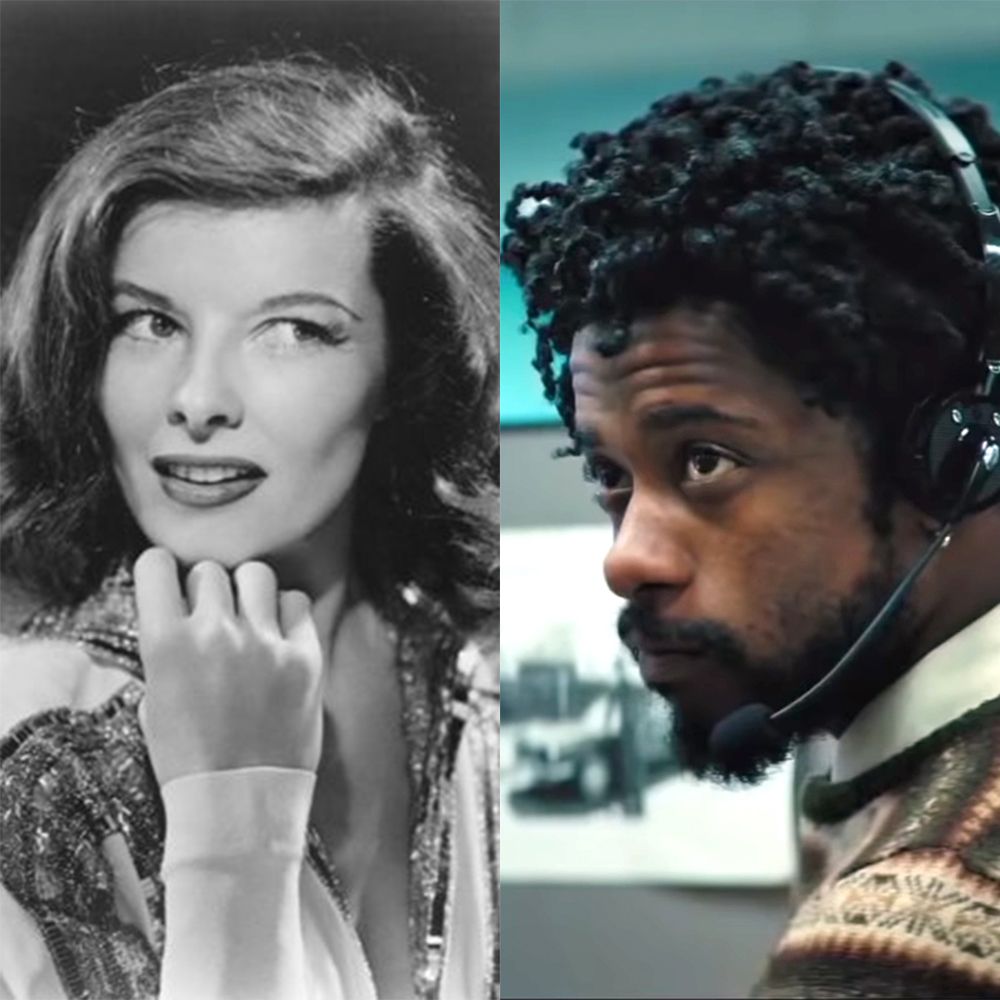
43: 'White voice' and hearing whiteness as difference, not the standard episode artwork

EPISODE · Oct 16, 2018 · 5 MIN

43: 'White voice' and hearing whiteness as difference, not the standard

from Berkeley Voices

In the 1940s and 50s, actors in major American films, like Katharine Hepburn and Jimmy Stewart, spoke with a kind of faux British accent as a way to sound “upper class.” This pronunciation spread across the country as a kind of standard to imitate. The problem was, this way of talking left out nearly all actual American voices, says Tom McEnaney, a UC Berkeley professor who teaches a class called “Sounding American.”While the class talks about the generational differences of sound — no one today really speaks like movie stars of the 40s — they also discuss how today’s filmmakers, like Boots Riley in “Sorry to Bother You,” are pushing back against the racial norms concealed in what we might say sounds American. McEnaney says the film, about a young black telemarketer who uses his “white voice” to be successful at sales, takes the sense that many people have — that whiteness is a kind of invisible standard against which all other cultures are judged in the U.S. — and makes the audience think about how whiteness is audible, and is another kind of difference.Listen to the story on UC Berkeley News: https://news.berkeley.edu/2018/10/16/white-voice-and-the-american-sound/ Hosted on Acast. See acast.com/privacy for more information.

In the 1940s and 50s, actors in major American films, like Katharine Hepburn and Jimmy Stewart, spoke with a kind of faux British accent as a way to sound “upper class.” This pronunciation spread across the country as a kind of standard to imitate. The problem was, this way of talking left out nearly all actual American voices, says Tom McEnaney, a UC Berkeley professor who teaches a class called “Sounding American.”While the class talks about the generational differences of sound — no one today really speaks like movie stars of the 40s — they also discuss how today’s filmmakers, like Boots Riley in “Sorry to Bother You,” are pushing back against the racial norms concealed in what we might say sounds American. McEnaney says the film, about a young black telemarketer who uses his “white voice” to be successful at sales, takes the sense that many people have — that whiteness is a kind of invisible standard against which all other cultures are judged in the U.S. — and makes the audience think about how whiteness is audible, and is another kind of difference.Listen to the story on UC Berkeley News: https://news.berkeley.edu/2018/10/16/white-voice-and-the-american-sound/ Hosted on Acast. See acast.com/privacy for more information.

NOW PLAYING

43: 'White voice' and hearing whiteness as difference, not the standard

0:00 5:38

No transcript for this episode yet

We transcribe on demand. Request one and we'll notify you when it's ready — usually under 10 minutes.

LE HAWKESBURY SOCIAL ’BACK TO LIFE’ ADAM STACEY Welcome to the ‘Le Hawkesbury Social’, 'Back to Life’ a space where we celebrate life in all its colors: happiness, joy, love, connection, and even the moments of sadness that make us human. A space where we celebrate life in all its colors: happiness, joy, love, connection, and even the moments of sadness that make us human. Hosted by a passionate mental health advocate, this show dives deep into the topics that truly matter to today’s culture and community. Each episode offers honest conversations, thoughtful reflections, and real stories that bring people together. Whether you’re here for mental health discussions, community connections, or just looking to feel seen and heard in a fast-paced world, you’re in the right place. Adam believes in building a diverse and inclusive community where voices from every background can come together, share, and support one another. That’s why every Wellness Podcast, we open the mic to local community partners, support services, and inspiring voi Collateral Lateral Magazine Collateral is a collection of new voices exploring every aspect of human life, from the details of our everyday lives to parts of the wider world we never properly consider. The Two Cents Podcast with Penny Hardaway One Cent Media NBA icon and head coach of the University of Memphis Tigers, Penny Hardaway has become on for the most unique and respected voices in the game.On the The Two Cents Podcast, Penny is joined by players, coaches and personalities from across the basketball landscape, bringing their unique perspectives together to give us the most compelling and informative hoops discussions on the game. From the AAU, to the NCAA, the NBA, international competitions, and beyond, they’re breaking down the game — the one on the court to the one played off it — to bring us inside the game, connecting generations through experience, insight and legacy. The Injury Prevention Academy Podcast DORN Companies Welcome to The Injury Prevention Academy Podcast with DORN!Tune in for your ultimate source of cutting-edge insights on workplace injury prevention, safety, ergonomics and wellness. Hosted by DORN and Cheryl Roy, this podcast is your go-to destination for staying informed about the latest news, trends, and data in the realm of employee well-being and workplace safety.Join us as we bring you expert interviews and thought-provoking discussions with leading voices in the field. Our goal? Empowering you to create safer, healthier work environments for your valued employees.🌟 Key Highlights 🌟🔍 Stay Updated: Get the freshest news and data surrounding workplace injury prevention, ergonomics and safety.🧠 Expert Insights: Discover valuable insights from experts covering pain management, injury prevention, safety programs and technology.🤝 Supportive Strategies: Gain actionable strategies to prioritize the safety and well-being of your employees.Whether you're a business owner, HR prof

Frequently Asked Questions

How long is this episode of Berkeley Voices?

This episode is 5 minutes long.

When was this Berkeley Voices episode published?

This episode was published on October 16, 2018.

What is this episode about?

In the 1940s and 50s, actors in major American films, like Katharine Hepburn and Jimmy Stewart, spoke with a kind of faux British accent as a way to sound “upper class.” This pronunciation spread across the country as a kind of standard to imitate....

Can I download this Berkeley Voices episode?

Yes, you can download this episode by clicking the download button on the episode player, or subscribe to the podcast in your preferred podcast app for automatic downloads.
URL copied to clipboard!