
EPISODE · Mar 23, 2022 · 46 MIN
45: Why Ron Chew Believes Museums Should Be Cultural Centers, Not Just Store Artifacts
from ART IS CHANGE: Strategies & Skills for Activist Artists & Cultural Organizers
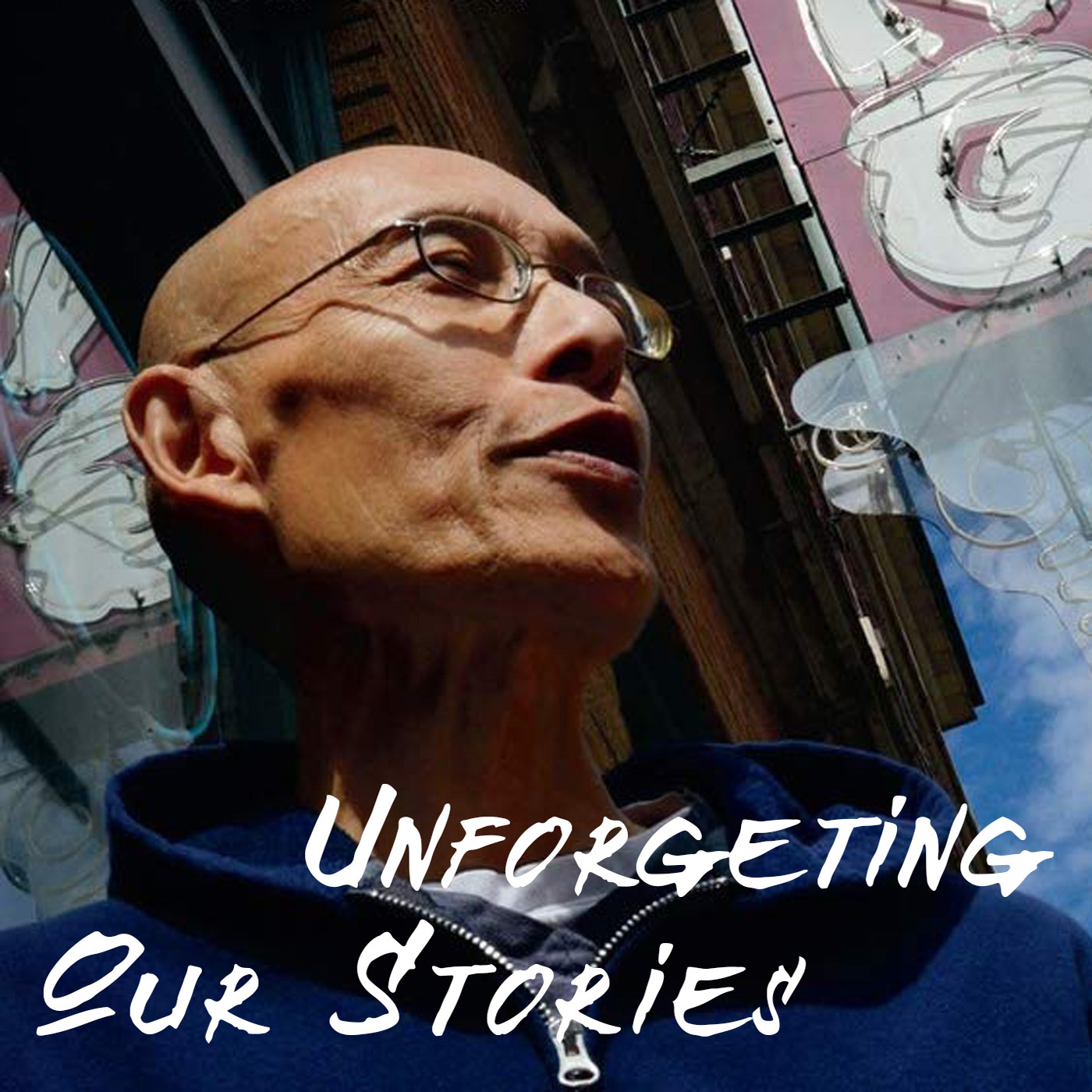
Can a museum be a force for social change? Can history heal? Can our stories be unforgotten? Ron Chew says, "YES!, YES! YES!, and Much More!" Ron Chew has spent his life telling stories. Stories that reveal hidden history. Stories that inspire and mobilize. Stories that nurture and heal. The power of these stories has improved the lives of Seattle's Asian Pacific Islander Community, and by extension help that city reckon with its unsettling history with that community. Notable MentionsChinese Exclusion Act: The Chinese Exclusion Act was a United States federal law signed by President Chester A. Arthur on May 6, 1882, prohibiting all immigration of Chinese laborers. Exclusion was repealed by the Magnuson Act on December 17, 1943, which allowed 105 Chinese to enter per year. Chinese immigration later increased with the passage of the Immigration and Nationality Act of 1952, which abolished direct racial barriers, and later by the Immigration and Nationality Act of 1965, which abolished the National Origins Formula.[3]Wing Luke Museum: is a history museum in Seattle, Washington, United States, which focuses on the culture, art and history of Asian Pacific Americans. It is located in the city's Chinatown-International District. Established in 1967, the museum is a Smithsonian Institution affiliate and the only pan-Asian Pacific American community-based museum in the country.[1][2] It has relocated twice since its founding, most recently to the East Kong Yick Building in 2008. In February 2013 it was recognized as one of two dozen affiliated areas of the U.S. National Park Service.[3],Chinatown International District: The Chinatown–International District of Seattle, Washington (also known as the ID) is the center of Seattle's Asian American community. Within the Chinatown International District are the three neighborhoods known as Seattle's Chinatown, Japantown and Little Saigon, named for the concentration of businesses owned by people of Chinese, Japanese and Vietnamese descent, respectively. International Examiner: is a free biweekly Asian American newspaper based in Seattle, Washington's International District. It was founded in 1974 by Gerald Yuasa and Lawrence Imamura to serve what the founders thought were the business interests of the Asian American community in Seattle's International District.In 1975, the Examiner was purchased by the Alaska Cannery Workers Association for $1 and became an activist, community-based newspaper. Wah Mee Massacre: was a multiple homicide that occurred during the night of February 18–19, 1983, in which Kwan Fai "Willie" Mak, Wai-Chiu "Tony" Ng, and Benjamin Ng (no relation) bound, robbed, and shot fourteen people in the Wah Mee gambling club at the Louisa Hotel in Chinatown-International District, Seattle. Thirteen of their victims died, but Wai Chin, a dealer at the Wah Mee, survived to testify against the three in the separate high-profile trials held in 1983 and 1985. It is the deadliest mass murder in Washington state history.King Dome controversy: Completed in 1976, the Kingdome was Seattle Washington’s first professional sports venue. During the Kingdome's official groundbreaking ceremonies on November 2, 1972, some 25 young Asian protesters hurled mudballs at the dignitaries in attendance. Several hundred spectators watched as County Executive Spellman's speech drew chants -- "Stop the Stadium!" Dissent continued throughout the stadium's construction. International District groups prepared for the worst, thinking the Kingdome would overwhelm the scale of their neighborhood, create noise and light pollution, clog the district with traffic, and escalate parking problems.Wing Luke: Wing Chong Luke is a pioneer in Asian American politics. In 1962, at the age of 37, Luke, despite an active smear campaign, became the first person of Asian ancestry elected to public office in the Pacific Northwest and the first person of color elected to the Seattle City Council.U S office of War Information: The United States Office of War Information (OWI) was a United States government agency created during World War II. The OWI operated from June 1942 until September 1945. Through radio broadcasts, newspapers, posters, photographs, films and other forms of media, the OWI was the connection between the battlefront and civilian communities. The office also established several overseas branches, which launched a large-scale information and <a...
Embed this episode
What this episode covers
Can a museum be a force for social change? Can history heal? Can our stories be unforgotten? Ron Chew says, "YES!, YES! YES!, and Much More!" Ron Chew has spent his life telling stories. Stories that reveal hidden history. Stories that inspire and mobilize. Stories that nurture and heal.
Ready to play
45: Why Ron Chew Believes Museums Should Be Cultural Centers, Not Just Store Artifacts
No transcript for this episode yet
Similar Episodes
No similar episodes found.
Similar Podcasts
No similar podcasts found.