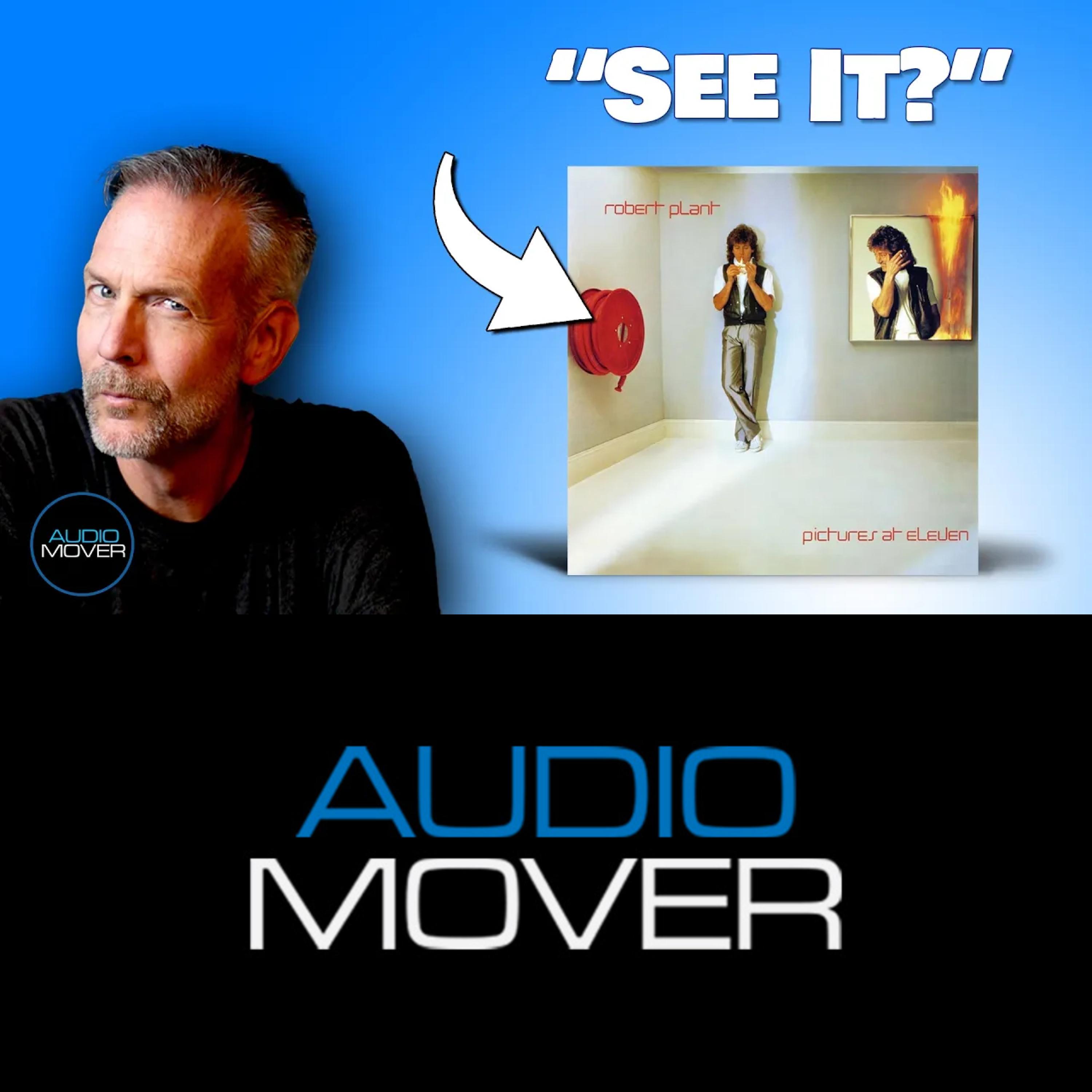
#483 - Robert Plant - His Bizarre Debut - STRANGE DETAILS episode artwork

EPISODE · May 4, 2026 · 42 MIN

#483 - Robert Plant - His Bizarre Debut - STRANGE DETAILS

from Audiomover - Moving the Past into the Awesome! · host AudioMover

Robert John Hadfield digs into one of the most fascinating “what now?” moments in rock history—when Robert Plant stepped out of Led Zeppelin’s shadow and released Pictures at Eleven. At first listen, it didn’t make sense to a lot of fans—including Robert John himself as a 13-year-old hearing it for the first time. But over time, the album reveals layers: not just musically, but visually and symbolically. From the mysterious album cover to the deeper meaning behind the title, this episode explores whether Pictures at Eleven was more than just a debut—it may have been Plant consciously closing one chapter and lighting the next. Along the way, Robert uncovers surprising connections—from Phil Collins quietly sitting behind the drum kit at the height of his own fame, to hidden studio and production links tying together albums by Rush and Lou Gramm. This isn’t just a review—it’s a deep dive into identity, transition, and the strange pressure of following one of the biggest bands in history. ⏱️ Timestamps 0:00 – The burning clue on the album cover 0:19 – Rock trivia challenge (Plant, Rush, Lou Gramm) 1:38 – A 13-year-old’s first confusing listen 3:12 – Why the album cover made no sense (at first) 3:58 – “Pictures at 11” meaning explained 5:20 – The real story: ending Zeppelin, starting over 6:45 – The cigarette theory (old vs. new Plant) 7:37 – Past vs. present symbolism revealed 8:43 – Inside artwork continues the story 9:47 – Wait… is that really Phil Collins?! 10:29 – Rock star hierarchy: when Plant calls 12:21 – The hidden “Baker Street” connection 14:20 – Hit Parader interview breakdown 20:02 – Why Plant refused a “supergroup” approach 22:30 – Is this a lost Led Zeppelin direction? 24:07 – The impossible pressure of following Zeppelin 25:50 – Cozy Powell vs. Phil Collins impact 27:45 – Why Plant refused to tour (at first) 28:46 – “I ain’t gonna play Zeppelin songs…” 29:29 – Will Led Zeppelin ever reunite? 33:02 – Plant as producer: no safety net anymore 37:58 – Trivia answers: studio + producer connections 39:24 – Phil Collins’ 1982 album revealed 40:17 – Coda release timing vs. Plant’s debut 40:58 – Final thoughts + audience question 🔥 Hashtags #RobertPlant #LedZeppelin #PhilCollins #ClassicRock #AlbumArt #RockHistory #Audiomover #Rush #LouGramm

Robert John Hadfield digs into one of the most fascinating “what now?” moments in rock history—when Robert Plant stepped out of Led Zeppelin’s shadow and released Pictures at Eleven. At first listen, it didn’t make sense to a lot of fans—including Robert John himself as a 13-year-old hearing it for the first time. But over time, the album reveals layers: not just musically, but visually and symbolically. From the mysterious album cover to the deeper meaning behind the title, this episode explores whether Pictures at Eleven was more than just a debut—it may have been Plant consciously closing one chapter and lighting the next. Along the way, Robert uncovers surprising connections—from Phil Collins quietly sitting behind the drum kit at the height of his own fame, to hidden studio and production links tying together albums by Rush and Lou Gramm. This isn’t just a review—it’s a deep dive into identity, transition, and the strange pressure of following one of the biggest bands in history. ⏱️ Timestamps 0:00 – The burning clue on the album cover 0:19 – Rock trivia challenge (Plant, Rush, Lou Gramm) 1:38 – A 13-year-old’s first confusing listen 3:12 – Why the album cover made no sense (at first) 3:58 – “Pictures at 11” meaning explained 5:20 – The real story: ending Zeppelin, starting over 6:45 – The cigarette theory (old vs. new Plant) 7:37 – Past vs. present symbolism revealed 8:43 – Inside artwork continues the story 9:47 – Wait… is that really Phil Collins?! 10:29 – Rock star hierarchy: when Plant calls 12:21 – The hidden “Baker Street” connection 14:20 – Hit Parader interview breakdown 20:02 – Why Plant refused a “supergroup” approach 22:30 – Is this a lost Led Zeppelin direction? 24:07 – The impossible pressure of following Zeppelin 25:50 – Cozy Powell vs. Phil Collins impact 27:45 – Why Plant refused to tour (at first) 28:46 – “I ain’t gonna play Zeppelin songs…” 29:29 – Will Led Zeppelin ever reunite? 33:02 – Plant as producer: no safety net anymore 37:58 – Trivia answers: studio + producer connections 39:24 – Phil Collins’ 1982 album revealed 40:17 – Coda release timing vs. Plant’s debut 40:58 – Final thoughts + audience question 🔥 Hashtags #RobertPlant #LedZeppelin #PhilCollins #ClassicRock #AlbumArt #RockHistory #Audiomover #Rush #LouGramm

NOW PLAYING

#483 - Robert Plant - His Bizarre Debut - STRANGE DETAILS

0:00 42:05

No transcript for this episode yet

We transcribe on demand. Request one and we'll notify you when it's ready — usually under 10 minutes.

Frequently Asked Questions

How long is this episode of Audiomover - Moving the Past into the Awesome!?

This episode is 42 minutes long.

When was this Audiomover - Moving the Past into the Awesome! episode published?

This episode was published on May 4, 2026.

What is this episode about?

Robert John Hadfield digs into one of the most fascinating “what now?” moments in rock history—when Robert Plant stepped out of Led Zeppelin’s shadow and released Pictures at Eleven. At first listen, it didn’t make sense to a lot of fans—including...

Is there a transcript available for this episode?

Yes, a full transcript is available for this episode. You can read the complete transcript on the episode page.

Can I download this Audiomover - Moving the Past into the Awesome! episode?

Yes, you can download this episode by clicking the download button on the episode player, or subscribe to the podcast in your preferred podcast app for automatic downloads.
URL copied to clipboard!