
PODCAST · music
Audiomover - Moving the Past into the Awesome!
by Robert John Hadfield
Rock music history from magazines, newspapers and vinyl! Ranging from the 60s to the 90s. Find us at audiomover.com and various social media platforms.
-
50
#503 - KISS - THEY DIDN'T WANT YOU TO KNOW - Behind the Scenes Exposed
Robert John Hadfield examines a 1983 Hit Parader article about KISS during the Creatures of the Night era, when the band was publicly insisting everything was fine while privately dealing with collapsing ticket sales, internal conflict, changing members, and the fallout from Dynasty, Unmasked, and Music from “The Elder.” Using quotes from the article alongside later revelations from Paul Stanley and Gene Simmons’ books, this episode compares the public-relations version of KISS history with what the band members later admitted was really happening. Robert looks at Peter Criss’ departure, Ace Frehley’s absence from Creatures of the Night, Vinnie Vincent’s early role, Bill Aucoin’s painful exit, and why KISS had to remove the makeup and reinvent themselves with Lick It Up. 00:00 – Gene Simmons’ 1983 spin on KISS trouble 00:37 – Robert John Hadfield introduces the Hit Parader article 01:45 – AudioMover rock trivia challenge 02:31 – “Masked marauders deny rumors of breakup” 03:23 – Why KISS went “heavy” again 04:31 – Paul Stanley on empty arenas during the Creatures tour 05:53 – Dynasty, Unmasked, and The Elder: three albums that lost fans 07:52 – Creatures of the Night vs. Iron Maiden’s Number of the Beast 09:33 – KISS as a corporation and the trademarked logo 11:40 – Gene Simmons’ fire-breathing origin story 14:16 – Bob Ezrin, Beth, Destroyer, and The Elder 15:29 – “I Was Made for Lovin’ You” and the disco problem 16:29 – Paul Stanley on KISS becoming too kid-friendly 19:33 – The real story behind Peter Criss leaving KISS 21:31 – The Elder and chasing critical approval 22:51 – Gene’s public claim about Ace Frehley 23:32 – Gene later admits Ace played nothing on Creatures 24:19 – Vinnie Vincent joins KISS 24:43 – Paul Stanley’s brutal take on Vinnie’s guitar solos 25:37 – The split with manager Bill Aucoin 27:19 – Morale, breakup rumors, and the end of the makeup era 28:32 – How Lick It Up saved KISS 29:07 – Trivia answers: Killers, Neil Bogart, Bryan Adams and Jim Vallance 31:10 – Final thoughts and Digitech thanks
-
49
#502 - BOSTON - How I Became Friends with the Band - AMAZING FAN STORY
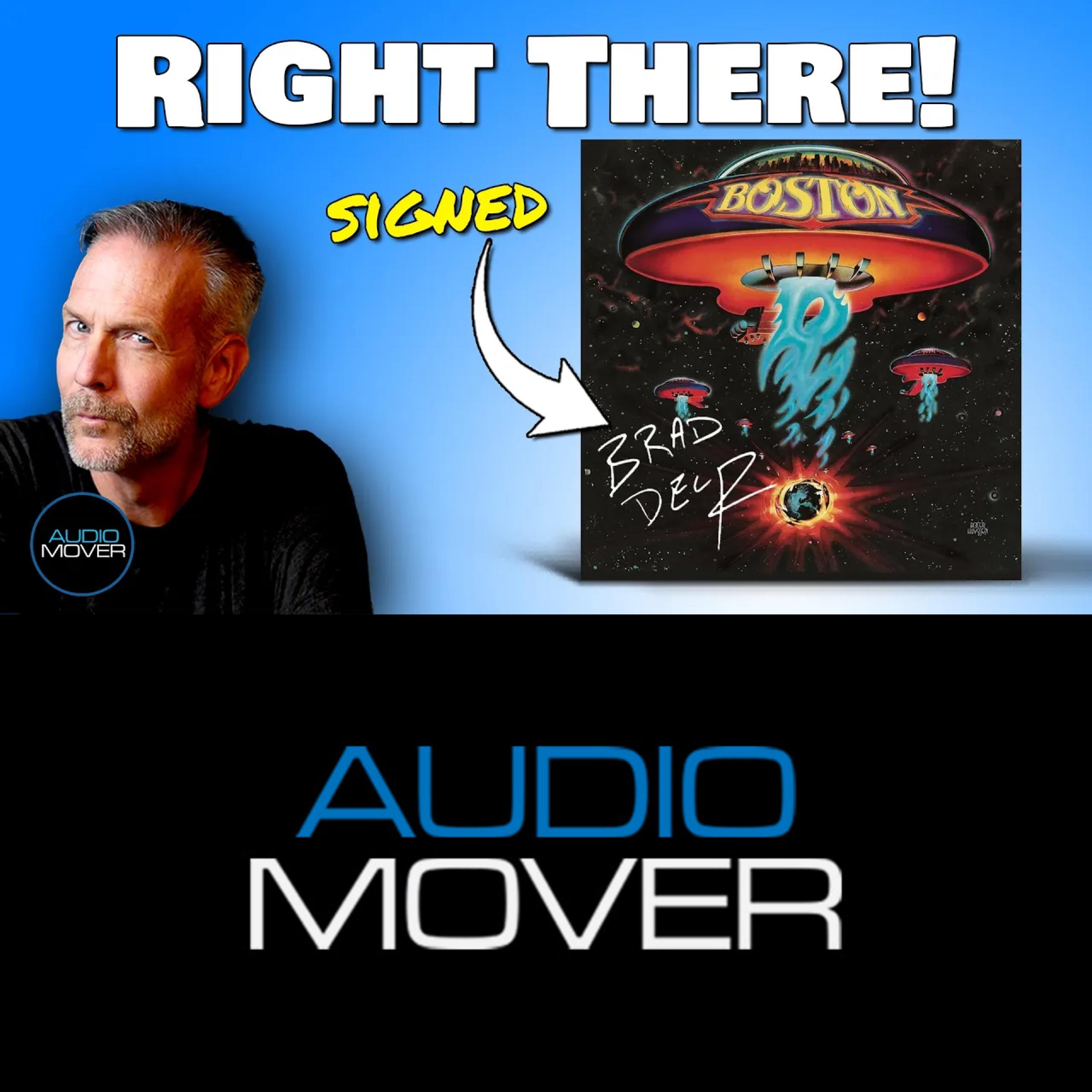
What happens when a die-hard fan creates a website for their favorite band... and ends up backstage with the band itself? In this episode, Robert sits down with longtime friend Troy Bartlett, whose passion for Boston led to one of the most remarkable fan stories you'll ever hear. What started in the mid-1990s as a simple fan website (Boston.org) eventually opened doors to personal relationships with members of the band, backstage access, exclusive rehearsals, and unforgettable encounters with the legendary Brad Delp and Tom Scholz. Troy shares how a group of fans launched one of the earliest Boston fan communities on the internet, how the band itself became involved, and how that journey led to decades of unique experiences. Along the way, he reveals rare photographs, signed memorabilia, behind-the-scenes stories from the Brad Delp tribute concert, rehearsals for Boston's Fiesta Bowl performance, and even the surprising story behind Robert's own Brad Delp autograph. The conversation also explores Brad Delp's reputation as one of rock's kindest souls, Tom Scholz's genius as both a musician and engineer, and the incredible legacy of Boston's first three albums. Fans will also enjoy obscure trivia, including how to identify an original pressing of Third Stage and stories about the many musicians who passed through Boston over the years. Whether you're a lifelong Boston fan or simply love hearing stories about how passion can create unexpected opportunities, this episode is a fascinating look at the intersection of fandom, friendship, and classic rock history. Chapters 0:00 Brad Delp autograph and a Red Rocks memory 0:53 Troy's connection to Boston begins 1:35 Creating Boston.org in the early internet era 3:45 How the website led to backstage access 4:39 Meeting Brad Delp for the first time 5:17 Rare photos and memorabilia collection 5:31 The famous green apple photo of Brad Delp 6:54 Capturing "The Big Note" during More Than a Feeling 7:41 Brad Delp tribute concert stories 8:38 The three Boston bass players together 9:18 Boston's drummers through the years 10:59 Michael Sweet, Tommy DeCarlo, and the post-Brad era 12:35 Signed memorabilia and personal memories 13:15 How fandom became friendship 14:35 Behind-the-scenes at the Fiesta Bowl rehearsal 15:45 Tom Scholz's legendary "hyperspace pedal" 16:55 The kindness of Tom Scholz and the Boston family 17:25 Troy's name appears in a Boston CD booklet 18:01 Why Boston's debut album remains legendary 19:55 The anticipation surrounding Third Stage 20:07 Rare Third Stage first-printing trivia 21:49 The iconic organ spaceship stage prop 22:28 Final thoughts on Boston's enduring legacy
-
48
#501 - RUSH Signals - THE DALMATION and THE MAP - Crazy Connections
Rush fans got a special surprise when the surviving members reunited to perform songs from their legendary catalog, and seeing "Subdivisions" performed again inspired Robert to take a deep dive into one of the most fascinating album covers in rock history: Signals. In this episode, he explores the hidden details and Easter eggs buried within the album's back-cover artwork, from references to Neil Peart, Geddy Lee, and Alex Lifeson, to baseball nods, lyrical connections, and the deeper symbolism behind the famous Dalmatian-and-fire-hydrant imagery. The video then shifts to a rare backstage interview conducted before Rush's December 1982 Madison Square Garden performances and a contemporary newspaper review written immediately after the show. Along the way, Robert uncovers how Rush balanced technological ambition with practicality during the Signals tour, why "Subdivisions" resonated so deeply with outsiders and dreamers, and how critics viewed the band at the height of their creative powers. The discussion culminates with a fascinating observation from a concert reviewer who suggested that Rush wasn't merely making albums—they were creating monuments. It's a thought-provoking look at how Rush's music, artwork, and philosophy combined to create something far larger than a typical rock band. Chapters 0:00 Hidden secrets on the Signals album artwork 1:10 Backstage at Madison Square Garden, 1982 1:49 Rush trivia challenge begins 2:58 The nicknames hidden in the subdivision map 3:49 Baseball references and Geddy Lee's fandom 4:26 Lyrics from "Subdivisions" embedded in the artwork 5:25 The mysterious yellow lines and fire hydrants 6:02 How the iconic Dalmatian cover photo was created 7:45 The surprising symbolism behind the artwork 8:35 "Subdivisions" and the dreamer versus conformity 11:25 Rare backstage interview with Rush before the show 12:48 Touring with a reduced crew during the Signals tour 13:40 Rush takes the stage at Madison Square Garden 14:51 Video effects, "Subdivisions," and audience reaction 16:04 The setlist and focus on Rush's newer material 16:58 Alex Lifeson discusses possible solo projects 18:28 Newspaper review: "A Night's Rocking with Rush" 19:58 Why Rush appealed to so many different people 21:27 A review praising Rush's live performance quality 22:43 Criticism, virtuosity, and progressive rock 23:01 "Rather than albums, they sought to create monuments" 24:42 Why Rush's songs worked so well live 25:42 Neil Peart's lyrics and critical reception 27:07 Why "Subdivisions" became Rush's defining outsider anthem 27:39 Trivia answers revealed 29:38 Ben Mink and the electric violin on "Losing It"
-
47
#500 - THIS WILL BLOW YOUR MIND - Hit Parader with RATT, Motley Crue, KISS
In this nostalgic trip back to March 1985, Robert John Hadfield flips through a vintage Hit Parader magazine featuring Nikki Sixx of Mötley Crüe and Robin Crosby of Ratt on the cover. Along the way, he explores the state of hard rock and heavy metal at one of the genre's most exciting moments, sharing personal memories, opinions, and stories about bands like Mötley Crüe, Ratt, Iron Maiden, Queensrÿche, Black Sabbath, Def Leppard, Scorpions, Twisted Sister, Black and Blue, and many more. The video is packed with observations about forgotten bands, classic advertisements, mail-order merchandise, guitar lessons by mail, fan culture, and the unique fashion of the mid-1980s metal scene. Robert reflects on concerts he attended, albums that shaped his musical tastes, and the excitement of discovering new music through magazines like Hit Parader. Along the way, viewers are challenged with 1985-themed rock trivia, including questions about Mötley Crüe's Theatre of Pain, the MTV Video Music Awards, and major album releases of the year. Robert also shares stories about modeling gigs, collecting records, and the memories triggered by vintage music journalism. The episode concludes with the trivia answers and an unboxing of a newly acquired vinyl copy of Metallica's ...And Justice for All, setting the stage for future discussions about the band's evolution and the Fleming Rasmussen production era. Chapters 0:00 Introduction & 1985 Rock Trivia Challenge 1:31 March 1985 Hit Parader Cover Story 2:20 Raven, Black and Blue, and Early Magazine Highlights 3:05 KISS, Mark St. John & Mid-80s KISS Era 4:00 Y&T, Kick Axe & Underrated Metal Bands 5:02 Armored Saint, Saxon & Rock Books 5:34 Billy Idol, Night Ranger & Judas Priest 6:38 Fastway, Loudness & Black Sabbath's Turbulent Years 8:52 Queensrÿche During The Warning Era 9:32 Krokus, Fender Ads & Hondo Guitars 11:08 Guitar Lessons by Mail & Blackfoot 12:09 Metal Blade Records, Helix & Mail-Order Culture 13:13 Iron Maiden's Rise to Metal Supremacy 14:18 Posters, Shirts & Fan Merchandise Memories 15:10 Lemmy's Record Reviews & Hondo Metal Guitars 16:16 West Coast Metal Explosion: Black and Blue, Rough Cutt & W.A.S.P. 18:17 Why Black and Blue Deserved More Attention 18:58 White Sister, Honeymoon Suite & Forgotten Bands 20:04 Jimmy Page, The Firm & Led Zeppelin's Legacy 20:37 Armored Saint Revisited 21:01 Ratt Before Invasion of Your Privacy 22:08 David Lee Roth & The Coming Van Halen Split 23:07 Mötley Crüe During the Shout at the Devil Era 24:02 AC/DC Reader Questions & Import Metal Releases 25:26 Twisted Sister, Dee Snider & Stay Hungry 27:10 Fender Merchandise & 1980s Wristband Fashion 27:57 Quiet Riot's Condition Critical Era 28:56 Scorpions & First Hearing "Rock You Like a Hurricane" 30:20 Vintage Gear Ads & Electronic Drums 32:02 Def Leppard Between Pyromania and Hysteria 33:33 Favorite Songs, Cheap Trick & W.A.S.P. 35:00 Grim Reaper, Billy Squier & Billy Idol 36:38 Guitar Giveaways, Kix & Metal Fashion 38:17 Heavy Metal Heroes & Fan Collectibles 39:02 Vincent Cusano Trivia & Julian Lennon Memories 40:04 Robert's Modeling Career Stories 42:02 More Mail-Order Memories & Magazine Culture 43:04 Iron Maiden, Ratt & Reader Polls 44:42 Autograph's "Turn Up the Radio" 45:04 Trivia Answers Revealed 47:00 Vinyl Unboxing: Metallica's ...And Justice for All 47:49 What Should Be Included in a Future Metallica Video? Featured Artists: Mötley Crüe, Ratt, Iron Maiden, Queensrÿche, Black Sabbath, Def Leppard, KISS, Scorpions, Twisted Sister, Black and Blue, Rough Cutt, W.A.S.P., Quiet Riot, Judas Priest, Billy Idol, David Lee Roth, Van Halen, Metallica, and many more.
-
46
#499 - Quiet Riot - THIS WILL BLOW YOUR MIND - Kevin Rips on 80s Metal Bands
Why did Quiet Riot become the first metal band to reach the top of the charts—and why does it feel like history barely remembers them? In this episode, Robert John Hadfield explores the story behind Metal Health, the arrogance and controversy of Kevin DuBrow, and the strange chain of events connecting the band to Ozzy Osbourne, Randy Rhoads, and the explosion of 1980s heavy metal. Along the way, we revisit old magazines, chart history, forgotten interviews, and ask whether Quiet Riot deserves far more respect than they usually receive. Plus: trivia, rare album connections, and a look at future video topics. Chapters: 0:00 – The forgotten importance of Quiet Riot 1:06 – AudioMover rock trivia challenge begins 2:19 – Why Metal Health changed heavy metal history 3:08 – Does Quiet Riot get enough respect? 4:05 – The strange disappearance of Quiet Riot from rock history books 5:10 – The moment Metal Health reached #1 5:59 – The infamous Kevin DuBrow interview begins 7:03 – Opening for Black Sabbath while becoming #1 8:50 – Kevin DuBrow attacks other LA bands 9:43 – Why he criticized Ratt and others 10:43 – Did Quiet Riot create the metal boom? 12:50 – Why Quiet Riot felt overlooked after Van Halen exploded 14:00 – The early history of Quiet Riot and Randy Rhoads 15:14 – The complicated Quiet Riot / Ozzy connection 17:54 – More Kevin DuBrow arrogance and frustration 19:54 – Did Quiet Riot build success off Randy Rhoads? 20:45 – What happened to Ozzy’s fired band members? 21:49 – Different reactions to fame inside Quiet Riot 23:14 – Kevin predicts his future after success 24:13 – Does struggle create better music? 25:11 – Why “I Hope It Annoys You” captured an era 27:05 – Trivia answers revealed 29:34 – Opening records and future video ideas 30:53 – Final thoughts and viewer discussion
-
45
#498 - Journey Departure - STRANGE FACTS and BIG CHANGES - Neal Didn't Even Know!
Journey's Departure: The Album That Almost Wasn't the End Robert John Hadfield digs into one of the most fascinating moments in Journey history: the release of Departure in 1980, the final studio album featuring founding member Greg Rolie. Using a vintage 1980 magazine interview with Neal Schon, this episode captures a band standing on the edge of superstardom—successful, respected, and growing rapidly, yet still unaware that their biggest breakthrough was just around the corner. The discussion explores Neal Schon's remarkable journey from teenage guitar prodigy in Santana to co-founder of Journey, along with the band's evolution from a struggling cult favorite into an arena-rock powerhouse. Along the way, Robert uncovers surprising connections between Journey and Queen, examines the iconic album artwork created by the legendary Kelly/Mouse team, and highlights comments from Schon that, in hindsight, reveal tensions already forming within the band. What seemed like confidence about Journey's future lineup would soon collide with Greg Rolie's departure and the arrival of Jonathan Cain. The episode also dives into the psychology of band dynamics, Steve Perry's growing influence, the transition from the 1970s into the 1980s, and how Departure became a pivotal stepping stone toward Escape, Don't Stop Believin', and Journey's transformation into one of the biggest rock bands in the world. Add in some rock trivia, vintage album analysis, and a surprise record unboxing, and you've got a nostalgic deep dive into a critical turning point in classic rock history. Chapters 00:00 Journey's Hidden Turning Point 00:30 Why Departure Matters 01:00 Rock Trivia Challenge Begins 02:04 Neal Schon Before Journey 03:18 Santana, Greg Rolie, and Origins 04:12 Clapton vs. Santana Opportunity 05:16 How Journey Was Formed 06:12 The "Trilogy" Debate 07:15 Album Art and Kelly/Mouse 09:11 Journey Chases New Directions 09:44 Why "Any Way You Want It" Sounded Different 11:02 Robert's Personal Journey Memories 13:29 Recording Departure in Three Weeks 14:14 Journey's Surprising Queen Connections 15:35 The Album That Could Change Everything 16:00 Before Journey Became Superstars 17:07 Building Success the Hard Way 18:39 AM Radio vs. FM Radio Era 20:48 The New 1980s Journey Look 22:13 Steve Perry's Growing Influence 23:24 Greg Rolie's Difficult Position 24:20 The Quarterback Analogy 27:03 Journey's Simplified Stage Design 28:39 Neal Schon on Never Being Satisfied 30:15 Personnel Changes and Band Growth 31:25 "This Is the Final Lineup" 32:11 The Ego and Tension Discussion 33:15 Aggression with Feeling 34:25 What Happened Next? 34:48 Trivia Answers Revealed 35:50 The Forgotten Journey Soundtrack 37:29 Greg Rolie's Final Vocal Performance 38:03 Sponsor Message and Closing
-
44
#497 - SUCCESSFUL FAILURE - Black Sabbath Heaven and Hell
Robert John Hadfield dives into one of the most important reinventions in heavy metal history: the moment Black Sabbath returned home to Birmingham without Ozzy and somehow survived the impossible. Using a vintage circus magazine article as a guide, this episode explores the fear, tension, skepticism, and ultimate triumph surrounding the arrival of Ronnie James Dio and the creation of one of heavy metal’s greatest comeback albums. From industrial Birmingham and postwar scars to dry ice stage effects, flaming crosses, iconic album artwork, and the complicated shadow of Ozzy Osbourne, this episode becomes much more than a simple album review. It’s a story about reinvention, risk-taking, and how heavy metal itself was quietly preparing for a massive resurgence in 1980. Along the way, Robert revisits forgotten stories, trivia, personal memories, and uncovers why Heaven and Hell may have saved Black Sabbath when many assumed they were finished. Chapters: 00:00 – Why Heaven and Hell Changed Everything 00:42 – Black Sabbath Trivia Challenge Begins 01:35 – “Black Sabbath Rises From The Dead” 02:24 – Returning Home To Birmingham 03:12 – Why Birmingham Created Heavy Metal 05:24 – Dry Ice, Fog Effects & Primitive Stage Magic 06:22 – First Birmingham Show Without Ozzy 07:01 – Could Ronnie James Dio Replace Ozzy? 08:26 – Ozzy’s Shadow Still Looms Large 09:18 – Inside The Crowd At Birmingham 10:01 – The Giant Flaming Cross Story 10:47 – When The Cross Refused To Catch Fire 11:33 – Dio Sings The Ozzy Era Classics 12:06 – Robert’s First Experience Hearing Dio Sabbath 12:42 – The Fascinating Story Behind The Album Cover 14:10 – The Blue Öyster Cult Connection 15:41 – The Real Origin Of Smoking Angels 16:57 – The Devil Horns Debate Begins 18:57 – Why Dio Made The Horns His Trademark 19:19 – “You’ll Never Walk Alone” Mystery 20:36 – Why Dio Actually Worked In Sabbath 22:23 – Heavy Metal Was Supposed To Be Dead 23:03 – Did Sabbath Push Ozzy Out? 24:00 – Dave Walker Before Dio 24:51 – Why “Children Of The Sea” Mattered 25:37 – Geezer Butler Leaves… Then Returns 27:12 – Martin Birch And The Florida Sessions 28:07 – Black Sabbath And The Satanic Image 30:03 – Why The Dio Era Felt Different 31:34 – How Close Sabbath Came To Breaking Up 33:02 – Ronnie Dio’s Incredible Career Gamble 34:23 – Led Zeppelin Approves The New Sabbath 35:10 – Heavy Metal’s Resurrection Begins 35:47 – Trivia Answers Revealed 36:01 – Bill Ward’s Return To Sabbath 36:48 – Enter Vinnie Appice 37:51 – What Was The Last Song Written? 38:14 – Sneak Peek At The Next Record #BlackSabbath #RonnieJamesDio #HeavenAndHell #HeavyMetal #OzzyOsbourne #ClassicRock #VinylCommunity #AudiomoverRockShow #RobertJohnHadfield #MetalHistory
-
43
#496 - Def Leppard - I WAS THERE, SHE WASN'T - Exposing the Truth
Robert John Hadfield digs into one of the biggest rock albums ever made—but with a twist: what happens when you revisit Def Leppard's Hysteria through the eyes of someone who wasn't even alive when it came out? Together with guest Marin Fuller, Robert opens up a December 1987 magazine article written when Hysteria was still brand new and the world had no idea just how massive it would become. Along the way, they explore the unbelievable obstacles behind the album, debate whether Hysteria is actually Def Leppard’s best work, talk about Rick Allen’s inspiring comeback story, and take a deep dive into forgotten music technology—from cassette limitations and 45 RPM singles to how radio DJs actually cued records before digital music existed. Expect nostalgia, disagreements, vintage magazine reading, record collecting stories, and plenty of “wait… THIS is how music used to work?” moments. Timestamps 0:00 – Why Hysteria changed everything 1:03 – Opening a 1987 magazine time capsule 2:28 – Why Robert thinks High 'n' Dry is better 4:10 – Reading the vintage Hit Parader article 5:30 – Rick Allen’s accident and Def Leppard’s comeback 7:00 – Why album length mattered in the vinyl era 8:25 – Cassette tapes and sound quality explained 10:35 – Did Def Leppard intentionally change their sound? 12:00 – The strange way songwriting credits worked 14:00 – What 45 RPM singles actually were 16:00 – The collectible Def Leppard puzzle singles 17:00 – How radio DJs actually played records 19:50 – Why buying music felt different back then 21:35 – Fans were shocked by Hysteria 23:00 – Did Def Leppard invent the modern rock sound? 24:50 – Why Hysteria sounds different than earlier albums 27:00 – Rick Allen’s unbelievable perseverance story 29:30 – The band’s fear that fans forgot them 31:00 – Robert remembers seeing the tour live Hashtags #DefLeppard #Hysteria #RockHistory #ClassicRock #Vinyl #HairMetal #Pyromania #RickAllen #80sRock #Audiomover
-
42
#495 - KISS - UNCOVERING THE TRUTH About the Solo Albums
This episode dives headfirst into one of the strangest and most important periods in KISS history — that bizarre window between the 1978 solo albums and the release of Dynasty. Robert John Hadfield and guest Jeff Huxford crack open a vintage 1979 magazine article, compare it against what the band members later admitted in their autobiographies, and discover that the official story and the real story may not be quite the same thing. Along the way, the conversation turns into a celebration (and occasional roasting) of the solo albums themselves — especially the battle between Paul Stanley and Ace Frehley for solo album supremacy. Add in old memories, movie nostalgia, discussions about giant egos, superhero mythology, and one of the fastest rises in rock history, and you've got a deep dive into a fascinating moment when KISS was simultaneously at its peak and beginning to crack apart. Timestamps 00:00 – KISS Solo Album Trivia Challenge 01:26 – Why This 1979 Magazine Is Fascinating 02:20 – Ranking The Solo Albums 03:55 – Why Paul’s Solo Album Still Hits Hard 05:33 – The Secret Players Behind The Album 07:33 – KISS Meets The Phantom Memories 08:46 – Reading A 1979 Paul Stanley Interview 10:19 – KISS Built An Empire In Five Years 12:17 – Why KISS Mystique Worked So Well 14:24 – Were The Solo Albums Really A Good Idea? 15:26 – Did KISS Actually Want To Reunite? 17:37 – Gene Simmons And Cher?! 19:18 – Ace Frehley’s Unexpected Rise 20:32 – Did Ace Create Jealousy In The Band? 22:53 – Comparing The Autobiographies 24:24 – The Real Reason Solo Albums Happened 26:17 – Did The Solo Albums Destroy KISS? 27:33 – Gene Simmons Tells A Different Story 29:48 – KISS Meets The Phantom: Success Or Disaster? 31:15 – Why Dynasty Already Signaled Change 33:33 – Which Solo Songs Survived Live? 36:07 – KISS Declares War On Their Competition 38:02 – When KISS Stopped Leading The Pack 39:57 – Preparing For Dynasty #KISS #PaulStanley #AceFrehley #GeneSimmons #PeterCriss #Dynasty #KISSSoloAlbums #ClassicRock #RockHistory #Audiomover #JeffHuxford
-
41
#494 - Iron Maiden vs History - FORGOTTEN TRUE STORY - Powerslave
Iron Maiden, Poland, and the Cracks in the Iron Curtain What did Iron Maiden have to do with the fall of the Soviet Union? In this fascinating episode, Robert John Hadfield dives into the story behind Powerslave and the band’s historic concerts in Poland just weeks before the album’s release. Through vintage newspaper articles, memories of the Cold War, and reflections on music’s ability to transcend borders, this episode becomes much more than an album discussion — it becomes a story about culture, freedom, and connection. Robert explores how Iron Maiden became one of the first major heavy metal bands to perform behind the Iron Curtain, playing concerts in Poland during a tense and transformative moment in history. Along the way, he ties together events involving Lech Wałęsa, the Solidarity movement, nuclear war fears in the 1980s, and songs like “Two Minutes to Midnight.” The episode also includes rock trivia, hidden album-cover references, Bruce Dickinson stories from Poland, and an unboxing tease for a future episode on AC/DC. Timestamps 0:00 — Iron Maiden and World History 0:22 — Powerslave Rock Trivia Challenge 1:24 — Iron Maiden Behind the Iron Curtain 2:10 — Bruce Dickinson’s Poland Stories 3:17 — Lech Wałęsa and Solidarity Context 4:19 — Touring Poland During the Cold War 5:25 — Bruce Dickinson’s Wild Polish Night 6:16 — How Young Iron Maiden Really Was 7:00 — Black Market Iron Maiden Albums 8:20 — Polish Concert Crowds and Security 9:32 — Music Transcending Politics 10:55 — Why Art Connects Humanity 11:32 — Poland, Russia, and Soviet Tension 12:23 — Nuclear War Fears in the 1980s 13:27 — “Two Minutes to Midnight” Revisited 14:34 — Trivia Answers Revealed 15:22 — Martin “Pool Bully” Birch Story 16:14 — Indiana Jones Hidden on Powerslave 16:34 — Surprise Record Unboxing 17:14 — Dirty Deeds Done Dirt Cheap Revealed
-
40
#493 - Van Halen - DID THEY INVENT THE 1980s?
Robert John Hadfield dives into one of the albums that helped define the transition from the 1970s into the hard rock explosion of the 1980s — Women and Children First by Van Halen. Using an incredible vintage issue of Circus Magazine from late 1980, Robert explores the idea that Van Halen may have truly been “the first ’80s band,” while reflecting on the energy, attitude, and larger-than-life charisma that made the group feel so different from everything that came before them. Along the way, Robert shares personal memories of discovering the album as a kid, flipping through records at K-Mart, hearing “And the Cradle Will Rock...” for the very first time, and experiencing that unmistakable feeling of what “real rock and roll” looked and sounded like. The episode also explores David Lee Roth’s showmanship, Eddie Van Halen’s groundbreaking keyboard experiment with the Wurlitzer electric piano, the band’s strategy of selling out venues to create legendary concert atmospheres, and how Van Halen helped reshape arena rock culture heading into the MTV era. The episode wraps up with a fun unboxing segment featuring several classic Cheap Trick records Robert recently picked up for future deep-dive episodes — including Dream Police, the band’s debut album, and Next Position Please. Timestamps 0:00 – Van Halen and the birth of the ’80s 0:25 – Trivia challenge begins 1:35 – Vintage Circus Magazine feature 2:18 – The massive rock albums of 1980 2:45 – “Van Halen was the first ’80s band?” 3:18 – Wild road stories and Iron Butterfly jokes 4:07 – David Lee Roth and Van Halen mania 4:40 – Robert’s K-Mart memory buying the album 5:41 – First hearing “And the Cradle Will Rock...” 6:11 – David Lee Roth on the Van Halen audience 7:14 – Van Halen’s arena domination explained 8:17 – Why sold-out concerts mattered 8:37 – What “papering a concert” means 9:19 – Life on the road with Van Halen 10:15 – From clubs to rock superstardom 10:41 – David Lee Roth as the ultimate frontman 11:50 – “Big rock” vs heavy metal 12:12 – The origin of “Everybody Wants Some!!” 14:17 – Trivia answers revealed 15:02 – Eddie’s secret keyboard weapon 16:11 – Ted Templeman on Van Halen imperfections 16:25 – Mystery record package opening 17:43 – Cheap Trick albums revealed 18:24 – Remembering Next Position Please 19:03 – Viewer discussion and final thoughts
-
39
#492 - You Won't Believe What We Found - CRAZY 1983 Hit Parader - LOOK INSIDE
Robert John Hadfield cracks open a December 1983 issue of Hit Parader and takes viewers on a full-blown nostalgia trip through one of rock’s most explosive eras, 80s Heavy Metal drips from the pages. From Judas Priest and Iron Maiden to Mötley Crüe, Def Leppard, and Van Halen, this episode captures the feeling of being a teenager flipping through glossy rock magazines while dreaming about concerts, guitars, and becoming a rock star. Along the way, Robert shares personal memories, funny observations, forgotten ads, reader mail, and reflections on why the entire experience of music in the vinyl era felt so much bigger than simply hearing a song. The video also turns into an unexpected love letter to the ritual of discovering music in the pre-internet world — record stores, posters, magazine centerfolds, liner notes, MTV anticipation, and the excitement of finally bringing an album home. Robert dives into memories surrounding artists like Queensrÿche, Joe Lynn Turner, Stevie Ray Vaughan, Cheap Trick, and many more before ending the episode with the unboxing of a freshly acquired vinyl copy of Empire by Queensrÿche — sparking a passionate discussion about the band’s peak years and the emotional connection fans had to albums during that time. Videos produced from this magazine: - RAINBOW - https://youtu.be/UxgEvKG0jqA - IRON MAIDEN - https://youtu.be/SLYkmmw1QZI - SLICKEST DUDE IN ROCK - https://youtu.be/a1se8dy74uY Timestamps 0:00 – Mick Mars Looked Terrifying 0:35 – Flipping Through Hit Parader 1983 1:18 – Prime Judas Priest Era 1:49 – Def Leppard Centerfold Reveal 2:34 – Remember The Outsiders? 3:16 – Why Flick of the Switch Struggled 3:53 – Ozzy Frog Dissection Letter 4:12 – Pre-1984 Van Halen 5:12 – Ordering Van Halen Posters By Mail 5:41 – Joe Elliott’s Vocal Problems 5:47 – Wild KISS Fan Letter 6:43 – Rudy Sarzo and Quiet Riot Memories 7:14 – “Robin Zander: I’m Tired of Being Cute” 7:54 – Falco, ZZ Top & MTV Memories 8:16 – Dio, Saxon & 1983 Record Reviews 9:31 – Why Y&T Deserves More Attention 10:06 – Stevie Ray Vaughan Explodes Onto Scene 11:16 – Joe Lynn Turner Appreciation 12:04 – Def Leppard in Their Prime 12:21 – Early Mötley Crüe Chaos 13:15 – Why Mick Mars Looked Like a Monster 13:47 – “Live Wire” Was Unreal 14:58 – Robert Admits He Doesn’t Know Something 15:58 – Heavy Metal Bible Advertisement 16:35 – Strange Vintage Magazine Ads 17:51 – “Skinny Men Are Not Attractive” 19:05 – Culture Club Confusion 19:57 – Zebra and Zeppelin Influences 21:28 – “We Were Scrawny Teenagers With Acne” 22:39 – Brian Setzer & Stray Cats Discussion 23:33 – Heart’s “Cities Burnin” Recommendation 24:21 – Steve Perry Appreciation Moment 25:11 – Guessing the Mystery Album 26:03 – Queensrÿche Empire Unboxing 27:09 – Why Rage for Order Still Wins 28:09 – When Queensrÿche Was an Arena Band 29:35 – What We Lost With Digital Music 30:50 – Why Vinyl Was an Entire Experience 31:23 – Album Art, Liner Notes & Discovery 32:04 – Digitech Sponsor Shoutout
-
38
#491 - Def Leppard vs Iron Maiden - Which Album Won the 80s? - PYROMANIA or PIECE OF MIND
Robert John Hadfield digs into one of the most fascinating “snapshot in time” moments in 1983 rock history — when fans of Def Leppard and Iron Maiden often belonged to the exact same tribe. Using a vintage 1983 Hit Parader magazine article titled Def Leppard vs. Iron Maiden, Robert explores how these two legendary British bands were viewed side-by-side before the hard rock and metal world splintered into separate identities later in the decade. Along the way, the episode becomes part rock-history discussion, part nostalgia trip, and part trivia challenge. Robert breaks down the parallel rise of Pyromania and Piece of Mind, the arrival of Phil Collen and Nicko McBrain, the impact of producers Mutt Lange and Martin Birch, and even the bizarre hidden dead-wax messages etched into the vinyl run-out grooves of both albums. He also reflects on how bands like Metallica, Megadeth, and Slayer later changed the musical landscape and reshaped what “heavy metal” meant to fans. The second half of the episode turns into a genuine fanboy moment as Robert opens a newly arrived copy of The Art of Rush by Hugh Syme on camera. Watching him flip through the massive hardcover and react to the iconic artwork is pure classic Audiomover energy — equal parts enthusiasm, nostalgia, and obsession with physical media. Timestamps 0:00 – Def Leppard vs Iron Maiden 0:38 – Rock trivia challenge begins 1:19 – Hidden dead wax messages explained 2:32 – Surprise Rush package tease 4:05 – How metal evolved through the 80s 5:01 – “Who Rules the Metal Empire?” 6:30 – Why 1980 changed rock music 7:18 – Def Leppard vs Maiden rivalry 9:17 – The albums that changed everything 11:05 – Iron Maiden’s satanic controversy 12:34 – “Selling out” to America debate 15:21 – New members changed both bands 17:18 – Def Leppard opening for Billy Squier 18:43 – Trivia answers revealed 20:13 – Pyromania dead wax message 20:50 – Piece of Mind “Bullocks” reveal 21:18 – Opening The Art of Rush 22:15 – Hugh Syme artwork deep dive 24:47 – Final thoughts and viewer questions #Hashtags #DefLeppard #IronMaiden #Pyromania #PieceOfMind #NWOBHM #ClassicRock #HeavyMetal #Rush #HughSyme #HitParader #Audiomover #RobertJohnHadfield
-
37
#490 - Scorpions Animal Magnetism - THIS MIGHT BLOW YOUR MIND - Strange Details
Robert John Hadfield and guest Jeff Huxford dive deep into Scorpions and the band’s pivotal 1980 album Animal Magnetism, exploring why it stands as the crucial bridge between Love Drive and the explosive success of Blackout. Along the way, the conversation turns into a nostalgic time machine through old issues of Circus Magazine, vintage concert memories, and the evolution of heavy metal from underground European curiosity to global phenomenon. The episode also explores the fascinating cultural challenge faced by international rock bands trying to break into America in the late ’70s and early ’80s. Robert and Jeff discuss the pressure on non-English-speaking artists to write lyrics in English, the changing attitudes of modern listeners, and how bands like Rammstein have proven that language barriers matter far less today than they once did. The discussion is packed with stories about guitar heroes, vintage radio culture, old-school concert experiences, and the tiny musical details that made the Scorpions such an influential band. Timestamps 0:00 – “They’re Booing for More!” 0:44 – Rock Trivia Challenge Begins 1:24 – Discovering Animal Magnetism 2:05 – Why Blackout Was the Peak 2:52 – Matthias Jabs Changes Everything 3:56 – Defending Guitar Solos 5:33 – Learning Guitar Before YouTube 6:20 – First Time Hearing “The Zoo” Live 7:37 – Classic Circus Magazine Article 8:37 – The Famous “Booing” Story 10:36 – Early Struggles Breaking America 11:45 – Scorpions vs. German Music Culture 13:17 – Michael Schenker & UFO 14:04 – Vatican Festival Reunion Recommendation 15:30 – Auditioning 140 Guitarists 16:05 – Why Matthias Jabs Looked Like a Star 17:33 – German Laws Against Managers? 18:47 – Singing Heavy Metal in English 20:00 – Comparing Scorpions to Rammstein 21:42 – Why America Was the Big Goal 23:12 – Did Scorpions Invent the Power Ballad? 24:18 – Trivia Answers Revealed 25:15 – Who Designed the Album Cover? 26:00 – Don Dokken & Blackout Sessions 26:15 – Ranking the Classic Scorpions Era #Scorpions #AnimalMagnetism #Blackout #MatthiasJabs #KlausMeine #MichaelSchenker #HeavyMetal #ClassicRock #RobertJohnHadfield #Audiomover #CircusMagazine #RockHistory #GermanMetal #DonDokken #BlackAndBlue #Hypgnosis #TheZoo #LoveDrive #80sMetal #HardRock
-
36
#489 - Bon Jovi - STRANGE Details EXPOSED - Slippery When Wet
Robert John Hadfield dives into the massive impact of Slippery When Wet and the surprising album that may have helped shape its legendary sound. Along the way, he flips through vintage rock magazines, revisits forgotten Bon Jovi deep cuts like “Silent Night,” and uncovers how Bruce Fairbairn, Bob Rock, and even the band Black 'n Blue indirectly helped create one of the biggest hard rock albums of the 1980s. This episode also explores the strange evolution of “heavy metal” into what one newspaper called “heavy melody,” why songs like “Livin’ on a Prayer” still dominate karaoke bars decades later, and the fascinating story behind the iconic trash bag album cover. Robert also uncovers a strange discrepancy involving Desmond Child and the songwriting credits for “I’d Die For You.” Add in stories about Cinderella opening for Bon Jovi, memories of discovering these albums as a teenager, and another classic Audiomover Rock Trivia Challenge, and you’ve got a nostalgic deep dive into one of rock’s biggest crossover moments. Timestamps 00:00 – Mysterious Record Owner Revealed 00:33 – Rock Trivia Challenge Begins 01:44 – Discovering Bon Jovi’s “Runaway” 03:04 – The Forgotten Power of “Silent Night” 04:28 – Why Black ’n Blue Matters Here 05:41 – The Album That Changed Bon Jovi’s Sound 07:24 – How “Slippery When Wet” Changed Rock 08:15 – “Heavy Melody” vs Heavy Metal 10:06 – Why “Livin’ on a Prayer” Never Died 12:42 – The Trash Bag Album Cover Story 14:13 – Vintage Hit Parader Article Reading 16:38 – Jon Bon Jovi’s Humble Image 18:10 – Bon Jovi’s Relentless Work Ethic 20:34 – Life as an Opening Act 24:29 – Trivia Answers Revealed 25:04 – Bob Rock & George Marino Connection 26:30 – The Desmond Child Songwriting Mystery 29:06 – The Original Album Title Revealed #BonJovi #SlipperyWhenWet #RichieSambora #DesmondChild #BruceFairbairn #BobRock #BlackAndBlue #CinderellaBand #HairMetal #ClassicRock #Audiomover #RobertJohnHadfield
-
35
#488 - KISS Crazy Nights - TRUTH EXPOSED - Paul Was Finished With Gene
Robert John Hadfield digs into one of the most fascinating—and messy—eras in the history of KISS as he flips through vintage 1987 issues of Hit Parader and Circus magazine to uncover the subtle signs that the band was losing its grip during the Crazy Nights era. What starts as a simple look at old magazine advertisements turns into a deep exploration of sloppiness, desperation, corporate rock excess, and the growing tension between Paul Stanley and Gene Simmons. Along the way, Robert compares the polished, trend-following version of KISS in 1987 to the dangerous energy of emerging bands like Guns N' Roses, while also examining how albums like Crazy Nights reflected the changing rock landscape dominated by Hysteria and Whitesnake. The episode also features hilarious editorial mistakes from old magazines, stories from Paul Stanley’s autobiography, and a nostalgic opening of vintage KISS trading cards packed with memories from the band’s peak years. Video about Paul's Ear Problem - https://youtu.be/pGZFcUYGuj4 Video comparing Paul and Ace - https://youtu.be/-B0AqQC_ANU Special thanks to Gary Lighthall for the magazine. Timestamps 0:00 – Strange Mistake In KISS Advertisement 1:28 – Why Crazy Nights Was A Desperation Album 3:47 – Peak “Corporate Rock” KISS 5:10 – The Careless CD Catalog Mistake 8:35 – Guns N’ Roses Changes Everything 10:49 – Paul Stanley’s Texas Jam Humiliation 12:06 – Why Guns N’ Roses Hated Poison 13:01 – KISS Copying Mötley Crüe 15:11 – Magazine Editors Confuse Ace Frehley 17:03 – The Infamous “Raccoon” Makeup Error 20:07 – Paul Stanley Absolutely Buries Gene Simmons 22:12 – Gene Simmons, Tommy Thayer & Black ’N Blue 24:16 – The Car Conversation That Changed KISS 26:42 – “Like Me Or Hate Me” Philosophy 29:26 – Why KISS Needed Enemies 31:10 – Were KISS Just Trend Followers By 1987? 33:05 – Rock Trivia Answers Revealed 35:19 – Ozzy Osbourne The TV Preacher 35:55 – Opening Vintage KISS Trading Cards 42:26 – Bob Ezrin & The Making Of Destroyer 45:04 – Why Destroyer Changed KISS Forever #KISS #CrazyNights #GeneSimmons #PaulStanley #GunsNRoses #DefLeppard #HitParader #RockHistory #Audiomover #ClassicRock #RonNevison #BobEzrin #OzzyOsbourne #AceFrehley #EricCarr #TommyThayer #Destroyer #RockTrivia #VintageRockMagazines #RobertJohnHadfield
-
34
#487 - Queensryche The Warning - STRANGE BACK STORIES - Secrets We Didn't Know Back Then
Robert John Hadfield is joined by special guest Jeff Huxford for a deep dive into one of the most fascinating transitional moments in the history of Queensrÿche — the brief but explosive period between the legendary EP and The Warning. Together, they explore the mystery surrounding the band’s rise, the shock of first hearing Geoff Tate’s unbelievable voice, and why Queensrÿche immediately felt different from almost every other metal band exploding during the MTV era. Along the way, the conversation dives into Seattle’s forgotten metal scene, Kerrang!’s surprising role in launching the band internationally, and the realization that Jeff Tate belonged in the same conversation as Bruce Dickinson, Rob Halford, and Ronnie James Dio. The episode also becomes a nostalgic journey through 1984 metal culture — discussing Iron Maiden, Twisted Sister, Ratt, Van Halen, and even Japanese metal legends Loudness and EZO. There are stories about discovering underground bands before anyone else knew them, seeing Queensrÿche open for Dio during the Holy Diver tour, and why Operation: Mindcrime felt more like theater than a traditional concert experience. If you love classic metal history, old magazine culture, album-era nostalgia, and passionate discussions between true fans — this episode is packed with it. Timestamps 0:00 — Queensrÿche Trivia Challenge Begins 1:25 — Geoff Tate Vocalist Connections 2:08 — Discovering Queensrÿche in Seattle 4:17 — The Mystery of the EP Era 5:20 — Opening The Warning for the First Time 6:03 — Unexpected EZO & Gene Simmons Connection 7:10 — Japanese Metal & Loudness Discussion 8:26 — Young People Discovering Queensrÿche 9:01 — Why Queensrÿche Felt “Classy” 10:16 — The 1984 Metal Landscape 11:26 — Iron Maiden’s Massive Influence 12:19 — Rap Groups Wearing Metallica Shirts 13:14 — Where Queensrÿche Fit in 1984 15:24 — “Take Hold of the Flame” & Jeff Tate’s Voice 17:14 — Seattle Before Grunge Explosion 18:18 — Why “NM 156” Felt Different 19:19 — The Mob Becomes Queensrÿche 21:19 — Kerrang! Magazine Launches the Band 24:56 — Quitting Day Jobs for Metal 27:30 — The Slow Climb to Empire 28:53 — Why Queensrÿche Felt Theatrical 30:44 — Operation: Mindcrime as Theater 33:34 — Opening for Ronnie James Dio 37:30 — Rush Counterparts Connection 39:10 — Layne Staley, Don Dokken & Geoff Tate Link 41:35 — Geoff Tate’s Band Before Queensrÿche 43:07 — Final Thoughts & Viewer Questions #Queensryche #geofftate #TheWarning #OperationMindcrime #IronMaiden #RonnieJamesDio #MetalHistory #ClassicMetal #HeavyMetal #Rush #Audiomover #RobertJohnHadfield
-
33
#486 - Motley Crue - SHOUT Was Almost Canceled - Behind the Scenes
Robert John Hadfield dives into the fascinating cultural explosion surrounding Mötley Crüe and their landmark album Shout at the Devil, using a rare 1984 Circus magazine article to explore why the band became one of the most polarizing and influential acts of the decade. Along the way, Robert unpacks the role of legendary producer Tom Werman, the early resistance from record executives and critics, and the surprising melodic foundation hidden beneath the chaos, makeup, leather, and controversy of early ‘80s heavy metal. The episode also explores how bands like Black Sabbath, Sex Pistols, Rush, and Van Halen helped shape the cultural context that allowed Mötley Crüe to thrive. Robert reflects on the emotional energy of growing up with this music, the backlash it received at the time, and why songs like “Too Young to Fall in Love” and “Looks That Kill” connected so deeply with an entire generation of fans. Timestamps 0:00 — Mötley Crüe vs. the critics 0:34 — The Tom Werman trivia challenge 1:57 — Rare 1984 Circus magazine article 2:29 — Tom Werman’s incredible A&R history 3:40 — The executive who wanted Mötley Crüe gone 4:53 — How Shout at the Devil changed everything 5:36 — The New York Times attacks heavy metal 6:37 — “Elephantine blues rock” explained 7:16 — Why fans connected with Mötley Crüe 8:16 — Remembering the Shout at the Devil explosion 9:21 — “Mötley Crüe are a fun band” 10:18 — Breaking down the barriers of metal 10:42 — Why melody made the difference 11:20 — Understanding the cultural context of the ‘80s 12:43 — The emotional power of “Live Wire” 13:41 — Ozzy Osbourne praises the band 14:18 — Ozzy’s surprising humility toward opening acts 15:25 — Spandau Ballet vs. Mötley Crüe 16:18 — The Sex Pistols comparison 17:34 — Love them or hate them 18:47 — Why controversy keeps bands alive 19:14 — The dangerous energy of the album cover 20:04 — Tom Werman on the band’s musical growth 21:06 — Did Mötley Crüe impact culture like the Pistols? 22:29 — The makeup backlash and KISS comparisons 24:10 — The street-team marketing genius of fans 25:16 — Image vs. music: which mattered more? 26:10 — Why Mötley Crüe attracted both men and women 27:22 — The melodic side of glam metal 28:32 — Trivia answers revealed 29:19 — Roy Thomas Baker and the remix connection 30:00 — “Knock ‘Em Dead” dedication revealed 30:36 — Digitech sponsor shoutout
-
32
#485 - RUSH - MIND BLOWN! Strange Details You Never Noticed - All the World's a Stage
Robert John Hadfield dives deep into one of the most important turning points in Rush history—All the World's a Stage. What starts as a simple comparison between two legendary live albums quickly becomes something much bigger: a story about authenticity, rebellion, and the band’s refusal to “follow the chart.” From the raw, intimate energy of a small Toronto venue to the philosophical connection between 2112 and Permanent Waves, this episode uncovers how Rush wasn’t just playing music—they were living the very message they were writing about. Along the way, Robert breaks down album art details, shares personal stories, and brings in vintage newspaper reviews to show how this album was received in real time. This isn’t just about a live record—it’s about the moment Rush chose authenticity over commercial pressure… and changed everything. 0:00 – Why This Album Matters 0:16 – Rush Trivia Challenge 1:27 – The Album That Hooked Me 2:09 – Raw vs Perfect Live Sound 4:18 – The Power Trio Era 5:20 – Album Cover Breakdown 6:31 – “Machinery Making Music” 7:16 – The Hidden Human Element 9:35 – Authenticity vs The Plan 11:18 – Rush Living 2112 13:07 – Humor in the Music 15:16 – Inside the Gatefold 16:42 – Small Venue Energy 17:17 – “Not Perfect, But Faithful” 19:06 – Key Influences & Credits 20:12 – Setlist & Hidden Ending 22:01 – Reviews from 1976 23:05 – The Live Album Era 27:13 – Early Band Comparisons 29:44 – Trivia Answers 31:42 – Final Thoughts
-
31
#484 - Guns N' Roses Appetite for Destruction - SONG BY SONG BREAKDOWN - Axl and Slash Speak Out
Robert John Hadfield and Roger Erickson digs into one of the most explosive debut albums in rock history—Appetite for Destruction—but not from the usual angle. Instead of hindsight, this episode rewinds to 1988, when the band was still raw, unfiltered, and only beginning to realize what they had created. Using a vintage Hit Parader magazine, Robert and the crew walk through a rare track-by-track breakdown featuring the band themselves—Axl Rose, Slash, and the rest—captured at a moment before the album became a global phenomenon. What emerges is something far more interesting than polished rock mythology: it’s chaotic, funny, brutally honest… and surprisingly insightful. Along the way, the conversation blends personal memories, music history, and that unmistakable Audiomover style—connecting the album’s gritty realism, cultural timing, and sheer power to what Robert calls the “Star Wars effect”—when something hits so perfectly that it carries a legacy for decades. ⏱️ Timestamps 0:00 – A forgotten 1988 magazine discovery 0:40 – Why this album still feels dangerous 1:10 – First time hearing “Welcome to the Jungle” 2:10 – The sound that changed everything 3:05 – Axl’s voice shock on “It’s So Easy” 4:15 – The slow start… and massive explosion 5:00 – Critics got it completely wrong 6:20 – Inside the band’s early mindset 7:30 – The “Star Wars effect” explained 9:00 – From broke nobodies to global icons 10:40 – Producer stories and Metallica crossover 12:20 – Guns N’ Roses vs the glam era 14:40 – Reading the 1988 track-by-track 16:00 – “It’s So Easy” – the real story 21:00 – “Nightrain” and the band’s lifestyle 27:30 – “Mr. Brownstone” – myth vs reality 34:40 – “Paradise City” and stadium rock 39:40 – “Sweet Child O’ Mine” surprise origins 43:00 – Deep cuts and overlooked tracks 45:30 – “Rocket Queen” and studio chaos 46:50 – Why this album still resonates 🎸 What makes this episode different Rare in-the-moment commentary from the band themselves A look at the album before it became legendary The cultural shift from glam to gritty realism Stories that feel more like survival than success
-
30
#483 - Robert Plant - His Bizarre Debut - STRANGE DETAILS
Robert John Hadfield digs into one of the most fascinating “what now?” moments in rock history—when Robert Plant stepped out of Led Zeppelin’s shadow and released Pictures at Eleven. At first listen, it didn’t make sense to a lot of fans—including Robert John himself as a 13-year-old hearing it for the first time. But over time, the album reveals layers: not just musically, but visually and symbolically. From the mysterious album cover to the deeper meaning behind the title, this episode explores whether Pictures at Eleven was more than just a debut—it may have been Plant consciously closing one chapter and lighting the next. Along the way, Robert uncovers surprising connections—from Phil Collins quietly sitting behind the drum kit at the height of his own fame, to hidden studio and production links tying together albums by Rush and Lou Gramm. This isn’t just a review—it’s a deep dive into identity, transition, and the strange pressure of following one of the biggest bands in history. ⏱️ Timestamps 0:00 – The burning clue on the album cover 0:19 – Rock trivia challenge (Plant, Rush, Lou Gramm) 1:38 – A 13-year-old’s first confusing listen 3:12 – Why the album cover made no sense (at first) 3:58 – “Pictures at 11” meaning explained 5:20 – The real story: ending Zeppelin, starting over 6:45 – The cigarette theory (old vs. new Plant) 7:37 – Past vs. present symbolism revealed 8:43 – Inside artwork continues the story 9:47 – Wait… is that really Phil Collins?! 10:29 – Rock star hierarchy: when Plant calls 12:21 – The hidden “Baker Street” connection 14:20 – Hit Parader interview breakdown 20:02 – Why Plant refused a “supergroup” approach 22:30 – Is this a lost Led Zeppelin direction? 24:07 – The impossible pressure of following Zeppelin 25:50 – Cozy Powell vs. Phil Collins impact 27:45 – Why Plant refused to tour (at first) 28:46 – “I ain’t gonna play Zeppelin songs…” 29:29 – Will Led Zeppelin ever reunite? 33:02 – Plant as producer: no safety net anymore 37:58 – Trivia answers: studio + producer connections 39:24 – Phil Collins’ 1982 album revealed 40:17 – Coda release timing vs. Plant’s debut 40:58 – Final thoughts + audience question 🔥 Hashtags #RobertPlant #LedZeppelin #PhilCollins #ClassicRock #AlbumArt #RockHistory #Audiomover #Rush #LouGramm
-
29
#482 - HSAS Through the Fire - EXPOSED - What REALLY Happened
Robert John Hadfield digs into one of the most fascinating—and often misunderstood—supergroup experiments of the 1980s: **Through the Fire by Hagar Schon Aaronson Shrieve. On paper, this lineup should have been unstoppable—featuring Sammy Hagar and Neal Schon at the peak of their powers. But the reality? A surprisingly modest commercial result—and a story that goes way deeper than most fans ever realized. This episode uncovers the hidden context behind the album, from its unique live-recording approach to the overlooked producer connection that ties it to one of the biggest albums of the decade. Even more revealing, Robert breaks down the personal turmoil in Sammy Hagar’s life at the time—and how a trip to Africa directly shaped the album’s most mysterious songs. Once you hear the lyrics with that context, everything changes. Along the way, this becomes a bigger story about why supergroups often fall short, how timing and priorities shape success, and why this album—despite its flaws—remains a compelling snapshot of 1984 rock history. ⏱️ Timestamps 0:00 – The detail everyone missed on this album 0:26 – Rock trivia challenge: HSAS connections 1:25 – Discovering the Circus Magazine article 2:05 – Why this supergroup was such a big deal 3:02 – Who were the “other guys” in HSAS? 4:31 – Why the album underperformed commercially 5:35 – The unusual “record it live first” strategy 6:48 – The overlooked producer connection 7:10 – Link to Running on Empty 8:21 – The hidden story behind the song trilogy 9:20 – Sammy Hagar’s Africa trip inspiration 10:01 – Lyrics decoded: what “Animation” really means 11:19 – Sammy Hagar the entrepreneur (not just a rock star) 12:30 – Why this was always a side project 13:18 – The massive shadow of 1984 releases 13:43 – I Can't Drive 55 origin story 16:27 – Inside the original Circus article 17:07 – The $1 million deal they didn’t take 18:14 – “The whole is less than the sum of the parts” 20:34 – The band that almost formed (alternate lineup) 22:20 – Covers that could’ve changed everything 25:26 – The surprisingly “cheap” album packaging 28:14 – Why supergroups rarely last 29:11 – Trivia answer #1 revealed 29:49 – Who actually produced the album 30:12 – Neal Schon’s earlier “H” collaboration 30:36 – Final thoughts and fan discussion
-
28
#481 - STYX - THEY DIDN'T WANT YOU TO KNOW - Behind the Scenes Exposed
What happens when one of the biggest bands in the world quietly starts falling apart… right at the peak of their success? In this episode, Robert John Hadfield dives into the fascinating—and surprisingly emotional—story of Styx during their massive late ’70s and early ’80s run. From multi-platinum dominance to internal tensions, this video uncovers the hidden cracks that led to one of rock’s most unexpected collapses. Using vintage magazine articles, original vinyl packaging, and behind-the-scenes stories, Robert connects the dots between Cornerstone, Kilroy Was Here, and the live album Caught in the Act. Along the way, you’ll get a deep look at how a single song—“Babe”—sparked a chain reaction that changed the band forever, why the ambitious Kilroy tour backfired, and how creative differences between Dennis DeYoung and the rest of the band pushed things past the breaking point. It’s a story of success, ego, creativity… and what happens when all three collide. Timestamps 0:00 – “They kicked you out… and wanted you back?” 0:27 – Rock trivia challenge (Styx edition) 1:29 – Why Styx fans still defend this band 2:00 – Discovering Caught in the Act (1984 context) 2:27 – The quote that didn’t age well 3:09 – The beginning of the end (Kilroy era fallout) 4:10 – The unstoppable 8-year run (1976–1984) 5:14 – Why younger fans only know Mr. Roboto 6:19 – What makes a great live album? 7:23 – The disastrous Kilroy Was Here tour 8:06 – The real turning point: Cornerstone 9:36 – Hidden details in the album packaging 11:02 – Vinyl secrets: runout grooves explained 12:27 – Chicago coordinates hidden in the artwork 13:14 – How “Babe” changed everything 15:32 – The band mutiny (1980 meeting) 16:52 – Dennis DeYoung gets kicked out 17:31 – …and then brought back weeks later 18:44 – Concept albums take over the band 19:17 – From arenas to getting booed 20:14 – Rare insight from recent interviews 22:17 – The management change nobody talks about 25:10 – Irving Azoff enters the picture 26:19 – Reading the 1984 Hit Parader article 31:36 – From Wooden Nickel to A&M Records 35:00 – Grand Illusion becomes a phenomenon 36:58 – “The next logical step”… or was it? 39:29 – The risky leap into Kilroy Was Here 41:42 – The final paragraph that says everything 42:18 – The end of classic Styx 43:10 – Trivia answers revealed Hashtags #Styx #ClassicRock #DennisDeYoung #TommyShaw #KilroyWasHere #Cornerstone #GrandIllusion #RockHistory #VinylRecords #Audiomover
-
27
#480 - Asia - THIS MIGHT BLOW YOUR MIND - Strange Details
Robert John Hadfield digs into Asia’s massive 1982 debut album, the strange magic of prog-rock veterans suddenly making perfect radio-friendly pop, and the tangled web connecting Asia, Yes, The Buggles, GTR, Journey, ELP, Roger Dean, Trevor Horn, Trevor Rabin, Cozy Powell, and MTV history. This episode looks at why Asia’s debut became one of the biggest albums of the early ’80s, how Roger Dean’s iconic artwork carried over from Yes into Asia, and why John Wetton saw the band’s success as a kind of musical revenge. Robert also shares his personal memories of seeing Asia at Red Rocks as a teenager — complete with the original concert shirt — and reads from a fascinating 1983 Chicago Tribune article about the band’s rise, criticism, home-taping controversy, and supergroup tensions. Timestamps 0:00 – Asia, GTR, and the trivia challenge 1:21 – Asia’s debut album explodes in 1982 2:16 – The unusual supergroup formula 3:52 – Roger Dean, Yes, and the Asia artwork 6:13 – The Drama connection 6:40 – The Buggles, MTV, and Trevor Horn 7:40 – Yes returns with 90125 9:46 – A 1983 article on Asia’s success 12:49 – Was Asia a formula rock band? 15:09 – The Mike Stone/Journey connection 17:06 – Robert’s Red Rocks concert memory 19:21 – Why this music preserves memories 21:48 – John Wetton’s low point before Asia 24:27 – How the band came together 26:42 – The home-taping controversy 28:35 – Alpha and the rushed follow-up 29:37 – Supergroup ego problems 30:10 – Trivia answers revealed 31:43 – Final thoughts and Digitech thanks #Asia #Yes #JohnWetton #SteveHowe #CarlPalmer #GeoffDownes #RogerDean #ClassicRock #ProgRock #AudioMover #RobertJohnHadfield
-
26
#479 - Aerosmith STRANGE DETAILS EXPOSED - Permanent Vacation
Robert John Hadfield dives headfirst into one of the most fascinating comeback stories in rock history—Aerosmith in the mid-1980s. From being written off as a burned-out ’70s act to exploding back into the mainstream, this episode unpacks the turning point between Done With Mirrors and Permanent Vacation—and why that shift changed everything. Along the way, Robert mixes personal nostalgia, first-time vinyl experiences, and deep-dive analysis into what made this era so electric. What makes this episode especially fun is how it blends storytelling with discovery. From flipping through a vintage Hit Parader magazine (thanks to Gary Lighthall) to reliving the moment of hearing Permanent Vacation for the first time, Robert captures that lost experience of buying records, dropping the needle, and forming opinions before the radio told you what the “hits” were. And spoiler alert—some of the biggest hits didn’t even stand out at first listen. But this isn’t just nostalgia—it’s insight. You’ll learn how the collaboration with Run-D.M.C. on “Walk This Way” (thanks to Rick Rubin) reignited Aerosmith’s career, why producer Ted Templeman played a key role in their regrouping, and how outside songwriters like Desmond Child and Jim Vallance helped transform Permanent Vacation into a multi-platinum monster. ⏱️ Timestamps 0:00 – Rock Trivia Challenge (3 albums connection) 0:28 – Who sparked “Walk This Way” with Run-D.M.C.? 0:55 – Discovering Aerosmith through vintage magazines 1:30 – First exposure: Greatest Hits and “Walk This Way” 2:06 – Buying Done With Mirrors (1985 experience) 3:02 – Why this album hit differently (personal take) 4:00 – Aerosmith’s comeback attempt with Geffen Records 4:39 – The Run-D.M.C. collaboration changes everything 6:07 – Anticipation for Permanent Vacation (1987) 6:28 – First listen: “Heart’s Done Time” reaction 7:04 – The lost art of buying and experiencing albums 7:50 – First impressions vs future hit songs 9:04 – Deep cuts vs radio hits debate 10:16 – Why this album worked (before the hits) 11:16 – Inside Hit Parader interview with Steven Tyler 12:48 – Why Done With Mirrors fell short (band’s view) 14:26 – Sobriety and its impact on the band 15:51 – Producer Bruce Fairbairn and the Bon Jovi connection 17:18 – “Rave ups” and songwriting energy explained 20:01 – Management conflicts and catalog issues 21:47 – Enter new management and Geffen era 25:00 – The BIG shift: outside songwriters 26:28 – The “missing piece” philosophy (Desmond Child insight) 27:17 – Surprising connections to KISS and Bryan Adams 30:32 – Why Permanent Vacation exploded commercially 31:19 – Trivia answer: Who is John Kolodny? 34:40 – Rick Rubin’s role revealed 35:11 – Producer of Done With Mirrors revealed 35:44 – Final thoughts + call to comment
-
25
#478 - Black Sabbath - THEY DIDN'T WANT YOU TO KNOW - Behind the Scenes Exposed
Robert John Hadfield dives into one of the strangest—and most fascinating—chapters in Black Sabbath history: the Born Again era. Sparked by a vintage 1983 Hit Parader magazine, this episode explores the unexpected collision between Black Sabbath and Deep Purple, when Ian Gillan stepped in as frontman during a chaotic and transitional period for the band. But this isn’t just a history lesson—it’s a story driven by rivalry, revenge, and rock-and-roll politics. From Don Arden’s calculated attempt to outshine Ozzy Osbourne, to the bizarre origins of that infamous “demon baby” album cover, Robert unpacks how this one-off lineup came together… and why it fell apart just as quickly. Along the way, the episode delivers classic Audiomover elements: a trivia challenge, deep-dive storytelling, vintage article readings, and surprising connections—including how Born Again ties to KISS, Whitesnake, and even Depeche Mode. It’s a wild ride through one of metal’s most overlooked “what if” moments. ⏱️ Timestamps 0:00 – Rock trivia challenge begins 0:50 – Discovering Born Again in Hit Parader 1:36 – Black Sabbath in “the wilderness” (1983) 2:19 – Don Arden vs. Sharon & Ozzy fallout 6:07 – Sabbath nearly calls it quits 6:48 – The Ian Gillan meeting (12-hour pub session) 8:10 – Why it HAD to be called Black Sabbath 9:27 – The Born Again lineup forms 10:52 – Chaos at The Manor recording sessions 11:15 – Sabbath meets Deep Purple (musical clash) 12:02 – First reaction to the “demon baby” cover 13:01 – The Ozzy connection in the artwork 16:08 – The intentional “bad” album cover strategy 18:14 – Why the cover actually worked 19:07 – Ian Gillan interview insights 21:46 – Deep Purple reunion vs. Sabbath future 24:14 – Creative chemistry in the band 29:22 – Gillan’s unique lyric style 33:22 – The “long-term plan” that never happened 34:46 – Trivia answers revealed 36:31 – The Depeche Mode connection 36:47 – Final thoughts
-
24
#477 - I Thought I Understood - But I Didn't - METALLICA STRANGE DETAILS
Robert John Hadfield digs into one of the most important albums in heavy metal history—Master of Puppets—but not in the way you might expect. Instead of just revisiting the music, this episode uncovers the deeper story behind how Metallica became unstoppable without radio play, MTV rotation, or mainstream support. Through vintage magazine insights and firsthand accounts, Robert explores the real engine behind their rise—and why their success still feels almost impossible by industry standards. Along the way, the episode breaks down the hidden symbolism inside one of rock’s most iconic album covers, revealing a powerful and often overlooked message about identity, control, and being forgotten. Add in stories from Ozzy Osbourne about Metallica blowing the roof off arenas, plus fascinating trivia connections, and this becomes more than just a retrospective—it’s a deep dive into what truly creates lasting impact in music. ⏱️ Timestamps 0:00 – MTV era… but Metallica breaks the rules 0:35 – Rock trivia: Master of Puppets vs Balls to the Wall 1:30 – Hidden newspaper clue setup 2:00 – The mystery: success without media support 2:50 – Ozzy Osbourne on touring with Metallica 4:50 – The “touchstone” of thrash metal 6:15 – Breaking down the album cover design 7:30 – The hidden meaning nobody talks about 10:00 – Forgotten identity & manipulation symbolism 11:45 – Hit Parader interview: how Metallica grew 13:30 – Touring, fans, and winning over crowds 16:00 – Opening for Ozzy: 45 minutes to convert audiences 17:30 – No formulas, no radio—just great music 19:30 – Image vs authenticity in 80s metal 21:00 – Why Metallica refused the glam look 24:30 – Longevity: evolving without losing fans 26:00 – Trivia answers revealed 27:30 – The Rock Hudson headline explained 🔥 Hashtags #Metallica #MasterOfPuppets #ThrashMetal #ClassicRock #Audiomover #RockHistory #OzzyOsbourne #80sMetal #AlbumArt #MusicDocumentary
-
23
#476 - Rainbow - BURNED BY DEEP PURPLE - Bent Out of Shape
Robert John Hadfield dives into the fascinating final chapter of Rainbow through their 1983 album Bent Out of Shape—an album that quietly marked the end of an era, not just for the band, but for an entire branch of the Deep Purple family tree. What looked like “full speed ahead” at the time was actually the beginning of the end, as Richie Blackmore would soon pivot back to Deep Purple for the Perfect Strangers reunion. Along the way, Robert unpacks the constantly shifting identity of Rainbow—arguably one of rock’s most unstable lineups—while tracing its evolution from Ronnie James Dio’s fantasy-driven beginnings to Joe Lynn Turner’s more melodic, commercial era. He also pulls back the curtain on the band’s internal tensions, Blackmore’s relentless pursuit of a hit, and the strange reality that Rainbow’s biggest success came from a song that wasn’t even theirs. But this episode goes even deeper. Robert connects the album to the legendary design firm Hipgnosis and Storm Thorgerson’s transition into his own work—highlighting how Bent Out of Shape sits at the crossroads of both musical and visual history. Add in vintage Hit Parader insights, behind-the-scenes stories, and a killer trivia segment tying Rainbow to Metallica, and this becomes a full-on deep dive into one of rock’s most overlooked turning points. ⏱️ Timestamps 0:00 – “Be honest… you had a ghetto blaster” 0:18 – Rock trivia challenge (Rainbow + Metallica) 1:01 – Hit Parader discovery sparks the story 1:34 – Why Bent Out of Shape was the end 2:05 – “Who is Rainbow?” (lineup chaos explained) 2:29 – Blackmore leaves Deep Purple 3:19 – Ronnie James Dio and the birth of Rainbow 4:08 – The push for commercial success 4:25 – Graham Bonnet era + unexpected hit 4:57 – Joe Lynn Turner joins the band 6:17 – Rainbow’s biggest hits and standout tracks 7:15 – Why this album marks the real ending 7:39 – Hipgnosis and Storm Thorgerson connection 9:08 – “STD” design mystery explained 10:13 – Thorgerson’s legacy beyond the ‘80s 11:06 – Reading the 1983 Hit Parader article 13:26 – The struggle between art vs. hits 16:16 – Recording Bent Out of Shape 17:01 – Songwriting shifts within the band 18:05 – Joe Lynn Turner finding his place 19:50 – Endless lineup changes explained 22:24 – The biggest Rainbow tour ever 23:45 – “No one wants Deep Purple back”… really? 24:00 – Trivia answers revealed 25:38 – Martin Birch and metal production legacy 26:01 – Final thoughts + audience questions 🔥 Hashtags #Rainbow #RitchieBlackmore #DeepPurple #ClassicRock #Metallica #RockHistory #Hipgnosis #StormThorgerson #Audiomover #JoeLynnTurner #RonnieJamesDio
-
22
#475 - Van Halen Diver Down - STRANGE TRUTH - Extra Stuff We Overlook
Robert John Hadfield dives into one of the most misunderstood albums in Van Halen’s catalog—Diver Down—and uncovers the surprising reason it even exists in the first place. What looks like a quick, cover-heavy release actually turns out to be a strategic move during one of the biggest turning points in music history: the launch of MTV. Through a mix of rock trivia, vintage newspaper insights, and behind-the-scenes storytelling, this episode connects the dots between Diver Down, the rise of music videos, and Van Halen’s fight to stay relevant in a rapidly changing industry. Along the way, Robert explores David Lee Roth’s marketing genius, the accidental brilliance of the “Oh Pretty Woman” video controversy, and why this album still feels like pure summer energy decades later. ⏱️ Timestamps 0:00 – Why Diver Down suddenly mattered 0:08 – Rock trivia: hidden details on the album 0:48 – The cover songs connection (same year!) 1:26 – The “accidental album” story begins 2:22 – Van Halen plans to take 1982 off 3:22 – MTV launches and changes everything 4:14 – The Fair Warning problem 5:25 – Radio vs MTV: the power shift 6:14 – Ted Templeman reveals the real goal 7:13 – Was this strategy… or ego? 8:00 – MTV ownership connection (huge advantage) 9:08 – The banned video that helped everything 10:40 – Warner forces the band into an album 11:25 – Why Diver Down actually works 11:43 – Vintage 1982 article breakdown 13:09 – David Lee Roth: self-aware showman 15:50 – “Band you love to hate” marketing genius 17:32 – Imperfection as part of the magic 18:39 – Why this album feels like summer 20:08 – MTV makes music easier to consume 22:10 – Early Van Halen financial reality 23:06 – Trivia answers revealed 24:12 – The year both cover songs came out
-
21
#474 - Motley Crue - STRANGE FACTS - What Really Happened
Robert John Hadfield digs into one of the most fascinating—and overlooked—eras of Mötley Crüe history: the making of Girls, Girls, Girls. What starts as a simple trivia question quickly turns into a deep dive into image reinvention, behind-the-scenes chaos, and the uncomfortable truth hiding just beneath the surface of one of rock’s biggest bands. Using a 1987 Hit Parader interview alongside insights from The Heroin Diaries, this episode reveals a version of Nikki Sixx that most fans never fully saw at the time—struggling, deteriorating, and surrounded by a machine that kept moving whether the music was great or not. Along the way, Robert connects the band’s constant visual transformations, their “Star Wars effect” cultural momentum, and the surprising reality behind the album’s songwriting. This is part rock history, part detective work, and part reality check on what was really going on during one of Mötley Crüe’s biggest commercial peaks. ⏱️ Timestamps 0:00 – Rock trivia: Mötley Crüe vs Stand By Me 0:38 – Why Girls, Girls, Girls hit #2 1:00 – Enter Hit Parader (1987 context) 2:05 – The Heroin Diaries connection 2:26 – The evolution: street punks → glam → bikers 4:09 – The hidden detail in band photos 5:13 – Why Nikki Sixx looks “off” on the cover 6:08 – The shocking weight loss revelation 7:10 – Were they hiding his addiction? 8:00 – Inside the 1987 Nikki Sixx interview 9:11 – The “Star Wars effect” explained 12:10 – The real story behind the album title 13:01 – Did they scrap the album and start over? 13:32 – Nikki admits: “I’m recycling riffs” 14:00 – Producer vs band: who made the album? 15:59 – The brutal truth: nobody stopped him 17:24 – The most meaningless interview answers ever? 18:31 – Trying to prove they’re still “dangerous” 20:38 – Fame vs authenticity tension 21:28 – The “four characters” formula 25:29 – Trivia answers revealed 26:08 – The Leiber & Stoller connection 27:19 – Whitney Houston blocks #1 27:58 – Jon Bon Jovi’s favorite Crüe song 28:23 – Was Girls, Girls, Girls actually good? 29:05 – Final thoughts on Crüe’s massive success 🔥 Hashtags #MotleyCrue #GirlsGirlsGirls #NikkiSixx #HeroinDiaries #80sRock #ClassicRock #HitParader #RockHistory #VinceNeil #TommyLee #MickMars #Audiomover
-
20
#473 - RATT STRANGE FACTS REVEALED Hidden in the Shadows
What do Ratt’s Invasion of Your Privacy and Kix’s Midnite Dynamite have in common? It sounds like a simple rock trivia question—but as Robert John Hadfield digs into it, the answer reveals a deeper story about the people behind the music… and the hidden details most fans never notice. In this episode, Robert John Hadfield flips through a 1985 issue of Hit Parader to explore Ratt’s mindset just before Invasion of Your Privacy was released—capturing a rare moment where success hadn’t fully hit yet, but everything was about to change. Along the way, he uncovers how producer Bo Hill helped shape both albums—and then takes things a step further with a detail hiding in plain sight on one of the most iconic album covers of the era. What looks like a simple glam-era image turns into something much more interesting: a subtle artistic statement about surveillance, privacy, and perspective—one that feels even more relevant today than it did in 1985. This episode isn’t just about music… it’s about how album art, production, and timing all come together to create something far bigger than the songs themselves. ⏱️ Timestamps (unchanged – still accurate) 0:00 – Rock trivia challenge: what connects these albums? 0:37 – Why these albums mattered in the 80s 1:27 – Taking a chance on Kix (and being surprised) 1:50 – Hit Parader magazine deep dive begins 2:19 – Interview BEFORE the album release (rare insight) 2:52 – Glam metal look: did YOU dress like this? 3:13 – Ratt’s mindset before superstardom 4:25 – “Overnight success” vs years of grinding 5:19 – Early buzz and the EP that started it all 6:15 – Rare original pressing vs Atlantic re-release 6:59 – Meaning behind Invasion of Your Privacy 7:40 – The album cover… and what you missed 8:22 – Hidden camera reveal (the real message) 9:10 – Why this feels almost predictive today 10:07 – How this album differs from Out of the Cellar 11:15 – Bo Hill and the band growing together 12:42 – Why the music improved the second time 14:13 – The producer decision (and controversy) 15:14 – The Japan tour that changed everything 16:34 – Bo Hill mixes the album… alone 17:32 – Aerosmith influence and hidden connections 19:31 – Party image vs reality 20:23 – Early success and real-life struggles 22:06 – Trivia answers revealed 22:46 – The deep cut: art director connection 23:41 – Can a bad cover kill an album? 24:26 – Why packaging matters 25:04 – Discovering the hidden meaning 26:10 – Final thoughts + call to action
-
19
#472 - Queensryche STRANGE FACTS - What Really Happened
Robert John Hadfield dives into a fascinating connection between three seemingly unrelated metal albums—Rage for Order, Under Lock and Key, and Nevermore’s debut—and uncovers the hidden thread that ties them all together. What starts as an “oddball trivia question” quickly turns into a deep exploration of production, evolution, and one key figure working behind the scenes. Using a rare October 1986 issue of Hit Parader as a guide, Robert breaks down how Queensrÿche crafted Rage for Order—from recording drums in a warehouse with a mobile studio to obsessing over precision through headphone rehearsals. Along the way, he connects the dots between The Warning and Rage for Order, revealing how themes, songwriting, and even specific tracks like “NM 156” foreshadowed the band’s future direction. The big reveal? A producer whose fingerprints are all over these albums—and whose approach to sound, experimentation, and precision helped shape some of the most innovative metal records of the era. ⏱️ Timestamps 0:00 – The oddball trivia question 0:27 – Hit Parader discovery (Oct 1986) 1:10 – Recording drums in a warehouse 2:34 – Precision vs passion explained 3:31 – Why Queensrÿche chose Neil Kernon 5:15 – Headphone rehearsals changed everything 6:20 – The “order” concept (3 themes) 7:53 – “NM 156” and the bridge to Rage for Order 9:18 – Studio choices and production strategy 10:30 – The search for the right producer 11:25 – Kernon’s unexpected musical contributions 12:46 – “Walk in the Shadows” breakdown 14:07 – Creating a high-tech metal sound 14:40 – Why “Gonna Get Close to You” stands out 15:20 – Precision vs passion (full-circle moment) 16:22 – The slow rise of Queensrÿche 17:42 – The BIG reveal: what ties these albums together 19:14 – Final thoughts + audience questions 🔥 Hashtags #Queensryche #Dokken #Nevermore #RageForOrder #80sMetal #HeavyMetalHistory #ClassicRock #HitParader #MetalProduction #Audiomover
-
18
#471 - Queen's News of the World: The Creepiest Album Cover in Rock History
Robert John Hadfield and Roger Erickson dive into one of the most iconic—and unsettling—album covers in rock history: Queen’s News of the World. Joined by Roger Erickson and first-time guest Riele, the conversation starts with that unforgettable robotic artwork and quickly expands into a deep exploration of the album’s creation, cultural context, and lasting impact. From childhood memories of seeing the cover for the first time to uncovering the story behind the artwork’s eerie “Please fix it, daddy” origin, this episode blends nostalgia with fascinating behind-the-scenes detail. But this isn’t just about the visuals. The discussion moves into the music itself—how News of the World helped define stadium rock, the genius sequencing of “We Will Rock You” and “We Are the Champions,” and the surprising reality that the album wasn’t universally loved when it was released. Along the way, the group uncovers rare vintage reviews, explores Queen’s response to punk, and highlights lesser-known gems like “All Dead, All Dead.” This episode is a true time capsule—capturing not just the album, but the world it was born into. ⏱️ Timestamps 0:00 – The Creepiest Album Cover Ever? 0:16 – First Impressions of News of the World 0:48 – Did This Album Invent Stadium Rock? 1:08 – The Origin of “We Will Rock You” 1:23 – Same Release Day as the Sex Pistols?! 2:01 – Queen vs. Punk: Reaction or Reinvention? 2:41 – Breaking Down the Gatefold Artwork 3:29 – What Is That Structure on the Cover? 4:02 – The “Please Fix It, Daddy” Backstory 4:39 – Sci-Fi Origins & $22,000 Record Store Displays 5:21 – KISS Comics… With Real Blood?! 5:47 – Queen’s Retro Sci-Fi Aesthetic 6:06 – Flash Gordon & Queen’s Soundtrack Legacy 7:35 – The Lost Art of Album Sequencing 8:14 – The Most Iconic Opening in Rock? 9:28 – The Line You Thought Was in the Song (But Isn’t) 10:14 – “All Dead, All Dead” & Emotional Songwriting 12:17 – Queen’s “Punk” Song? Not So Fast… 12:35 – Slash Was Influenced by THIS Album 12:47 – Brian May: Guitar Genius & Astrophysicist 13:32 – How Brian May Created “Synth” Sounds 14:31 – Why the Album Ending Feels Like Closing Time 15:08 – Queen vs. Bowie: Not Always Cool Back Then 15:42 – Live Aid & Freddie’s Unmatched Stage Power 17:28 – Vintage 1977 Review: What Critics Really Said 18:52 – “We Will Rock You” Explained in Real Time 22:30 – Another Rare Review & Surprising Opinions 23:24 – Freddie Steps Back? Band Dynamics Shift 24:08 – A True Musical Time Capsule 25:48 – Final Thoughts & Listener Memories
-
17
#470 - Tesla THIS MIGHT BLOW YOUR MIND - Strange Details about MTV
Robert John Hadfield dives into a fascinating piece of rock history pulled straight from a 1987 Hit Parader magazine—uncovering the unlikely connections between MTV’s early days and Tesla’s debut album Mechanical Resonance. What starts as a simple trivia question quickly turns into a deeper exploration of timing, identity, and how one band carved out a unique space in a crowded 1980s rock scene. Along the way, Robert breaks down Tesla’s origins as City Kidd, their early struggles, and the surprising moment that helped define their sound and success. From opening for Eddie Money to being encouraged by Geffen Records to not chase trends, this episode highlights how Tesla’s authenticity—and perfect timing—set them apart. Plus, there’s a wild connection involving one of MTV’s earliest videos that ties directly back to Mechanical Resonance in a way most fans have never noticed. ⏱️ Timestamps 0:00 – MTV launch trivia: the hidden Tesla connection 0:21 – Three Tesla trivia questions for fans 0:55 – Flipping through a 1987 Hit Parader 1:12 – Jeff Keith… why does he look 14?! 2:20 – “Heavy Metal Cowboys” article breakdown 2:39 – First impressions of Modern Day Cowboy 3:36 – What “heavy metal” meant in 1987 4:31 – Was Tesla just lucky… or perfectly timed? 5:13 – Tesla’s influences: Zeppelin, Queen, and beyond 6:08 – Why Tesla sounded “new” in the mid-80s 6:48 – The hair metal era they pushed against 7:45 – Blue jeans vs. glam: Tesla’s visual identity 8:21 – Geffen Records lets them be themselves 9:04 – Trivia answer: City Kidd origins 9:23 – Opening for Eddie Money (before Tesla name) 10:04 – Chasing hits vs. finding their real sound 10:52 – Why labels wanted Tesla unchanged 11:34 – Cliff Burnstein & Q Prime connection 12:32 – Writing spree that built the debut album 12:45 – The struggle to find a band name 13:26 – Why “Tesla” almost didn’t work 13:48 – Are “rock band names” inherently cheesy? 14:34 – Kick Axe vs. Def Leppard: name perception 16:18 – The power (and risk) of a band name 16:40 – Who was Nikola Tesla—and why it matters 17:47 – How metal fans accidentally got educated 18:25 – Rock and roll… and electricity 18:51 – The big reveal: MTV’s 5th video 19:12 – “Little Suzi” is NOT a Tesla original 19:29 – The HD connection explained 19:53 – The full-circle MTV/Tesla connection 🔥 Hashtags #TeslaBand #MechanicalResonance #MTVHistory #80sRock #ClassicRock #HitParader #RockTrivia #HeavyMetal #Audiomover #RobertJohnHadfield
-
16
#469 - Judas Priest Live Albums - UNCOVERING THE BIZARRE TRUTH
In this video, we take a deep dive into two live albums from Judas Priest — Unleashed in the East (1979) and Priest… Live! (1987) — and explore how they represent two completely different moments in the band’s career. This isn’t just a comparison of songs or performances. It’s a look at momentum, mindset, and intent. Unleashed in the East captures a band on the rise — hungry, focused, and determined to showcase the very best of their catalog. Everything about it, from the song selection to the presentation, feels deliberate and fan-focused. By contrast, Priest… Live! feels like a band in a very different place — dealing with internal struggles, shifting musical direction, and declining album sales after Turbo. Instead of delivering a definitive live statement, the album comes across more like a product designed to maintain momentum rather than earn it. We also dig into: How tracklist decisions reveal the band’s priorities Why album artwork and packaging actually matter more than people think The role of industry pressure and changing trends in the mid-80s And how this release became a turning point for fans, including a sense of disappointment or disconnect Using insights from a 1987 magazine interview and personal experience as a fan at the time, this video breaks down not just what these albums sound like — but what they say about where Judas Priest was, and where they were headed. 0:00 – Intro + trivia questions 1:10 – Why this topic came up (Hit Parader article) 1:30 – Why Unleashed in the East is so important 3:34 – Album artwork comparison (energy vs laziness) 5:00 – Why Priest… Live! packaging falls short 7:39 – Fan perspective: feeling disappointed 9:11 – Tracklist comparison (70s classics vs Turbo-heavy) 11:10 – Was Priest… Live! just promoting Turbo? 11:56 – Performance differences (energy vs average) 12:15 – Production differences (overdubs vs raw sound) 14:12 – Why this album changed your view as a fan 17:11 – Context: 1987 article + band’s situation 20:12 – “Band in a bubble” explanation 22:24 – Turbo backlash + guitar synth discussion 25:16 – Band experimenting vs losing direction 27:21 – Why change was necessary (but risky) 29:15 – Why releasing a live album here was questionable 31:07 – “Coiled rattlesnake” analogy 31:33 – Rob Halford’s struggles during this era 34:22 – Pressure the band was under 35:20 – Trivia answer #1 (drummer change) 36:09 – Trivia answer #2 (unlisted song) 37:36 – Outro + viewer questions
-
15
#468 - The First Night With Eddie Van Halen - NERD FEST INSIDE
What if one of the biggest moments in Van Halen history wasn’t even a Van Halen show? In this episode, Robert John Hadfield digs into a fascinating Circus Magazine article from 1986 to uncover the exact moment everything changed for Van Halen—and it all starts with a deceptively simple trivia question. When did Sammy Hagar and Eddie Van Halen first perform live together? Where did it happen? What did they play? And what did Sammy call Eddie at the end of the performance? What begins as a fun challenge quickly turns into a deep dive into one of rock’s most pivotal transitions. From Sammy Hagar’s rise with Montrose and his successful solo career, to the behind-the-scenes negotiations with David Geffen that nearly prevented him from joining Van Halen, this episode uncovers the tension, risk, and unlikely circumstances that led to the 5150 era. Along the way, Robert explores the magic of that first live performance at Farm Aid 1985—an unplanned, high-stakes moment in front of 80,000 people where Eddie and Sammy connected instantly. Plus, he breaks down how 5150 came together, the shift in band dynamics after David Lee Roth, and why this version of Van Halen may have been more cohesive—and more misunderstood—than many fans realize. ⏱️ Timestamps 0:00 – The Van Halen trivia challenge 0:22 – Four-part question (with bonus!) 1:22 – Inside Circus Magazine (1986) 2:18 – Sammy Hagar’s pre–Van Halen career 3:29 – Montrose vs. Van Halen origins 4:12 – The moment Sammy gets “the call” 5:26 – The Geffen Records contract problem 7:20 – First live performance revealed 7:33 – Farm Aid 1985 explained 8:50 – Eddie & Sammy’s first on-stage chemistry 10:17 – Why Sammy joining was so unusual 11:15 – The shift from Roth to Hagar 12:06 – Pop accusations vs. reality 13:05 – The lost art of album sequencing 14:44 – “No image” vs. Roth-era theatrics 15:08 – Inside Van Halen’s massive live shows 16:20 – Could they top 1984? 17:26 – 5150 hits and chart success 18:14 – Classic photos from the era 18:45 – The exact date revealed 19:12 – The song they played together 19:57 – Bonus answer: “The King” 🔥 Hashtags #VanHalen #SammyHagar #EddieVanHalen #5150 #ClassicRock #RockHistory #FarmAid #CircusMagazine #Audiomover
-
14
#467 - Billy Squier - The Real Reason It Sounded Like it Did - STRANGE FACTS
Robert John Hadfield dives into the legacy of one of the most underrated stars of the early ’80s—Billy Squier—and uncovers a fascinating connection between Don’t Say No, Emotions in Motion, and Queen’s The Game. What starts as a simple trivia question quickly turns into a deep exploration of Squier’s rise, his connection to Queen, and the behind-the-scenes stories that shaped some of rock’s most iconic records. Along the way, Robert shares personal stories—including a surreal moment when Billy Squier’s tour bus stopped at his family’s gas station—while also breaking down what made Squier such a powerful force in that era. From touring with Def Leppard during their explosive Pyromania run to collaborating (unknowingly, for many fans) with Freddie Mercury and Roger Taylor, this episode connects the dots between artists, producers, and pivotal career moments that defined early ’80s rock. And in true Audiomover fashion, the episode wraps up with a nostalgic dive into vintage rock trading cards—sparking conversation, discovery, and a few humbling moments as Robert leans on the audience to help fill in the gaps. ⏱️ Timestamps 0:00 – The trivia question that starts it all 0:51 – Why Billy Squier deserves more attention 1:21 – Hearing “The Stroke” for the first time 2:21 – Seeing Squier live with Def Leppard 3:16 – The gas station story (unbelievable moment) 6:27 – Freddie Mercury & Queen connection revealed 8:44 – Vintage magazine deep dive begins 11:31 – Touring burnout and rock reality 13:21 – Def Leppard as the opening act 16:25 – Winning over hostile crowds 18:18 – Why Squier still holds up today 22:03 – The producer connection explained 24:18 – Reinhold “Mac” and Queen’s The Game 26:00 – Jim Steinman enters the story 27:59 – Favorite Billy Squier songs revisited 28:14 – Opening vintage rock trading cards 34:03 – Anthrax, rap crossover, and comparisons 37:24 – Discovering new bands (and learning on the fly) 40:22 – Building the Audiomover community
-
13
#466 - KISS Rise to It - STRANGE DETAILS
Robert John Hadfield dives into a fascinating—and surprisingly overlooked—moment in KISS history, pulling out a rare June 1990 issue of RIP Magazine that captures the band briefly putting the makeup back on during the Hot in the Shade era. What starts as a nostalgic look at the “Rise To It” video shoot quickly turns into a deeper exploration of a transitional (and somewhat turbulent) time for KISS—when the band was searching for identity, relevance, and direction in a rapidly changing rock landscape. But the real hook? A subtle detail hidden in plain sight that many lifelong KISS fans have never noticed: the iconic KISS logo isn’t as symmetrical as it appears. Robert breaks down the differences between the two “S” letters and reveals how this imperfection actually reinforces the individuality at the core of the band’s identity. Along the way, he shares insights from the RIP article, behind-the-scenes context from the era, and his own commentary on the band’s evolution, creative missteps, and long-term survival strategy. CHECK OUT OUR VINNIE VINCENT VIDEO - https://youtu.be/NBx8DJ1JOaA?si=-2IL_9Xts_rIWKgn Stick around to the end as Robert opens a pack of vintage KISS trading cards—bringing back the magic of being a fan in the 70s and 80s—and sparking memories of album art, costumes, and the larger-than-life mythology that made KISS unforgettable. ⏱️ Timestamps 0:00 – Why this RIP Magazine is so interesting 0:39 – The “makeup return” in Rise To It 1:15 – Vintage KISS trading cards teaser 2:22 – Paul’s makeup mistake (or printing error?) 4:04 – KISS in 1990: struggling era breakdown 6:10 – Inside the RIP Magazine feature 7:27 – The KISS logo detail you’ve NEVER noticed 10:31 – Why the logo imperfections matter 12:02 – Del James & the Guns N’ Roses connection 15:08 – “Last ever” makeup interview (at the time) 21:23 – Breaking down the Rise To It video timing 23:21 – “We’ll never go back to makeup”… right? 28:42 – Why KISS survived when others didn’t 33:09 – Where KISS lost their edge in the 80s 36:15 – The power of classic KISS songs 42:22 – “Never say never” – the prophecy 43:20 – Opening vintage KISS trading cards 49:23 – The story behind “Rock and Roll All Nite” 53:27 – KISS supporting their opening bands 55:11 – Community call + hidden details discussion
-
12
#465 - Ozzy Osbourne - STRANGE 1984 Q&A - Forgotten Interview
Robert John Hadfield dives into one of the most fascinating—and misunderstood—figures in rock history: Ozzy Osbourne. Using a vintage Hit Parader magazine from 1984, this episode uncovers raw, unfiltered insights straight from Ozzy himself… including the unbelievable story of the time he protested his own concert. But this isn’t just about wild stories and outrageous headlines. This episode explores the deeper reality behind Ozzy’s image—how much of it was real, how much was performance, and why the “crazy man of rock” might have been more calculated than anyone realized. Along the way, Robert connects the dots between Blizzard of Ozz and Uriah Heep’s Abominog, revealing a surprising link involving band members, management decisions, and the evolution of Ozzy’s solo career. Plus, stick around to the end for a fun, nostalgic unboxing of classic rock trading cards featuring names like Nikki Sixx, Ace Frehley, AC/DC, and more. ⏱️ TIMESTAMPS 0:00 – “I should’ve been arrested…” Ozzy quote 0:08 – Did Ozzy protest his own show?! 0:15 – Trivia: Two albums with a hidden connection 1:09 – Creepiest album covers of the era 1:40 – Inside a 1984 Hit Parader Ozzy interview 3:55 – Ozzy at 35: Still early in the legend 5:10 – Ozzy vs. Mötley Crüe insanity 6:14 – The protest story (unbelievable moment) 7:50 – Satanic panic & concert protests 9:28 – Did controversy make Ozzy famous? 11:00 – Why people want to be scared 13:22 – Sharon Osbourne’s influence revealed 14:19 – The truth about “Blizzard of Ozz” 16:13 – “Nobody is indispensable” mindset 18:14 – Ozzy on bandmates becoming stars 21:22 – Thoughts on Def Leppard & 80s metal boom 22:45 – Why Ozzy rejected the “metal” label 24:42 – Ozzy vs Black Sabbath success comparison 28:25 – The album connection revealed 29:42 – Rock card pack opening (nostalgia hit!) 36:44 – Final thoughts + viewer discussion
-
11
#464 - KISS - Vinnie Vincent Needs $2 Million - ALL YOU NEED TO KNOW - Strange Approach
What happens when one of rock’s most mysterious and unpredictable figures asks $2 million for a single album? Robert John Hadfield dives headfirst into one of the wildest stories in modern rock—Vinnie Vincent’s Guitarmageddon—and breaks it down in a way only Audiomover can. In this episode, Robert John Hadfield blends admiration, humor, and brutally honest marketing insight as he explores the genius—and chaos—behind Vinnie’s bold move. From the jaw-dropping pricing strategy to the surprisingly rough website, this becomes more than just a review… it’s a full-on blueprint for how this might actually work. And then things take a turn into cinematic absurdity, imagining what a true $2 million rock transaction should look like—inside the Great Pyramid, no less. Along the way, Robert delivers a mix of sharp business thinking, classic rock storytelling, and over-the-top comedy, all rooted in one goal: he genuinely wants to see Vinnie pull this off. Because if it works… it might be one of the greatest rock stories ever told. ⏱️ Timestamps 0:00 – The $2 Million Album Nobody Saw Coming 0:24 – “This Can’t Be Real…” 0:52 – Breaking Down the Website 1:24 – Why This Is Actually Brilliant 2:10 – What You Really Get for $2 Million 3:15 – The “No Refunds” Moment 😄 3:36 – So… It’s Just a Hard Drive? 4:05 – “Vinnie, We Need to Talk” 4:26 – Reality Check: No Record Company Is Buying This 5:22 – Stop Selling Work… Sell a Masterpiece 5:49 – The “Mona Lisa” Strategy 6:04 – Selling Prestige, Not Product 6:25 – Fixing the Name (Goodbye Guitarmageddon) 7:08 – Let the Fans Rename It 7:26 – The Website Problem 7:49 – PayPal?! This Is Not an eBay Purchase 8:01 – The $2 Million Pyramid Experience (Legendary) 9:22 – The Camel Caravan Finale 9:34 – Why Selling Individual Songs Is a Mistake 10:39 – The $7.99 vs $2 Million Problem 11:23 – No Discounts—Only Add Value 11:33 – The Most Ridiculous Bonus Items Ever 12:45 – “I Saved KISS” Energy 13:11 – The Final Pitch: One Guardian 13:34 – Make This Happen 🔥 Hashtags #VinnieVincent #KISS #Guitarmageddon #ClassicRock #Audiomover #RockHistory #VinylCommunity #MusicBusiness #RockDocumentary #80sRock
-
10
#463 - Ranking The Slickest Rockers of 1983 | Hit Parader Fan Favorite
Robert John Hadfield digs into a wildly entertaining 1983 Hit Parader readers poll asking one gloriously ridiculous question: Who was the “slickest dude in rock”? Starting at #15 and counting all the way down to #1, this episode becomes a fun time-capsule look at how rock fans of the early MTV era saw the biggest frontmen, singers, and even a few guitar heroes of the moment. From Steve Perry, Sammy Hagar, and Bruce Dickinson to Ozzy Osbourne and the inevitable arrival of Diamond Dave, this is a great snapshot of what “cool” looked like in hard rock at the end of 1983. Along the way, Robert adds his own memories, commentary, and personal concert stories while putting each artist in historical context — what album they were touring behind, where they stood in their career at that moment, and why fans were so obsessed with them. Then, just when the poll wraps up, the video shifts into a fun vinyl unboxing segment featuring Queen’s News of the World, Rush’s Power Windows, and Joy Division’s Unknown Pleasures — all setting up future Audiomover episodes. Timestamps 0:00 – The Slickest Dude in Rock? 0:50 – Top 15 Countdown Begins 2:07 – Steve Perry Kicks Off the List 3:57 – Steven Tyler and Rock Star Swagger 5:23 – Robin Zander and Rob Halford Appear 7:02 – Joe Lynn Turner and Sammy Hagar 10:00 – Rik Emmett and Triumph Love 11:57 – Bruce Dickinson Enters the Top 10 13:08 – Robert Plant Still Rules 14:54 – Billy Squier Cracks the Top Five 16:51 – KK Downing Surprise Placement 18:21 – Joe Elliott and Pyromania Mania 19:29 – Ozzy Takes the Number Two Slot 21:08 – The Obvious Number One Revealed 23:39 – Viewer Question: Who Would You Pick? 23:48 – Bonus Segment: Record Unboxing Begins 25:54 – Queen’s News of the World 27:19 – Rush’s Power Windows 28:29 – Joy Division’s Unknown Pleasures 29:36 – Future Video Hints and Final Thoughts Hashtags #Audiomover #RobertJohnHadfield #HitParader #DavidLeeRoth #OzzyOsbourne #VanHalen #DefLeppard #JudasPriest #IronMaiden #Queen #Rush #JoyDivision #ClassicRock #HardRock #VinylRecords #RockHistory
-
9
#462 - Dokken - REPAIR DESTROYED THE BAND - Secrets Behind the Scenes
Robert John Hadfield digs into a fascinating—and surprisingly overlooked—moment in Dokken history that may have actually made their internal tensions worse instead of better. At the height of their success in the mid-’80s, with platinum albums and rising popularity, Dokken made a subtle but risky decision on Under Lock and Key that was meant to keep the peace… but may have done the exact opposite. Using a rare 1987 Hit Parader magazine as the foundation, this episode uncovers how songwriting credits, ego, and perception inside the band created unintended consequences—especially between Don Dokken and George Lynch. Along the way, Robert connects the dots between the band’s public statements, the explosion of heavier metal in 1986, the pressure to headline, and even a shocking real-life incident at a live show. This is a deep-dive into the real story behind the music—and the fragile chemistry that nearly tore it apart. Timestamps: 0:00 – Dokken’s platinum run (1984–1987) 0:20 – The risky decision on Under Lock and Key 0:44 – Rare 1987 Hit Parader article breakdown 1:15 – Digitech sponsor mention 1:17 – “No tension”… or is there? 2:31 – Why the album delay really matters 3:12 – Pressure from heavier bands (Metallica, Slayer, Megadeth) 4:30 – Monsters of Rock & identity crisis 5:20 – The songwriting credit experiment explained 6:34 – Tooth and Nail vs Under Lock and Key credits 7:29 – Did this move backfire? 8:23 – George Lynch’s perspective on credit confusion 9:42 – Why Back for the Attack reversed course 11:07 – “Mr. Scary” and the credit controversy 11:53 – Nightmare on Elm Street track insight 12:21 – The breaking point for songwriting credits 13:26 – Sales success vs internal pressure 14:01 – The push to become headliners 15:21 – Jeff Pilson: the band’s peacekeeper 16:35 – Fan violence and growing concerns 17:30 – Age gap between band and audience 18:49 – The Tacoma concert tragedy 19:31 – Jeff’s views on “negative” metal 20:17 – George Lynch calls out Jeff 21:06 – Ego, attention, and band dynamics 21:28 – The Arizona move controversy 22:19 – Denying the tension (while proving it exists) 23:26 – Van Halen comparison & Ted Templeman insight 24:35 – Did the strategy make things worse? Hashtags: #Dokken #GeorgeLynch #DonDokken #80sMetal #HairMetal #HitParader #MetalHistory #Audiomover #ClassicRock #RockHistory
-
8
#461 - Violent Femmes' Blister in the Sun | Odd Album That Sounded Alien in 1983
Robert John Hadfield sits down with guest Roger Erickson for a deep-dive into the Violent Femmes’ landmark 1983 debut album—an album that sounded completely out of place when it arrived, but ultimately became one of the most influential and enduring records of its era. What starts as a conversation about Blister in the Sun quickly turns into a bigger discussion about teenage angst, stripped-down imperfection, busking roots, and why this strange little acoustic record connected with generation after generation. Along the way, Robert and Roger explore the band’s oddball origin story, the raw homemade quality of the recording, the iconic album cover, and how songs like Blister in the Sun, Kiss Off, Gone Daddy Gone, and Prove My Love became absolute secret weapons in Robert’s own cover-band days. There’s also plenty of great side-road conversation about college rock, critic vs. audience reception, the Pretenders connection, weird concert stories, and why some albums take years before the world finally catches up. If you love classic alternative music, unusual rock history, and the kind of records that feel more important with every passing decade, this is a really fun one. Timestamps: 0:00 – Teenage angst in album form 0:40 – Why this debut still matters 1:07 – Robert’s first time hearing Blister in the Sun 2:16 – “What am I listening to?” 2:43 – Playing Violent Femmes in cover bands 3:20 – Songs that always killed live 3:59 – The stripped-down drum sound 4:35 – Busking roots and acoustic weirdness 5:22 – Imperfection as the whole appeal 6:24 – The xylophone shock factor 7:00 – Recording the album on a shoestring 7:17 – The studio was falling apart 7:44 – The long, slow road to platinum 8:18 – Why this sounded alien in 1983 9:24 – The strange power of the cover art 10:35 – The lyric sheet and notebook angst 11:23 – Why these songs still connect 11:51 – Gone Daddy Gone and later covers 12:36 – Robert sang these songs for years 13:44 – “I forget what eight was for” 14:10 – Why nothing topped this debut 14:38 – Writing songs as a teenager 15:10 – Honest lyrics and awkward vulnerability 15:59 – Reviews and press from 1983 17:16 – “Just a weirdo band” 18:18 – The early lineup and age gap 19:00 – The Gone Daddy Gone video weirdness 20:03 – The band’s bizarre origin story 20:38 – The Pretenders discovery myth 21:25 – Chrissie Hynde and the hostile crowd 22:26 – When hype doesn’t change reality 23:20 – Great art takes time 24:03 – A decade ahead of the world 25:24 – College radio and alternative scenes 27:08 – Global influences in the music 27:57 – Why this album was pivotal 28:54 – Robert’s cover-band memories 29:51 – Songs that unexpectedly crushed live 31:49 – How to survive You Shook Me All Night Long 33:35 – The madness of life in a cover band 34:37 – Final thoughts and viewer questions Hashtags: #ViolentFemmes #BlisterInTheSun #GoneDaddyGone #AlternativeRock #CollegeRock #1980sMusic #ClassicAlbums #Audiomover #RogerErickson #RobertJohnHadfield
-
7
#460 - Metallica Ride the Lighting - SECRET FIFTH MEMBER - Strange Connections
What do Rush’s debut album, Metallica’s Ride the Lightning, Def Leppard’s Pyromania, Dokken’s Tooth and Nail, and the Michael Schenker Group have in common? At first glance it sounds like a strange trivia question—but the answer reveals one of the most important behind-the-scenes figures in rock history. In this episode, Robert John Hadfield digs into a fascinating article from a 1985 issue of Hit Parader magazine and uncovers the story of Cliff Burnstein, the legendary manager who helped shape the careers of some of the biggest bands in hard rock and heavy metal. From advocating for Rush in their early days to helping guide Metallica’s rise, Bernstein played a pivotal role in building bands the old-fashioned way: through authenticity, perseverance, and relentless touring. Along the way, Robert explores the philosophy that helped these bands achieve long-term success—creating art first and allowing the world to come to you, rather than chasing trends. It’s a look at the business side of rock history, the importance of great management, and how the right people behind the scenes can change the trajectory of legendary bands. HERE IS A LINK TO THE VIDEO WITH JAMES AND CLIFF - https://youtu.be/qkebCJDevMA?si=5q8ttXo3tjRSgdh7 Timestamps 0:00 – The odd trivia question connecting these albums 0:24 – Adding Pyromania, Dokken, and MSG to the puzzle 1:06 – The “fifth member of Metallica” clue 1:28 – A 1985 Hit Parader Metallica article 2:00 – Breaking down the Ride the Lightning album cover 2:59 – Dave Mustaine’s lingering writing credits 3:25 – How Metallica looked in 1984 vs. rock image culture 4:33 – Thrash metal’s mix of influences: punk, blues, classical 6:16 – The philosophy: make your art and let the world come to you 8:16 – How Metallica balanced evolution and authenticity 9:38 – Building strength through relentless live gigs 10:59 – The answer: Cliff Burnstein 11:23 – Why he was called Metallica’s “secret fifth member” 12:00 – Burnstein’s early role in Rush’s success 13:16 – How he helped shape Moving Pictures 14:26 – Leaving A&R to stand fully on the artist’s side 15:02 – Lieber-Krebs and the rise of major metal bands 15:43 – The birth of Q Prime Management 16:22 – Why Def Leppard followed Bernstein to Q Prime 17:27 – Dokken and other bands under the same management 17:48 – Why Burnstein believed in Metallica early 18:52 – The strategy: make the mainstream come to the artist 19:59 – Metallica’s early touring and European breakthrough 21:23 – The long road to building a legacy #Metallica #Rush #DefLeppard #CliffBernstein #RideTheLightning #HeavyMetalHistory #Audiomover #ClassicRock
-
6
#459 - Scorpions Blackout - THIS MIGHT BLOW YOUR MIND - Strange Details
What do Scorpions’ Blackout and the obscure metal album Q5 – Steel the Light possibly have in common? At first glance, absolutely nothing. But in this episode, Robert John Hadfield uncovers a fascinating piece of rock history that connects these two records through one of the most important innovations in electric guitar technology. While digging through a vintage newspaper article about the Scorpions’ rise in America, Robert recalls a story involving guitarist Matthias Jabs, a chance meeting during a U.S. tour, and an experimental modification that would completely change the way guitar players use the whammy bar. That small idea—developed by a former jeweler—would become the Floyd Rose locking tremolo system, a piece of gear that helped define the sound of 1980s rock and metal. Along the way, Robert breaks down the explosive opening of “Blackout,” demonstrates the famous whammy-bar “dive bomb” on guitar, and reveals a surprising connection to the band Q5, whose guitarist was actually the inventor of the Floyd Rose system itself. It’s a deep-cut rock history story that even many guitar players have never heard. Matthias Jabs talks about the guitar on the cover of World Wide Live and the Floyd Rose - https://youtu.be/BrCWZbjQVjQ?si=xWxM3tEdGUYOZK8R Timestamps 0:00 – The crazy trivia question 0:31 – What do Blackout and Steel the Light have in common? 0:42 – Why this story surprises even guitar players 1:12 – Why Blackout was such an incredible album 1:27 – The mistaken identity on the Blackout cover 1:50 – The real artist behind the artwork 2:47 – The classic Scorpions lineup era 3:16 – Touring America during Love Drive and Animal Magnetism 3:48 – The guitar innovation that changed everything 4:01 – Why the opening of “Blackout” matters 4:33 – Demonstrating the famous whammy-bar dive 5:09 – Why whammy bars used to ruin tuning 5:30 – The mysterious difference between two guitars 6:07 – A conversation in Los Angeles changes everything 6:38 – The Seattle inventor with a prototype guitar 7:23 – A jeweler’s clever solution to tuning problems 8:09 – The birth of the locking tremolo idea 8:34 – How dive bombs became part of 80s guitar playing 9:46 – The name every guitarist knows: Floyd Rose 10:46 – The surprising connection to the band Q5 11:00 – The guitarist who invented the Floyd Rose 11:34 – Why Steel the Light is worth hearing 12:17 – The real Floyd Rose revealed 13:04 – How the invention shaped the Blackout sound Hashtags #Scorpions #Blackout #FloydRose #MatthiasJabs #GuitarHistory #80sMetal #Q5 #WhammyBar #ClassicRock #Audiomover
-
5
#458 - Iron Maiden Piece of Mind - THE BIGGEST CHANGE - Secrets in the Record
Robert John Hadfield digs into Iron Maiden’s Piece of Mind and explores why this 1983 release remains such a defining album for so many fans. From the moment “Flight of Icarus” hit the radio, this record felt different—and in this episode, Robert breaks down the memories, the music, the artwork, the lineup changes, and the deeper context surrounding one of Maiden’s most beloved albums. Using a vintage December 1983 Hit Parader interview with Steve Harris, Robert walks through the band’s evolving songwriting dynamic, the arrival of Nicko McBrain, the lingering fallout from the Number of the Beast era, and the way Iron Maiden balanced mythology, horror, and heavy metal without becoming the caricature critics wanted them to be. Along the way, he reflects on the lost experience of studying album art on vinyl, the genius of Piece of Mind’s packaging, and why Maiden still felt underground even as they were becoming giants. Timestamps: 0:00 – First memories of Piece of Mind 0:33 – The Hit Parader article setup 0:52 – Denver tour shirt and album nostalgia 1:33 – What made this album different 2:25 – The Revelation verse and “brain” pun 3:08 – Why the album cover still rules 3:46 – Nicko McBrain joins the lineup 4:28 – Why vinyl made this album hit harder 5:50 – Martin Birch, Derek Riggs, and hidden details 6:33 – “No synthesizers or ulterior motives” 7:43 – Steve Harris interview begins 9:17 – Did Steve Harris really run the band? 10:23 – How Maiden’s songwriting started to shift 12:36 – Why “Flight of Icarus” feels explosive 14:26 – Horror, mythology, and the Satanic Panic 17:37 – Steve Harris on backlash and publicity 19:05 – Piece of Mind moves beyond the devil debate 22:33 – Bruce Dickinson’s writing changes the band 24:09 – Clive Burr out, Nicko McBrain in 25:12 – Maiden’s rise in America 26:29 – Why Maiden still felt underground 28:11 – Steve Harris on club bands and originals 29:21 – The British bands Harris was listening to 30:00 – When Iron Maiden became the influence 31:13 – Why subscribing helps build the channel 32:52 – Was Piece of Mind Maiden’s peak?
-
4
#457 - Trent Reznor's Dangerous Honesty on Nine Inch Nails - FORGOTTEN INSIGHTS
Robert John Hadfield welcomes first-time guest Roger for Audiomover’s first-ever deep dive into Nine Inch Nails, focusing on the groundbreaking debut Pretty Hate Machine and the unforgettable impact of “Head Like a Hole.” What starts as a conversation about one song quickly turns into a bigger discussion about why this album hit so hard, why it felt so different in 1989–1990, and why so many people still remember exactly where they were when they first heard it. Along the way, Robert and Roger dig into Trent Reznor’s outsider appeal, the industrial and electronic influences behind the record, the haunting humanity inside the machinery, and the way Pretty Hate Machine opened the door for a whole new kind of heavy music. There’s also plenty of classic Audiomover-style side discussion: music video memories, record-store culture, Depeche Mode, Skinny Puppy, Filter, Sisters of Mercy, and the strange but powerful way certain albums seem to speak directly to the people who never quite felt like they fit in. Timestamps: 0:00 – First reactions to Head Like a Hole 1:06 – Roger joins the show 1:50 – Where they first heard Nine Inch Nails 3:23 – Why the first three songs hit so hard 3:49 – Trent Reznor and industrial pop 4:23 – Small-town angst and outsider energy 5:05 – Depeche Mode, Yaz, and darker electronics 6:18 – Industrial roots and Skinny Puppy influence 7:29 – Why “Head Like a Hole” never leaves you 7:58 – Hearing it in an industrial club 8:30 – Album cover and visual imagery 9:13 – The “Head Like a Hole” video breakdown 10:25 – Richard Patrick, Filter, and T-1000 trivia 12:12 – Why the video still feels timeless 13:23 – The power of the Nine Inch Nails logo 14:39 – Do parts of the album sound dated now? 15:00 – Why the opening three tracks are untouchable 15:31 – The damaged synths and odd sound design 16:43 – Sampling, drum sounds, and sonic texture 17:17 – “Terrible Lie” and the cold machinery vibe 18:02 – “Down In It” and the hip-hop edge 18:26 – Trent’s unusual voice and why it works 19:21 – Humanity vs. machinery in the music 19:50 – “Something I Can Never Have” 20:26 – 1990 article: a band that defied description 22:08 – “What do you call this stuff anyway?” 23:00 – Ministry, Nitzer Ebb, Skinny Puppy, and the scene 24:22 – Why Nine Inch Nails broke beyond the niche 25:42 – Trent on depression, honesty, and lyrics 26:40 – Janitor by night, recording artist after hours 27:27 – Prince, self-production, and doing it all himself 28:42 – Religious imagery in the songs 29:52 – Touring with Jesus and Mary Chain and Peter Murphy 31:53 – Live drums, tape backing, and “heresy” 32:40 – Depeche Mode, live evolution, and rock credibility 34:37 – Sisters of Mercy detour 36:32 – Trent wanted aggression, not electronica labels 36:56 – “I’d rather go out with Jane’s Addiction” 38:19 – Why outsider music means so much 39:28 – Trent’s great “truck driver in Idaho” quote 40:23 – Music as emotional language 41:15 – Billy Corgan, Rush, and being understood 42:12 – The moment you realize you’re not alone 43:03 – Why Pretty Hate Machine was a pivotal album 43:24 – The bands that may not exist without it 44:00 – Final thoughts and viewer questions #NineInchNails #PrettyHateMachine #HeadLikeAHole #TrentReznor #Audiomover #IndustrialRock #AlternativeMusic #ClassicAlbums #MusicDiscussion #RobertJohnHadfield
-
3
#456 - Here's How to Get Involved
Robert John Hadfield shares an important update about the future of the Audiomover YouTube channel in this special video directed at the community that has helped the channel grow so quickly. After a record-breaking month with over 230,000 unique viewers and more than 3,300 new subscribers, Robert explains that the channel is entering a new phase—one where viewers can actively help shape what it becomes. In this video, Robert outlines a wide range of ways people can get involved—from helping manage social media and scouting guests, to researching classic rock stories, curating incredible viewer comments, and even showcasing personal collections of rock memorabilia. The goal isn’t simply to produce more videos—it’s to build a community dedicated to preserving the music, stories, and experiences that defined the rock era from the late 1960s through the early 1990s. And for a little fun at the end, Robert opens a package of vinyl records he recently mailed home from Denver—revealing classic albums from KISS, Van Halen, Cheap Trick, The Who, Scorpions, and more that will likely become future topics on the channel. Timestamps 0:00 – This Video Is For A Specific Group Of Viewers 0:44 – Denver Record Haul Teaser 1:00 – The Channel’s Biggest Month Ever 1:26 – 3,300 New Subscribers In One Month 1:42 – The Vision: Building A Real Community 2:18 – GET INVOLVED 1: Social Media Team Needed 3:03 – GET INVOLVED 2: Finding Great Moments In Old Videos 3:52 – GET INVOLVED 3: Curating Amazing Viewer Comments 5:12 – GET INVOLVED 4: Guest Scouting For Future Interviews 5:56 – GET INVOLVED 5: Creating Classic Rock Trivia Segments 6:18 – GET INVOLVED 6: Building A Research “Deep Dive” Team 6:53 – GET INVOLVED 7: Hunting Down Vintage Newspaper Headlines 7:50 – GET INVOLVED 8: Discord Community Plans 8:15 – GET INVOLVED 9: Viewer Memorabilia & Rock Relics 9:07 – GET INVOLVED 10: Showcasing Fan “Rock Sanctuaries” 11:42 – GET INVOLVED 11: The Audiomover Community Tab 12:25 – FAQ - Why We Don’t Do Zoom Interviews 13:23 – FAQ - Why You Don’t Hear Music On The Channel 14:15 – Where The Channel Stands 15:07 – Channel Goal: Self-Sustaining By September 16:04 – UNBOXING BEGINS 16:48 – KISS – Animalize Returns To The Collection 17:10 – Scorpions – Love at First Sting 17:27 – Van Halen – OU812 17:43 – The Who – Tommy Soundtrack 18:23 – Spirit Best of 18:59 – J. Geils Band – Freeze Frame 19:38 – Cheap Trick – In Color 20:50 – Psychedelic Furs – Forever Now 21:22 – Cheap Trick – Surrender #ClassicRock #VinylRecords #RockHistory #Audiomover #RobertJohnHadfield #KISS #VanHalen #CheapTrick #Scorpions #VinylCommunity
-
2
#455 - Journey - A Weirdly Honest Video. NERD SECRETS INSIDE!
What do Journey and Vinnie Vincent Invasion possibly have in common? At first glance, the connection seems almost impossible. But while digging through a vintage 1980 issue of Circus Magazine, Robert John Hadfield uncovers a fascinating piece of rock history that links these two bands in a way most fans have never considered. In this episode, Robert explores the turbulent moment when Steve Perry was transforming Journey into a global powerhouse, just as internal tensions were beginning to reshape the band. The article reveals surprising details about Perry nearly quitting music, the forgotten Journey singer Robert Fleischman, and how that same musician would later resurface years later as the vocalist for Vinnie Vincent Invasion. Along the way, Robert digs into original vinyl, vintage newspapers, and behind-the-scenes stories that show how Journey evolved from a struggling progressive rock group into one of the biggest arena rock bands in history—and why Steve Perry’s voice and charisma ultimately changed everything. Timestamps 00:00 – A strange trivia question: Journey vs Vinnie Vincent Invasion 00:24 – Discovering a 1980 Circus Magazine article 00:41 – The Departure era and Greg Rolie’s final days 01:55 – The article: “Steve Perry’s Evolution” 02:45 – Steve Perry nearly quits rock and roll 03:44 – How Perry joined Journey 04:08 – The Infinity album changes everything 04:30 – Journey’s struggle before Steve Perry 05:22 – The band decides they need a frontman 05:58 – The forgotten Journey singer: Robert Fleischman 06:22 – Newspaper proof from 1977 07:26 – The mystery of “Wheel in the Sky” 08:16 – Fleischman’s hidden songwriting credits 09:40 – The surprising Vinnie Vincent connection 10:02 – Vinnie Vincent Invasion lineup explained 10:43 – Robert Fleischman revealed again 11:41 – Journey’s intense push for platinum success 12:36 – Relentless touring and building the band 12:57 – Journey’s bizarre “sensitivity training” 13:51 – Signs of tension inside the band 14:31 – Steve Perry becomes the face of Journey 15:38 – Robert’s memories seeing Journey live 17:02 – Why Steve Perry changed everything 20:25 – Perry’s musical influences 21:21 – Life on the road during Journey’s rise 23:20 – Greg Rolie leaves and Jonathan Cain arrives 23:37 – The explosion of Escape and mega-stardom 24:07 – Journey after Steve Perry 25:06 – Why Perry’s voice defined the band Hashtags #Journey #StevePerry #VinnieVincent #ClassicRock #CircusMagazine #RockHistory #RobertJohnHadfield #Audiomover
-
1
#454 - Twisted Sister DESPERATION EXPOSED - Lost Dee Snider Interview
In this episode of the Audiomover Rock Show, Robert John Hadfield digs into an obscure but fascinating piece of Twisted Sister history that most fans have probably never noticed — a cryptic message hidden in the liner notes of their massive 1984 album Stay Hungry. What looks like a simple thank-you in the credits actually tells a much bigger story about rejection, persistence, and the surprising executive who almost prevented the band’s rise. Robert walks through the band’s long struggle through the 1970s club scene, their unlikely break in England after American labels repeatedly rejected them, and the dramatic moment when Atlantic Records president Doug Morris changed his mind about the band. The twist? The same executive who once hated Twisted Sister would later use his industry power — including MTV connections — to help turn them into one of the biggest rock bands on the planet. Along the way, Robert also reads from a 1985 newspaper interview with Dee Snider, where Snider reflects on the long road to success, the outsider spirit of heavy metal, and how songs like “We’re Not Gonna Take It” resonated with kids who never quite fit in. It’s a story about persistence, rebellion, and the strange twists that can lead to rock-and-roll history. Timestamps 0:00 – Twisted Sister back in the news 0:23 – The mysterious message in Stay Hungry liner notes 1:34 – Who was Doug Morris? 1:57 – Twisted Sister’s long bar-band grind 3:27 – The desperate move to England 4:09 – Recording Under the Blade with rock legends 5:14 – The record label goes bankrupt 5:44 – Dee Snider’s desperate TV performance 6:08 – Atlantic Records Europe steps in 7:04 – Doug Morris originally HATED Twisted Sister 8:06 – The band sells 100,000 records without support 9:00 – Doug Morris admits he was wrong 9:49 – The hidden MTV connection 10:49 – Why the liner notes thank Doug Morris 11:30 – 1985 Dee Snider newspaper interview 13:16 – The outsider spirit of heavy metal 15:29 – The quote that changes everything 17:26 – Selling out venues without a record deal 18:46 – Why England helped launch the band 20:05 – The real meaning behind “We’re Not Gonna Take It” 22:03 – Fame, money, and the short life of rock stardom 23:16 – Dee Snider’s son growing up with a rock star dad #TwistedSister #DeeSnider #StayHungry #HeavyMetalHistory #80sMetal #MTVGeneration #Audiomover #RobertJohnHadfield
We're indexing this podcast's transcripts for the first time — this can take a minute or two. We'll show results as soon as they're ready.
No matches for "" in this podcast's transcripts.
No topics indexed yet for this podcast.
Loading reviews...
Loading similar podcasts...
Frequently Asked Questions
How many episodes does Audiomover - Moving the Past into the Awesome! have?
Audiomover - Moving the Past into the Awesome! currently has 50 episodes available on PodParley. New episodes are automatically indexed when they're published to the podcast feed.
What is Audiomover - Moving the Past into the Awesome! about?
Rock music history from magazines, newspapers and vinyl! Ranging from the 60s to the 90s. Find us at audiomover.com and various social media platforms.
How often does Audiomover - Moving the Past into the Awesome! release new episodes?
Audiomover - Moving the Past into the Awesome! has 50 episodes. Check the episode list to see recent publication dates and frequency.
Where can I listen to Audiomover - Moving the Past into the Awesome!?
You can listen to Audiomover - Moving the Past into the Awesome! on PodParley by clicking any episode. We provide an embedded audio player for direct listening, and you can also subscribe via your preferred podcast app using the RSS feed.
Who hosts Audiomover - Moving the Past into the Awesome!?
Audiomover - Moving the Past into the Awesome! is created and hosted by Robert John Hadfield.
URL copied to clipboard!